“Now in the days of Ahasuerus, the Ahasuerus who reigned from India to Ethiopia over 127 provinces… when he sat on his royal throne in Susa, the citadel, in the third year of his reign he gave a feast for all his officials and servants.” Esther 1:1–3
The name Ahasuerus, used in the book of Esther, is identified with the Persian king Xerxes I. His name in Old Persian was Xšayāršā, in Greek Xerxes. The son of Darius the Great, Xerxes ruled the vast Persian Empire from 486 to 465 BC. The biblical description of the royal palace at Susa fits well with the archaeological remains of the ancient Persian capital in modern-day Iran.
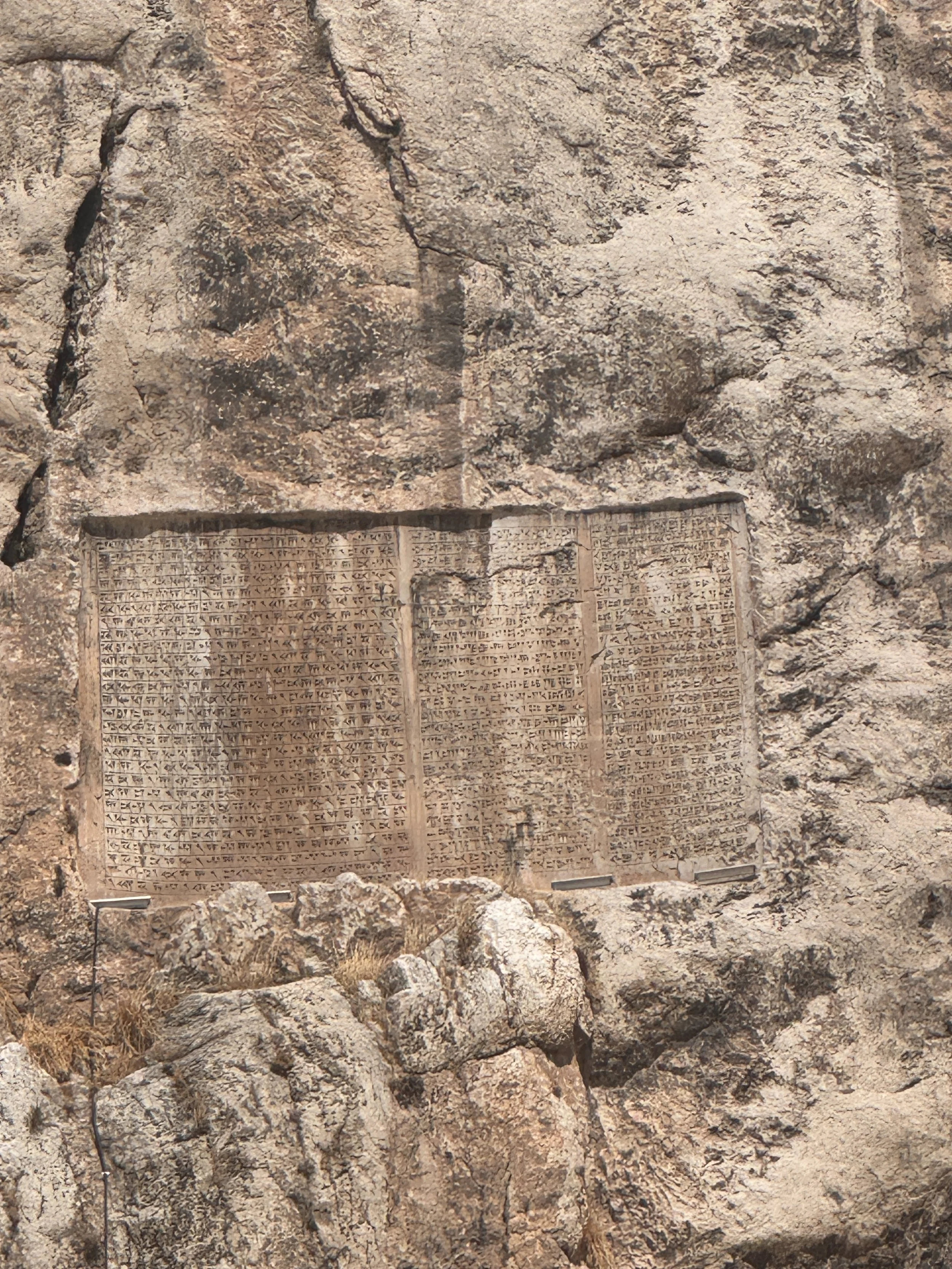
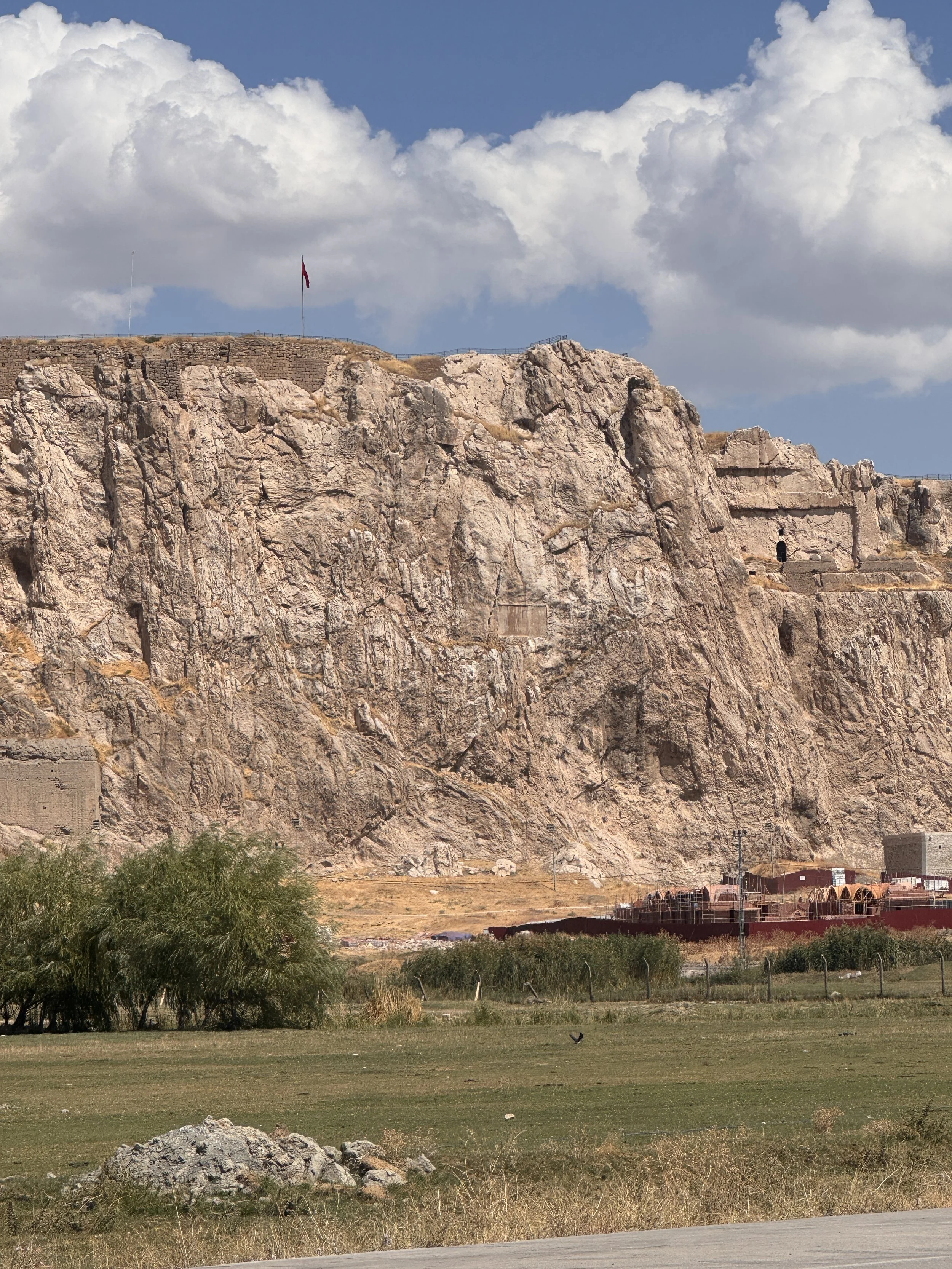
Like his father Darius, Xerxes left his mark on the empire through monumental inscriptions carved into stone. These inscriptions proclaimed the king’s titles, accomplishments, authority, and divine favor. During our visit to the ancient Urartian fortress of Van Kalesi in eastern Türkiye, we had the opportunity to see one of these inscriptions firsthand.
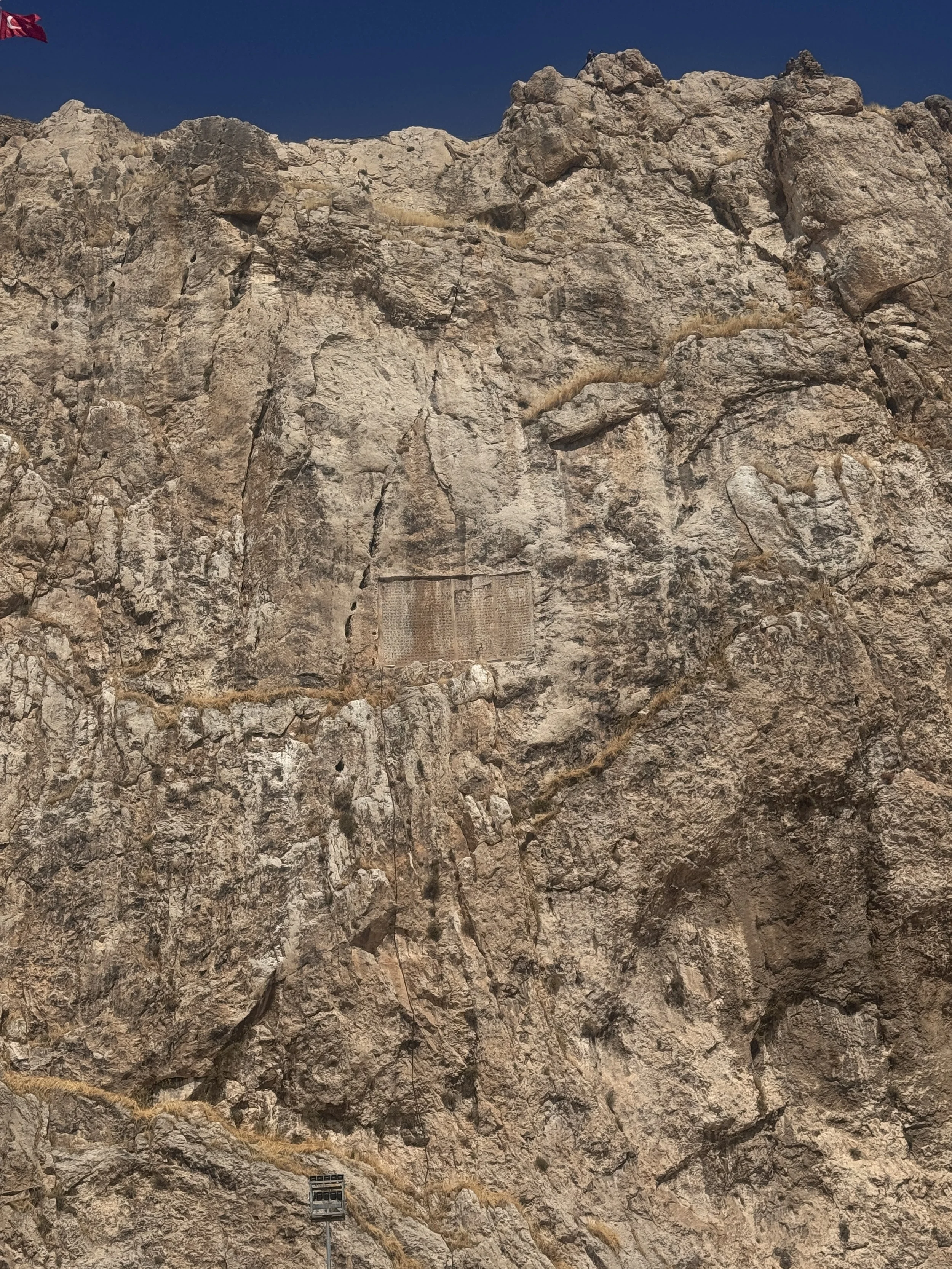
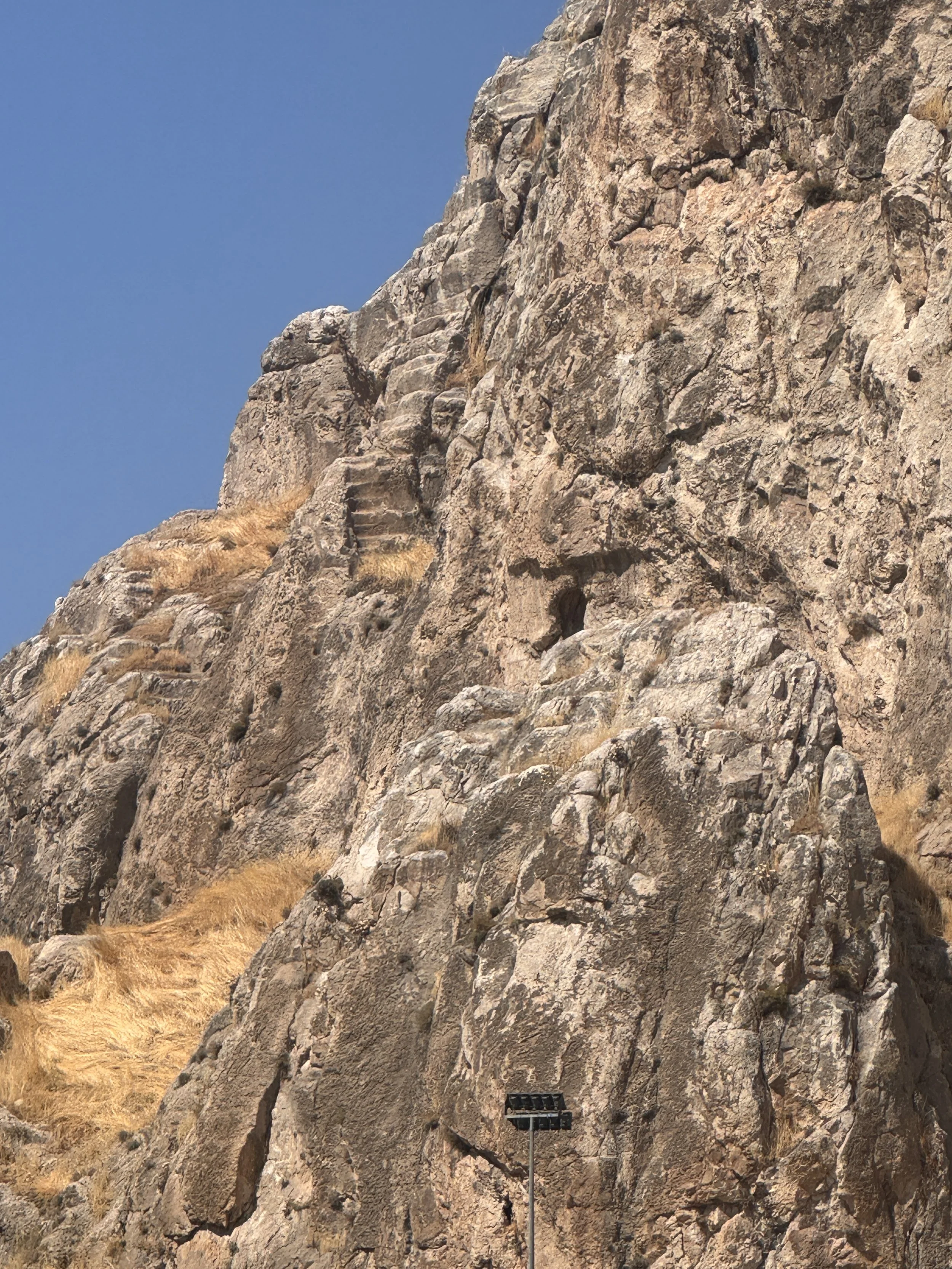
Seventy feet above the ground on a rock face near the Van fortress is a 27-line inscription commissioned by Xerxes, dating to his reign (486–465 BC). Written in Old Persian, Elamite, and Babylonian cuneiform. “I am Xerxes, the great king, king of kings, king of all kinds of people, king on this earth far and wide, the son of Darius the king, the Achaemenid…” And the proclamation continues—Xerxes certainly had a high opinion of himself!
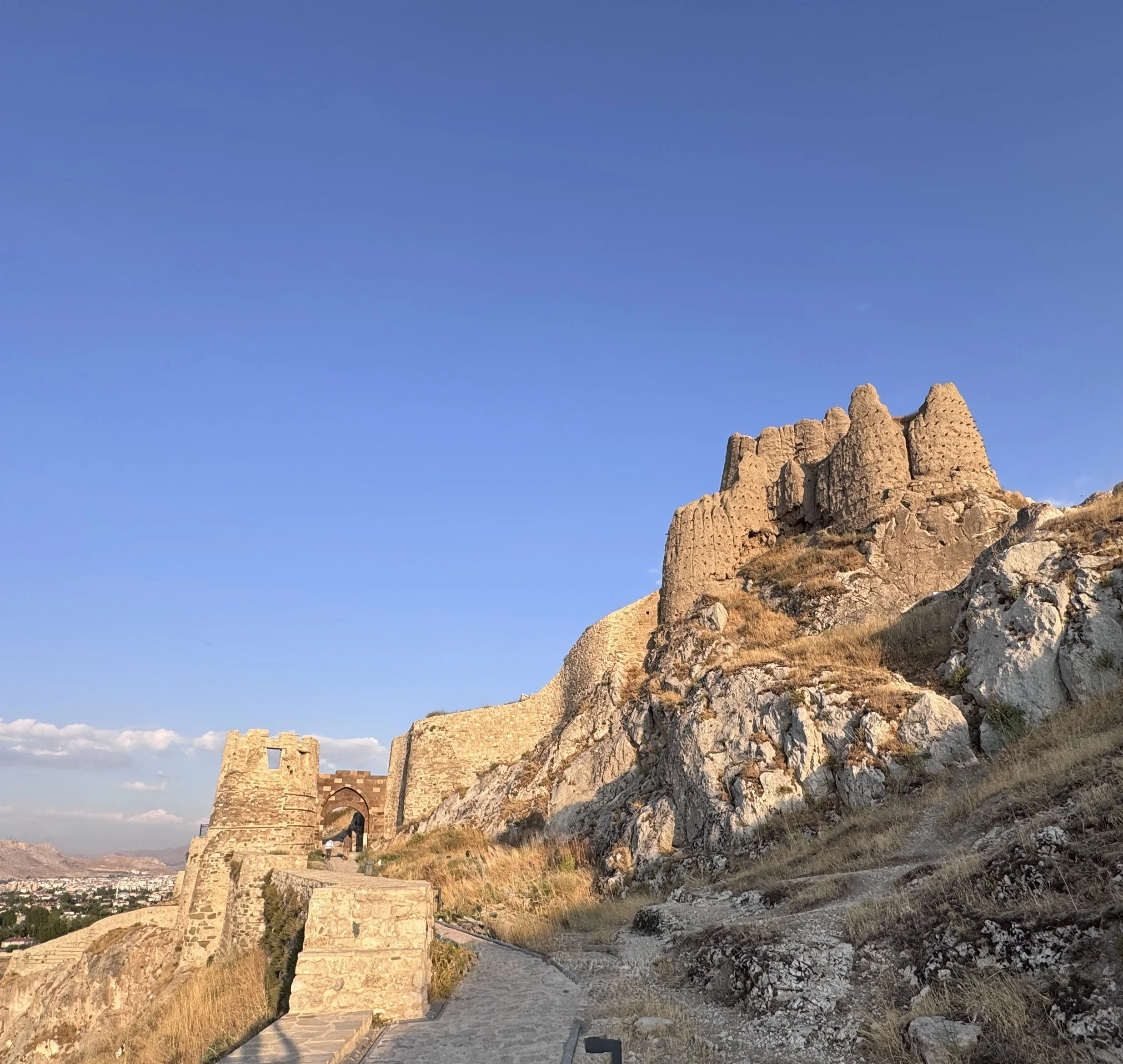
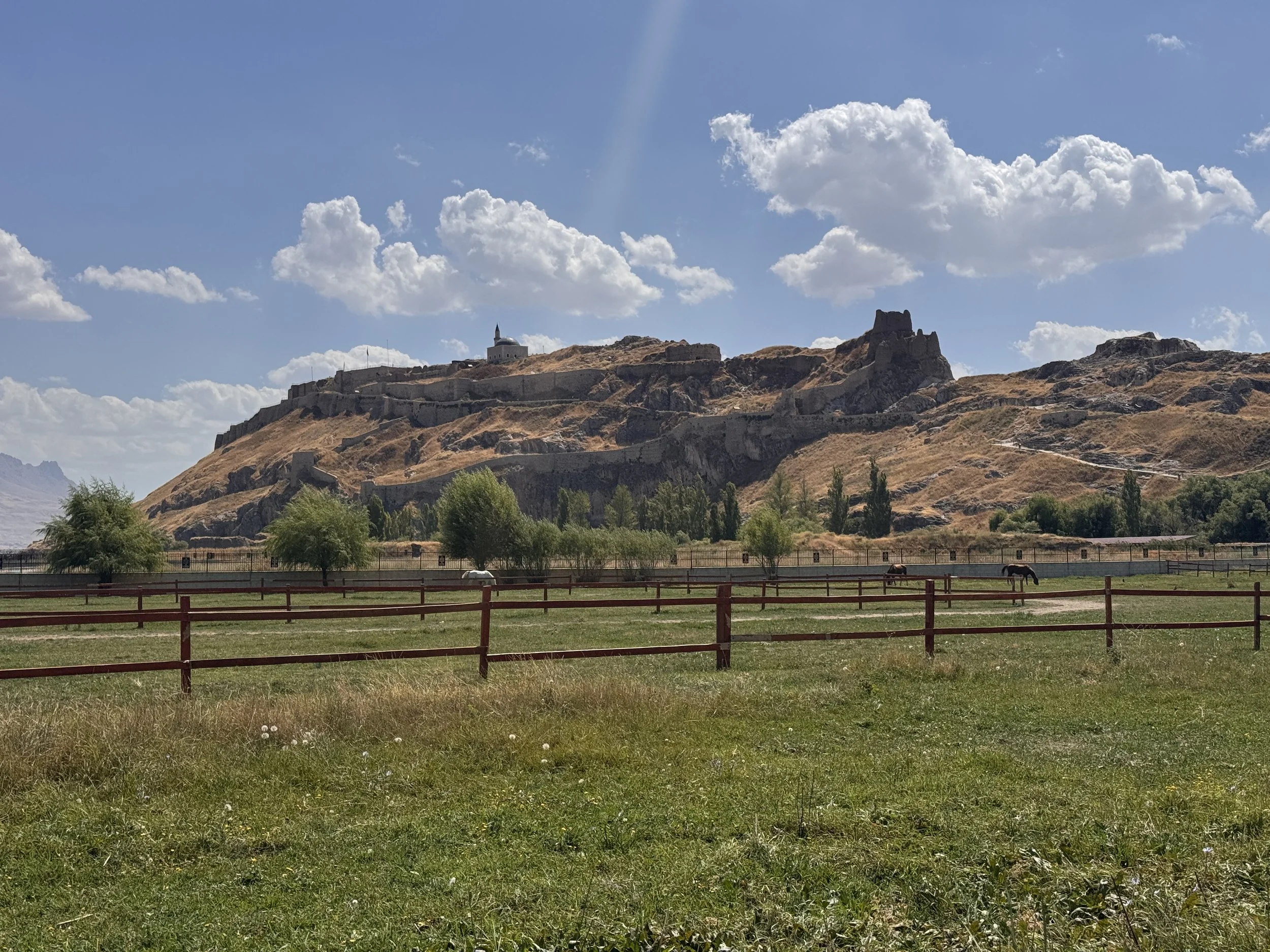
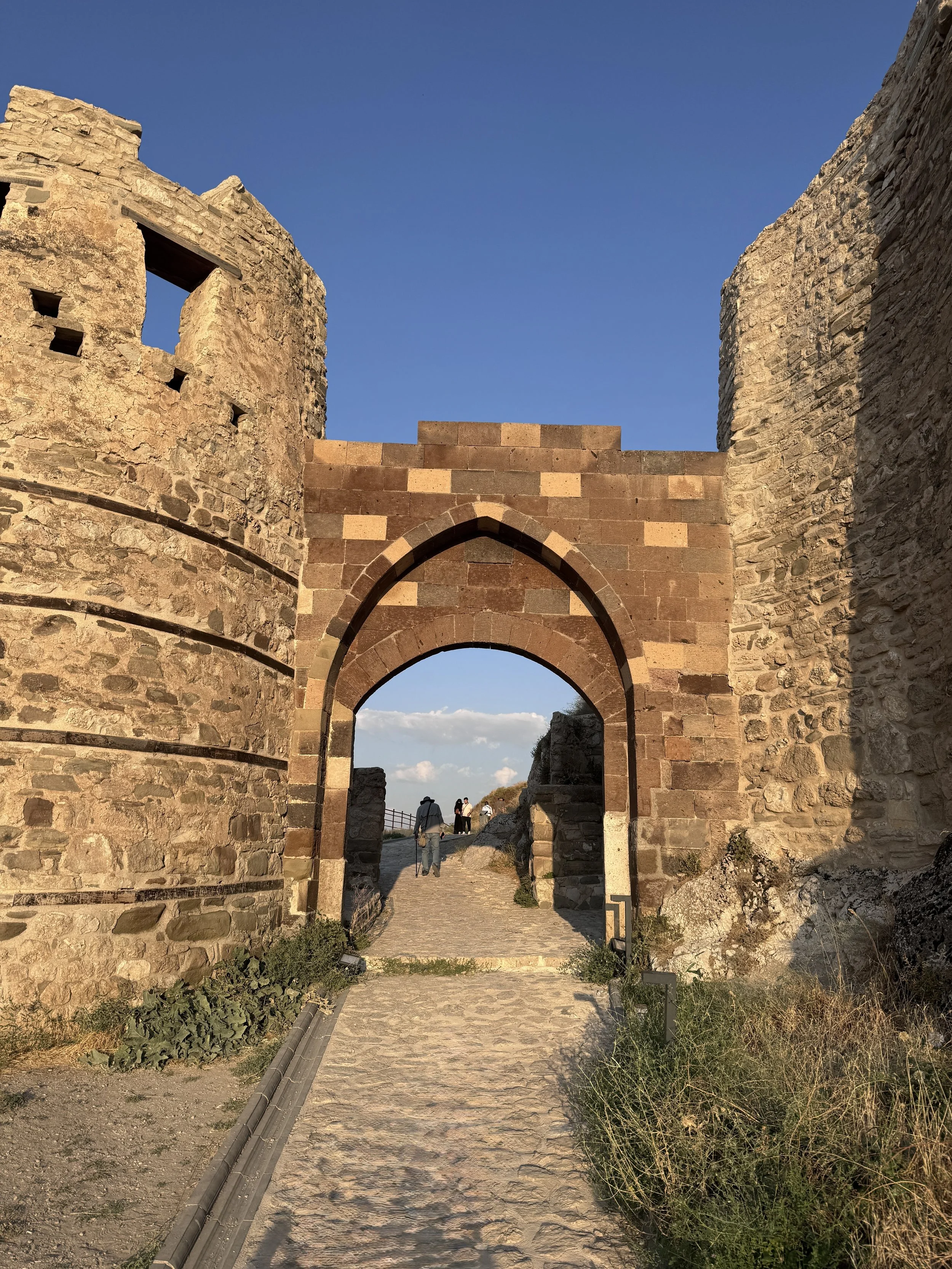
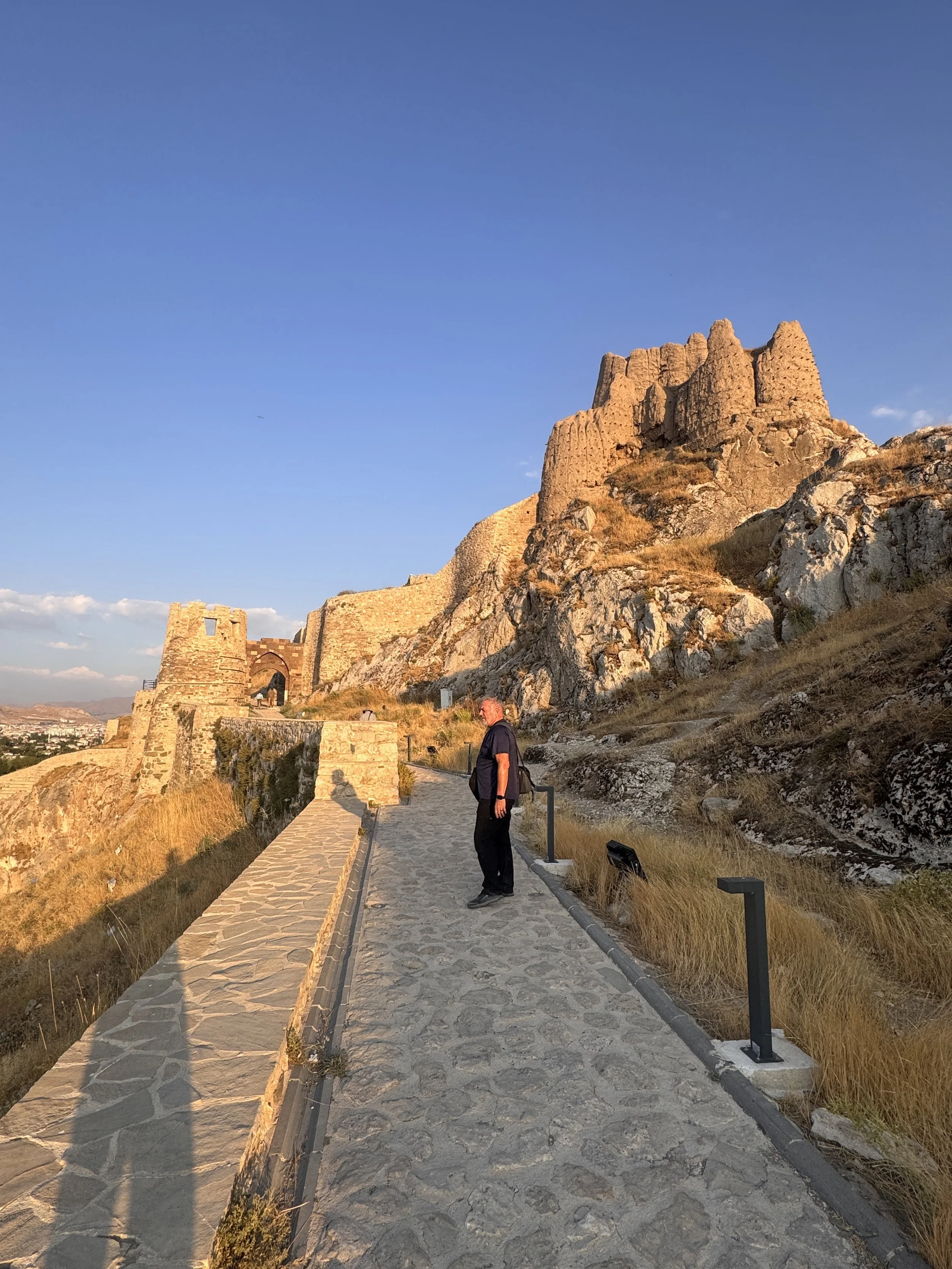
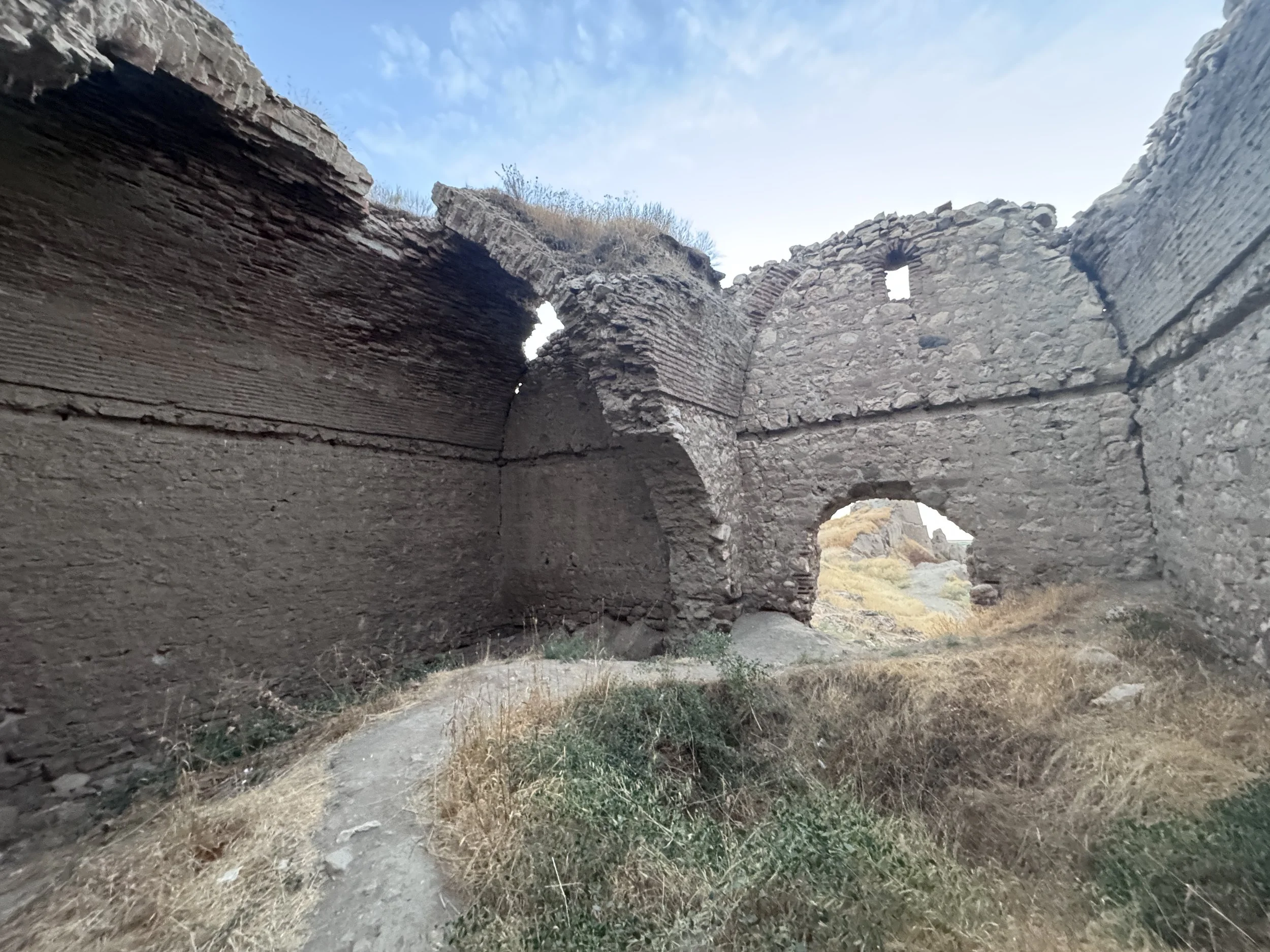
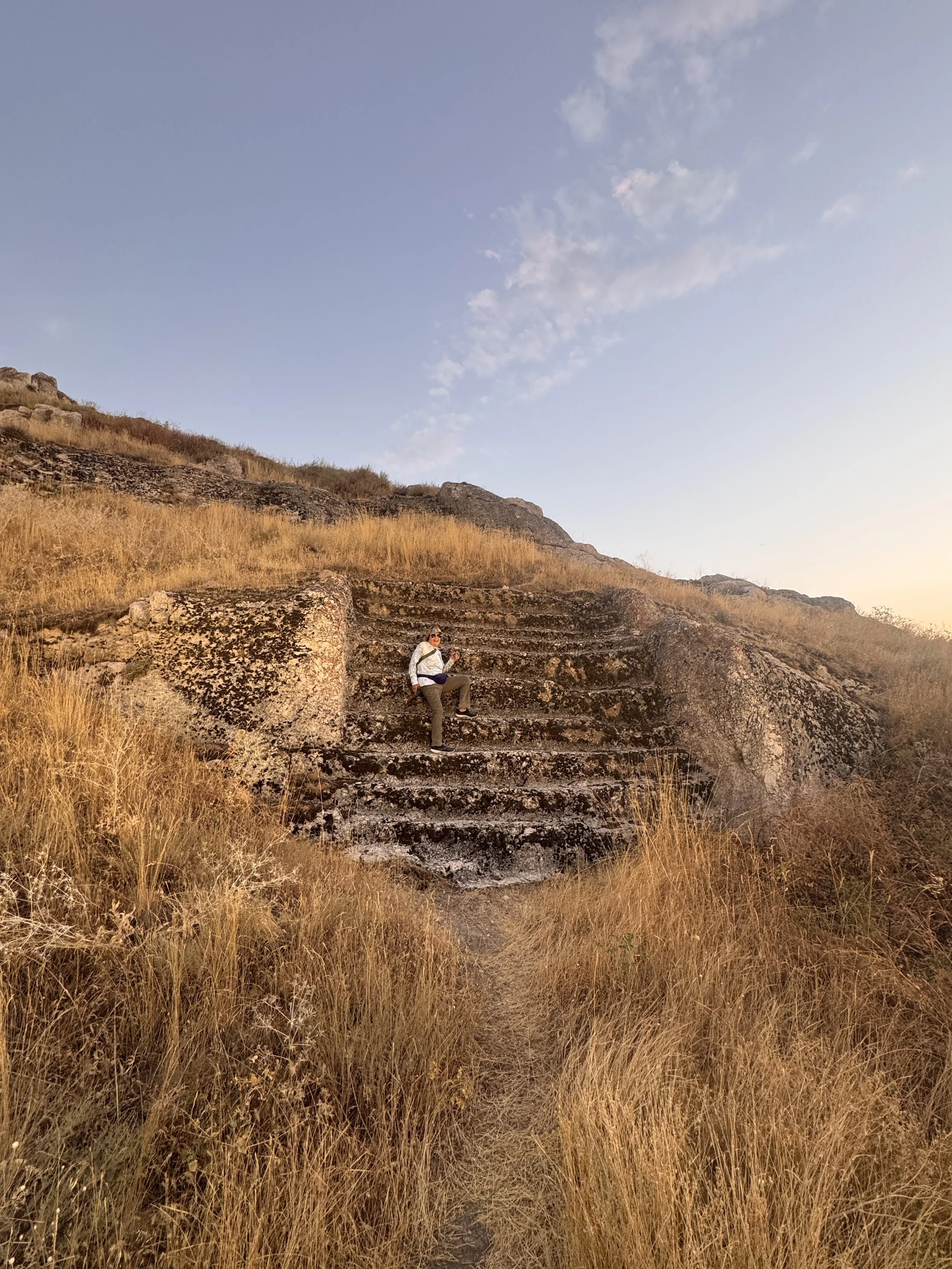
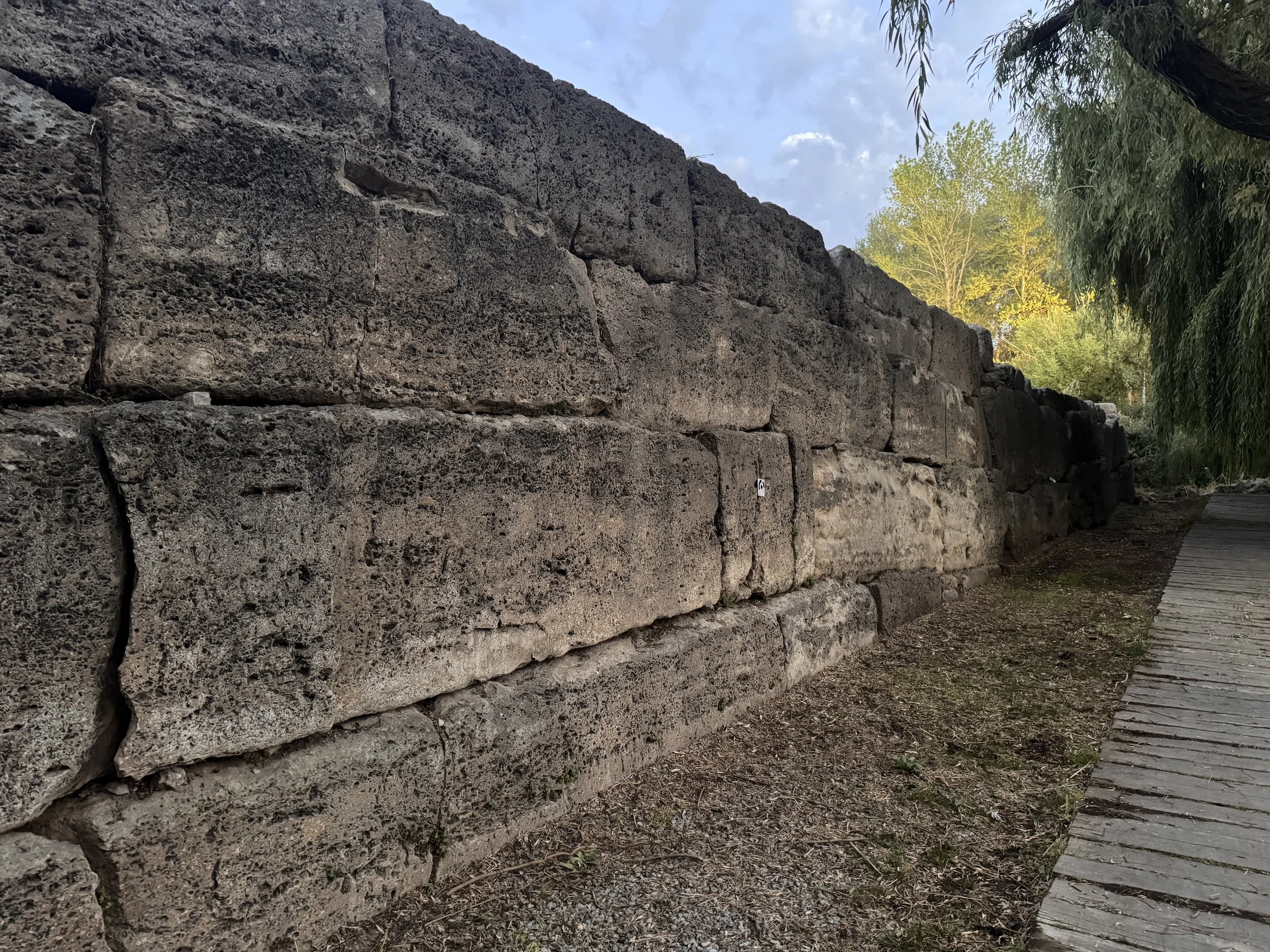
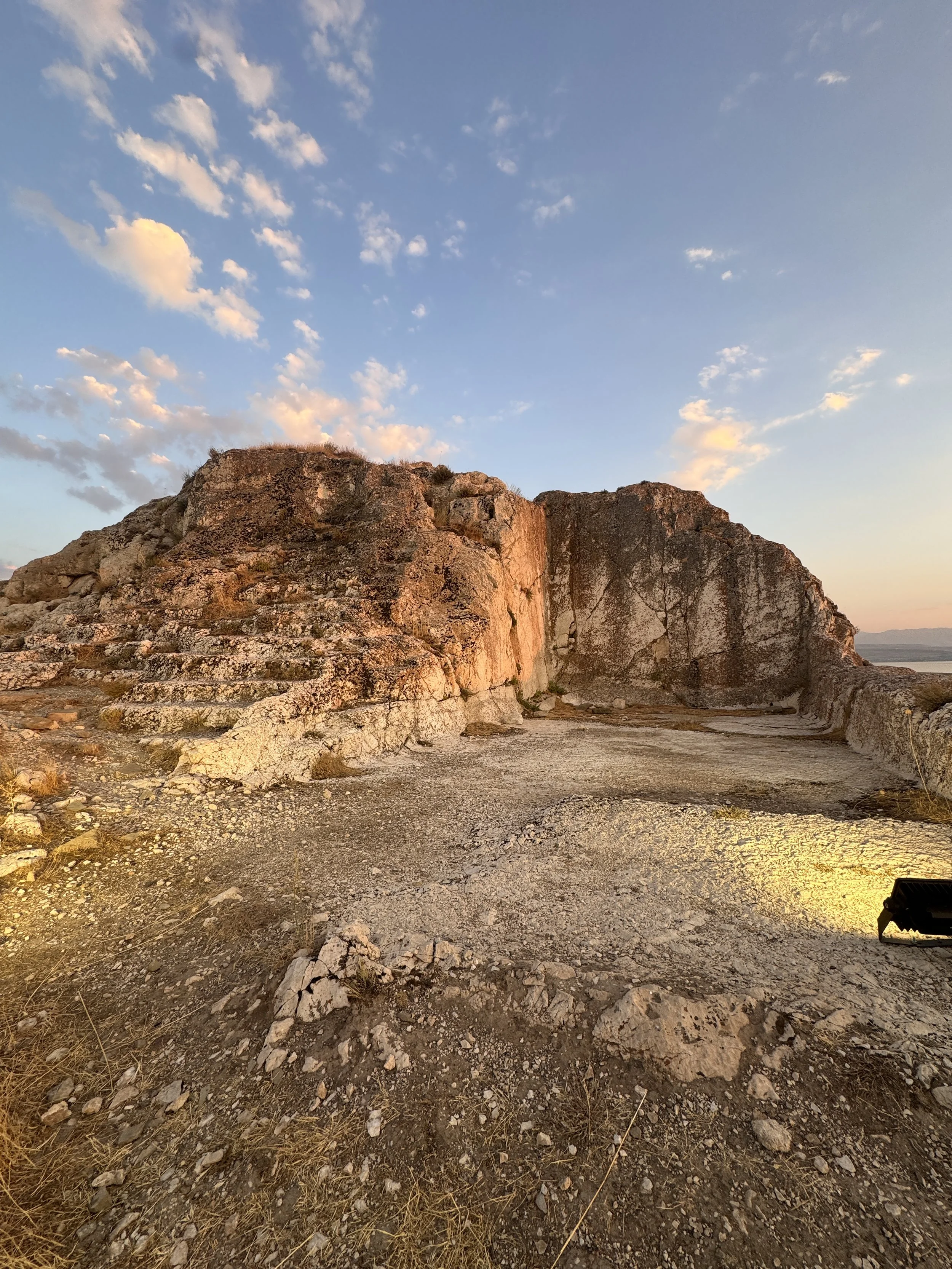
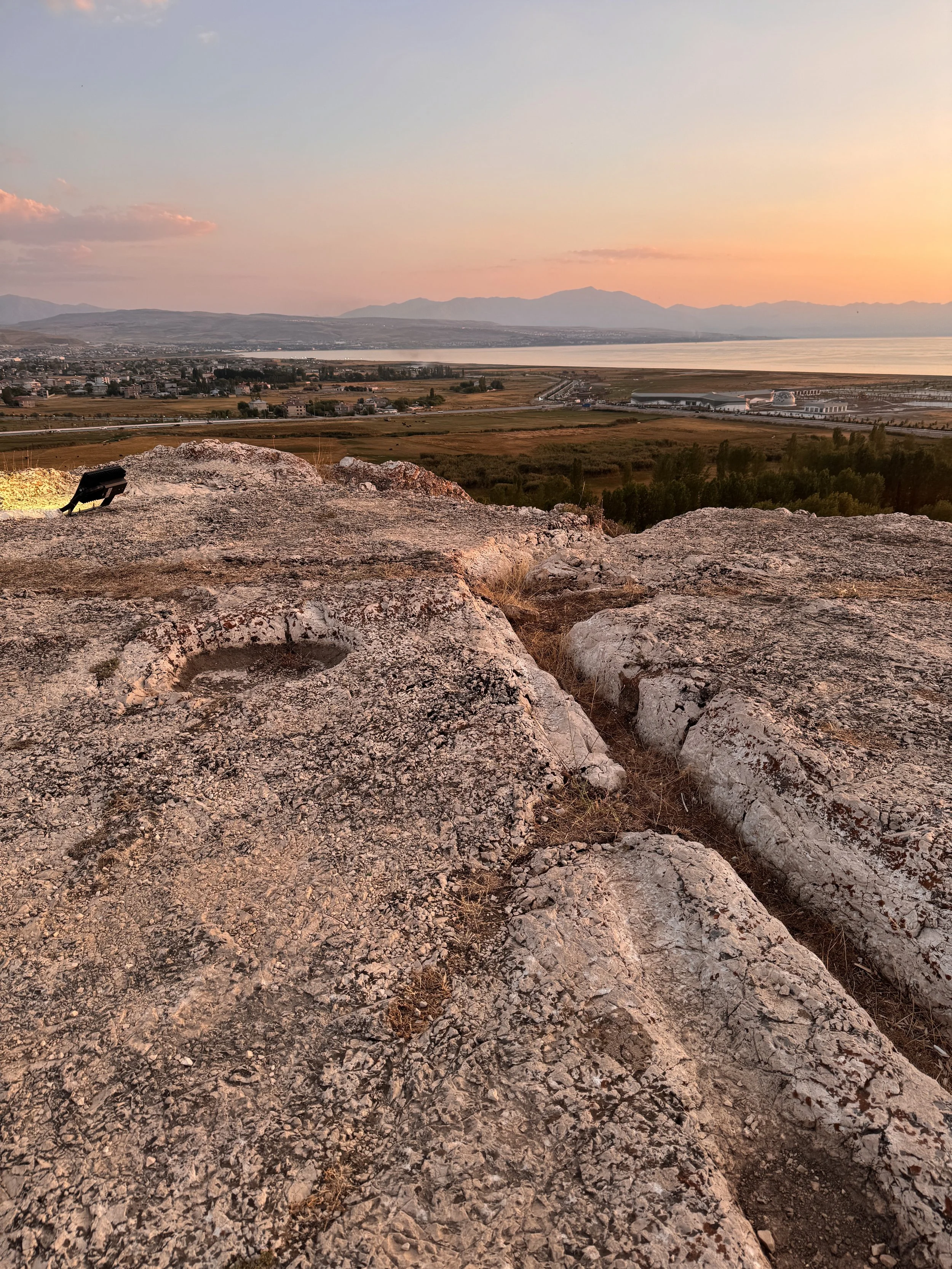
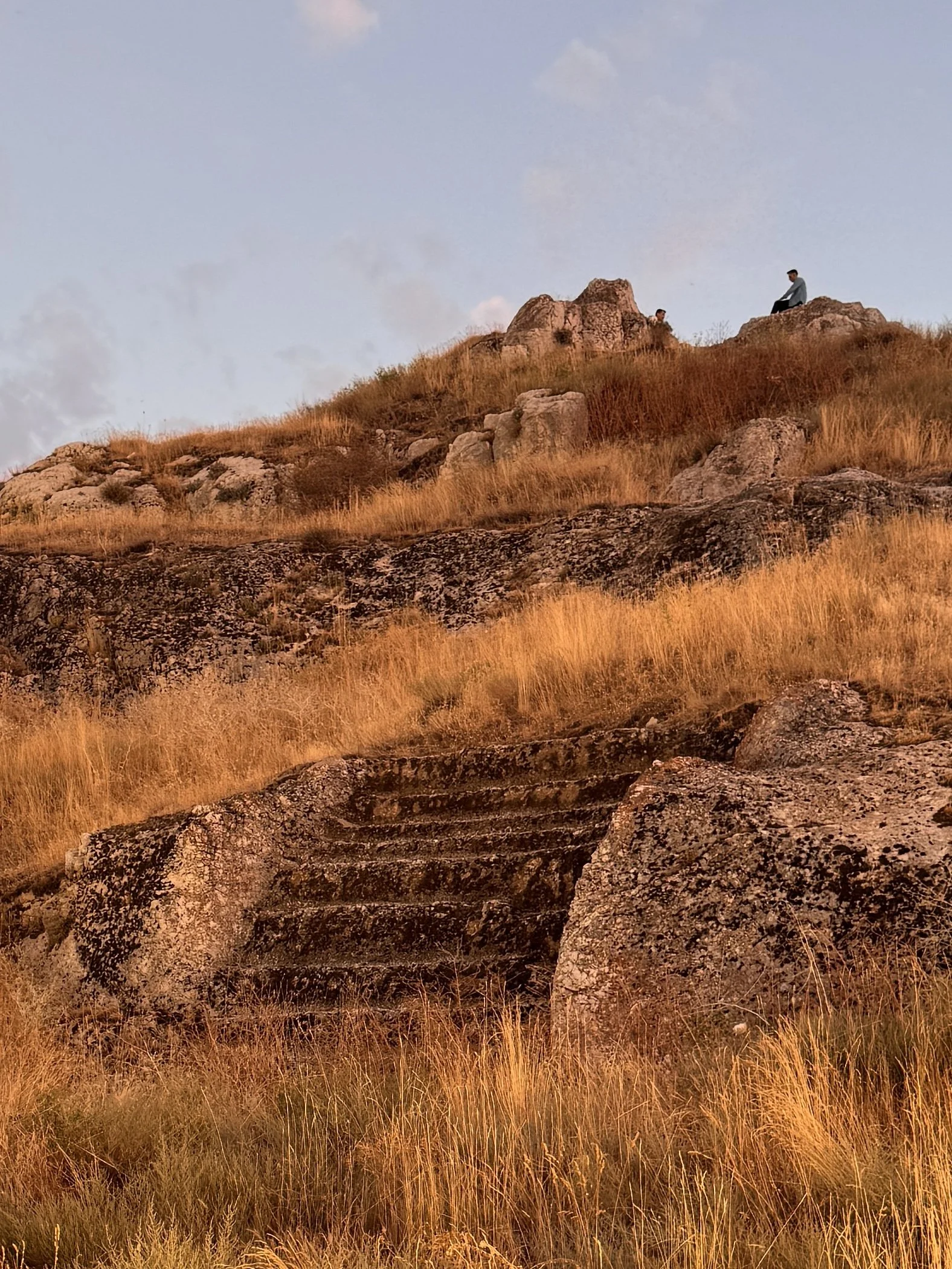
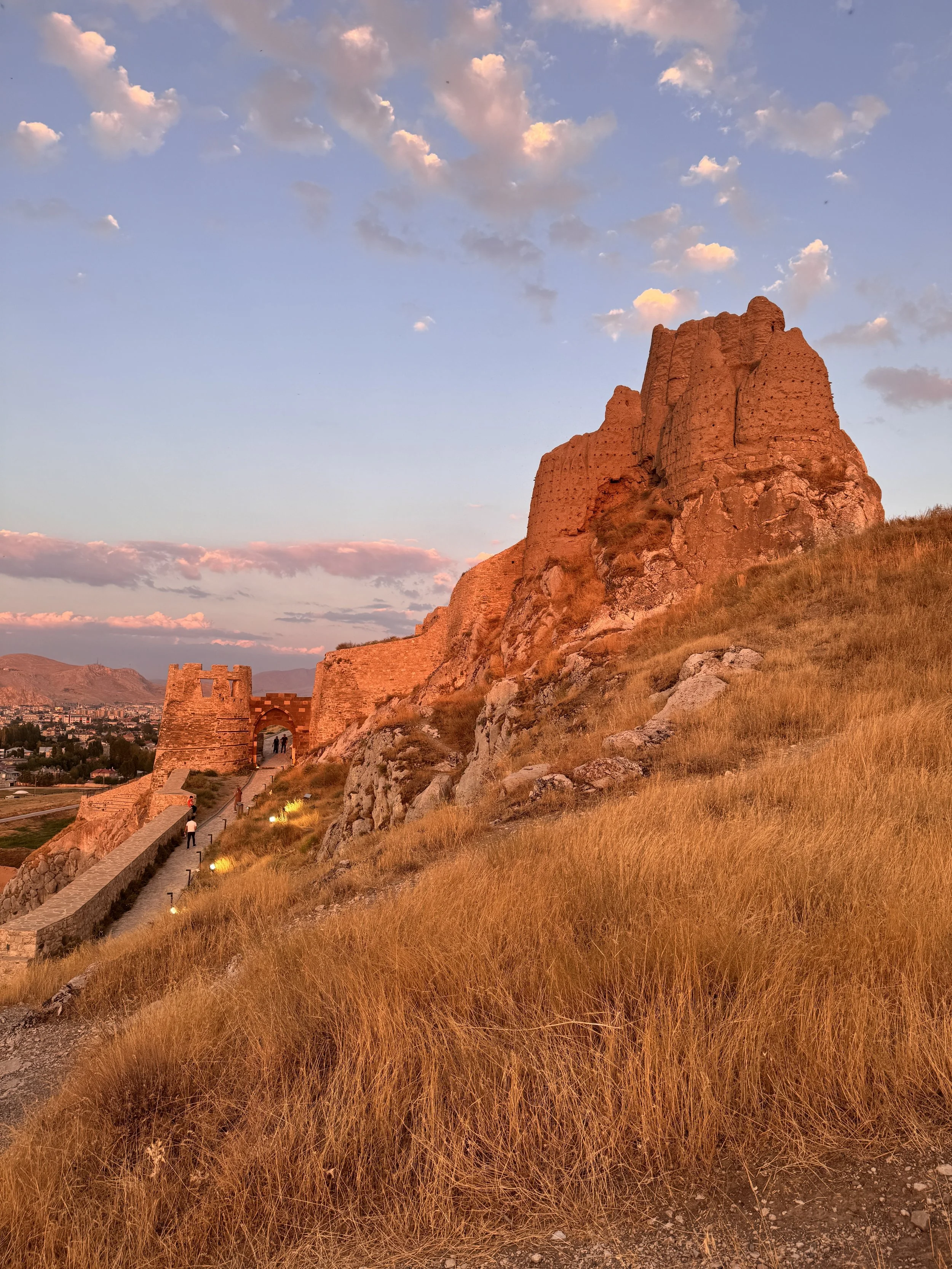
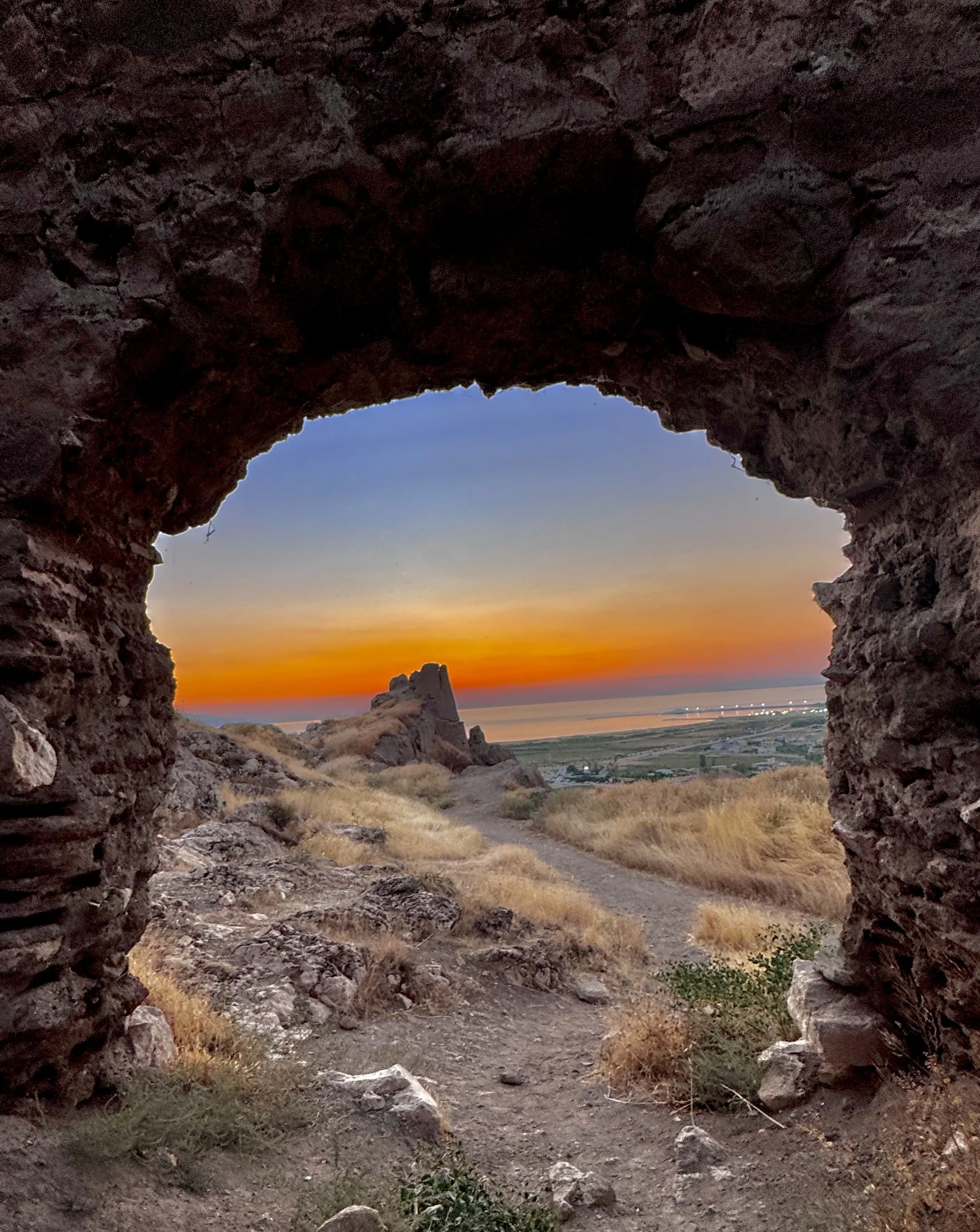
Van Kalesi itself is spectacularly situated on a rocky outcropping overlooking Lake Van. From the summit, sweeping views stretch across the lake, and mountains. The remains of Urartian architecture include monumental stone walls, stairways, tombs, and paved areas at the top of the citadel.
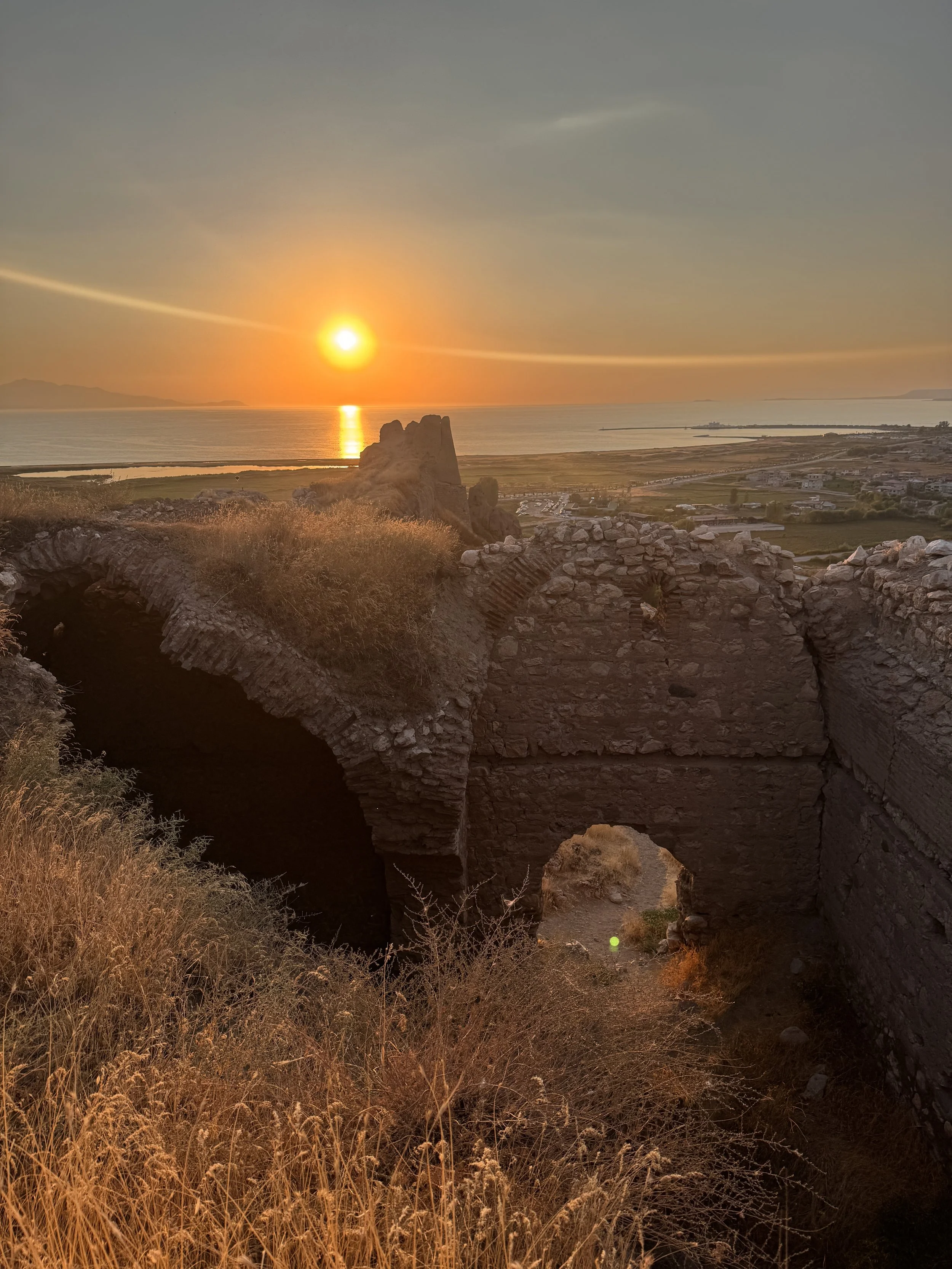
The evening light made our visit unforgettable. As the sun set, the colors became vivid orange and gold—a breathtaking setting for a place so layered with history. Standing among these ancient stones, seeing the name of a Persian king whose reign is connected to the world of Esther, was another reminder that the biblical narrative unfolds within real places, kingdoms, and history. The stones of the ancient world continue to tell their stories.
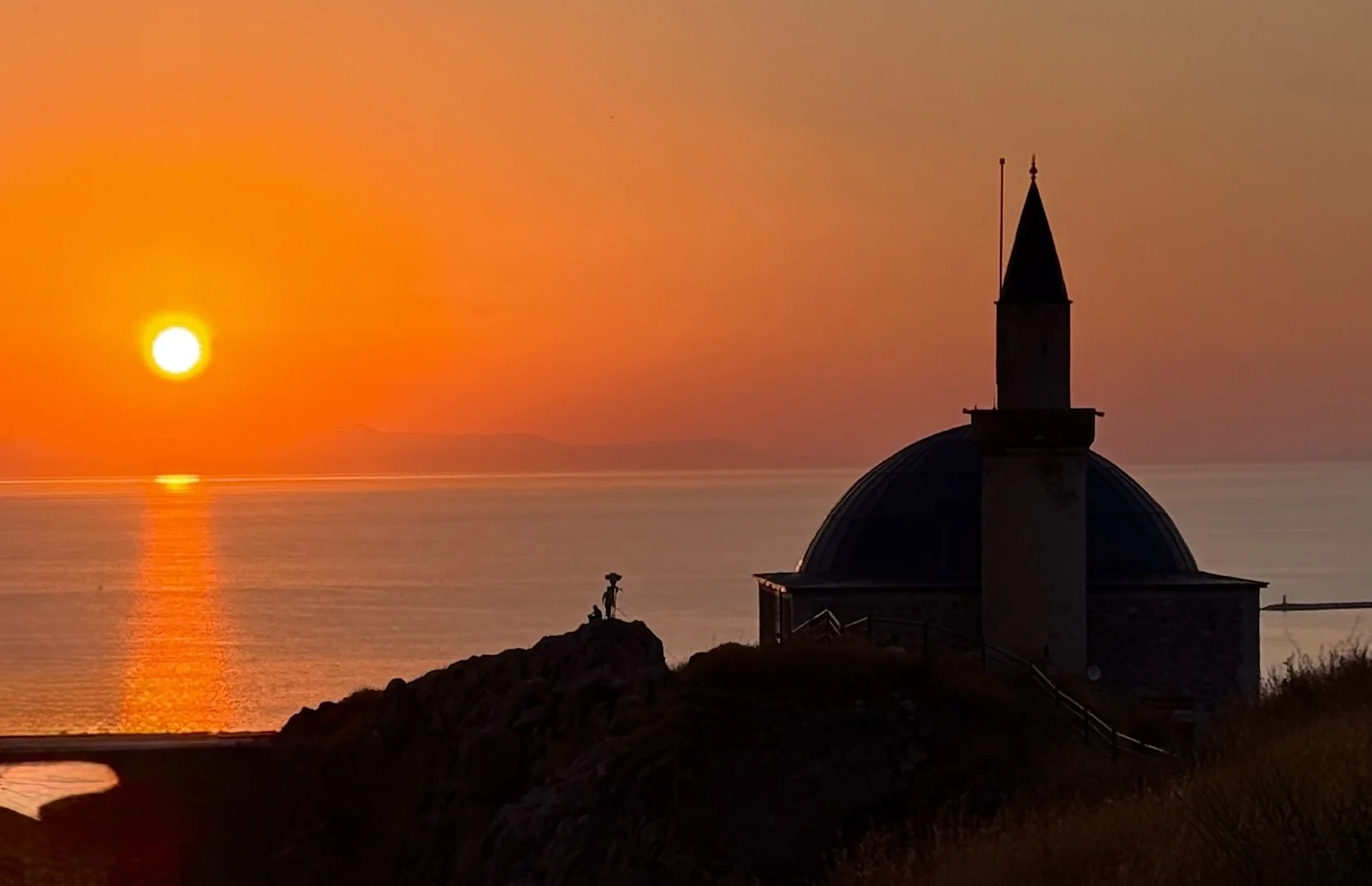
From the top of Van Kalesi, the sun setting over Lake Van, Turkiye