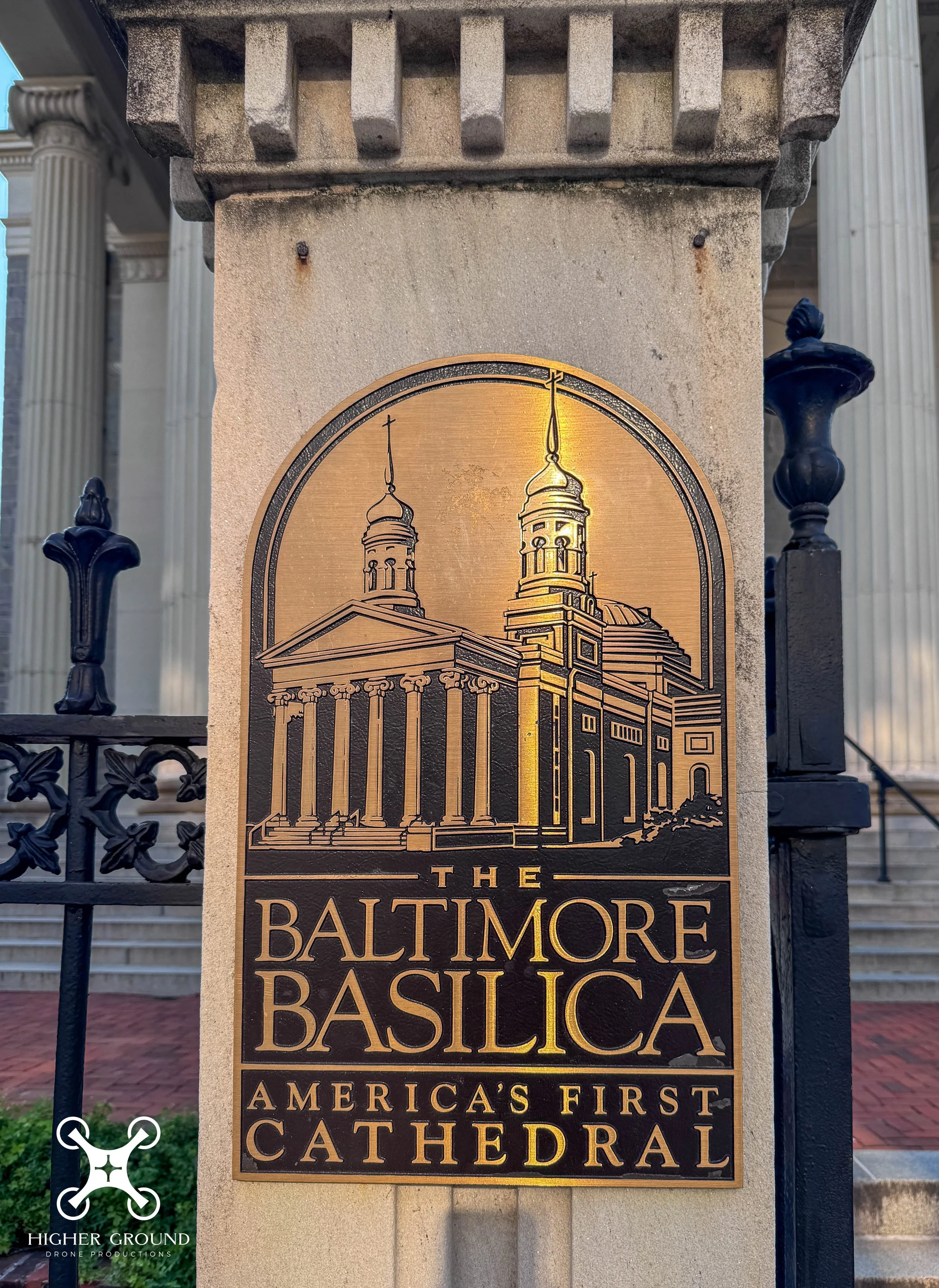
Baltimore Basilica
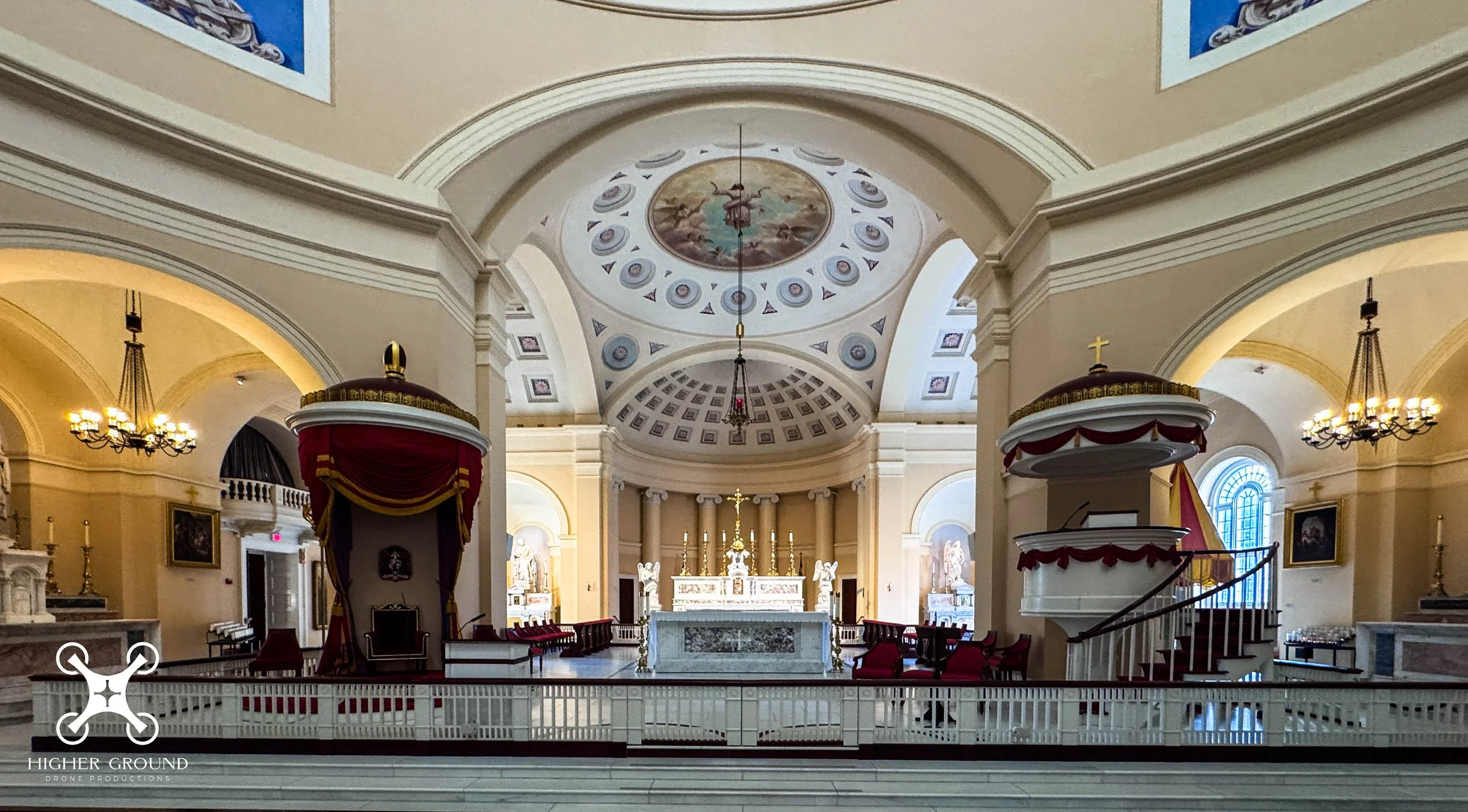
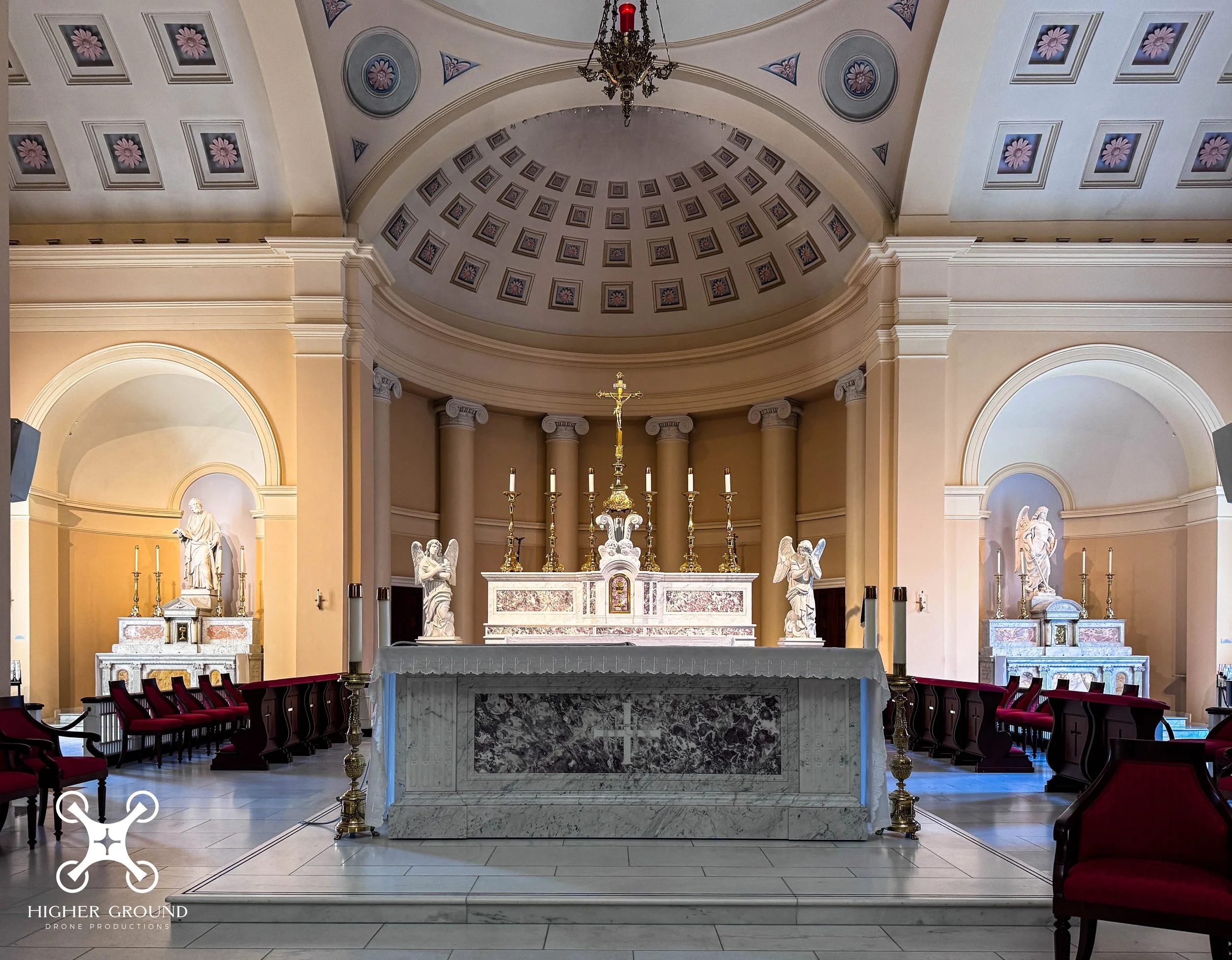
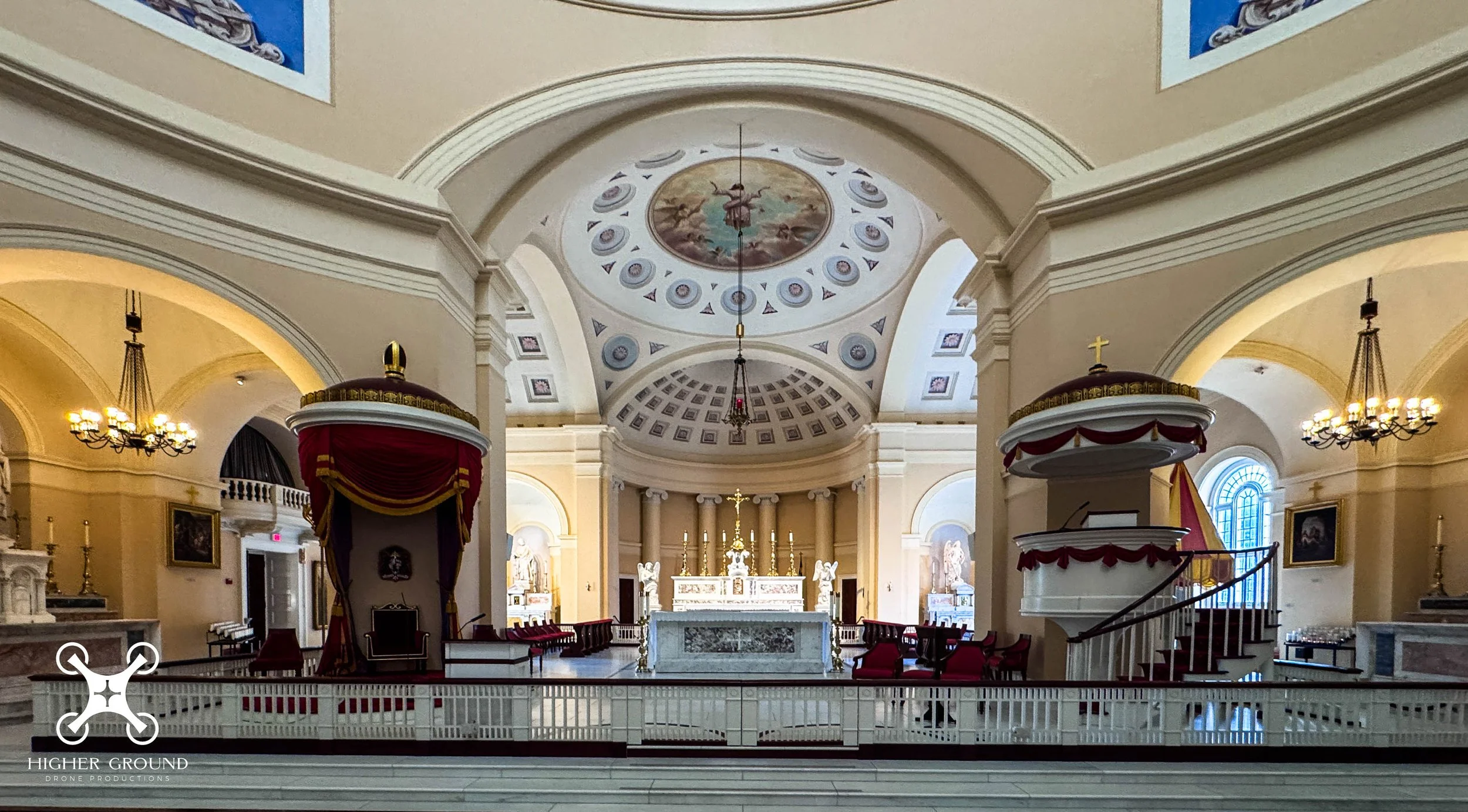
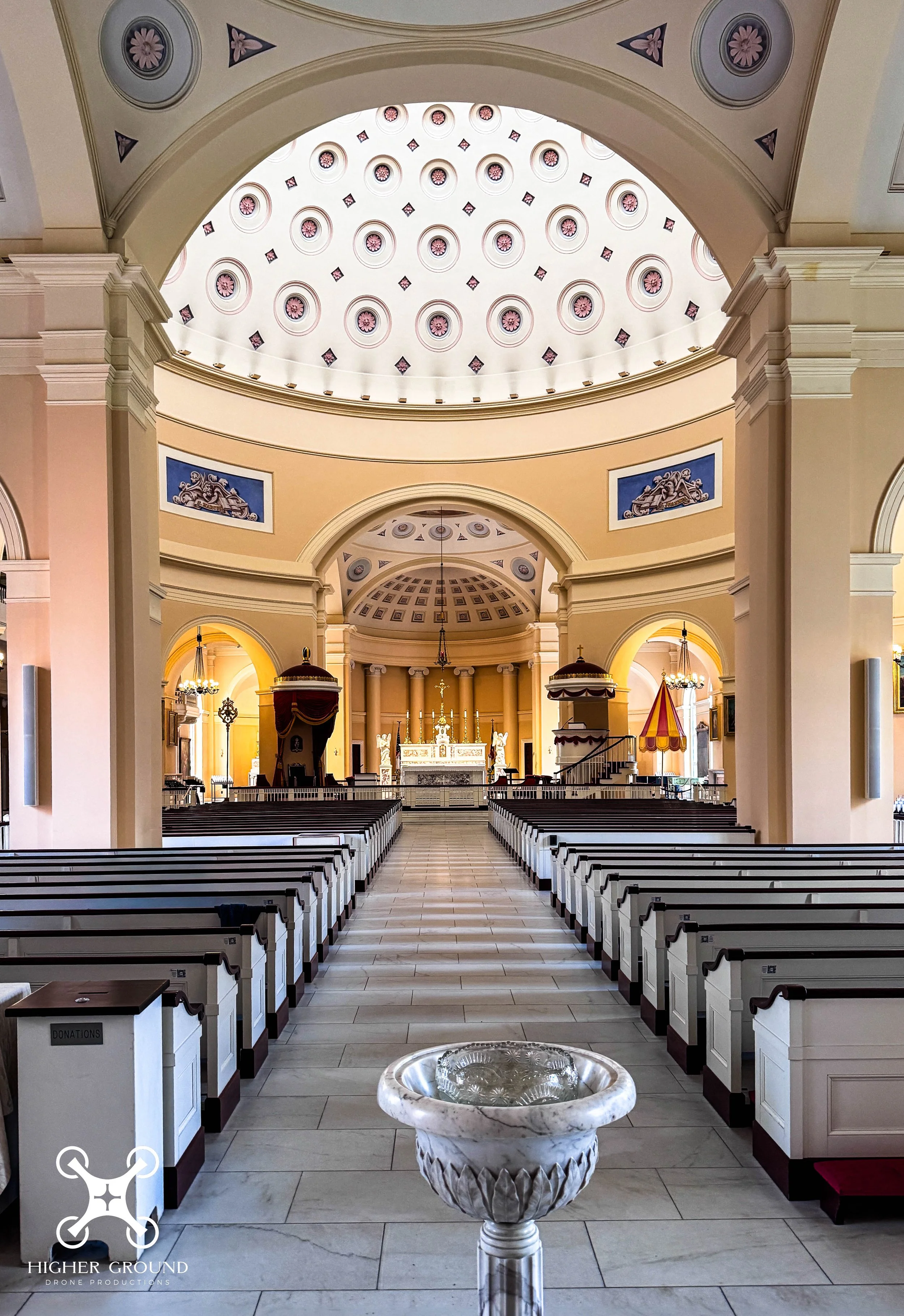
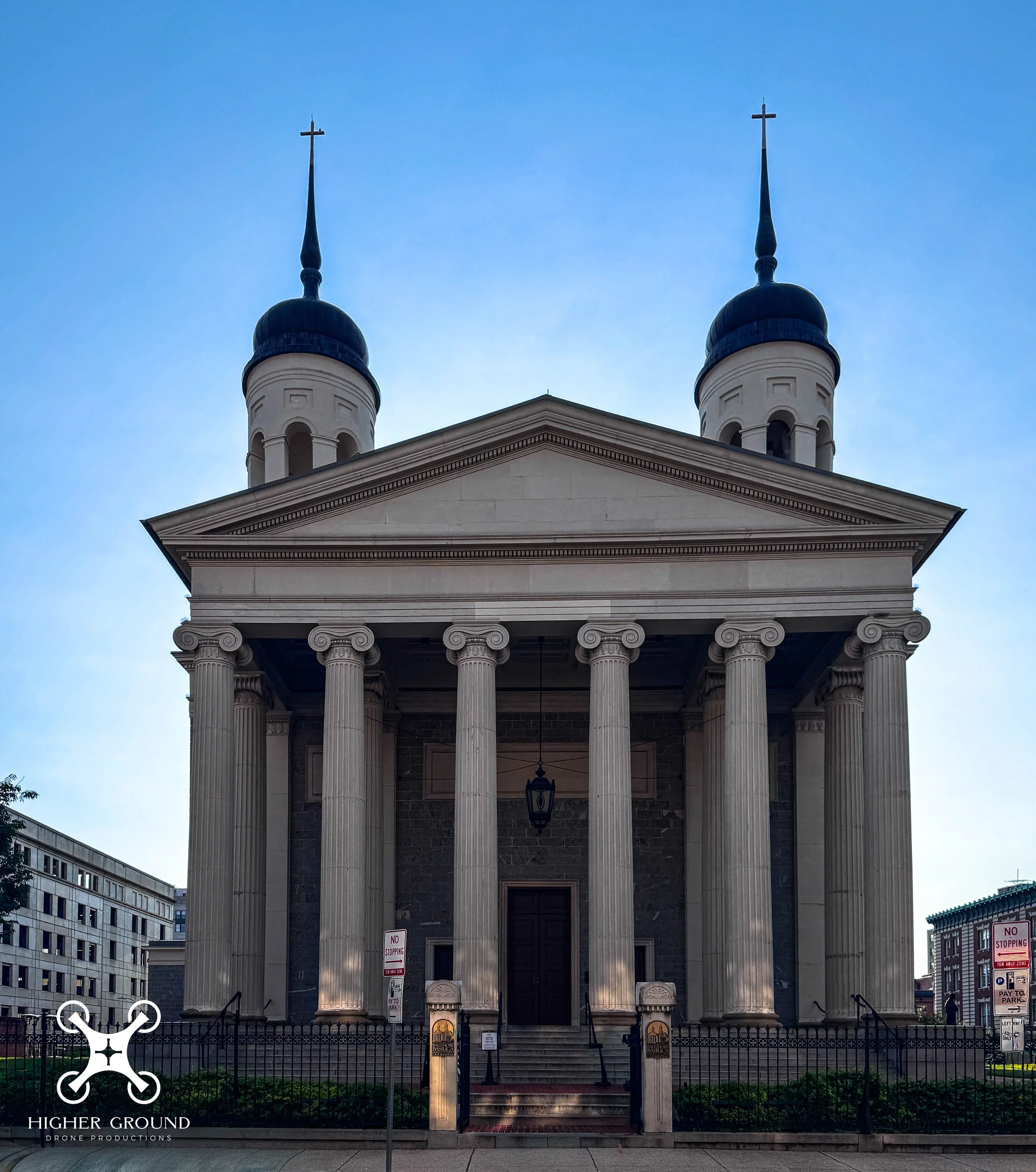
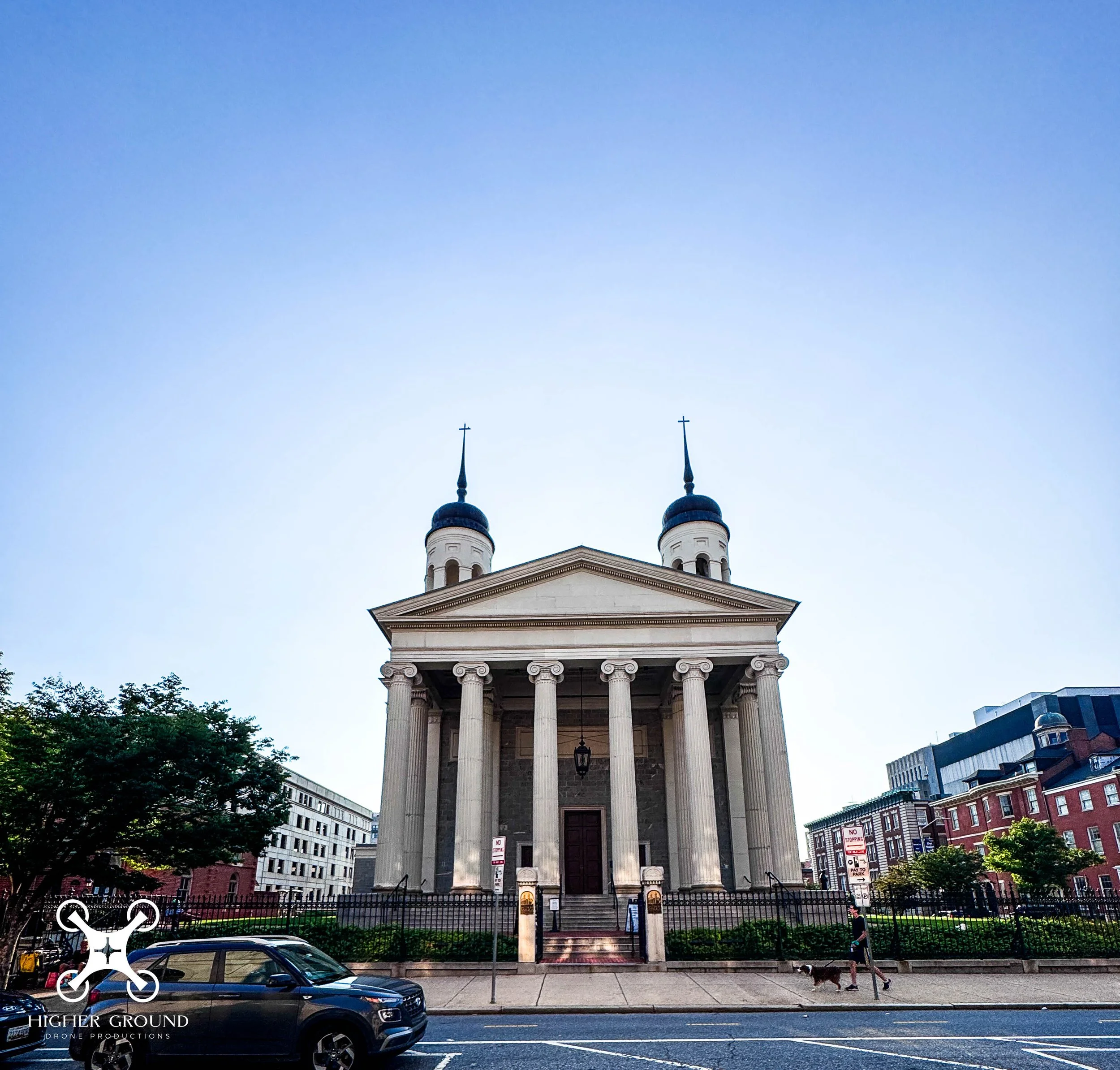
I look for churches to stop at on my trips. Compared to most cathedrals or bascilicas, Baltimore’s seems very quietly understated. It feels very clean and almost modern. I was surprised to find its age and history!
It was the first Catholic cathedral built in the United States after the nation's founding and was among the first major religious buildings constructed after the adoption of the United States Constitution.
It is actually a co-cathedral: it is one of the seats of the Catholic Archdiocese of Baltimore, Maryland, and a parish church (ranked minor basilica) and national shrine.
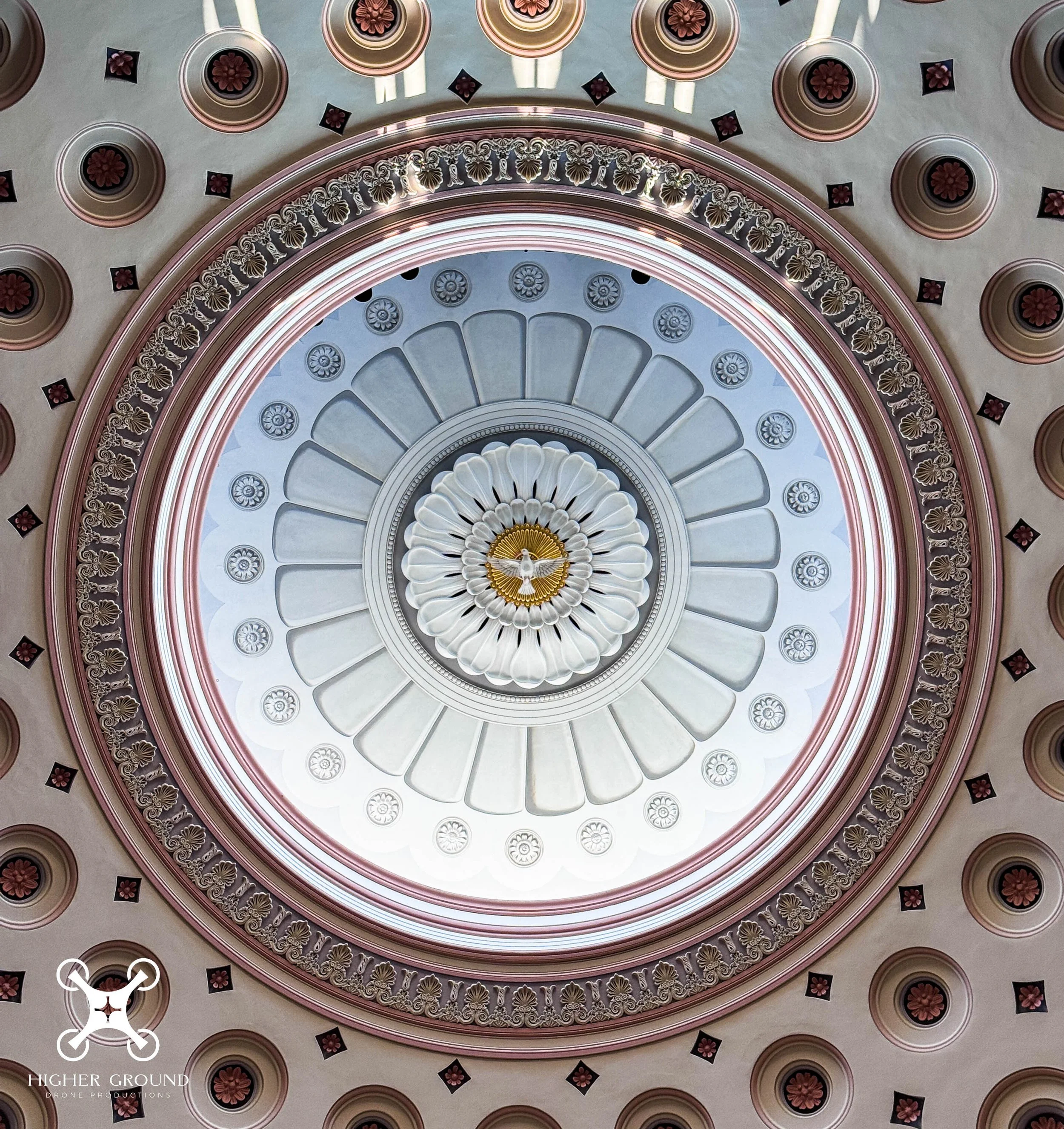
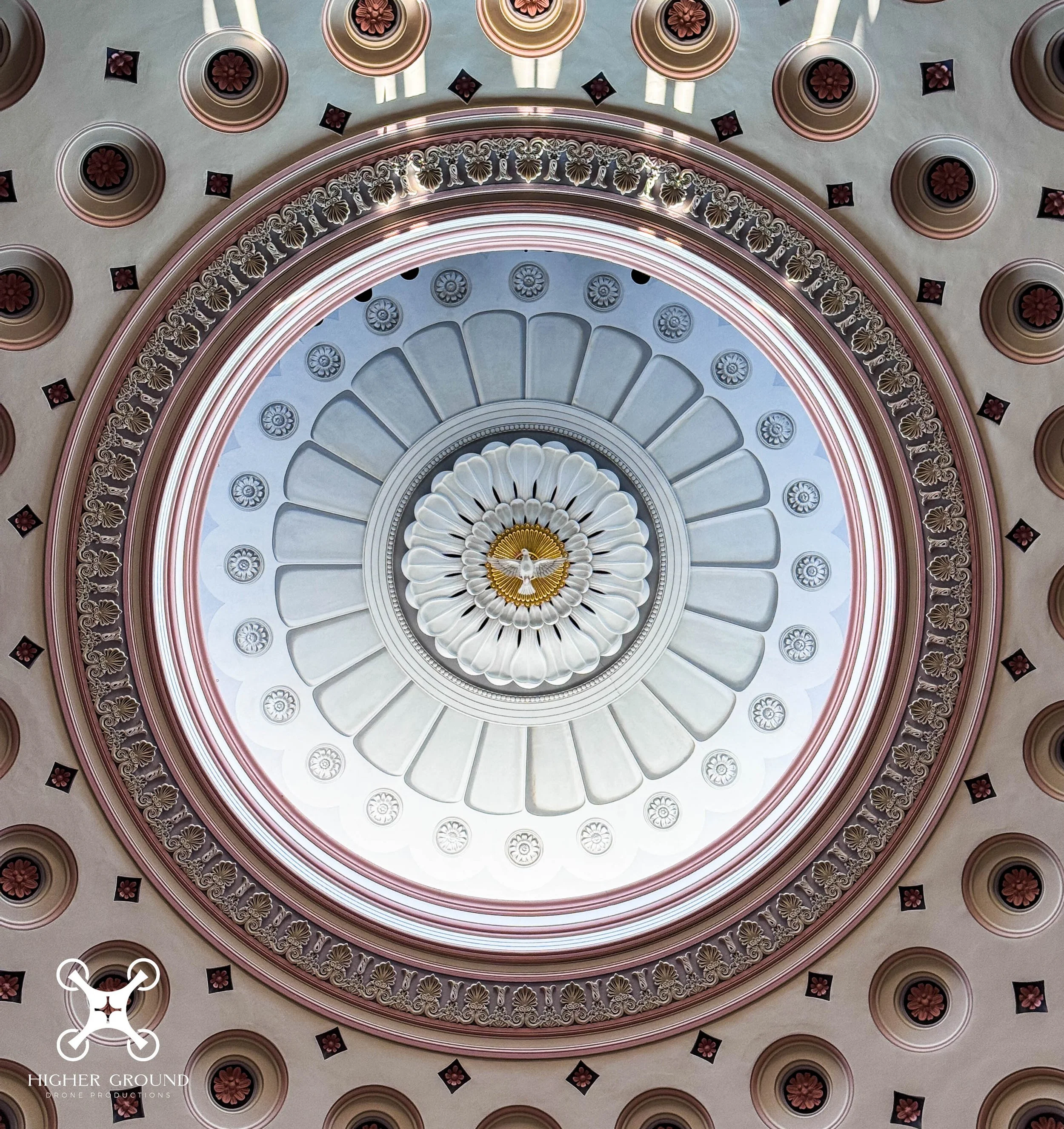
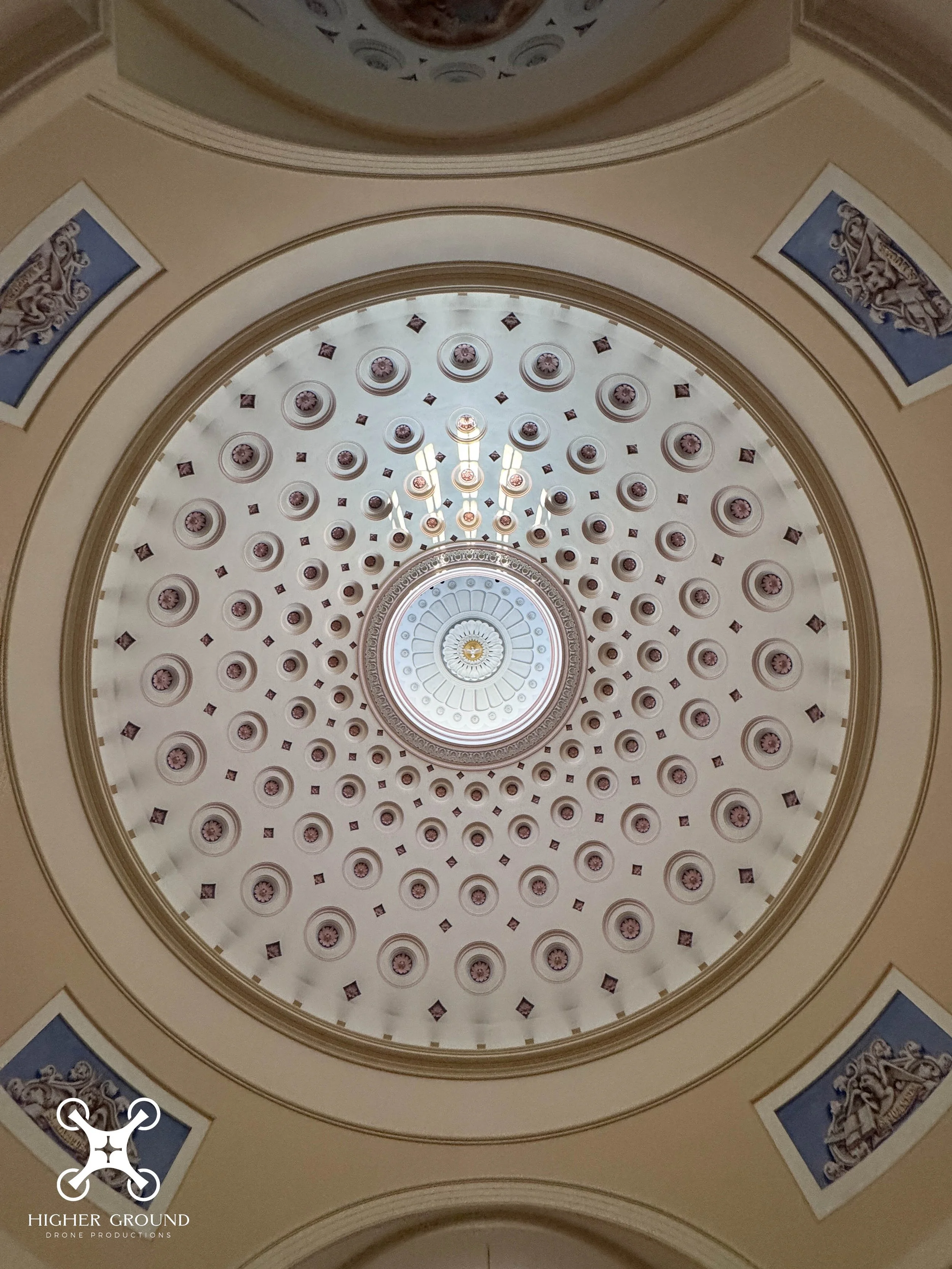
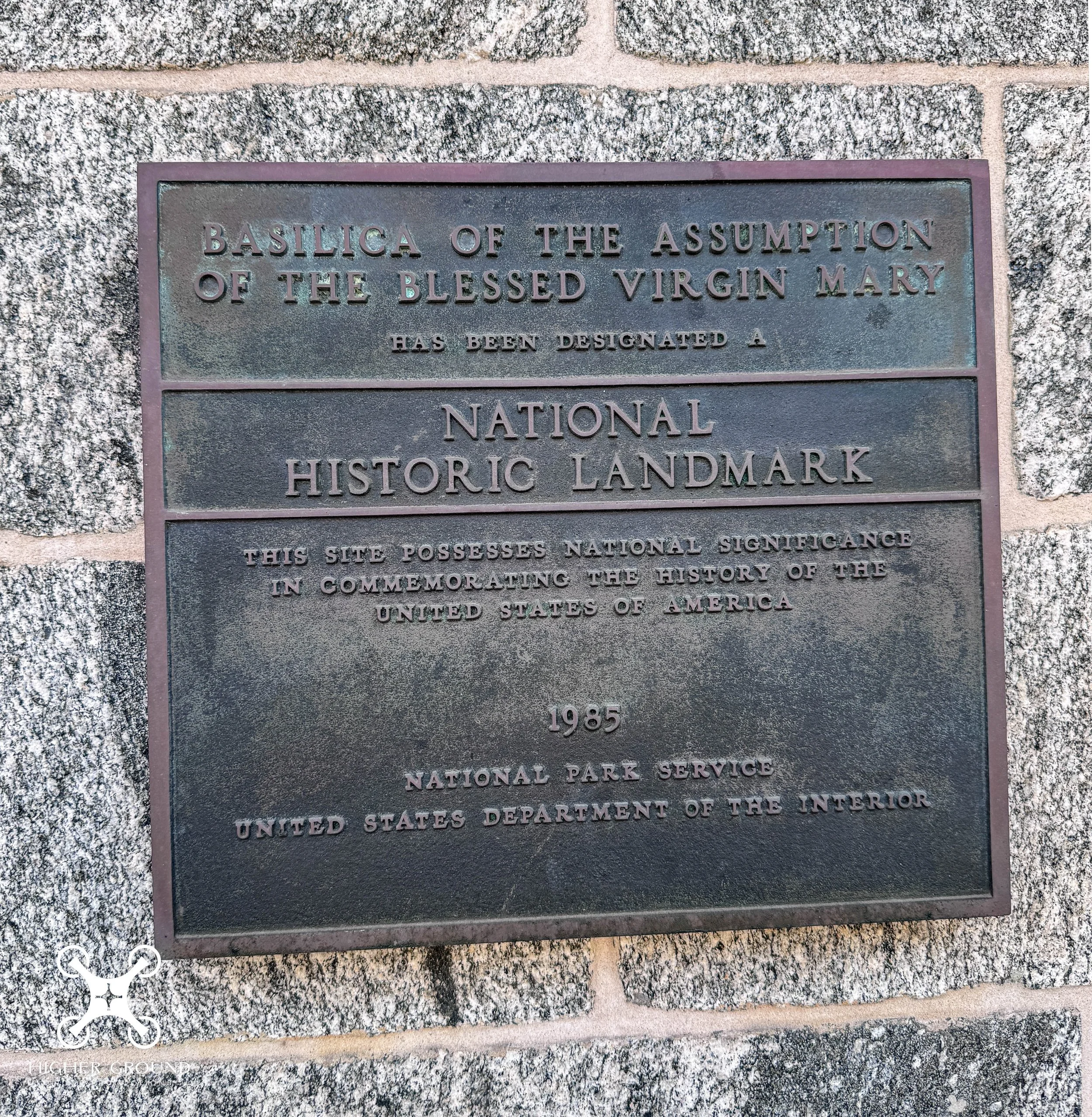
The design of this historic domed church was influenced by Thomas Jefferson and intended as a statement of religious freedom. One of most historic houses of worship is the U.S. is also a masterpiece of American architecture. This National Historic Landmark includes a 75-foot dome whose design was directly influenced by an intervention from Thomas Jefferson.
The church's original design was envisioned by America’s first bishop, John Carroll, and as planned by renowned architect Benjamin Henry Latrobe (who went on to design the U.S. Capitol). After the U.S. Constitution established full freedom of religion, Carroll made America's first cathedral an unmistakable statement, choosing a design along the lines of other Neoclassical buildings that represented American freedom and democracy.
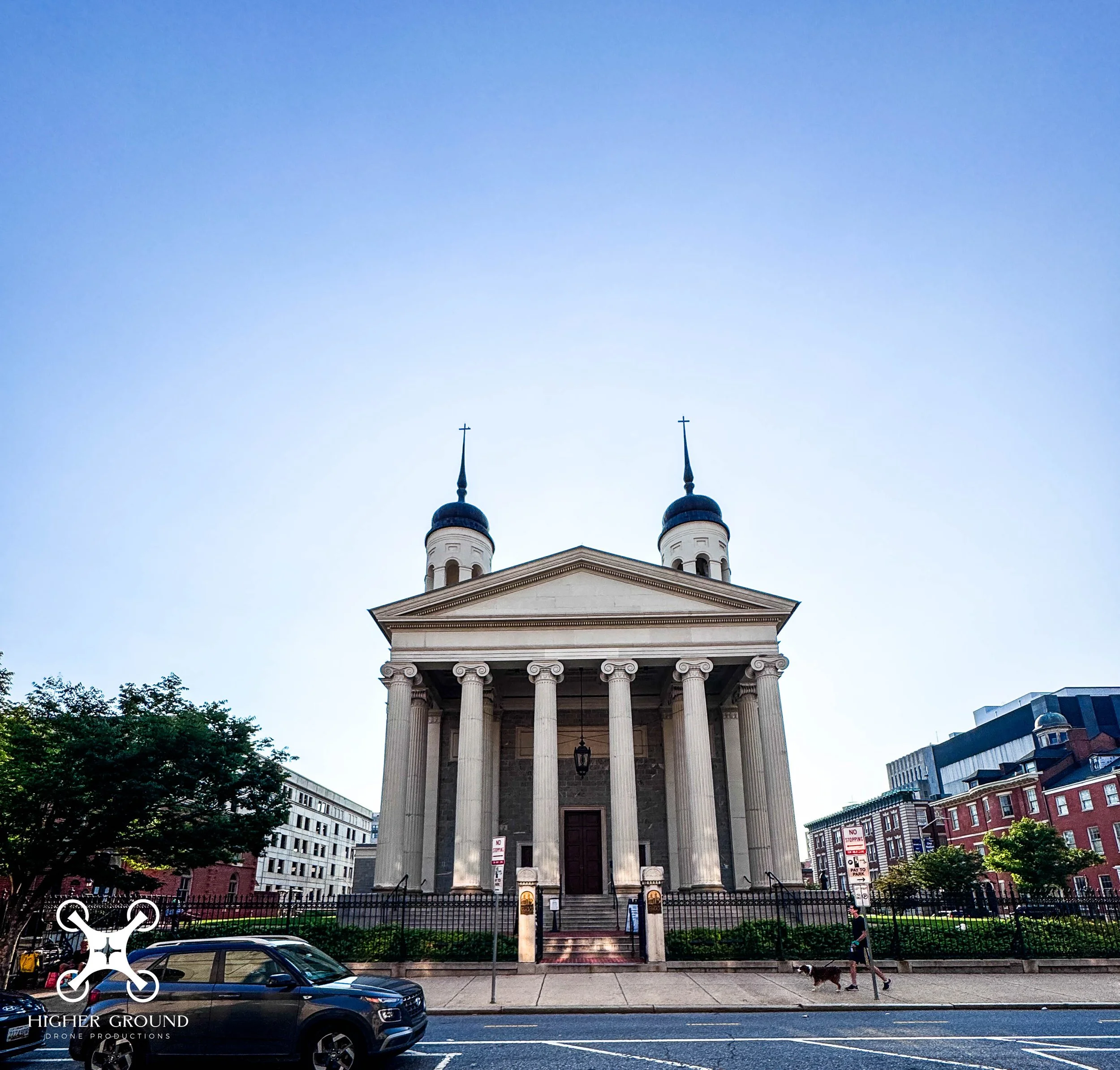
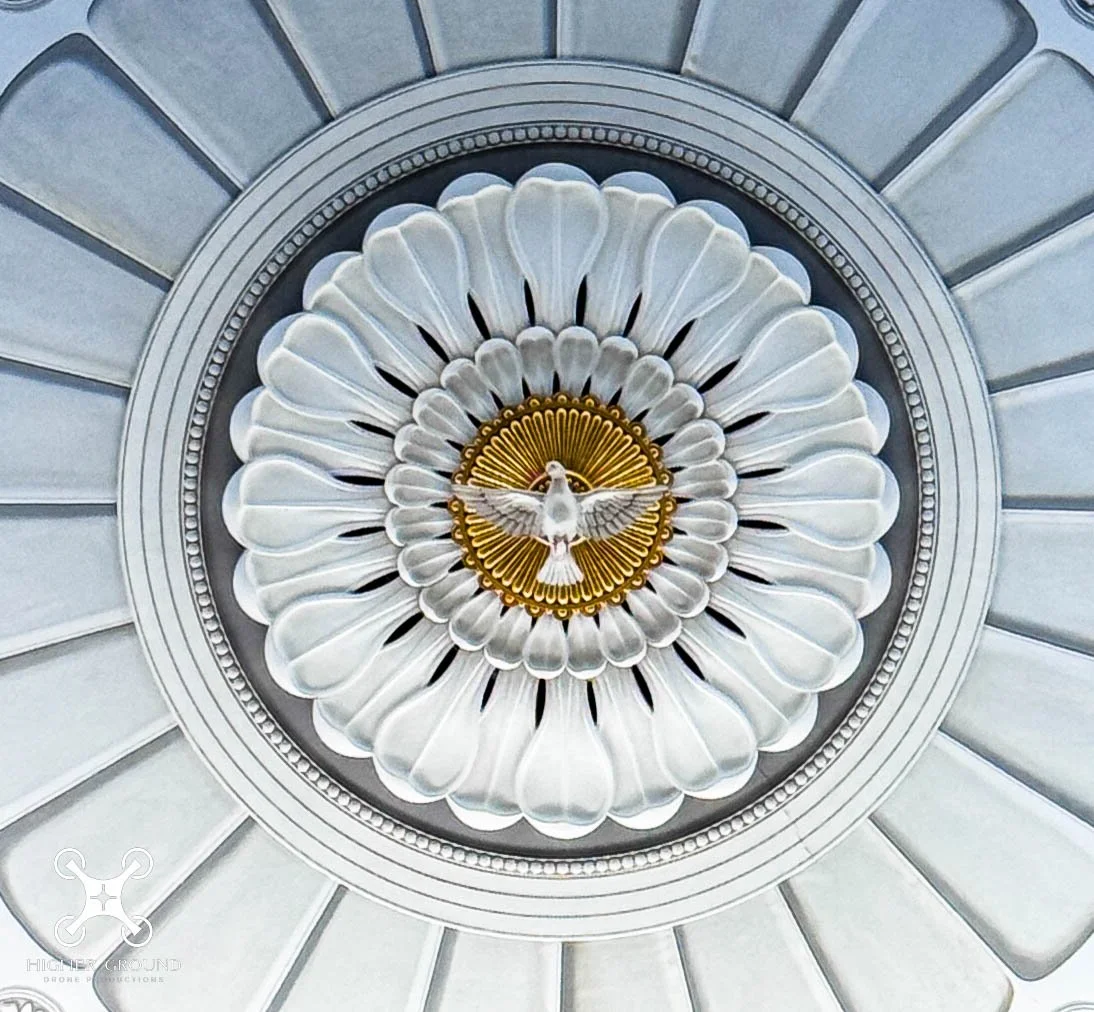
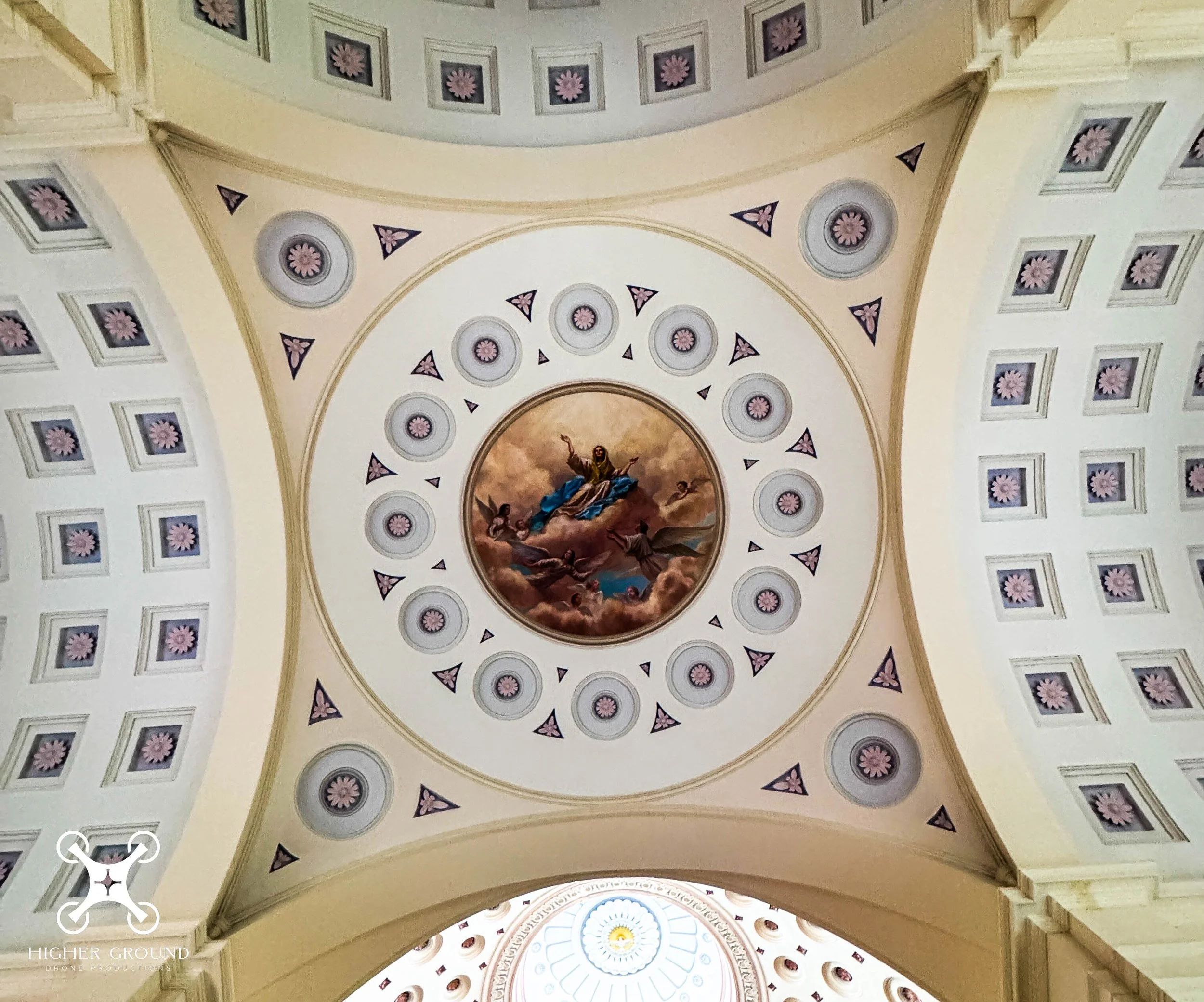
The basilica was built from 1806-1821. In 2006 the church underwent a major restoration that returned the church to its original historic design. The newly restored basilica shows a grand porch of Greek Ionic columns, a low, copper-covered dome and walls made of a hard silver-grey local stone called "Ellicott City granite."
As America’s first Catholic cathedral, the basilica has been the elder statesman of American Catholic history, hosting significant events and high profile visitors including Saint (Mother) Teresa of Calcutta and Pope St. John Paul II, who called the building “the worldwide symbol of religious freedom.”