Stave Church Hjemkomst Center- Moorhead Minnesota
Stave Church Hjemkomst Center- Moorhead Minnesota
Stave churches were built in and around Scandinavia from the Viking Age (11th - 12th century CE) to the beginning of the Early Modern Period (1500 CE). The technique of using vertical posts - or staves - to construct massive wooden buildings had been modified over time through several artistic and architectural waves and eventually became an iconic European art form.
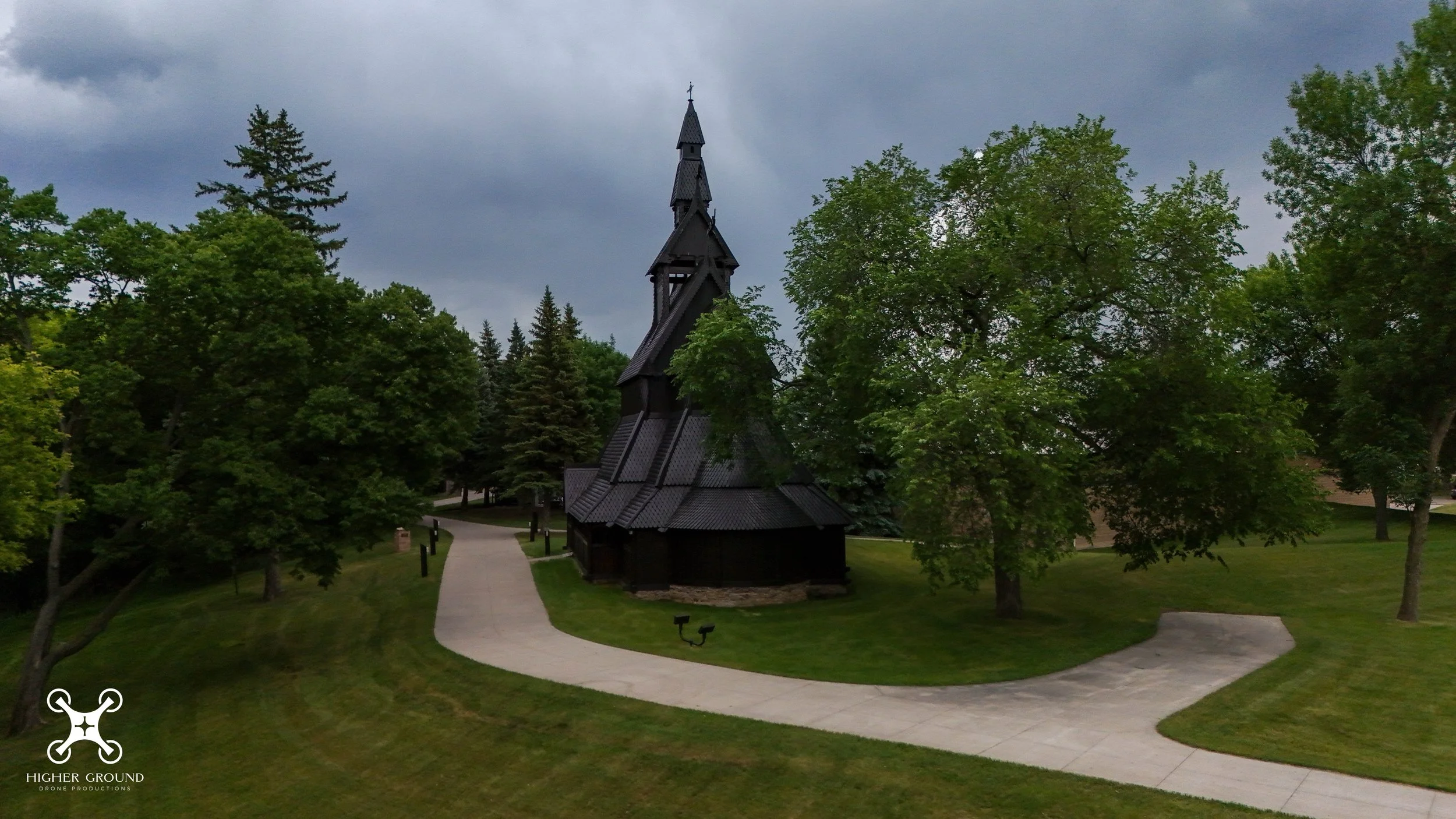
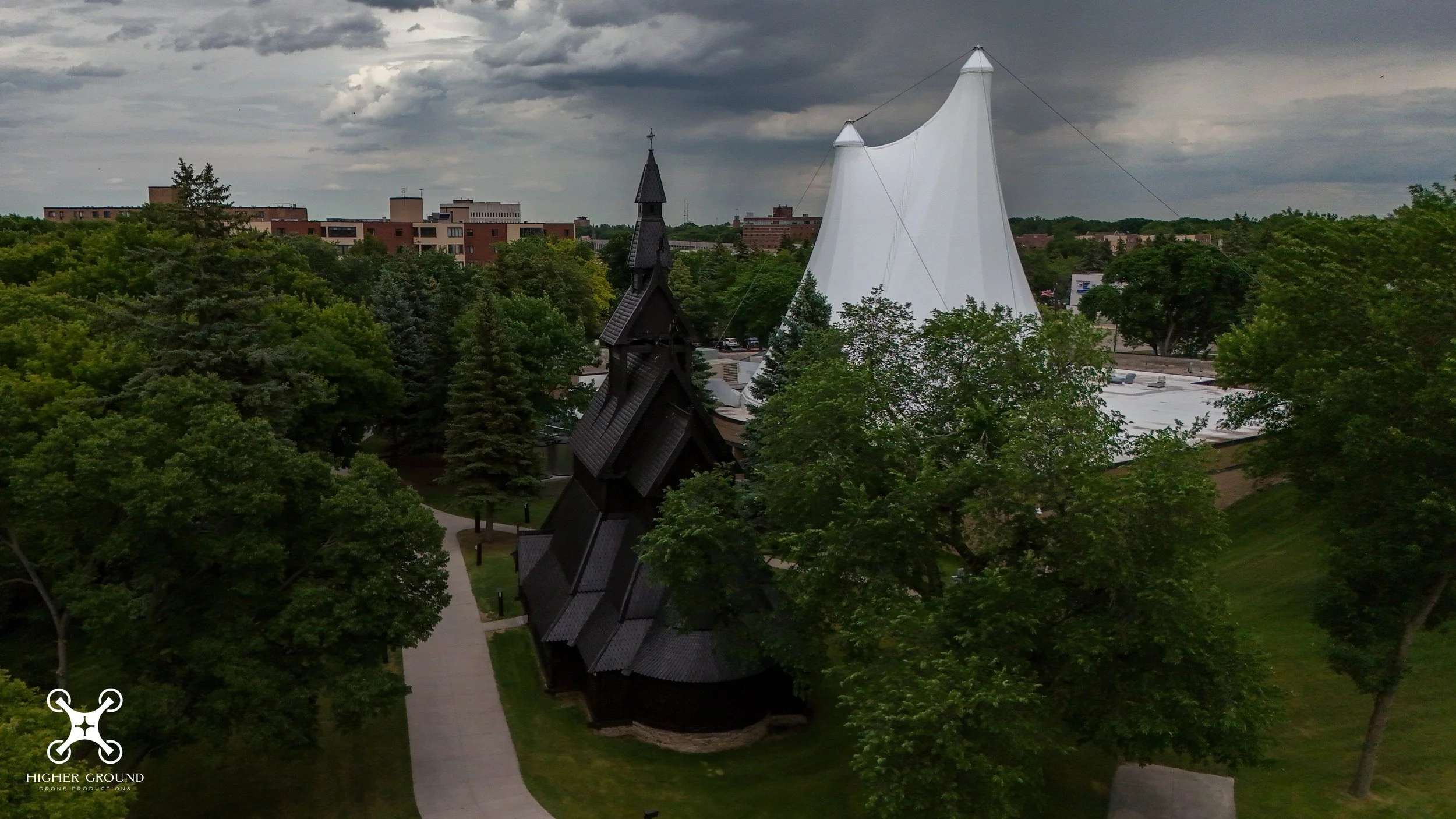
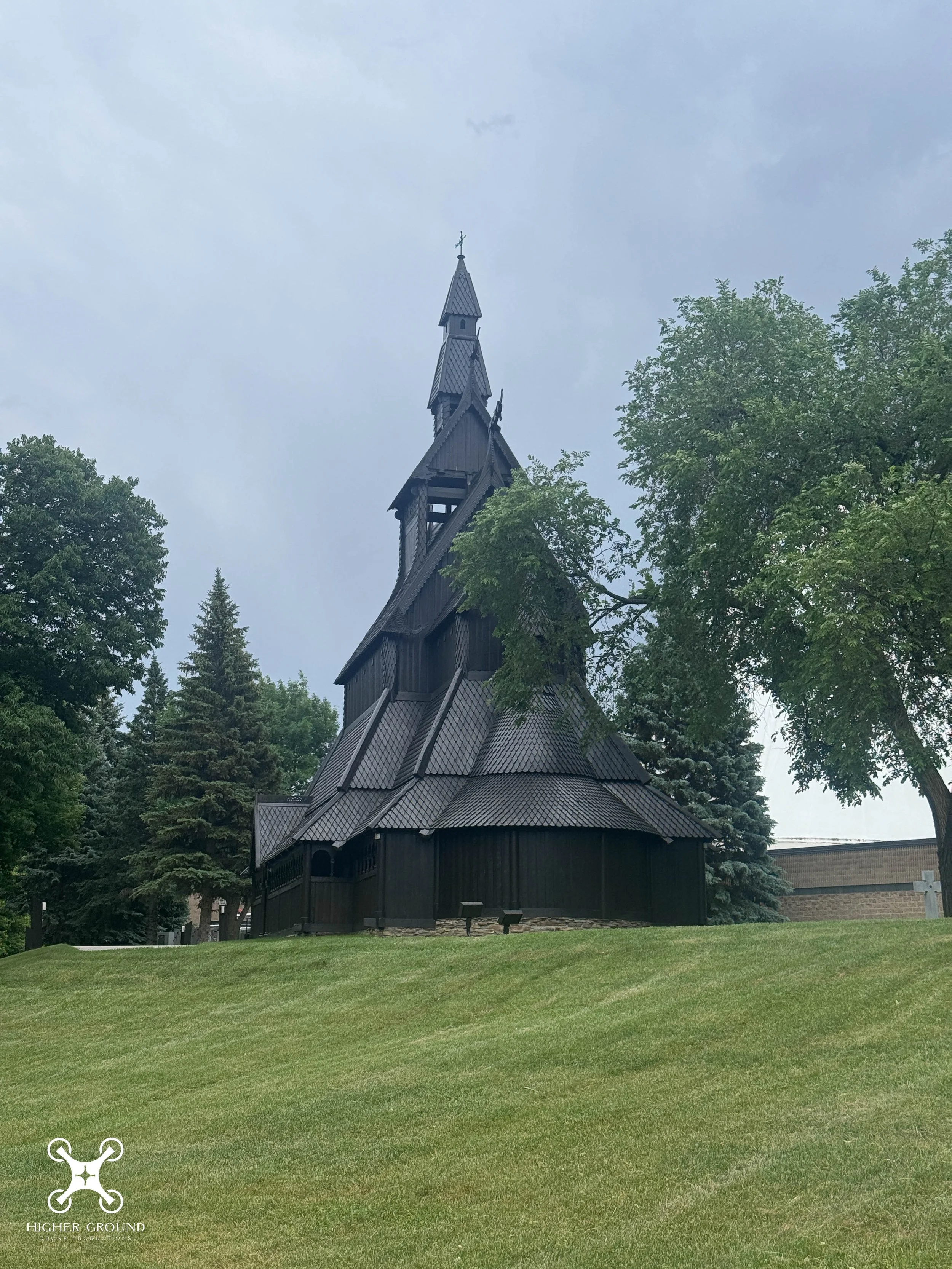
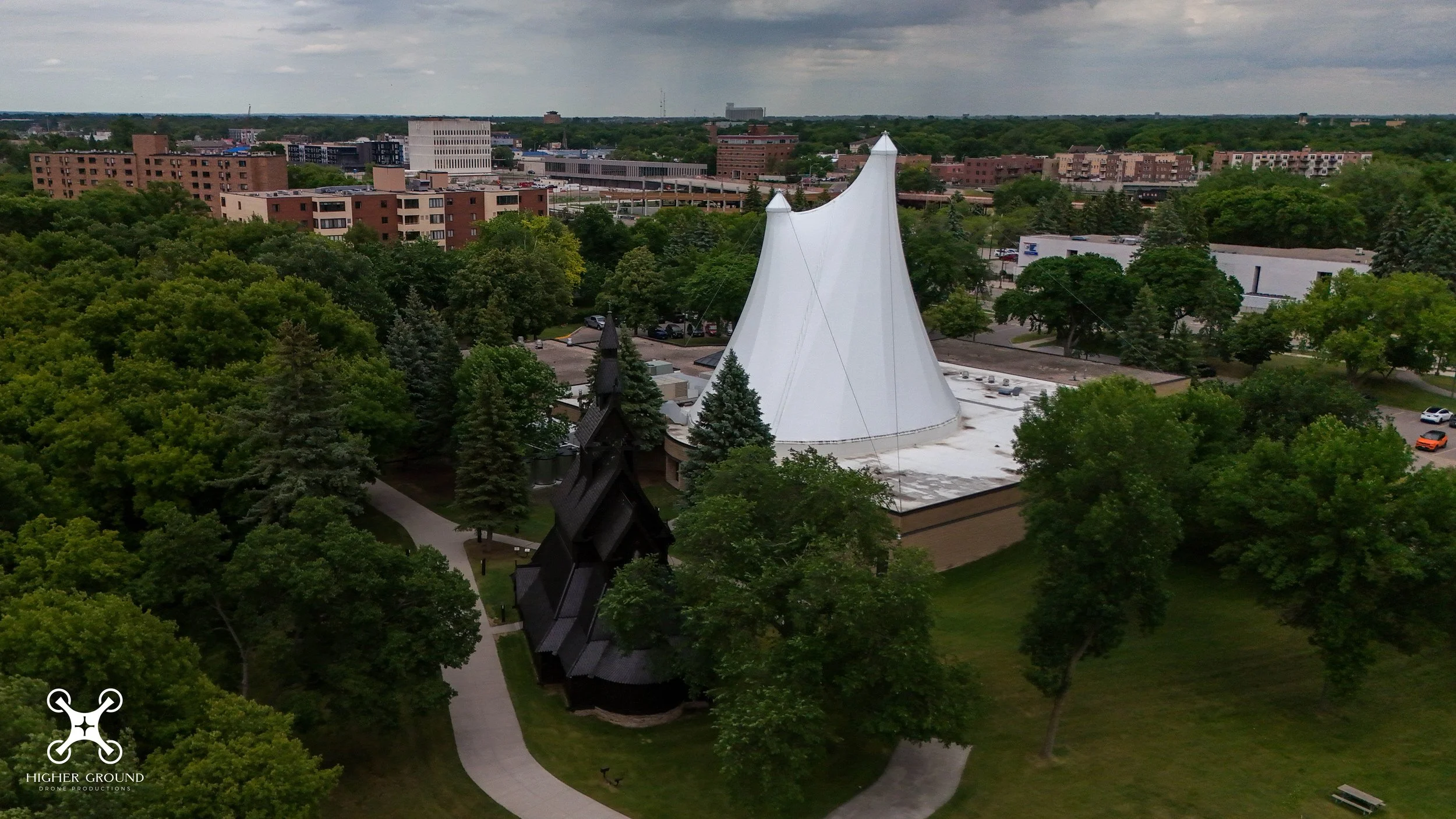
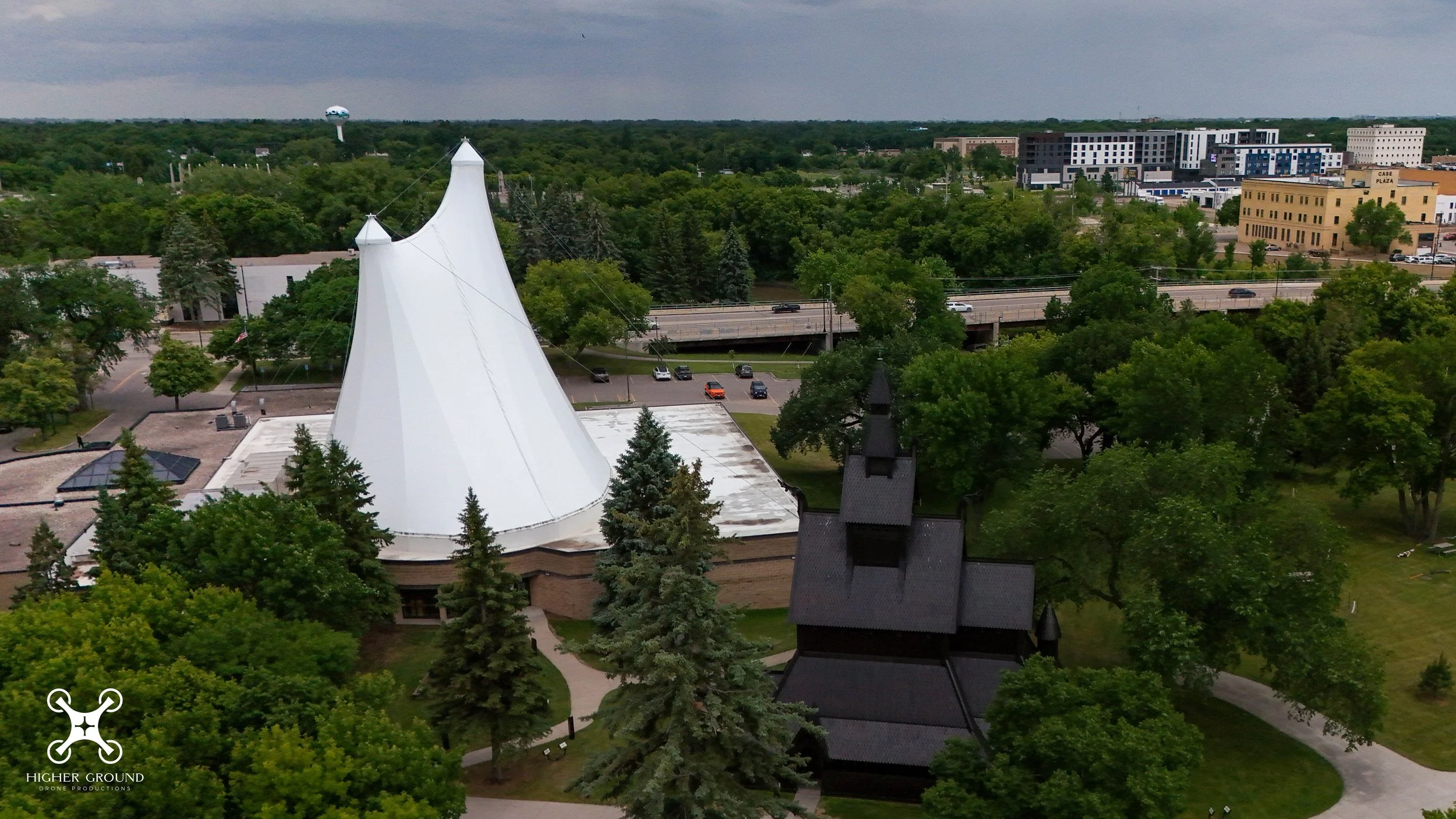
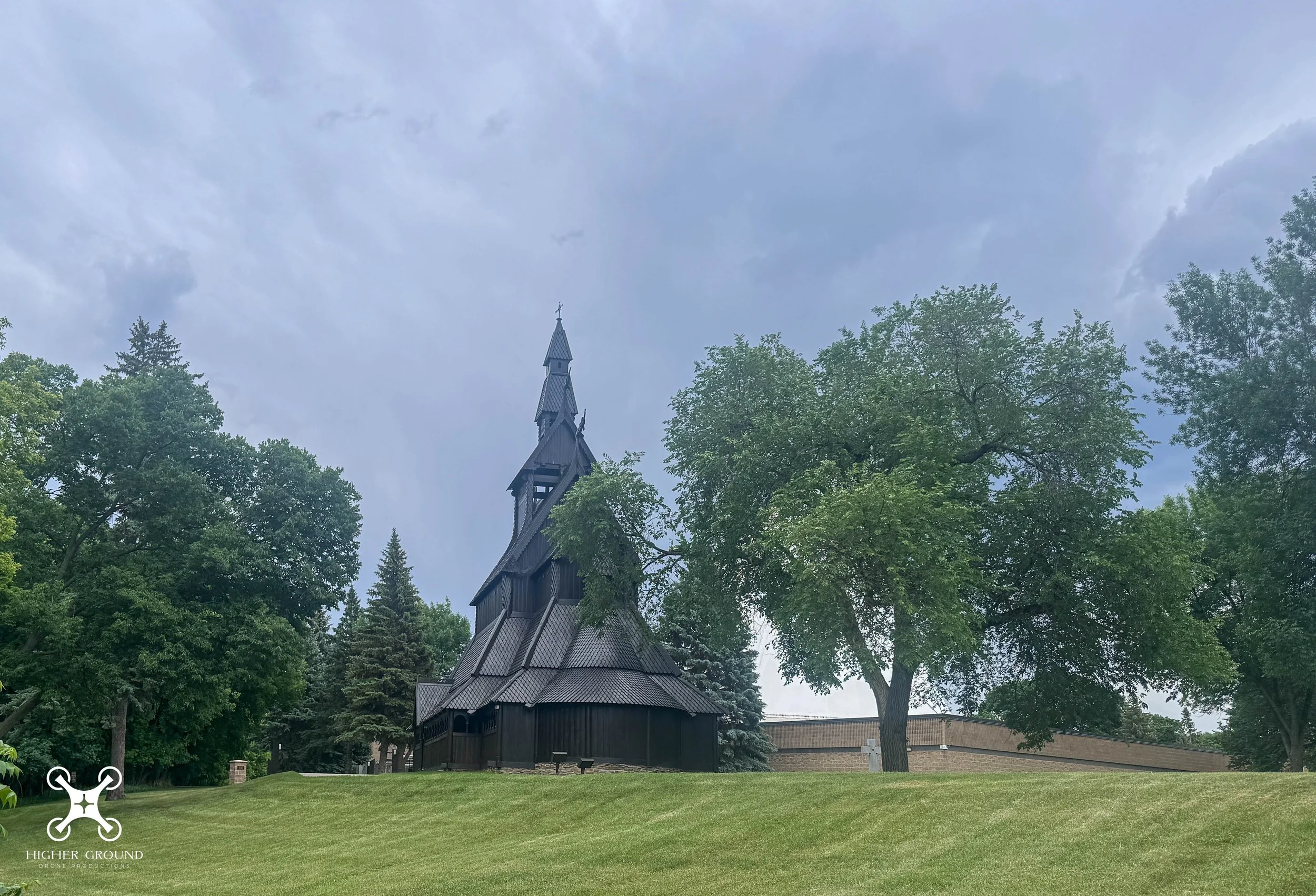
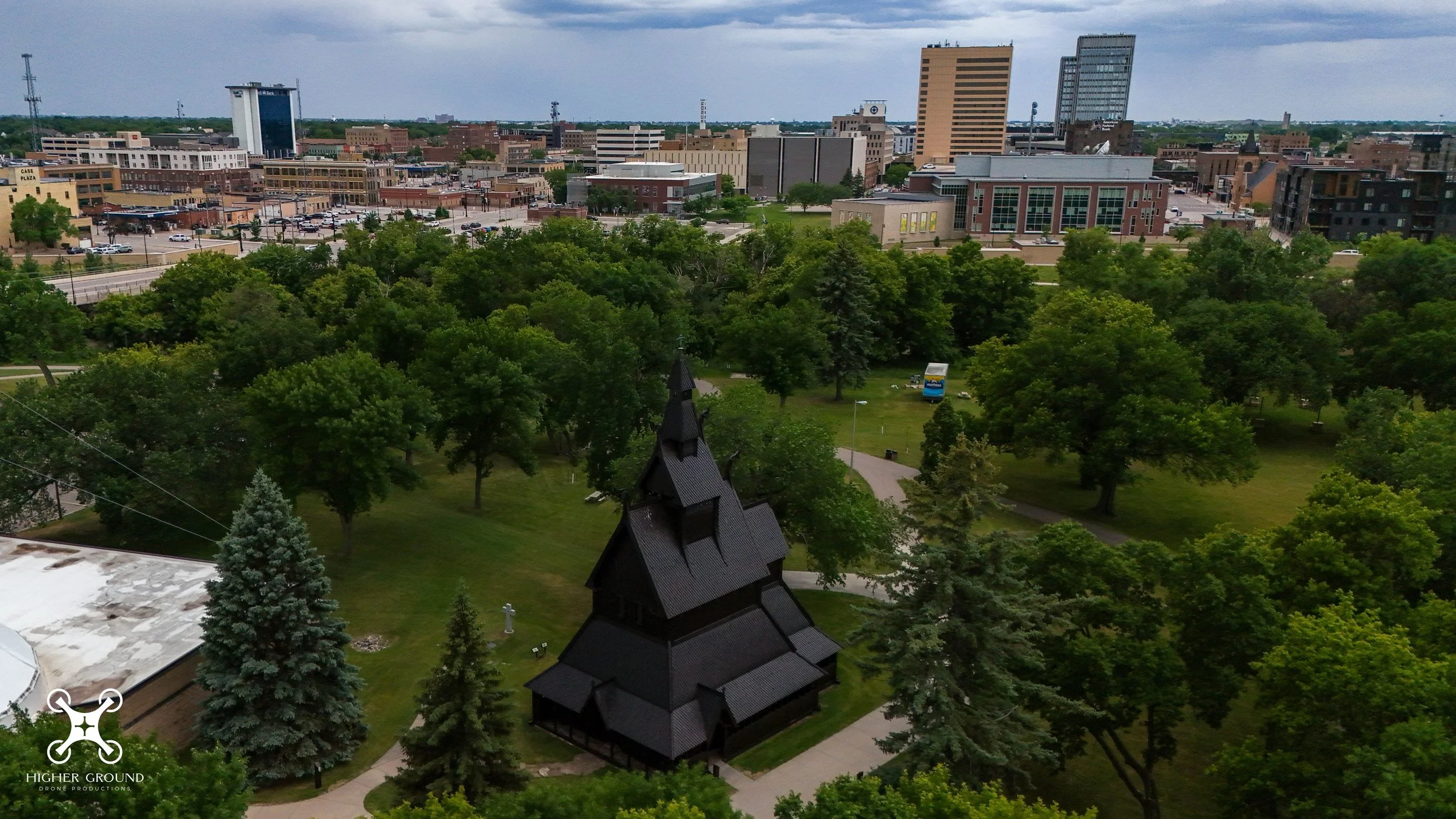
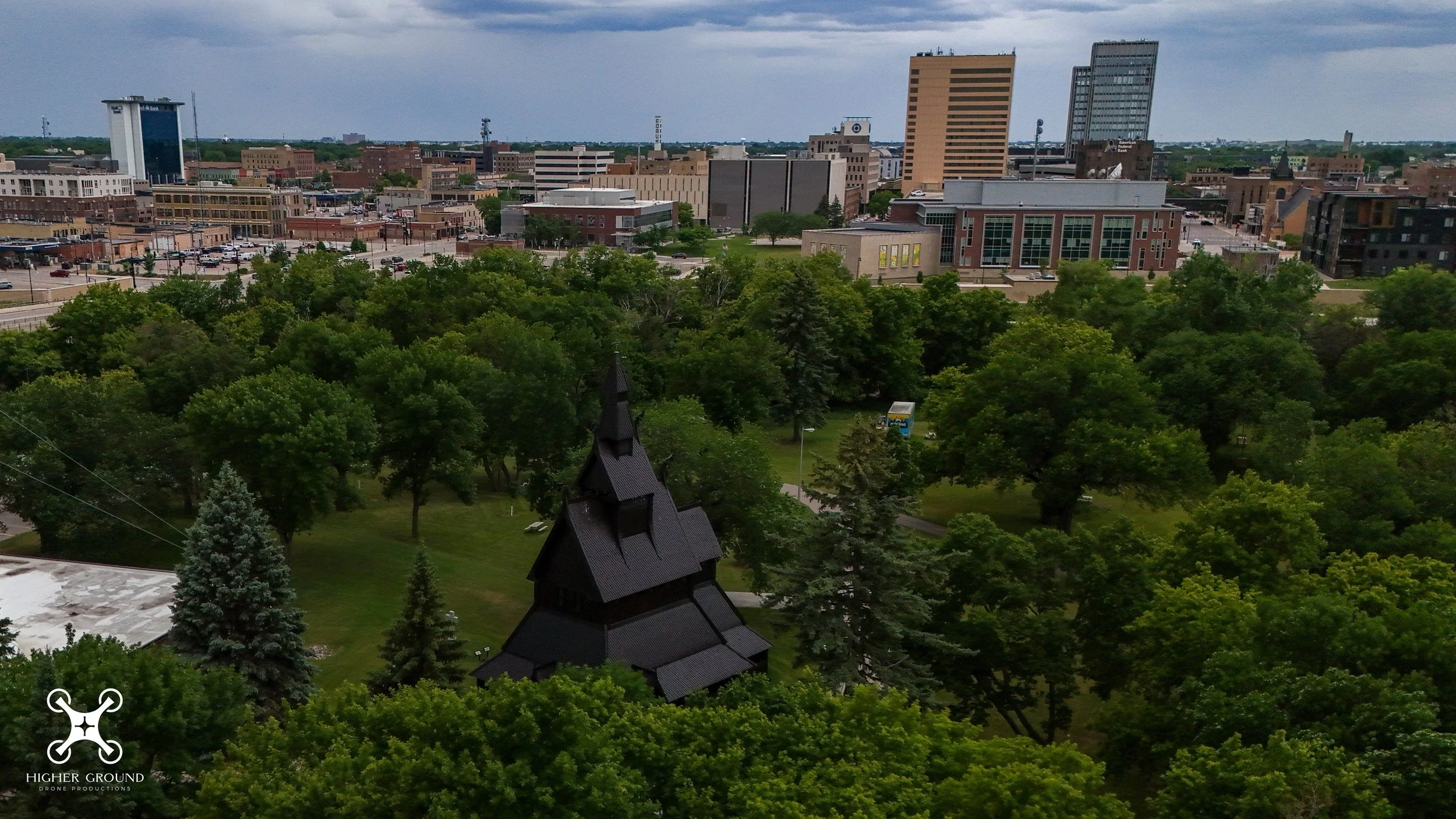
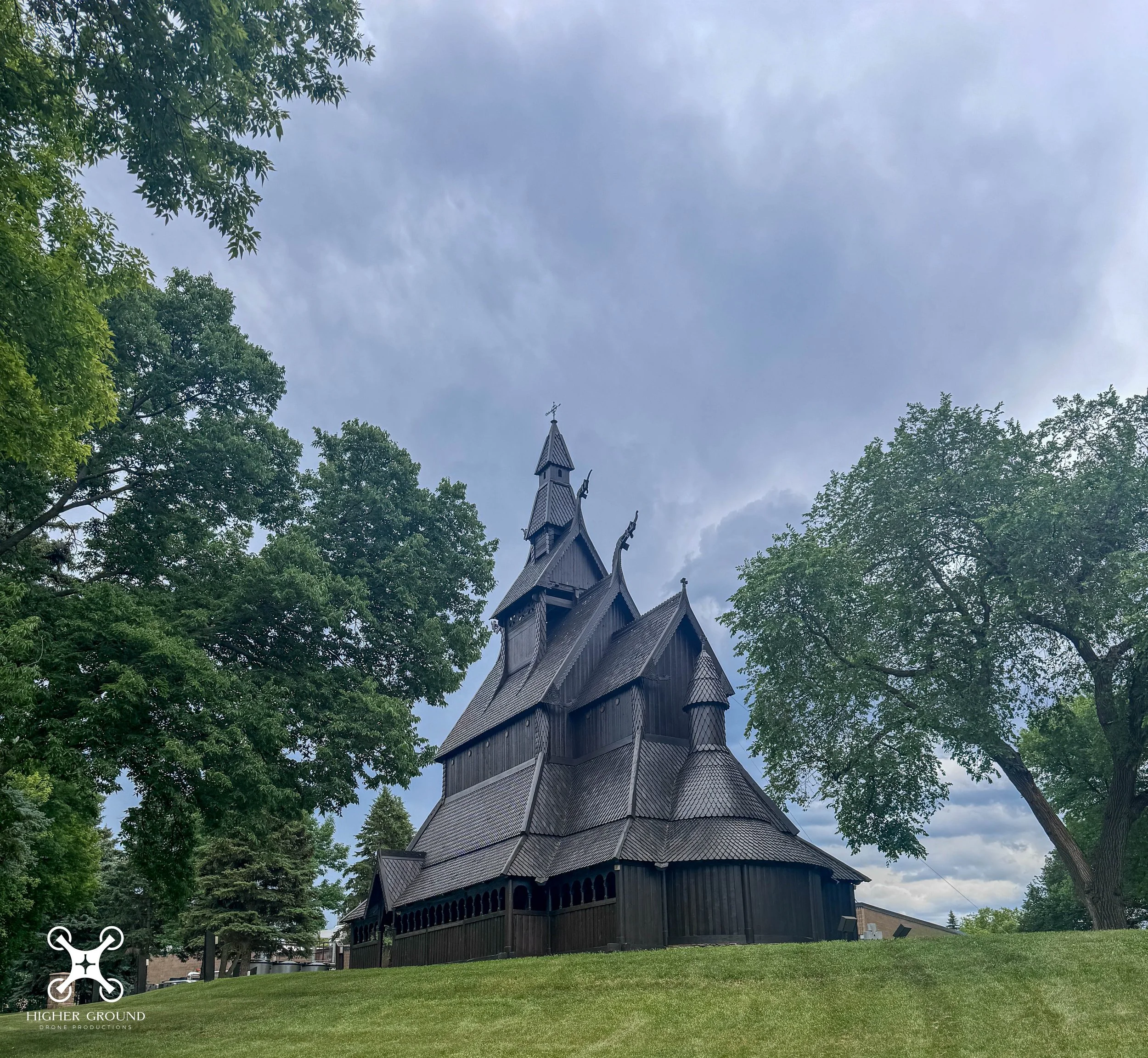
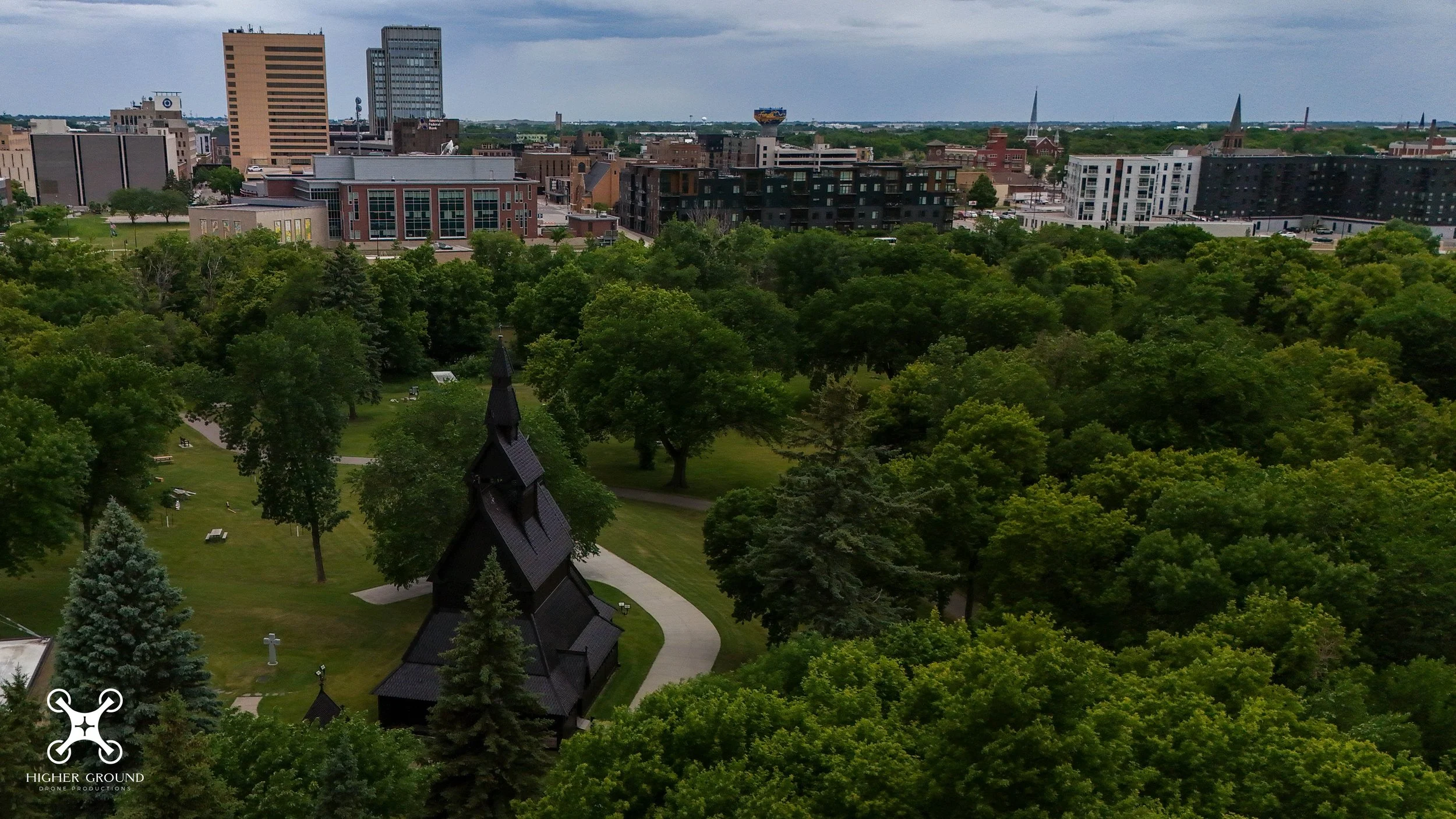
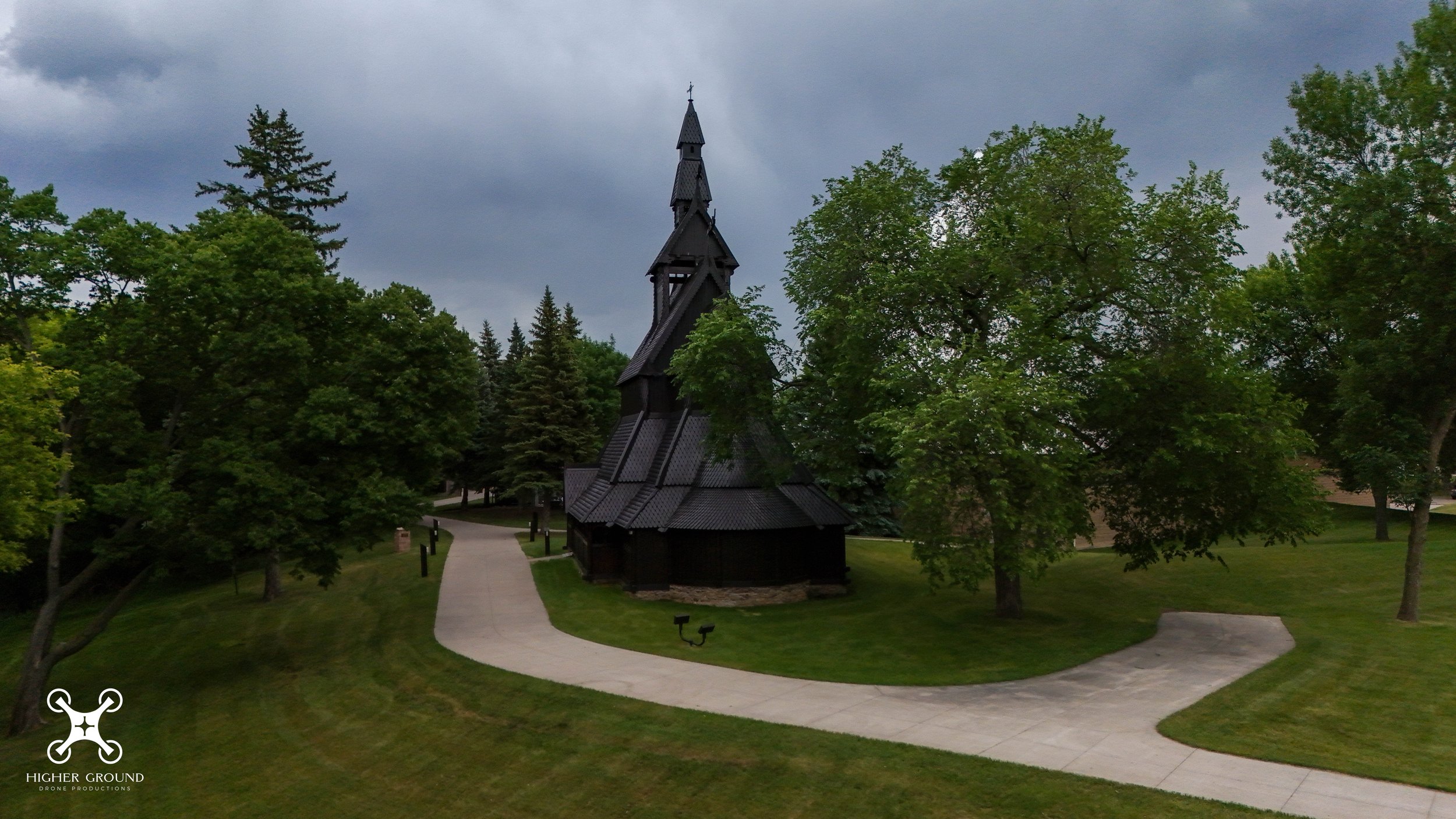
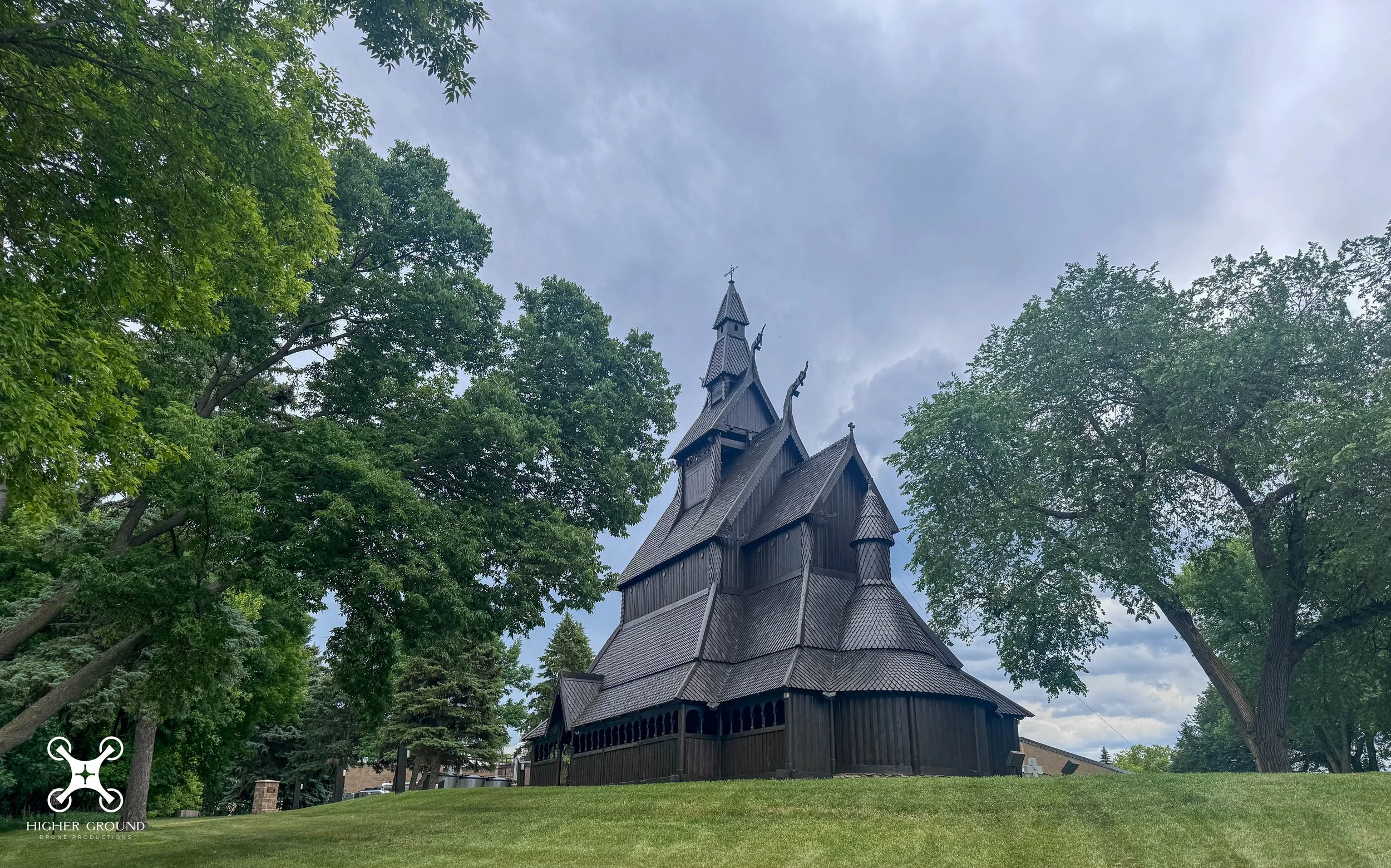
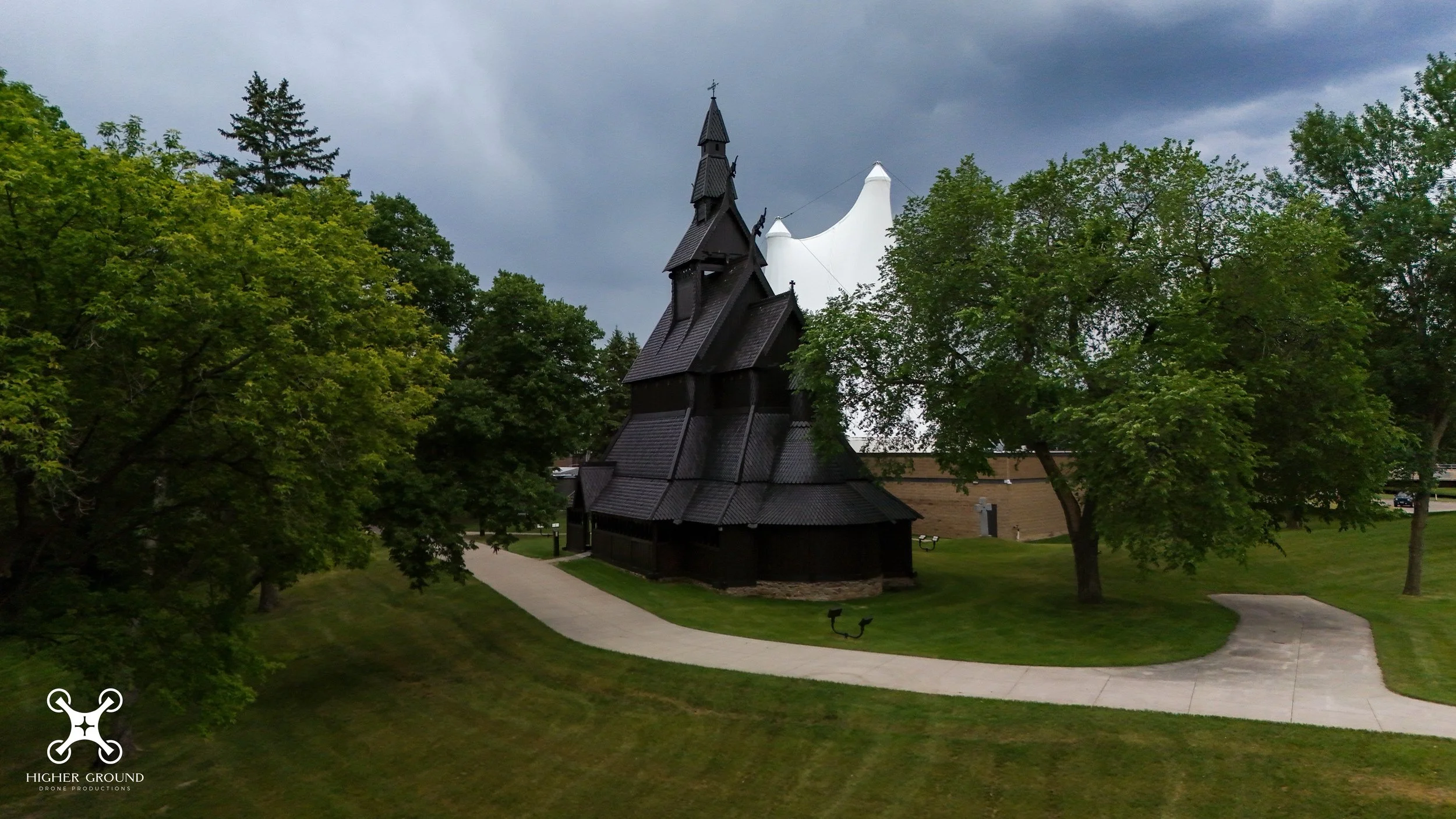
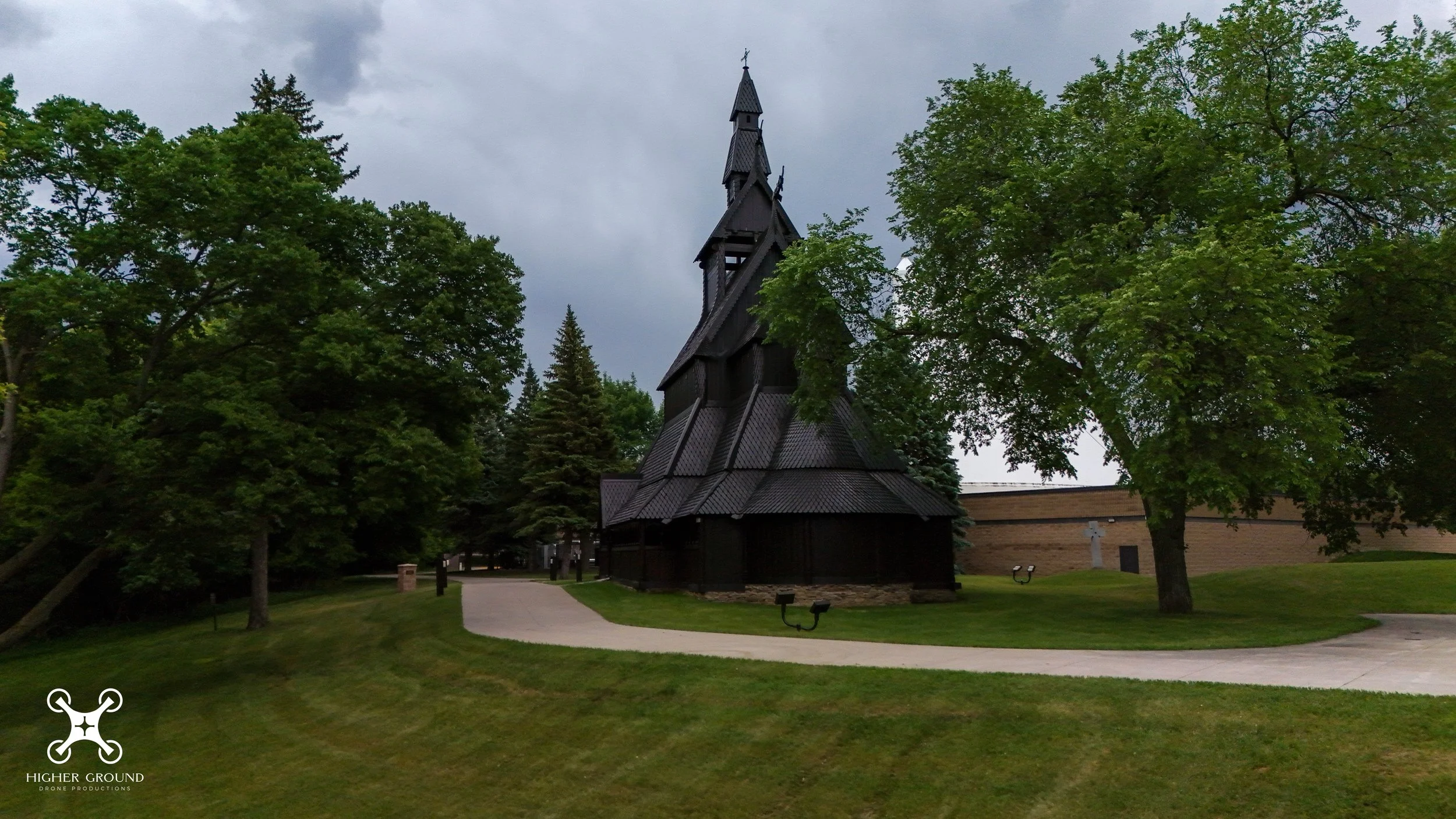
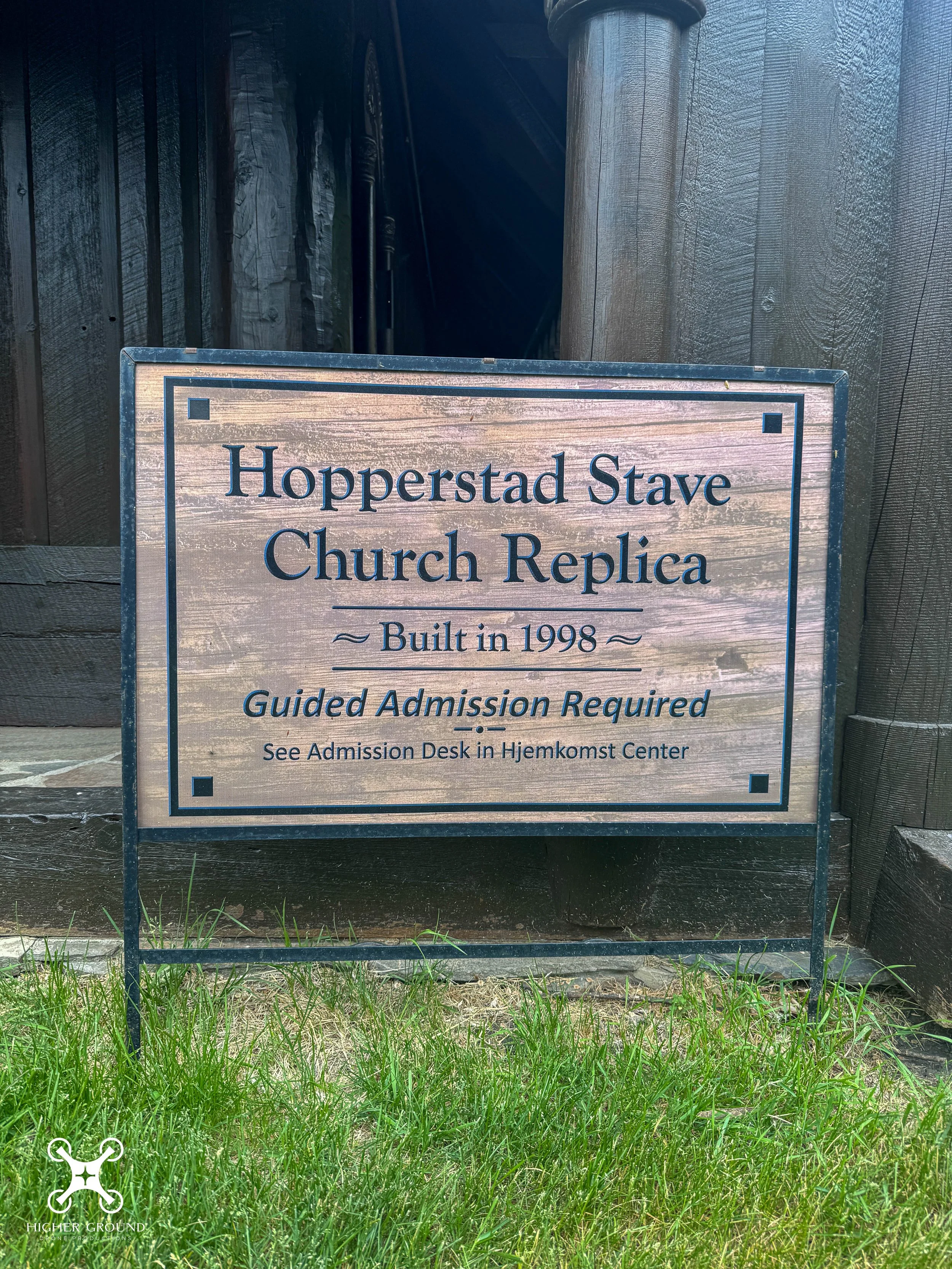
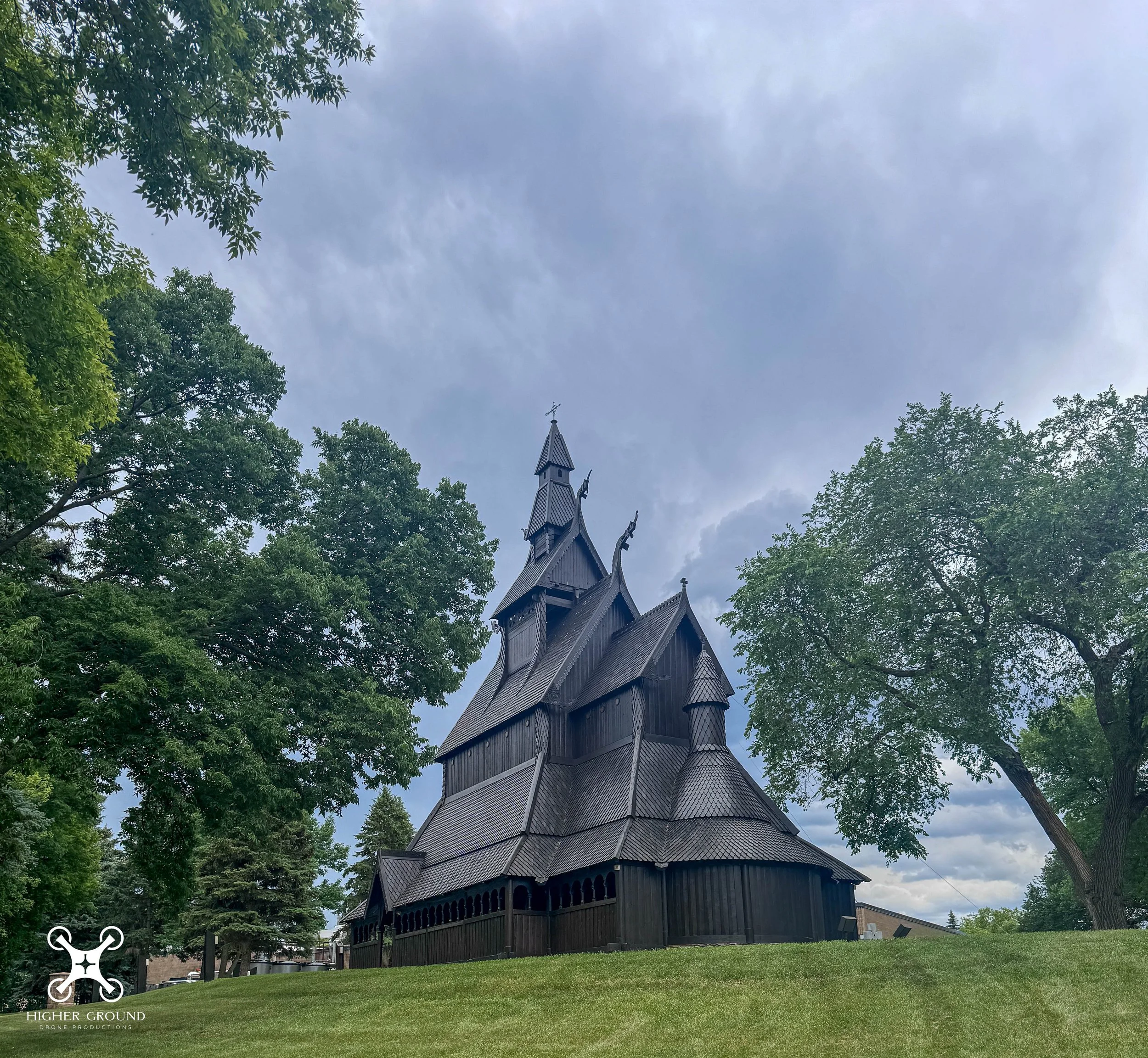
The Moorhead Stave Church is a full-scale replica of the Hopperstad Stave Church located in Vik, Norway.
Built between 1996 and 2001, the Hopperstad Stave Church Replica in Moorhead, Minnesota, stands as a testament to Norwegian culture and heritage in the Midwest. It also serves as a useful educational tool to the local community, particularly in understanding the culture of Scandinavian immigrants who moved into the Red River Valley in the late 19th and early 20th centuries.
Conversion to Christianity in Norway occurred by royal decree at the end of the Viking Age. Despite the declaration, many Norwegians still practiced their traditional religion, which had produced few worship structures and instead recognized sacred sites found in nature. Many of those same sites were used to build these new Christian stave churches that blended together old and new, pagan and Christian, in a unique style.
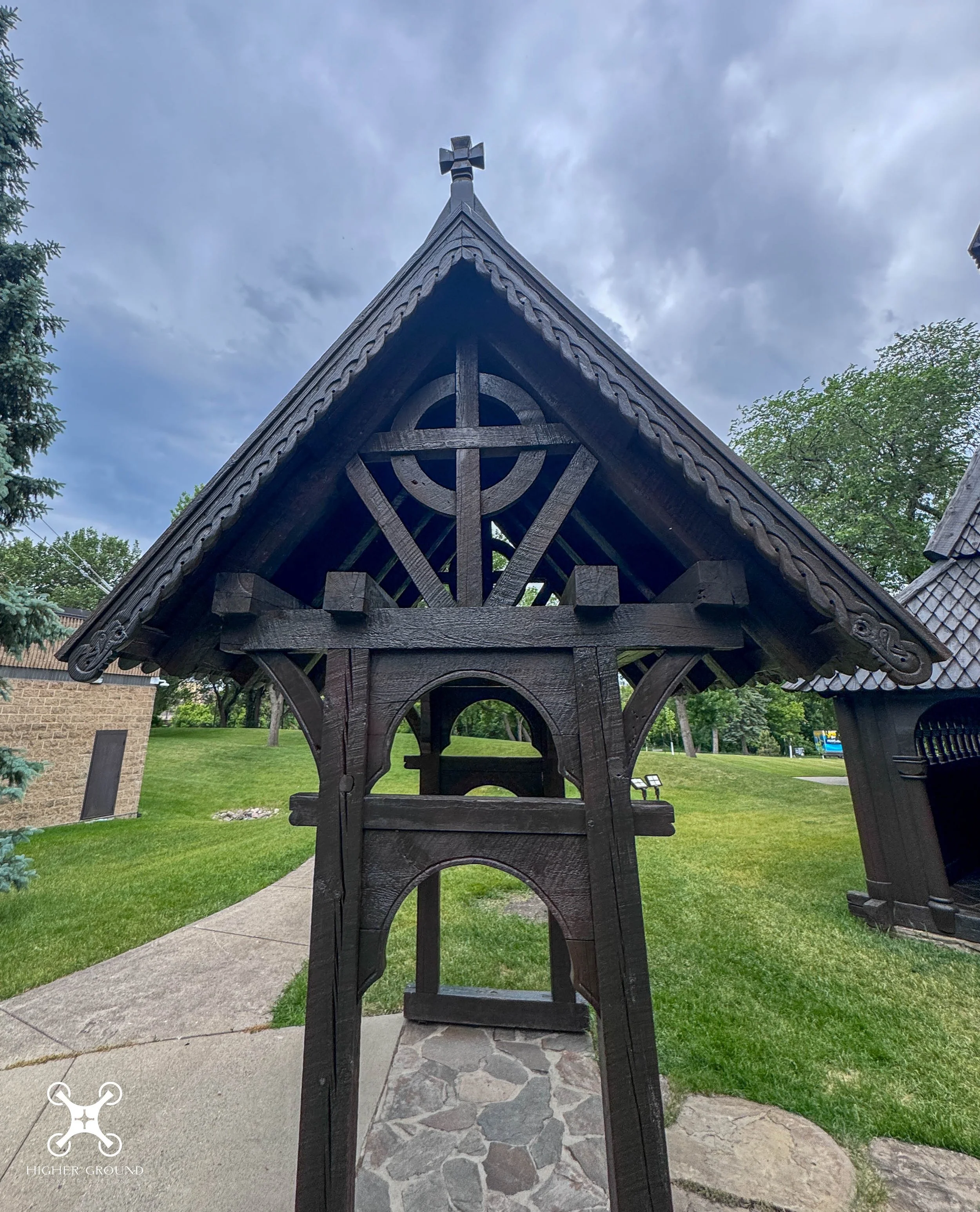
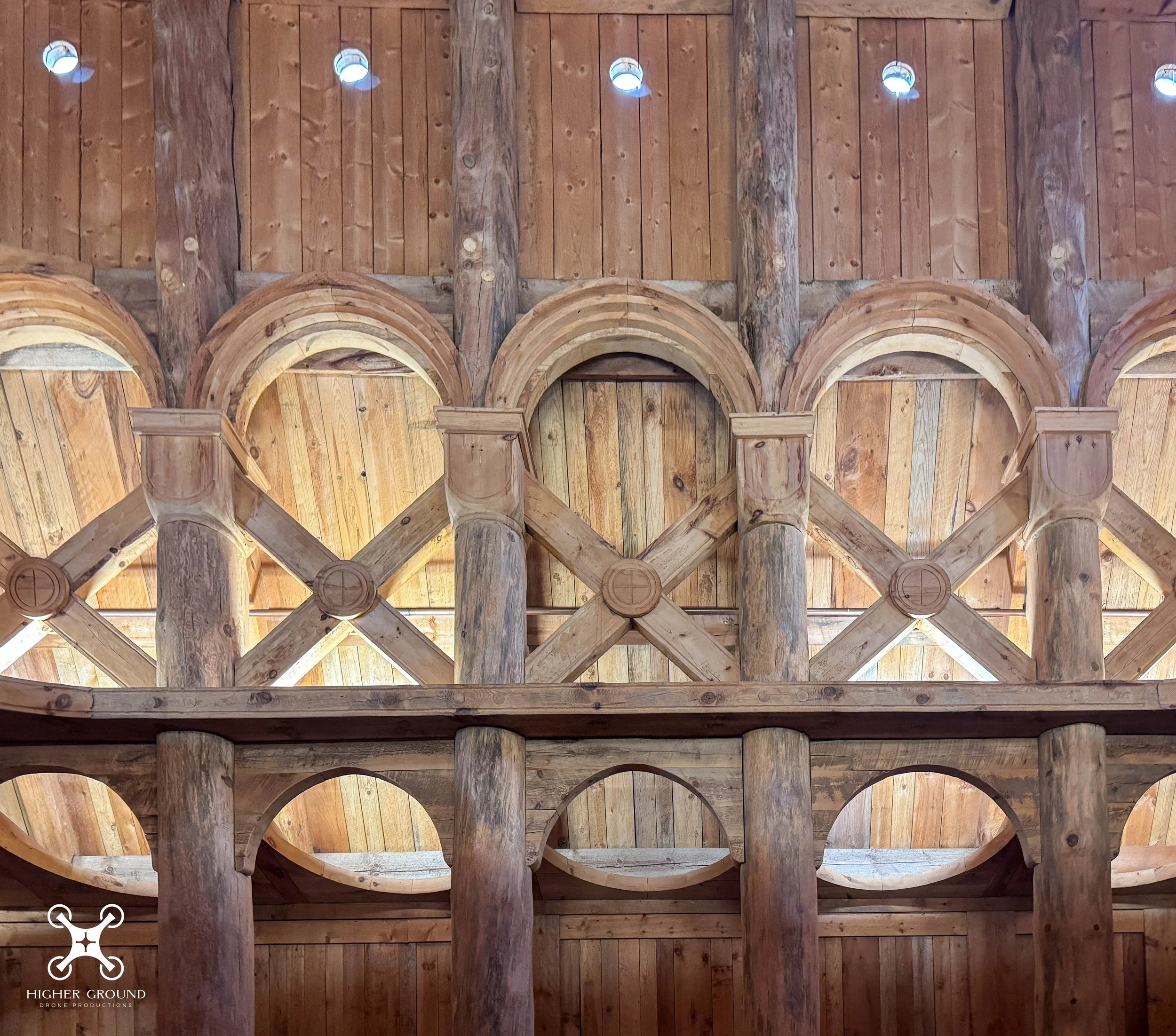
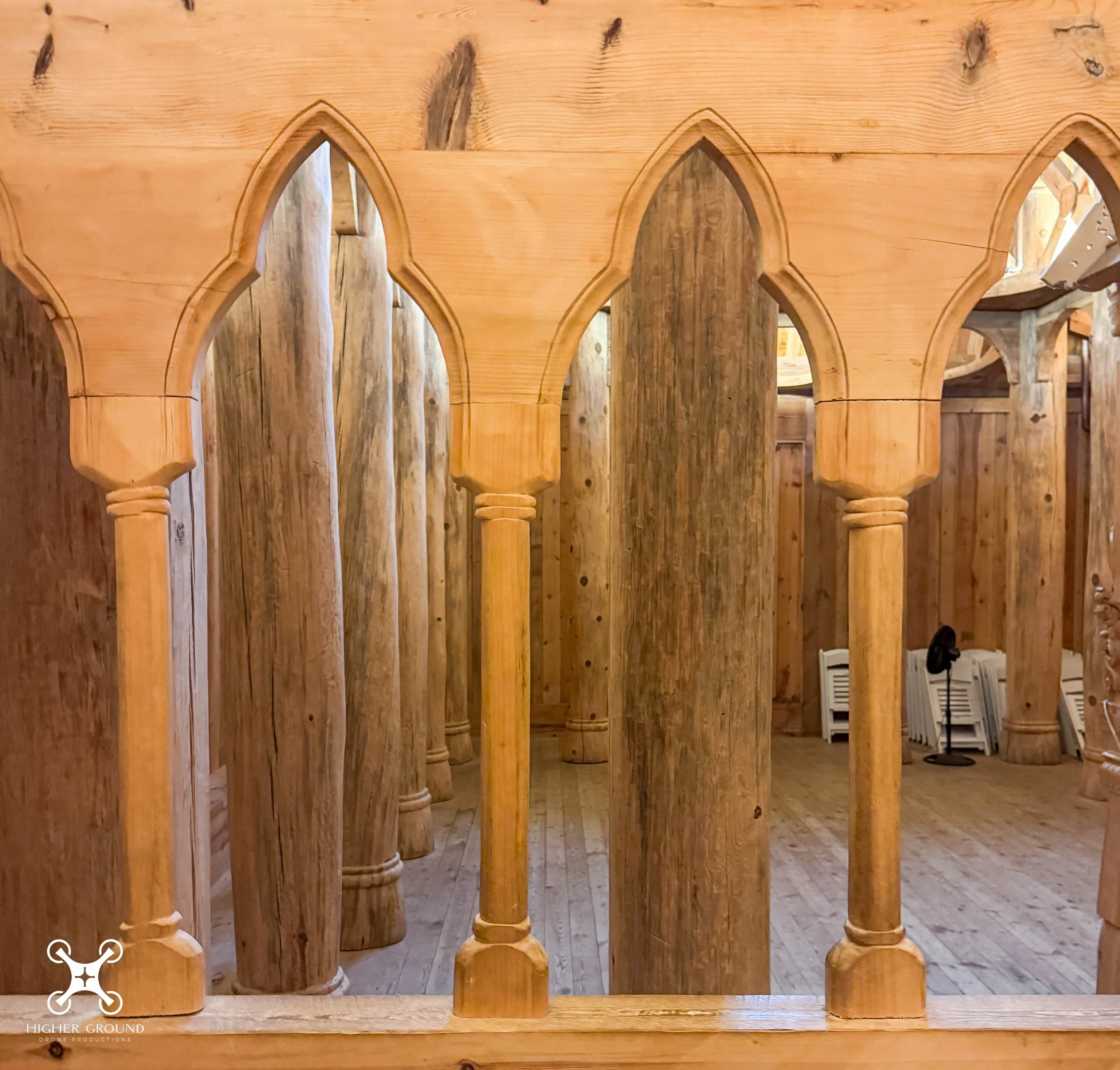
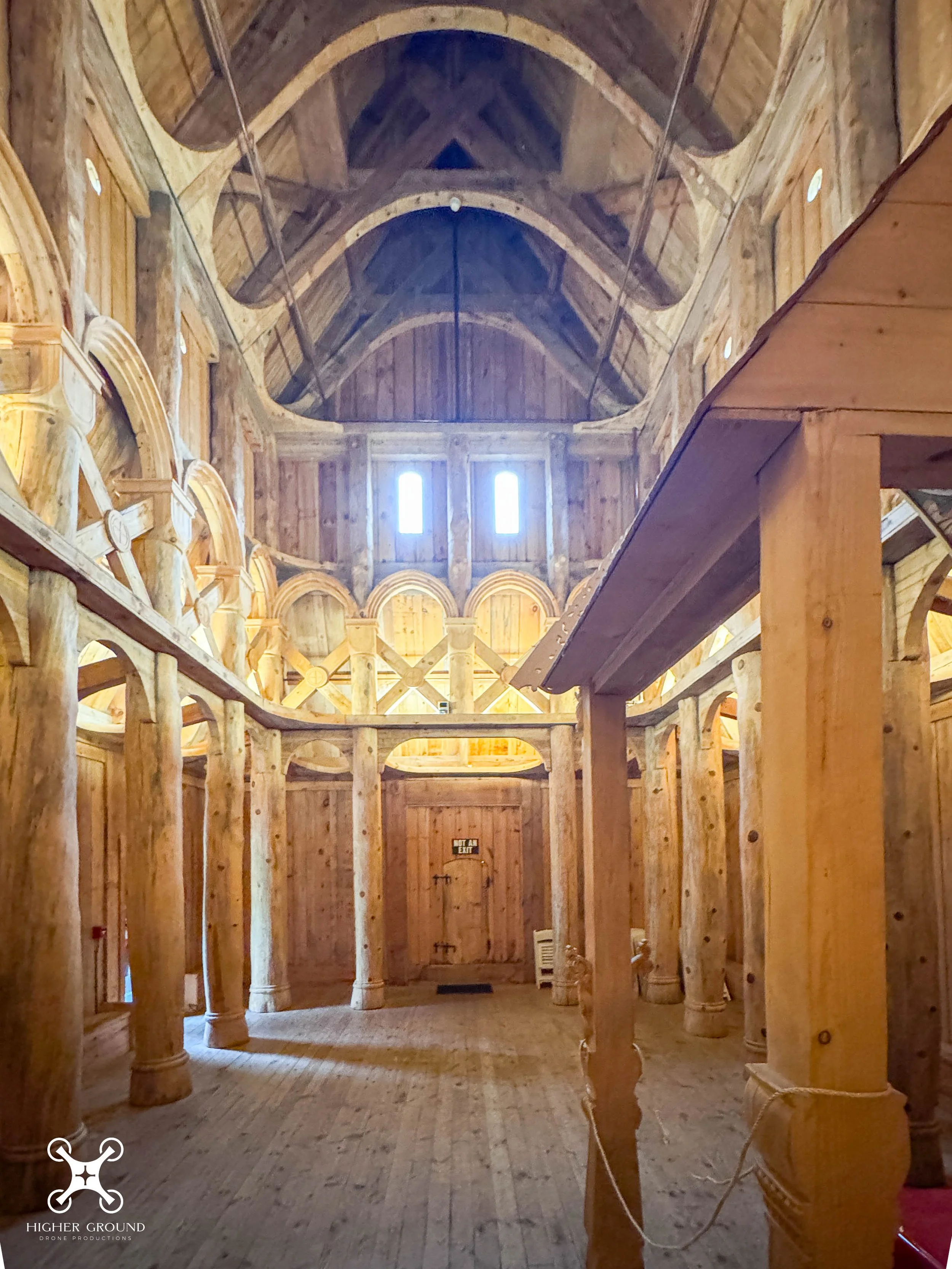
Scandinavian stave churches were built during the twelfth and thirteenth centuries. The name comes from the support pillars (staves) in their interiors. Structurally, stave churches combine a Catholic, medieval, basilica-style church and a traditional Scandinavian log building. Stylistically, dragons—pagan guards against evil—have their place next to religious art and crucifixes. Between 900 and 1000 stave churches were built in Norway.
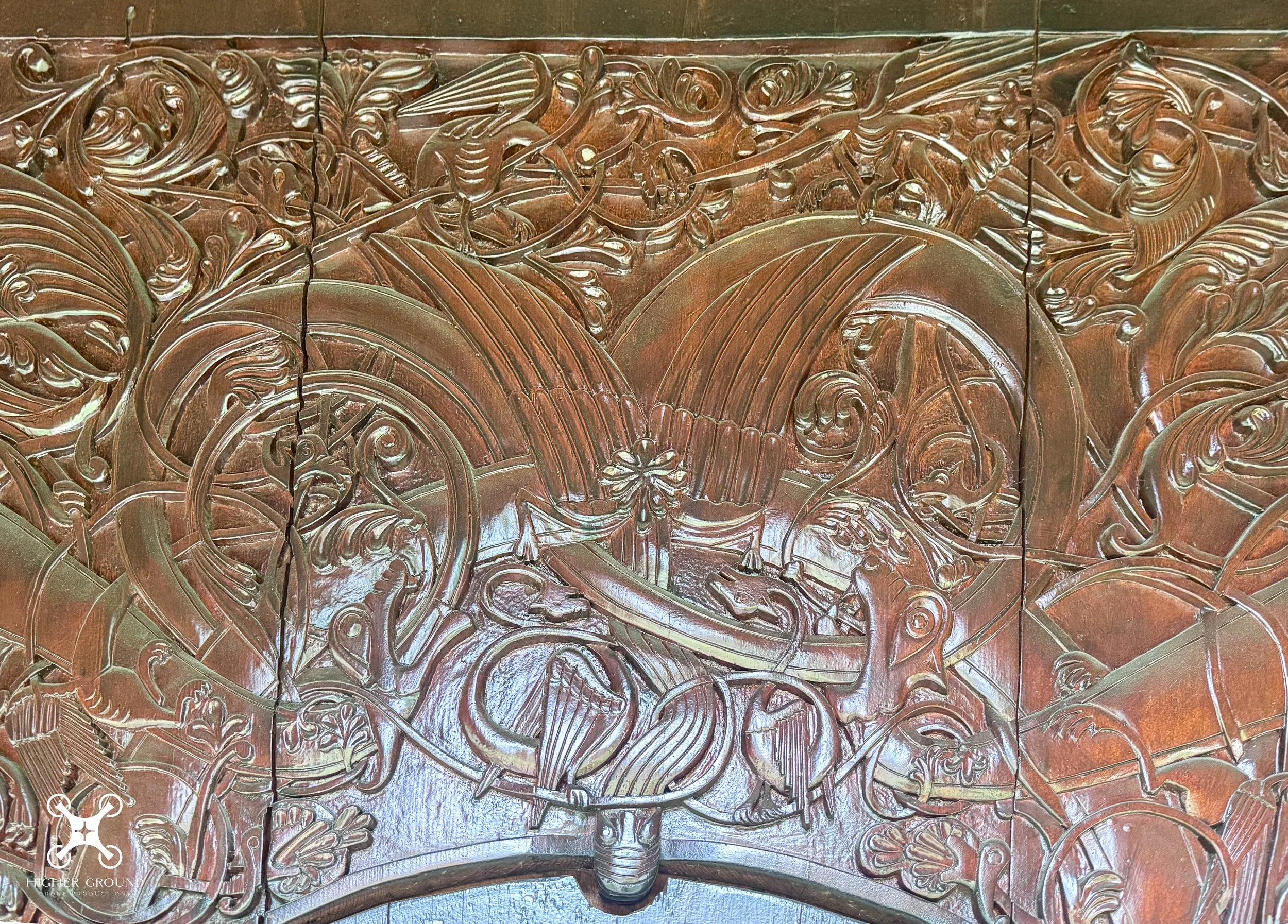
As of 2017, twenty-eight stave churches remain in Norway. One of these is the Hopperstad Stave Church, which for nearly 900 years has stood on the outskirts of Vik. It was this church that Guy Paulson chose to replicate in the 1990s. It was decided in June of 1996 that the church would have a home at the Hjemkomst Center in Moorhead. The Center was already the home of the Hjemkomst Viking ship replica, which had sailed to Norway in 1982 and partially inspired the church project. After the decision, Paulson began the ornate carvings that would decorate the interior and exterior of the church, and pine trees were cut for materials. Construction on the main structure began in August 1997, with the first two staves being placed in October of that year. The replica was built on-site and dedicated in 1998 when it was nearly complete. Visitors from Vik came for the ceremony bearing gifts. The replica was given to the City of Moorhead as a gift. The church was far from complete, however; Paulson took another three years to complete the ornamental carvings. In total, five and a half years went into the construction of the Hopperstad Stave Church Replica.
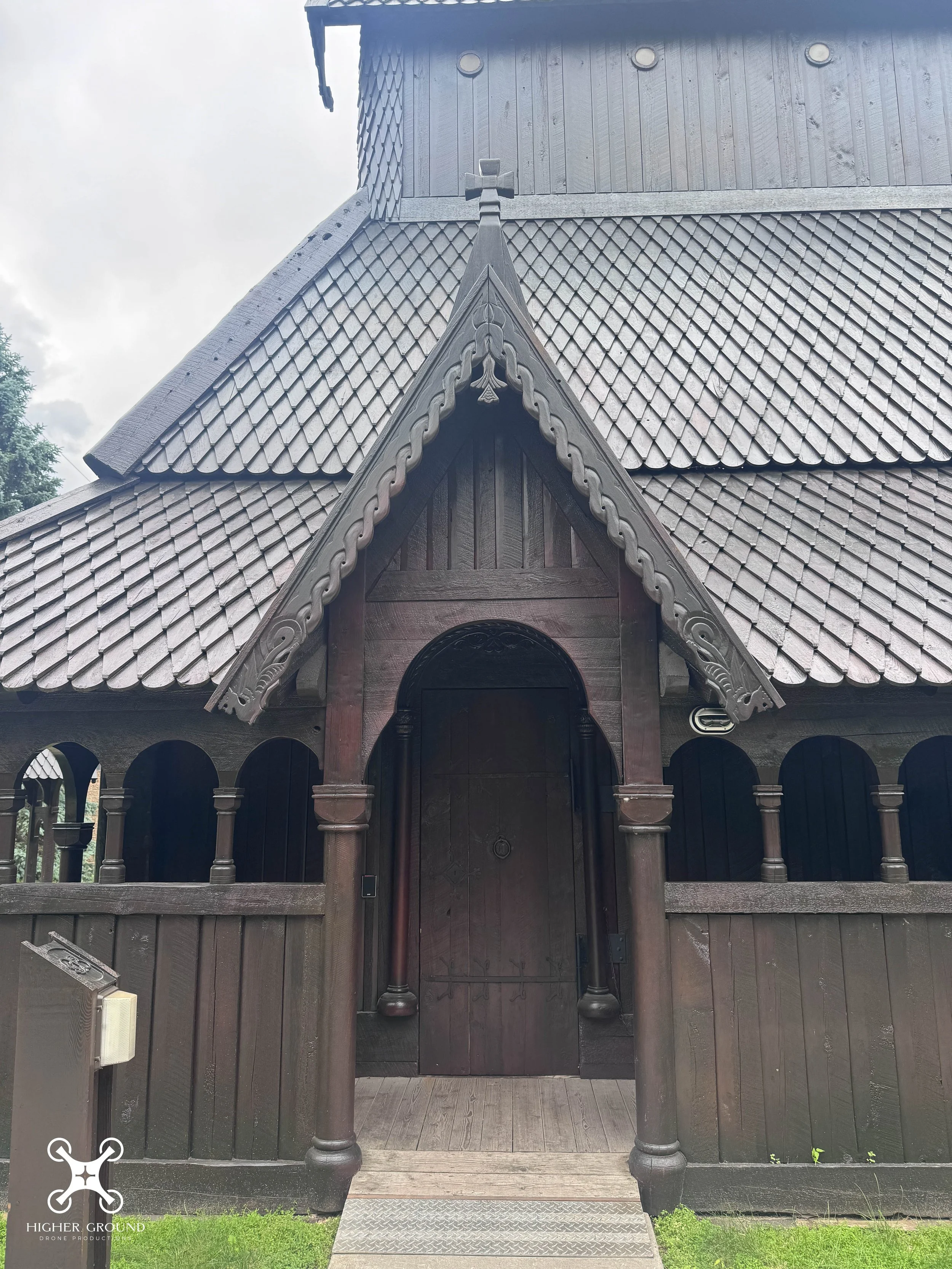
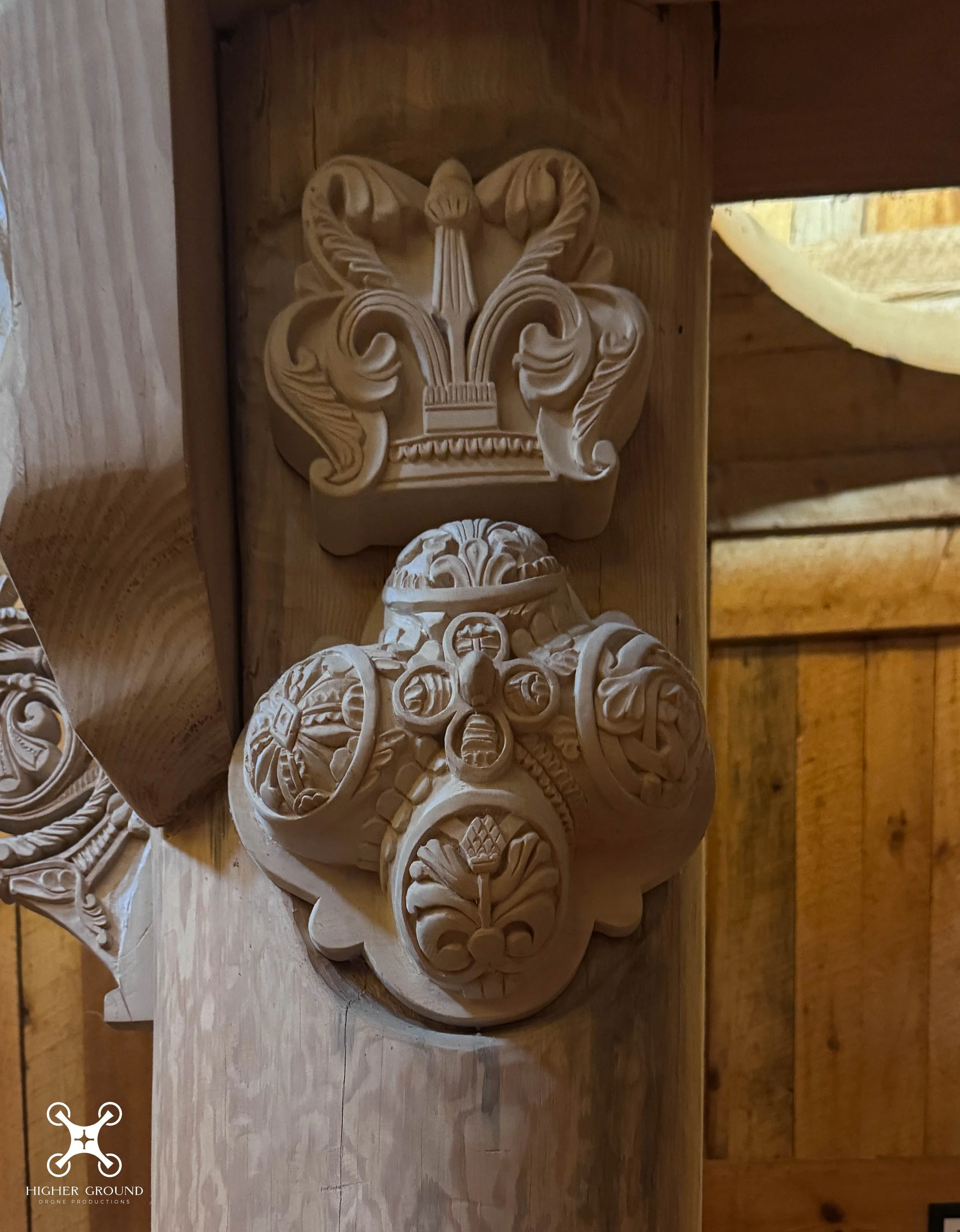
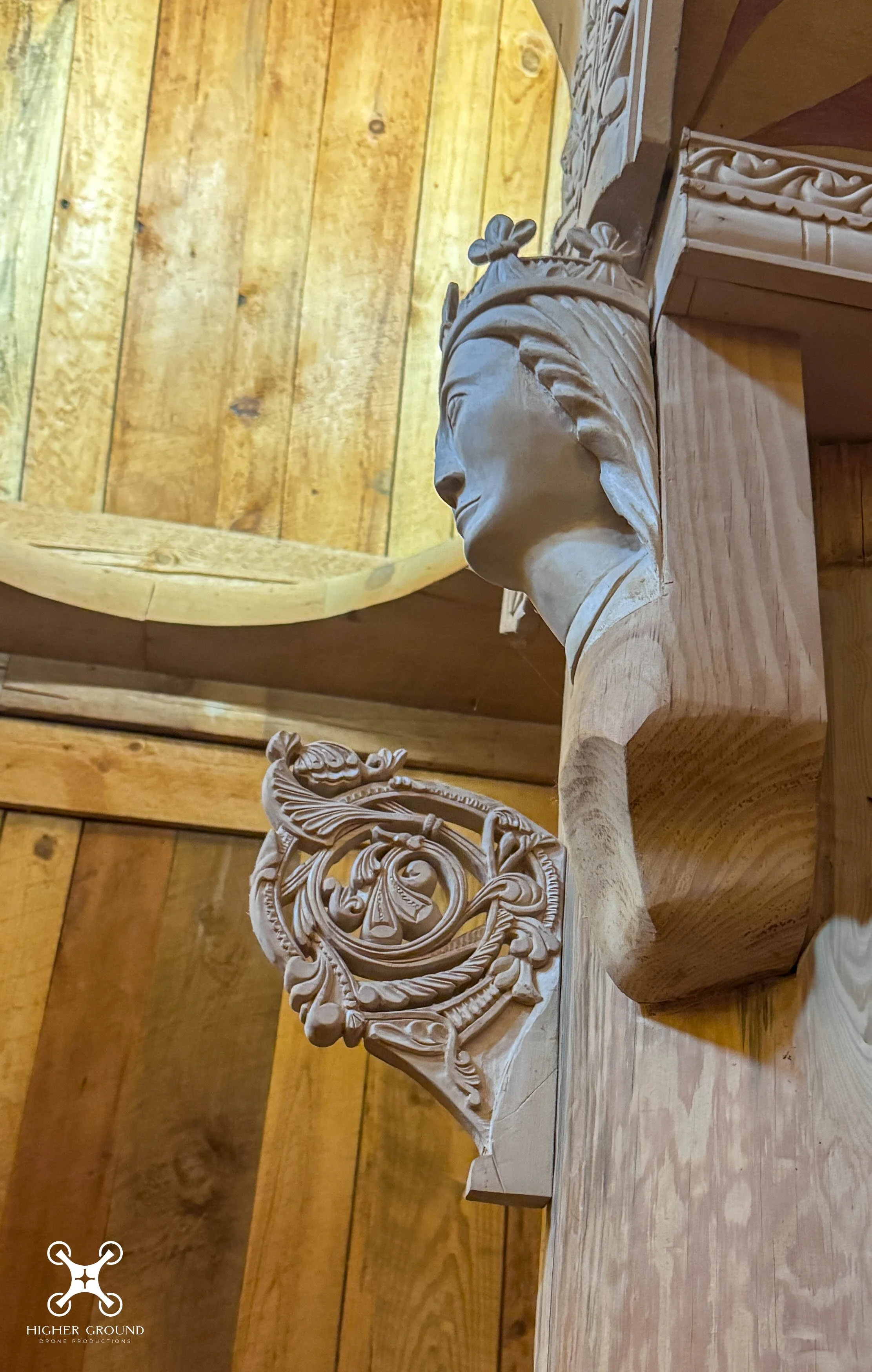
At seventy-two feet in height, the church is a full-scale replica of the original. There are eighteen staves, each standing twenty-seven feet tall. The main structure is made of pine from Minnesota, with the portal carving done in redwood; 24,000 Michigan cedar shingles adorn its roof. While modern construction methods and tools were used, Paulson did all the carvings by hand.