A Pyramid in North Dakota?
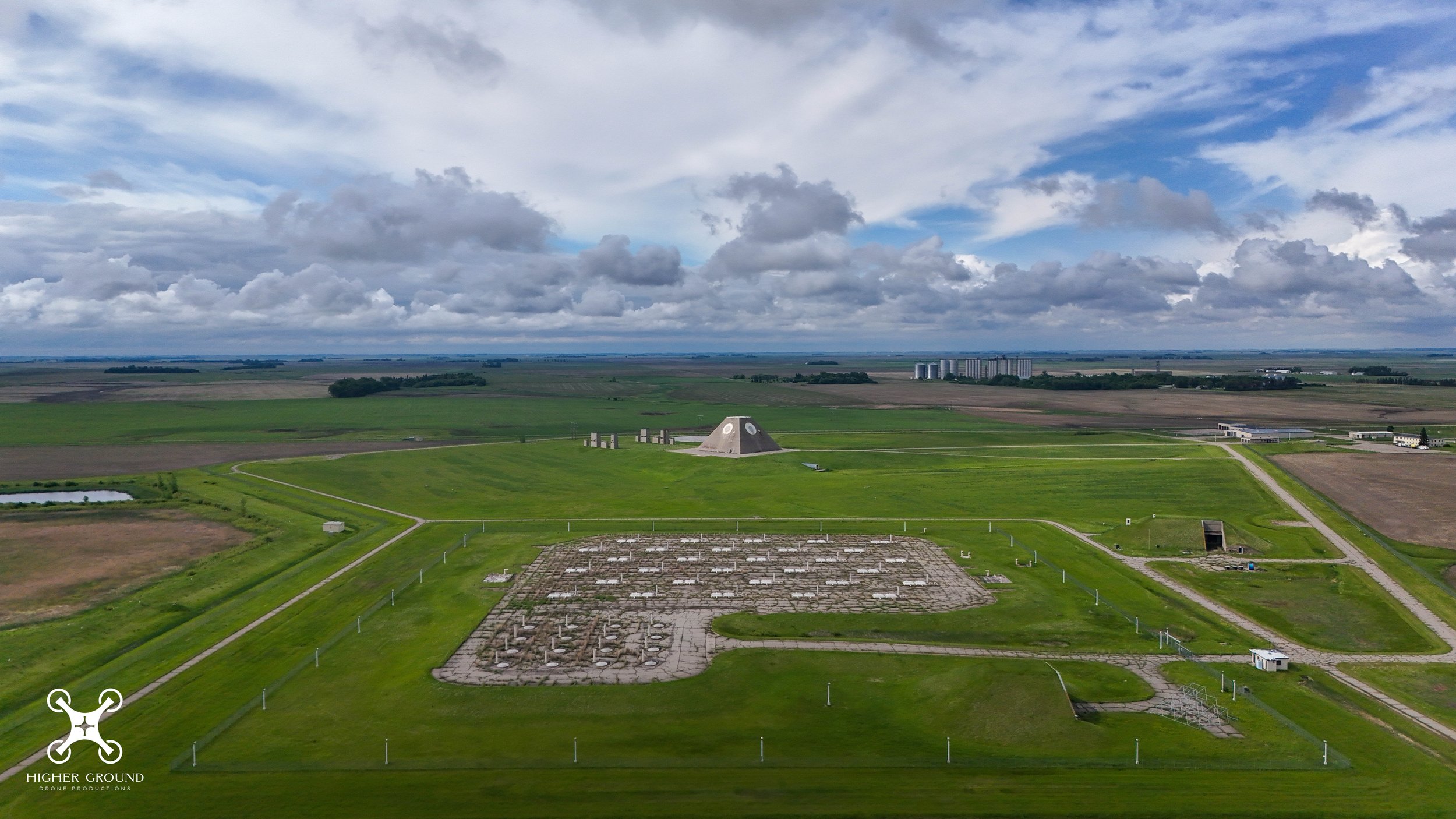
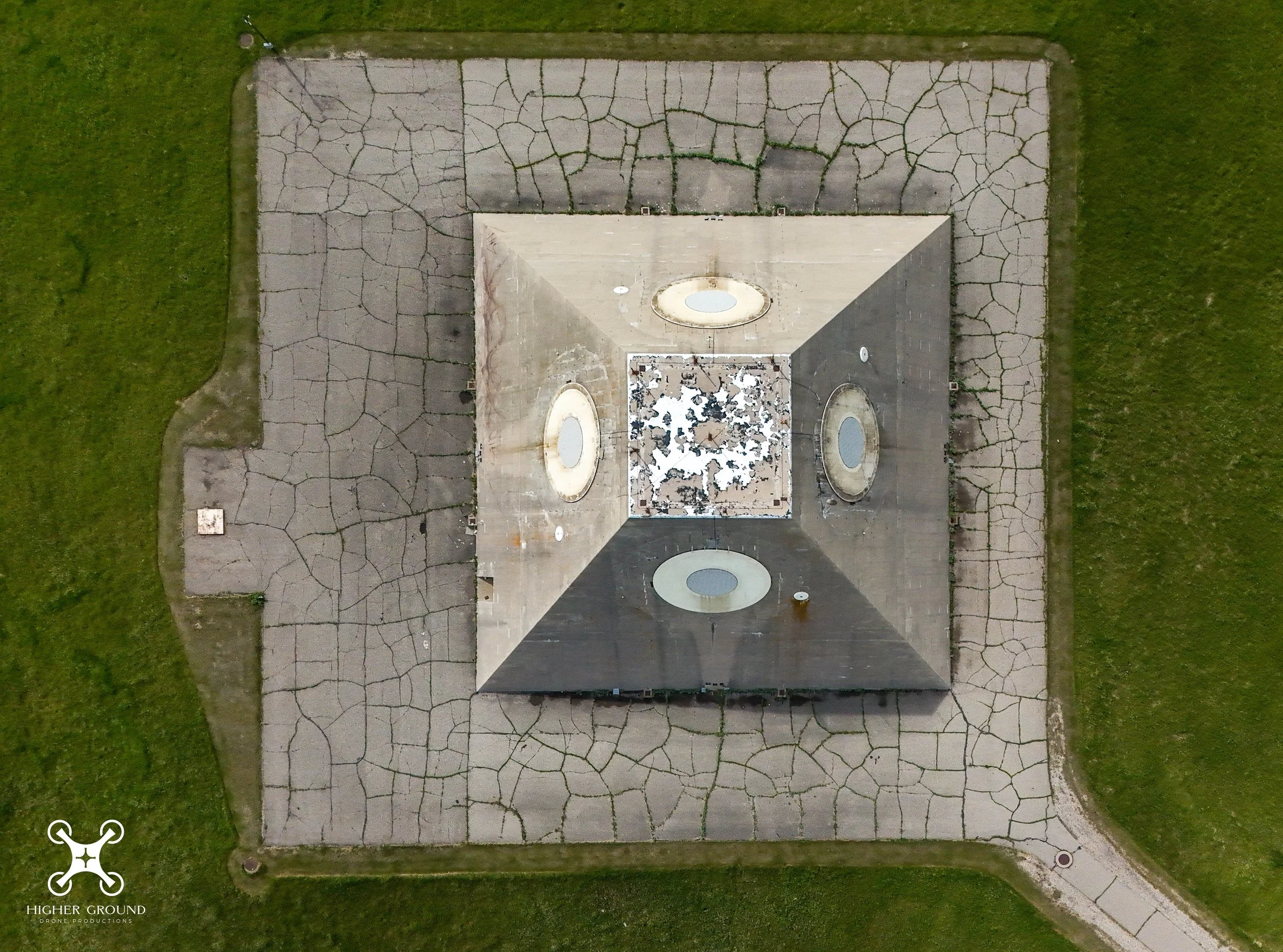
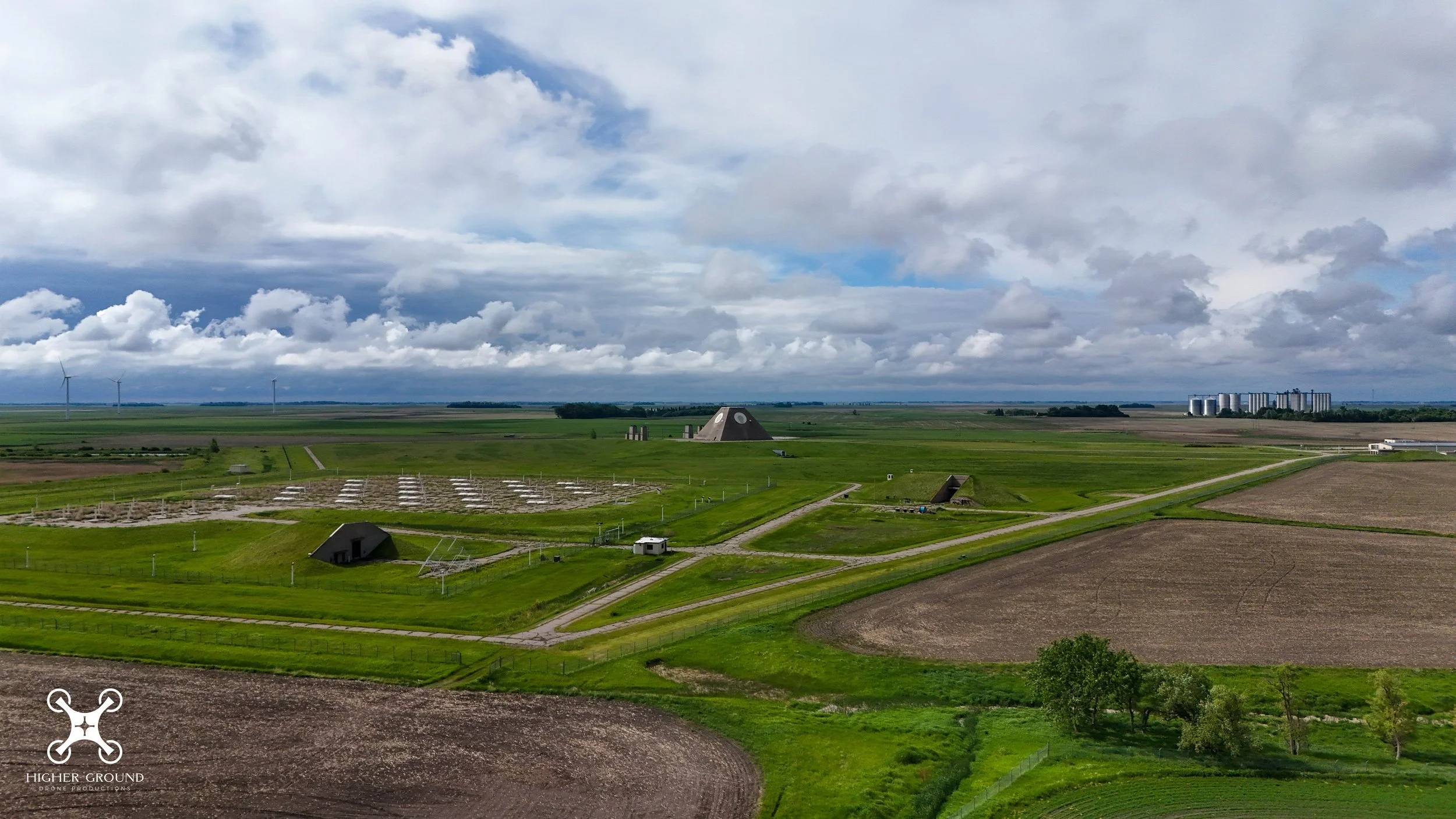
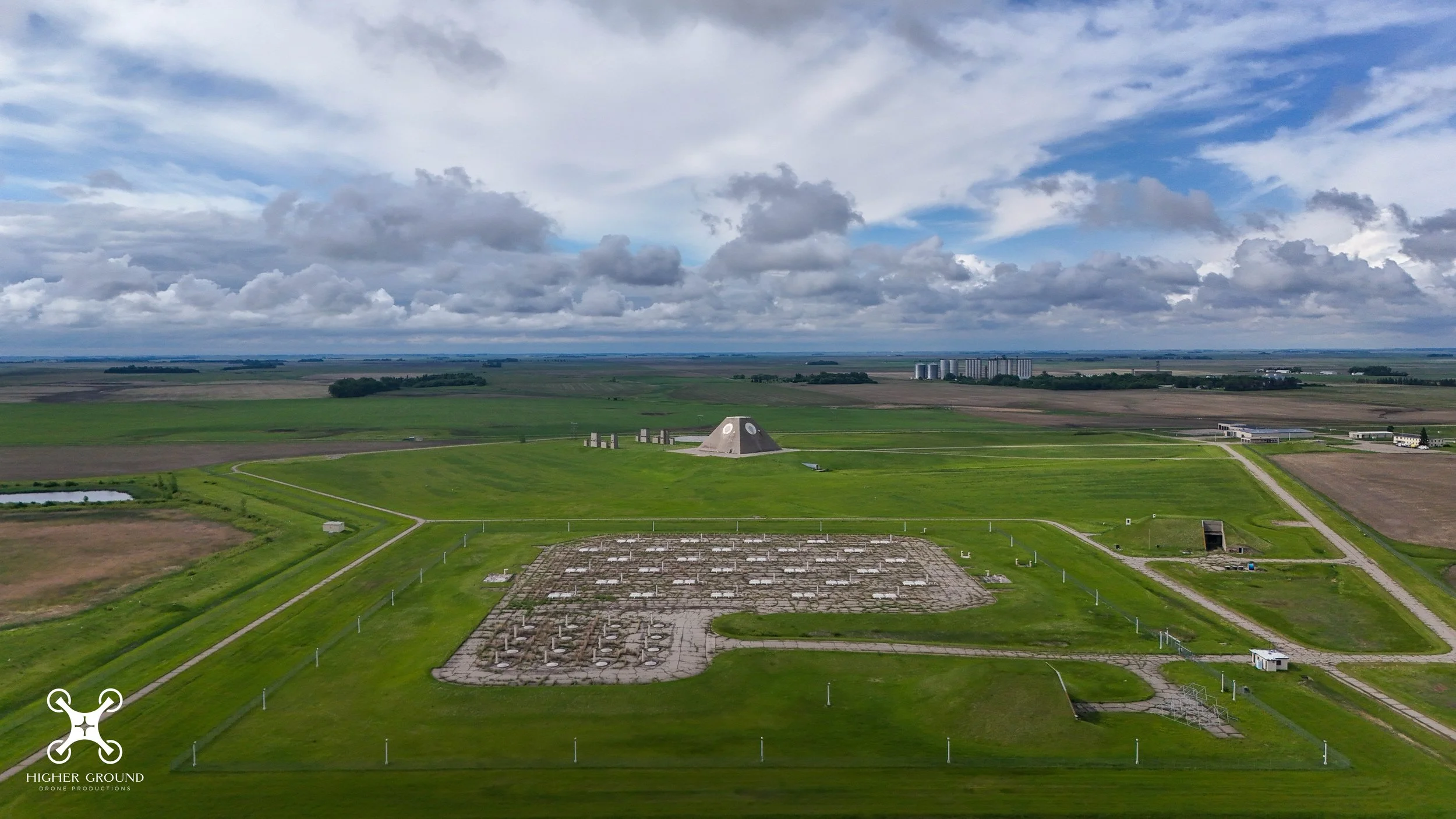
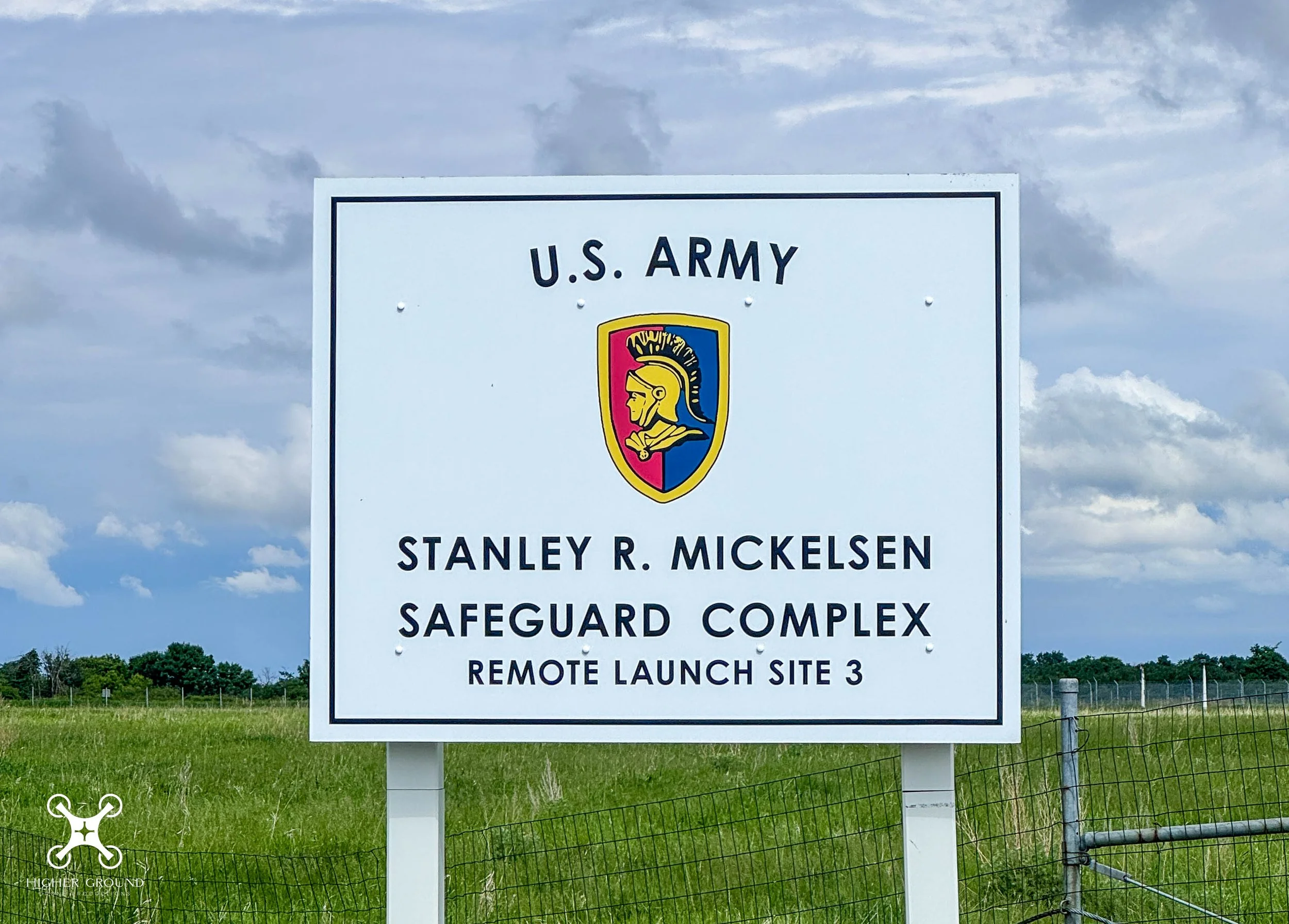
The Nekoma Pyramid (Stanley R. Mickelsen Safeguard Complex) and Remote Sprint Launch Site #3
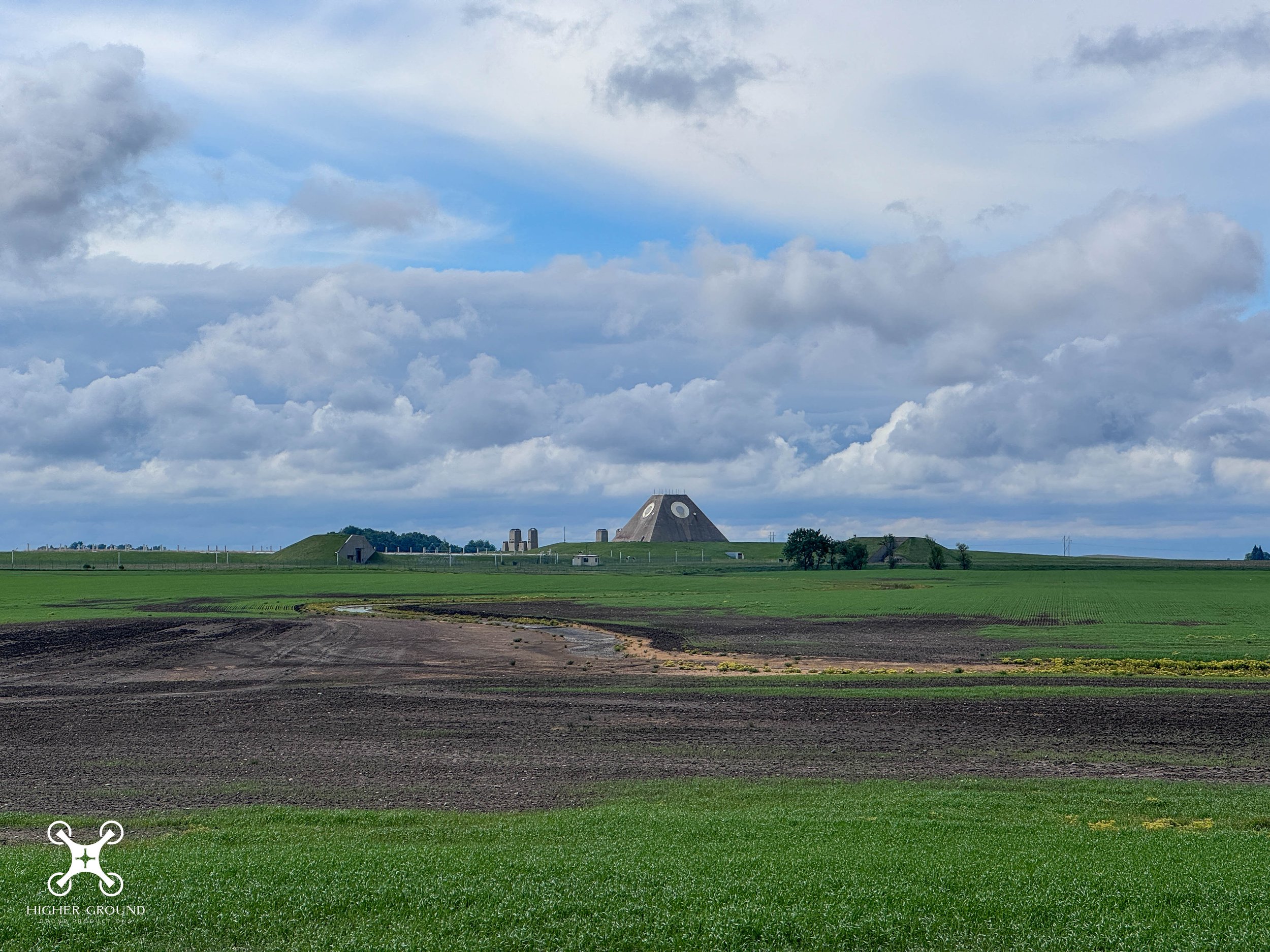
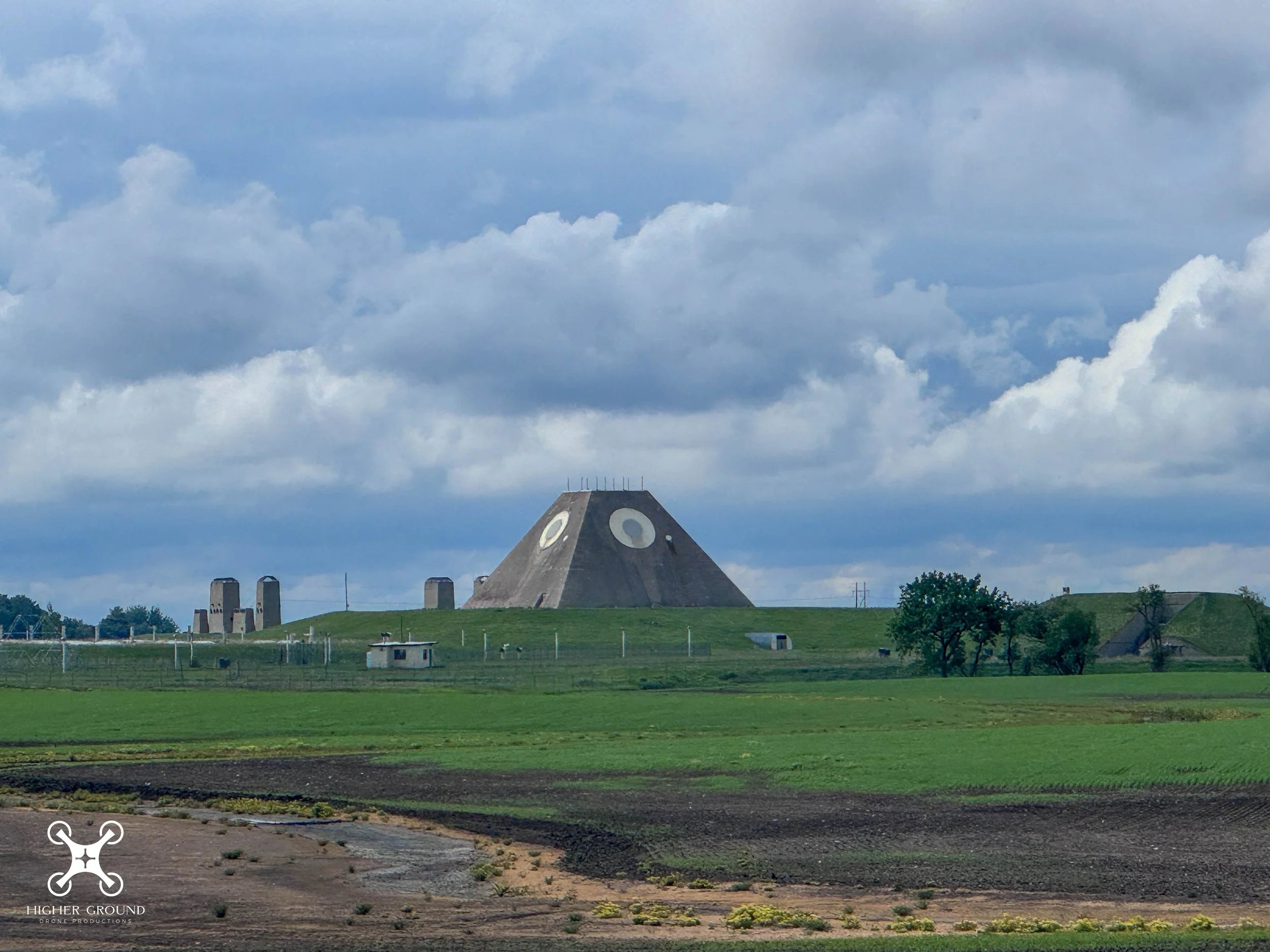
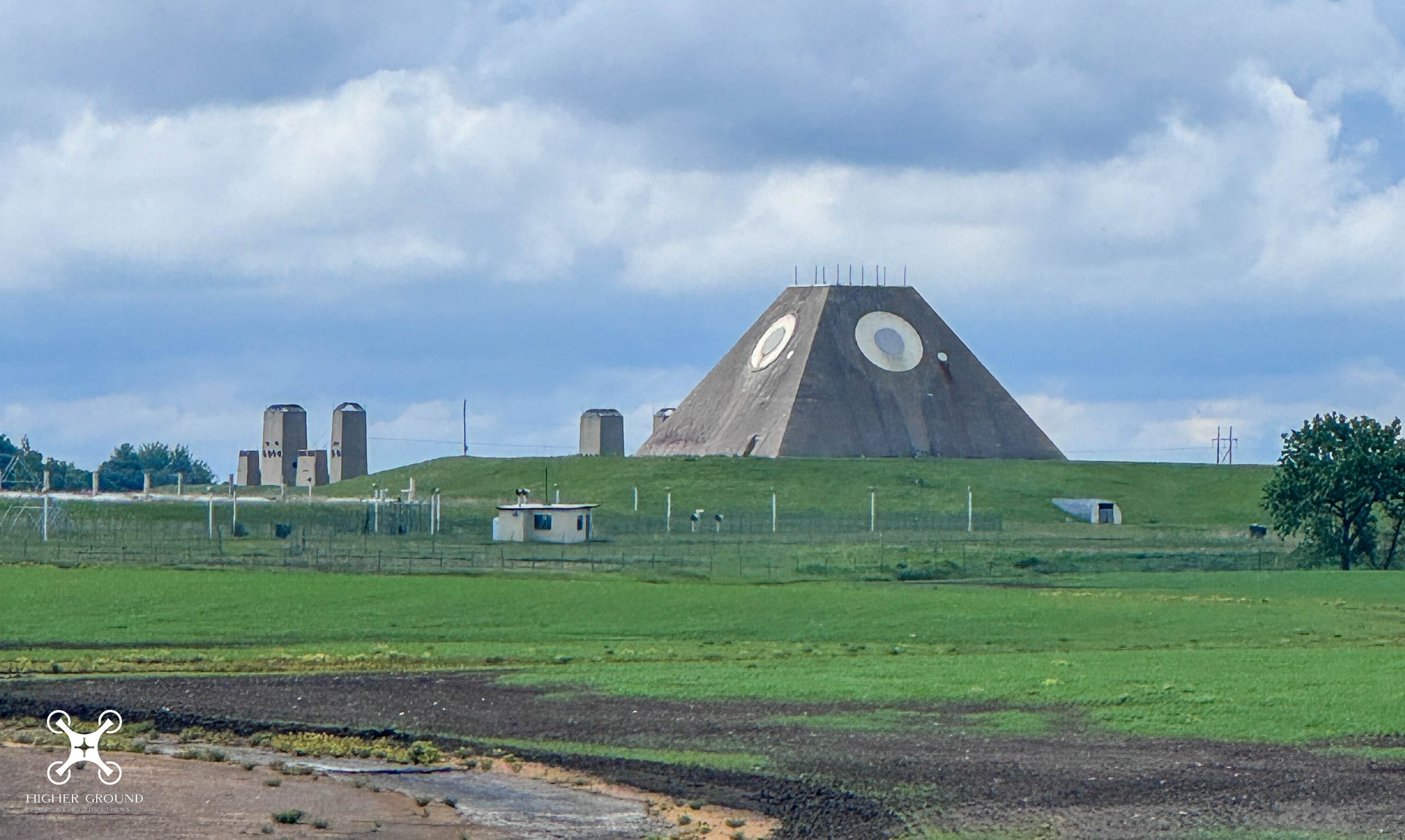
This is a strange sight to come upon in North Dakota! I was purposefully looking for it and I found it!
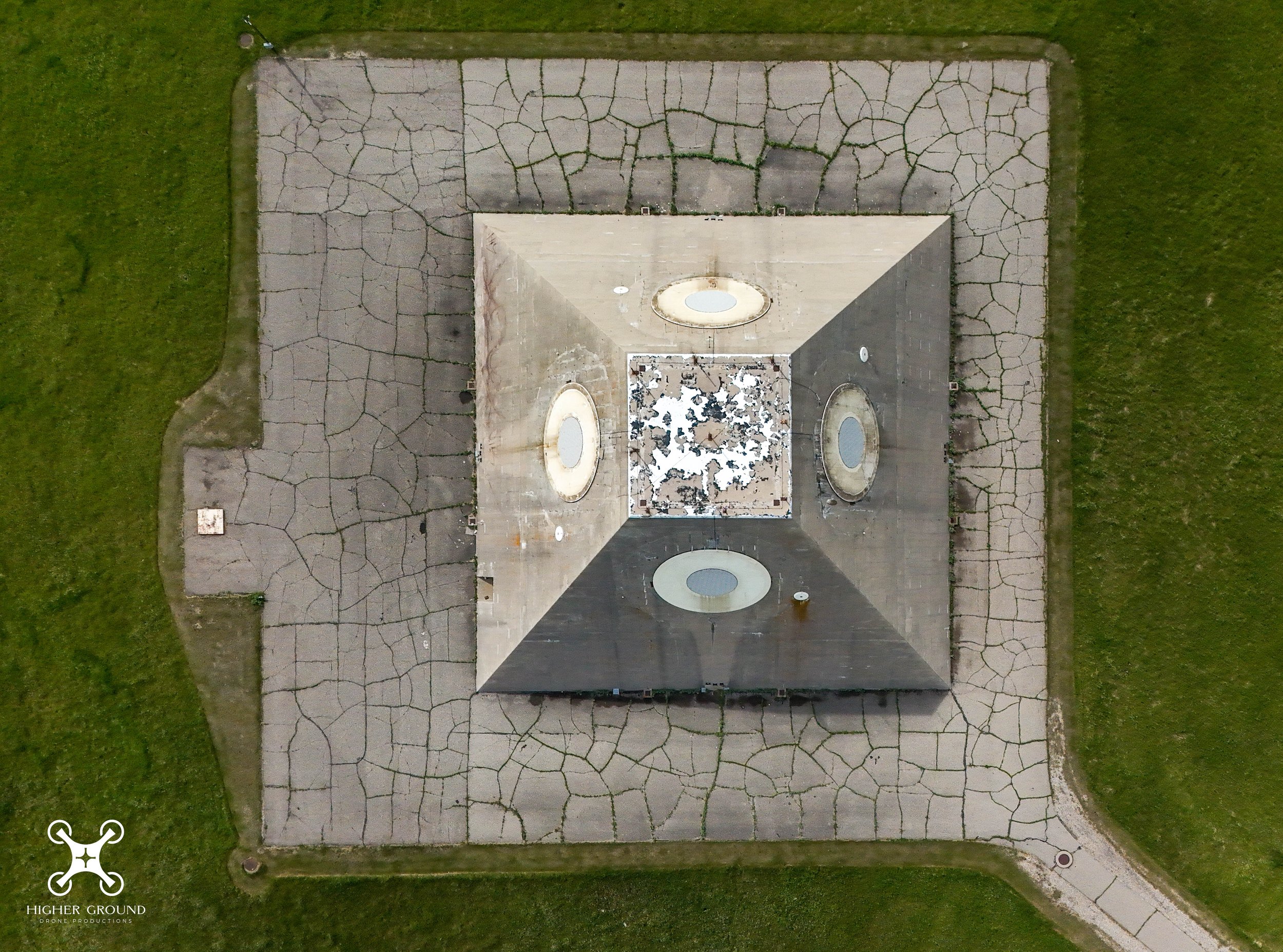
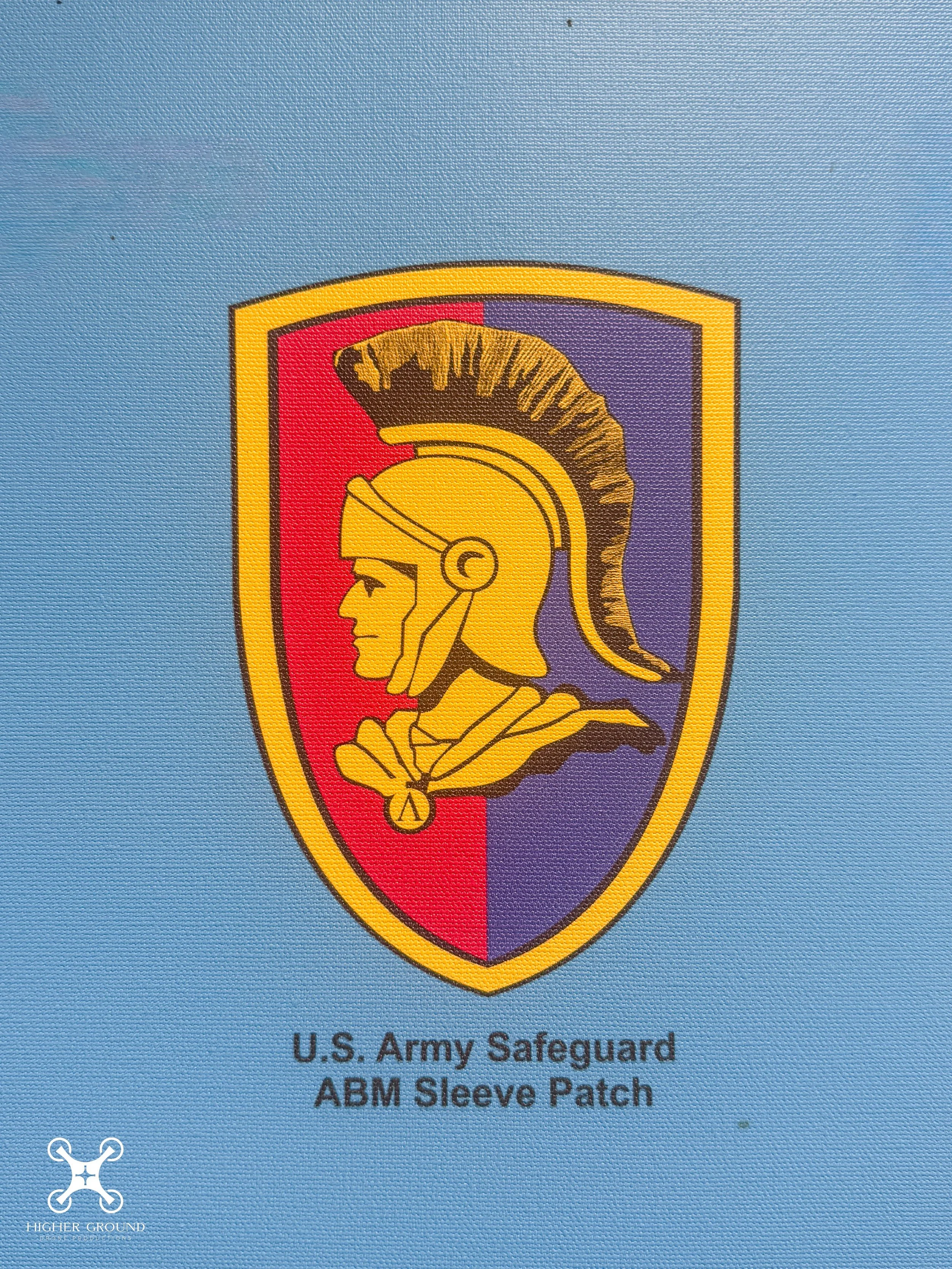
The Pyramid is a massive, abandoned Cold War radar structure located in northeastern North Dakota. Constructed for $6 billion and completed in 1975, the concrete pyramid was designed to house radar and control systems for defending ICBM silos against Soviet attacks using nuclear-tipped Spartan and Sprint missiles.
Location: Situated near Nekoma, North Dakota, about 40 miles from the Canadian border.
Purpose: It was the only operational anti-ballistic missile system in the United States, designed to track incoming missiles and direct defensive interceptors, with its phased array radar providing 360-degree coverage.
Operational History: The site was fully operational for only one day before Congress voted to decommission it in October 1975 due to high costs, limited effectiveness, and shifting political strategies.
Structure: The central structure is a large, concrete pyramid, often described as looking like a "cheese grater," which served as the Missile Site Radar (MSR).
Current Status: The site was purchased by a private group in 2024 to potentially serve as a crypto-mining facility, though it has served as a tourist spot where photos are taken from the surrounding gravel roads. The site stands as a "monument to man's fear and ignorance," representing a high-tech solution to nuclear anxiety that was obsolete almost as soon as it was built
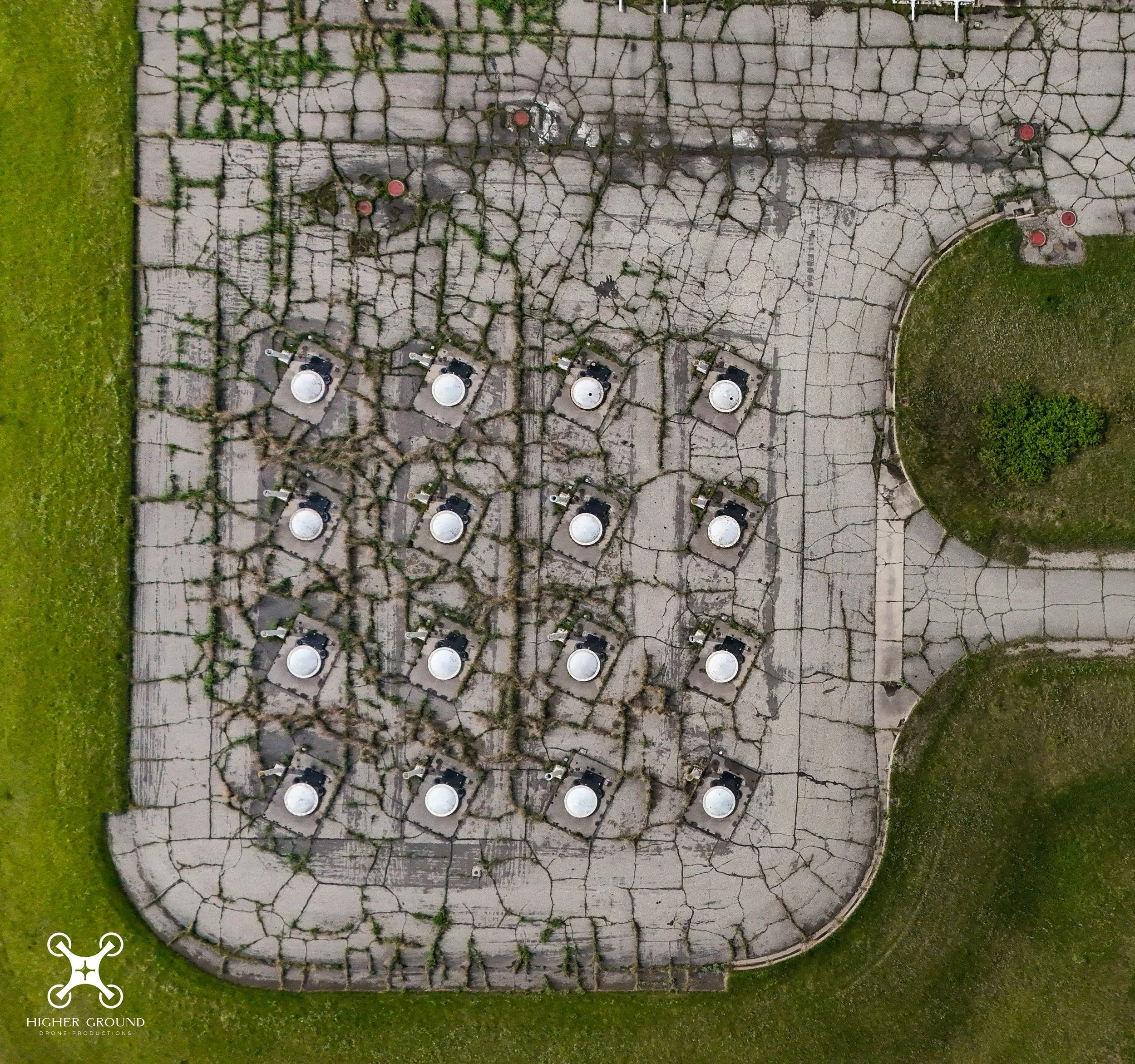
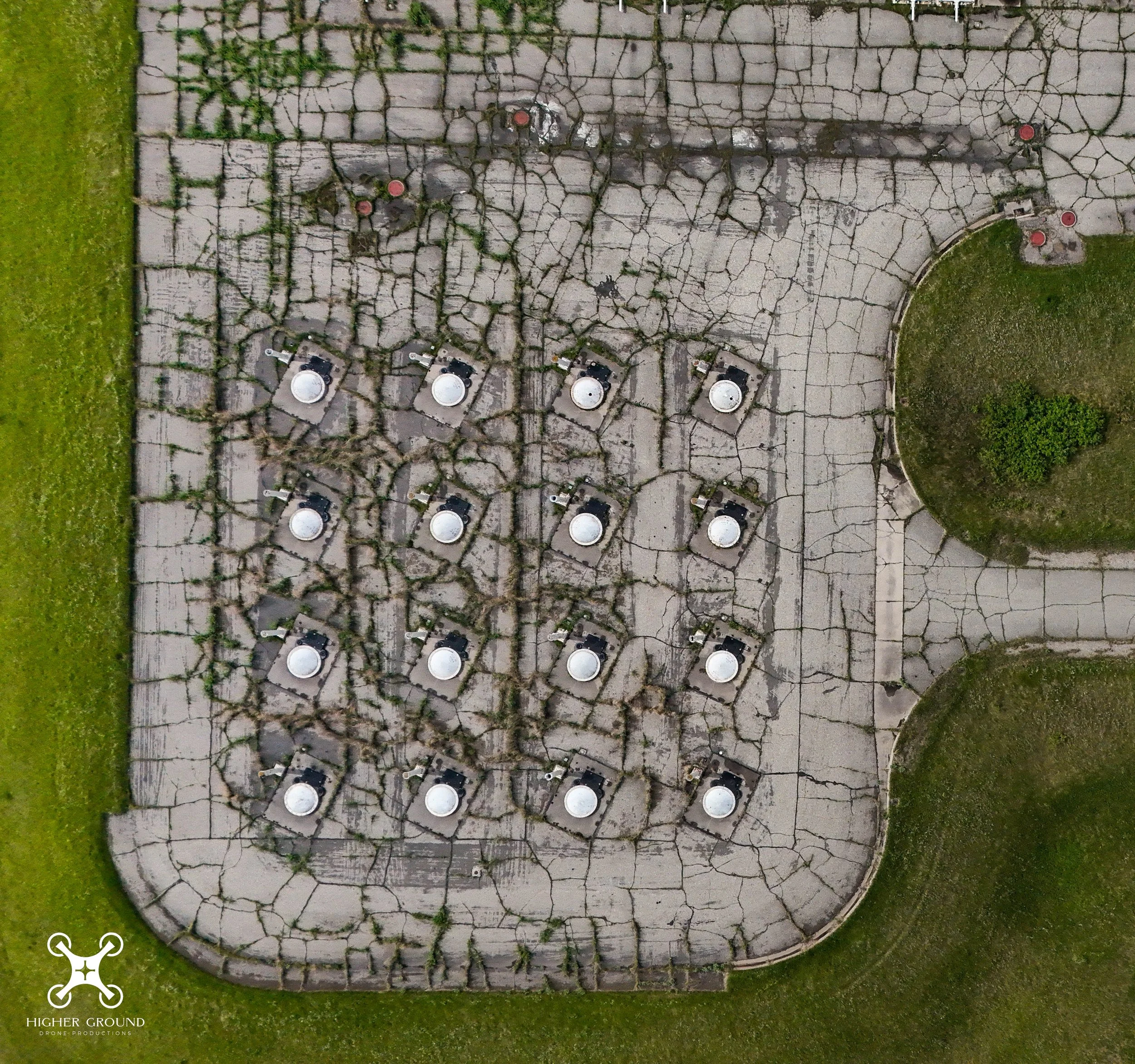
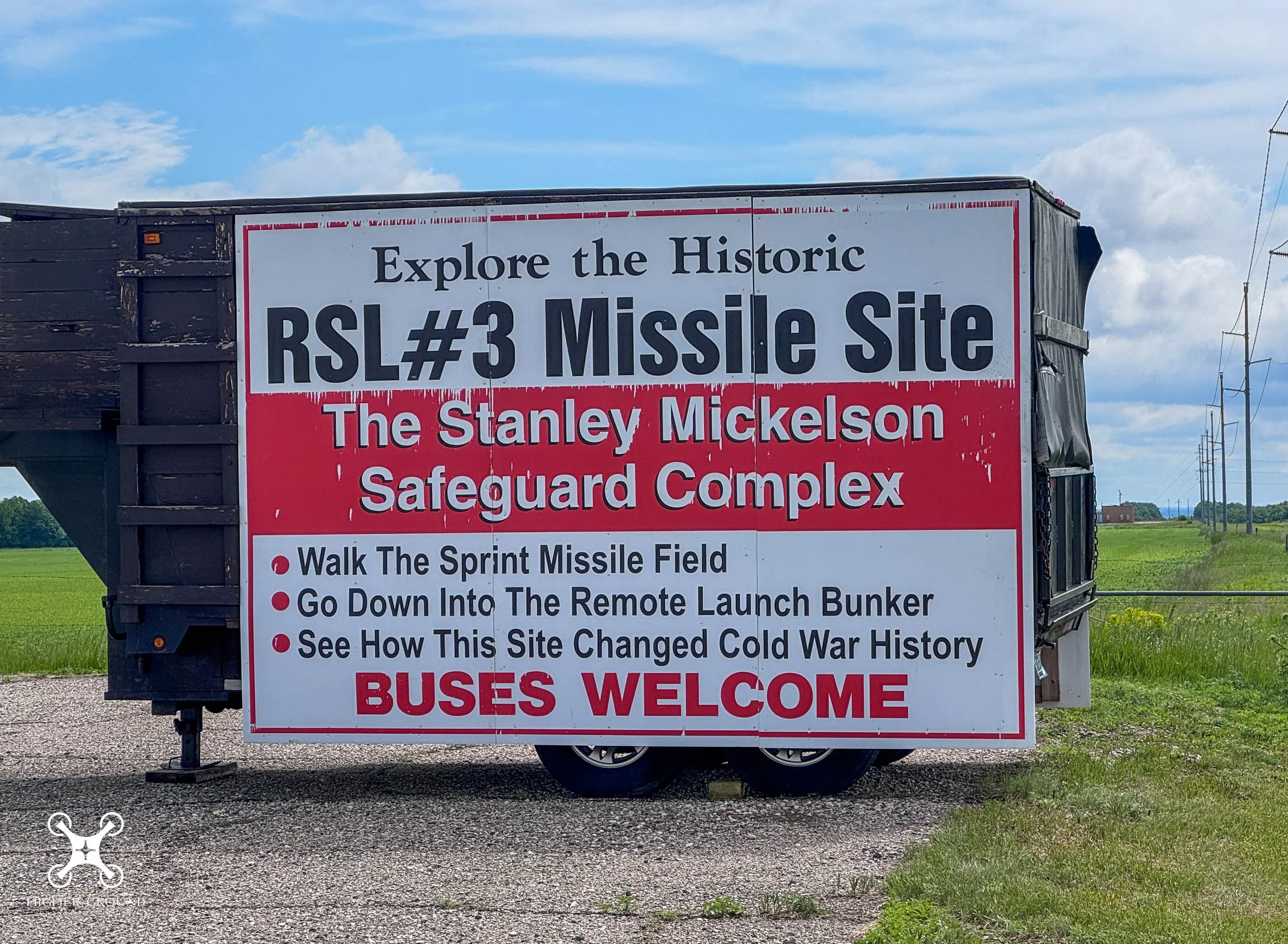
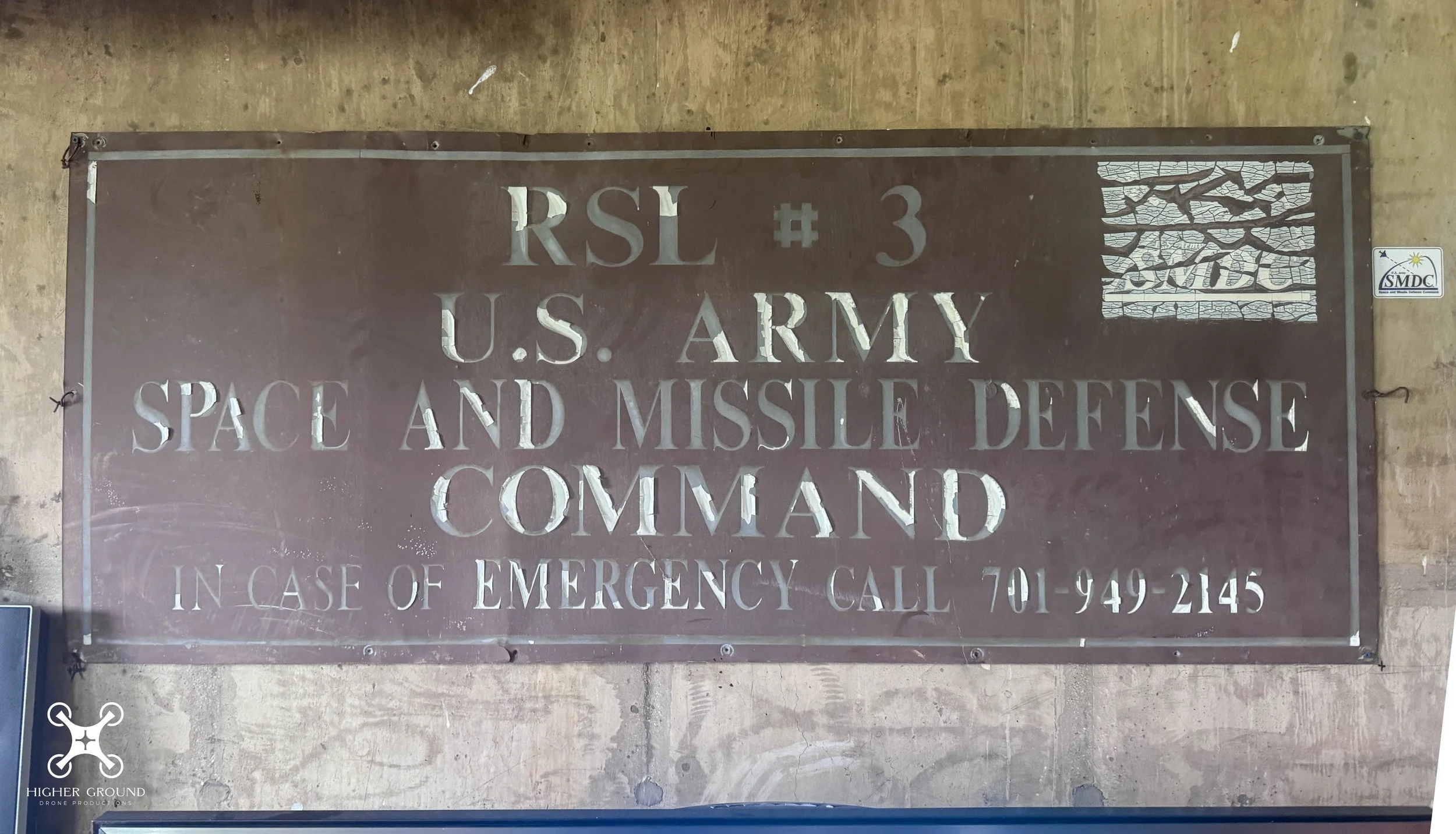
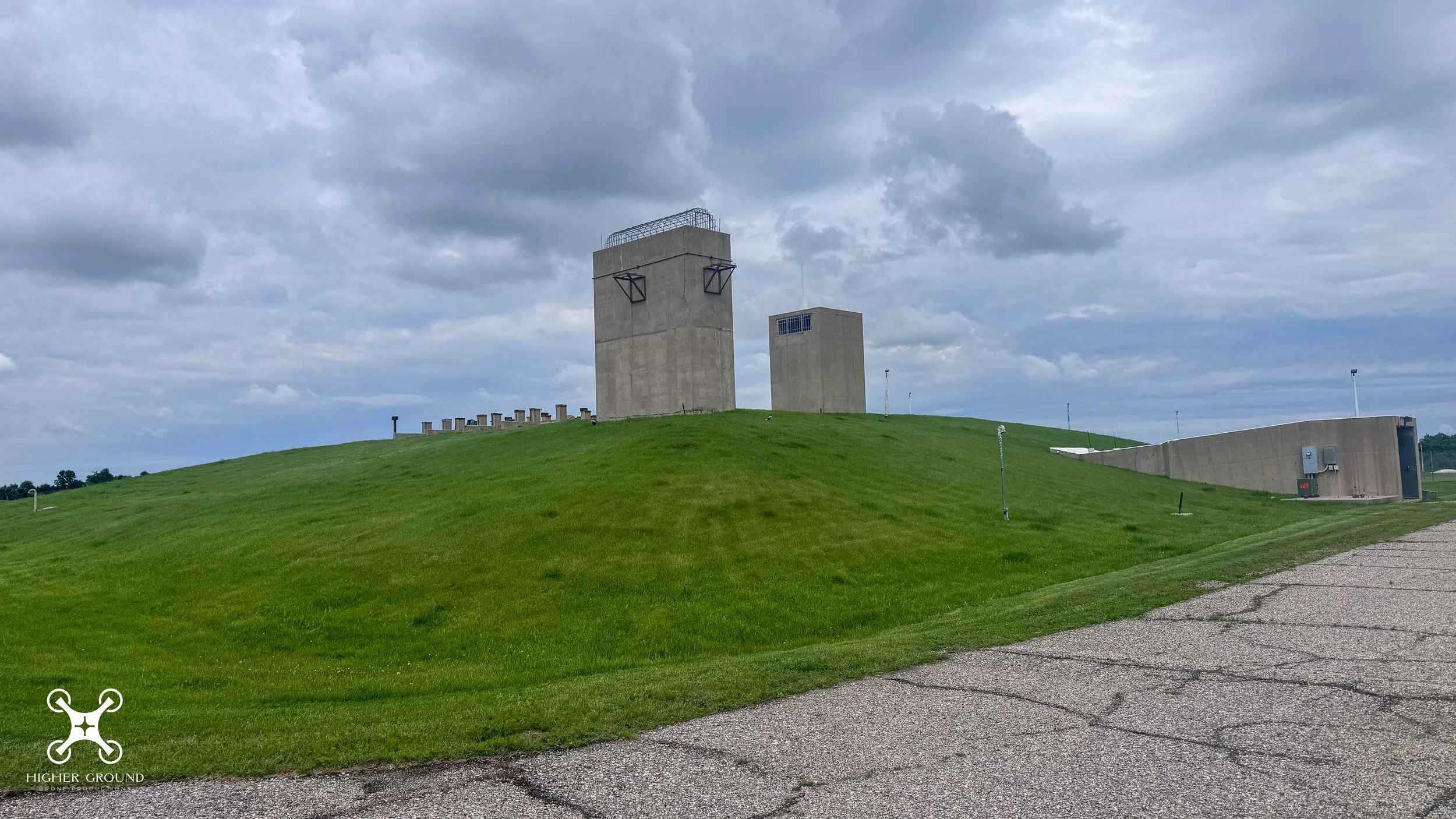
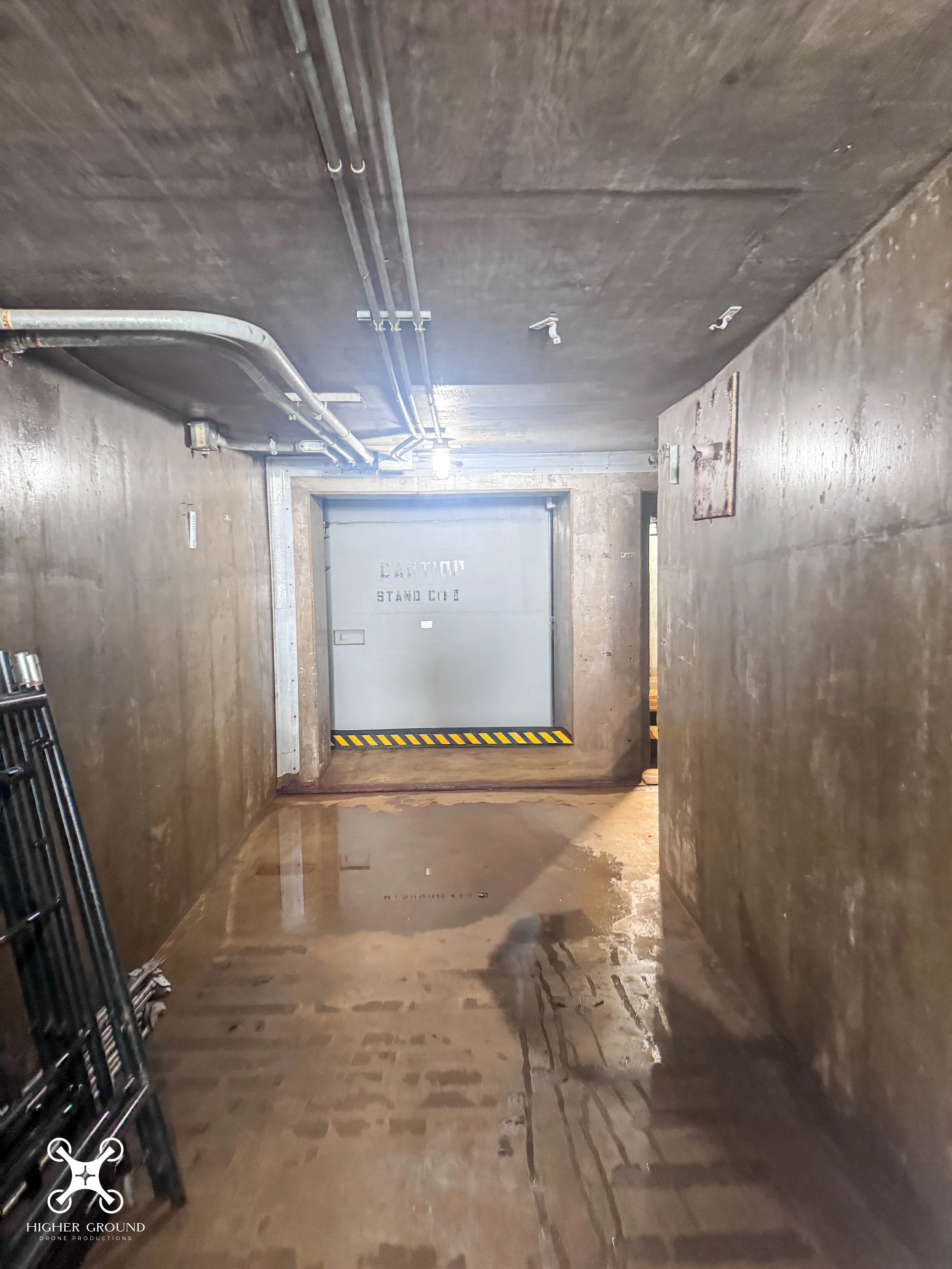
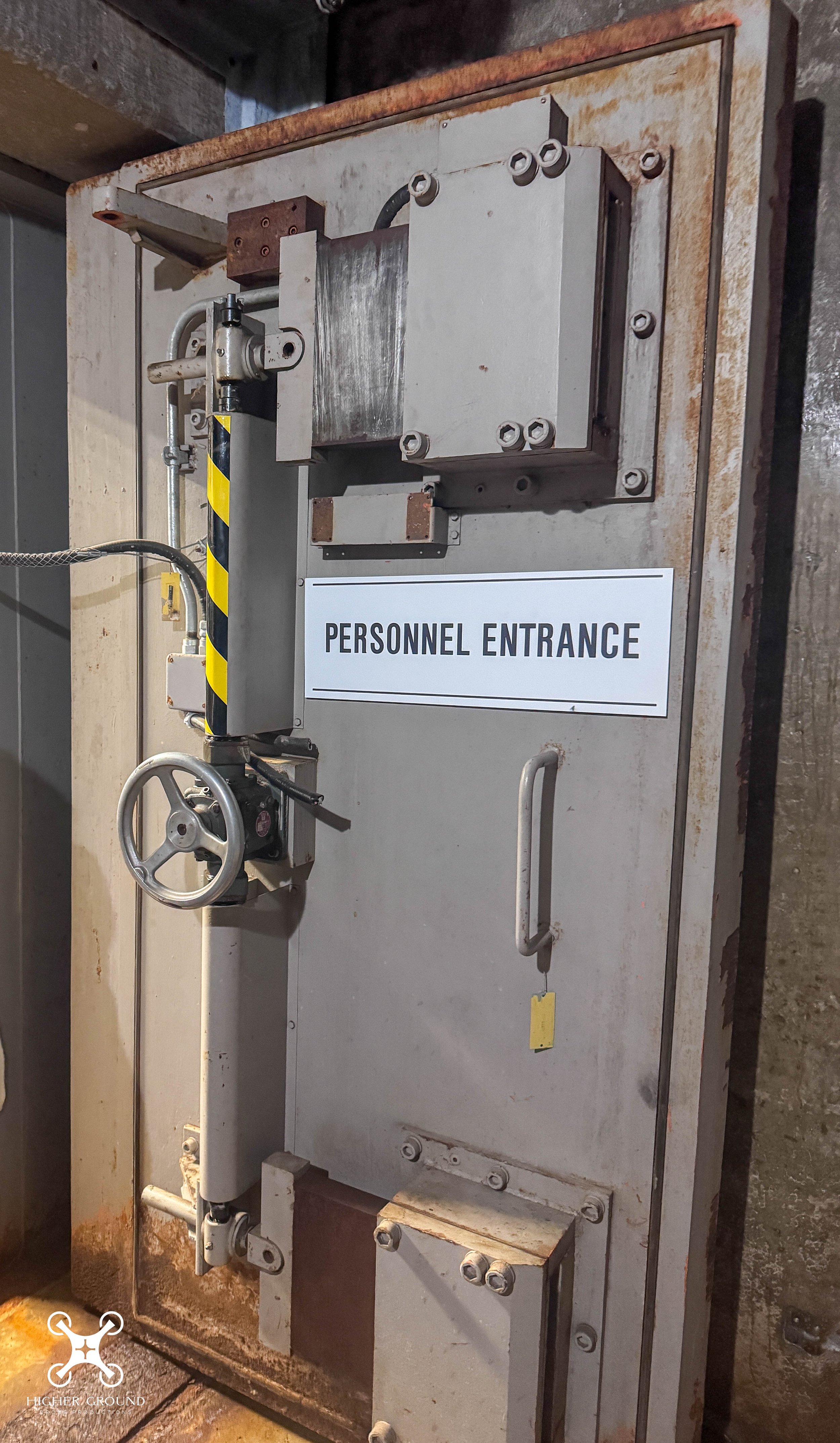
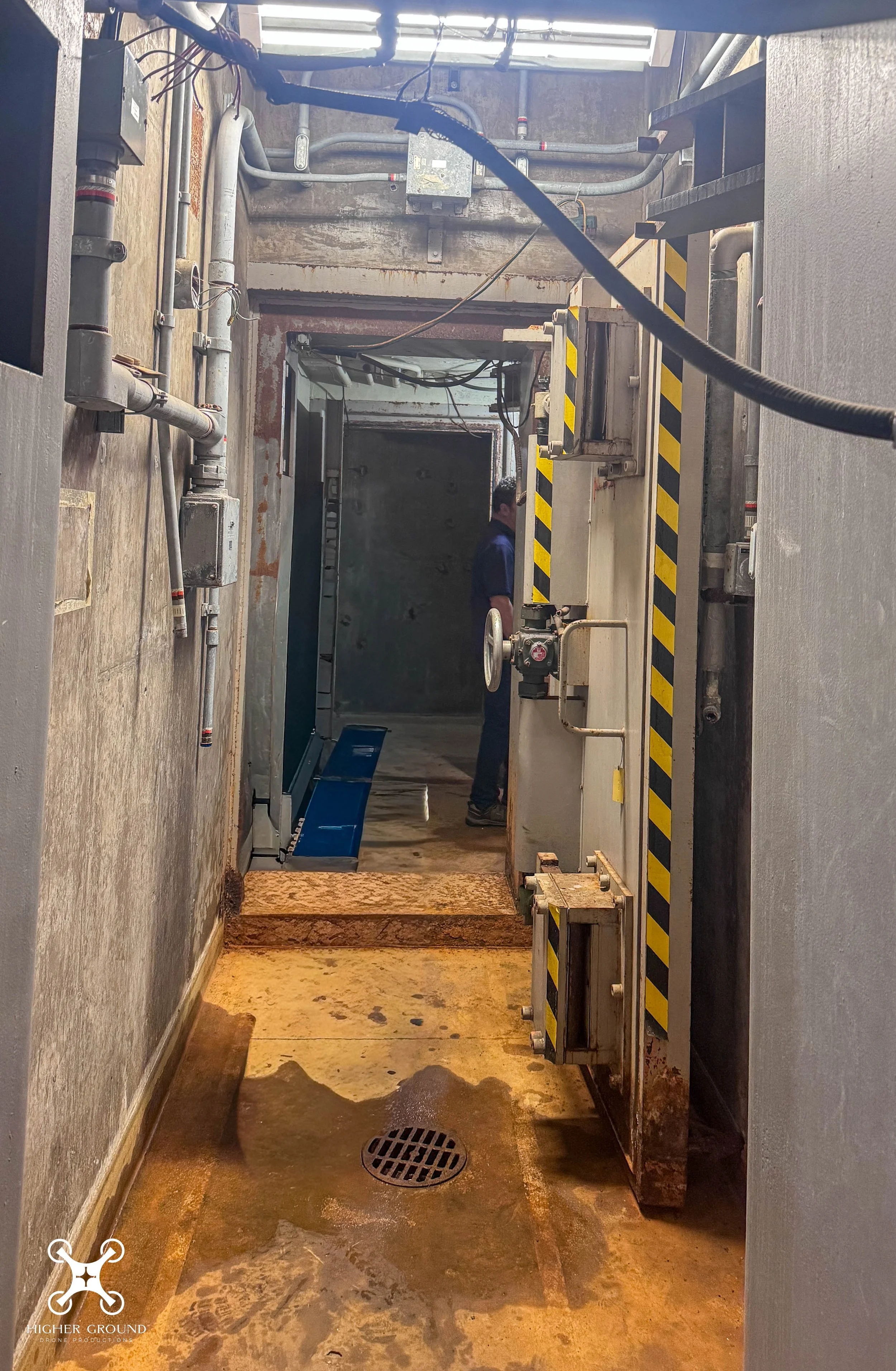
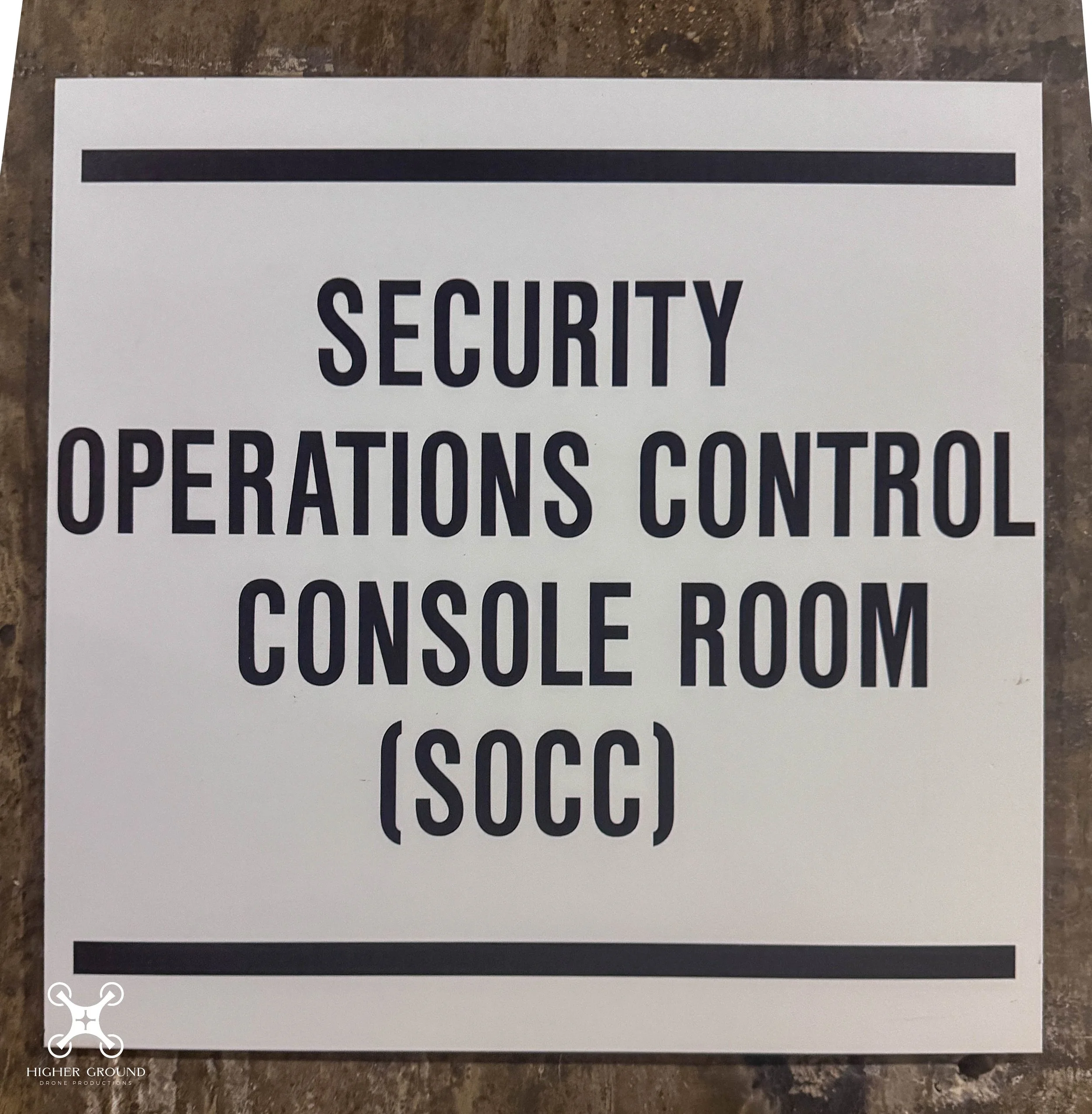
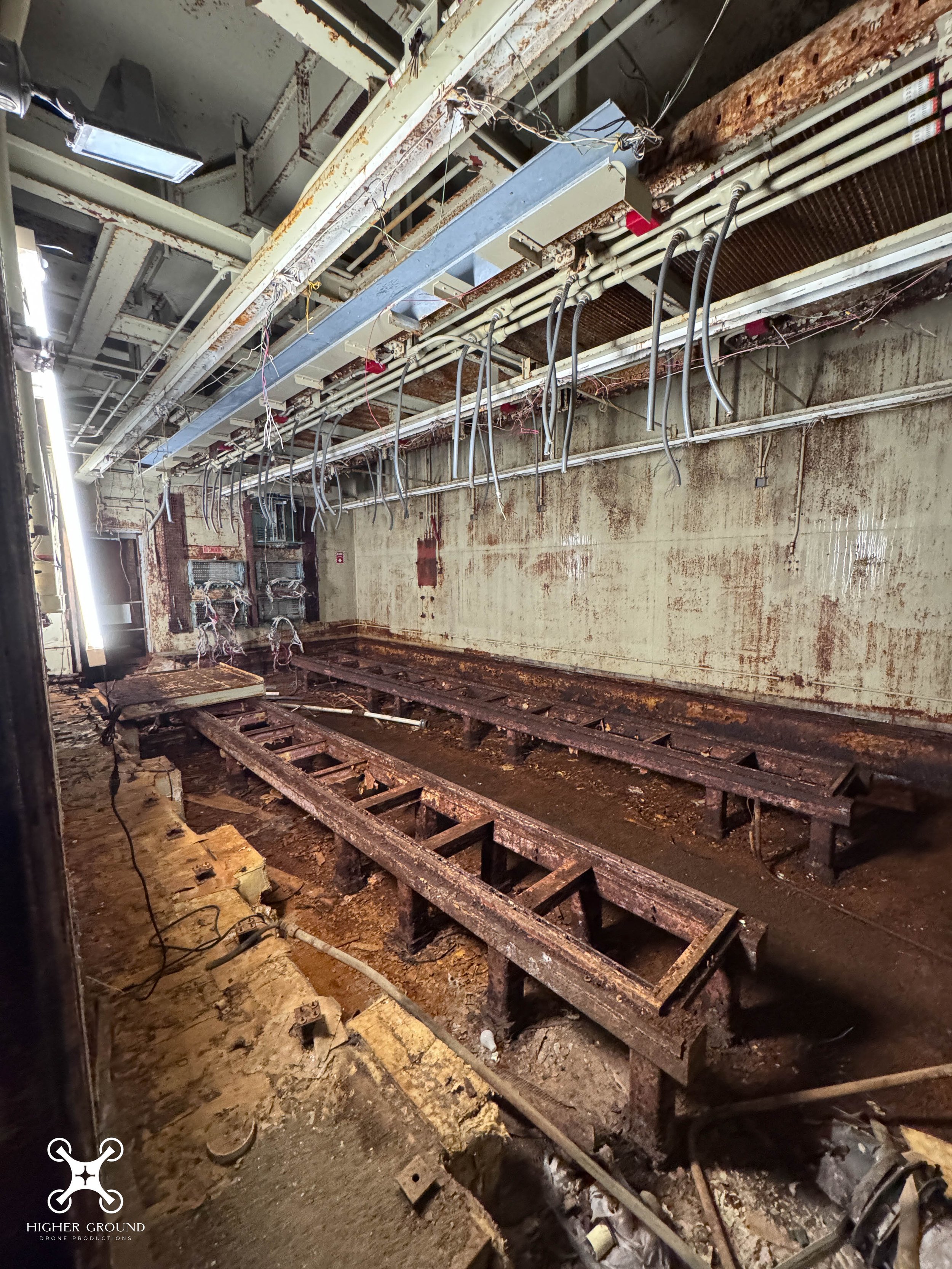
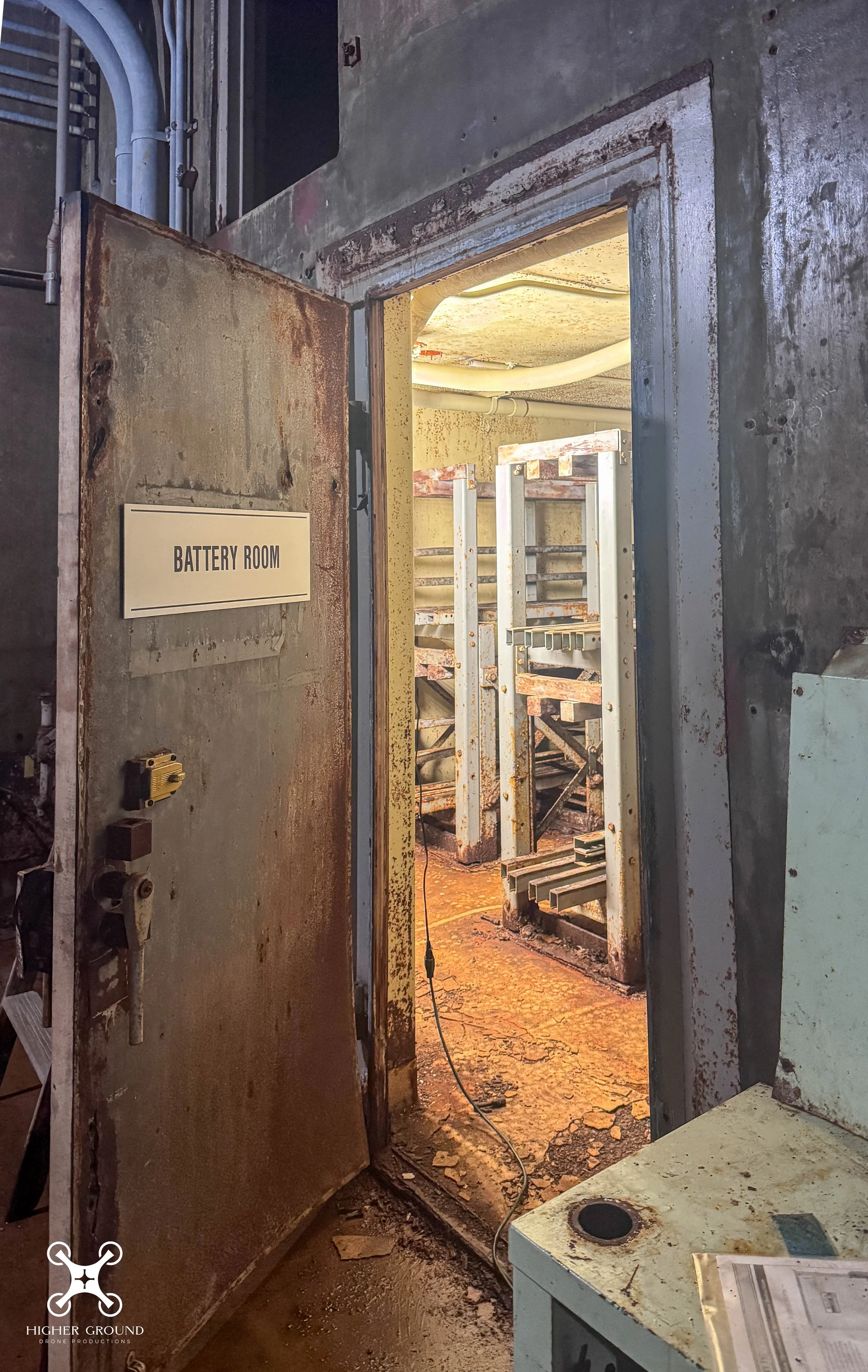
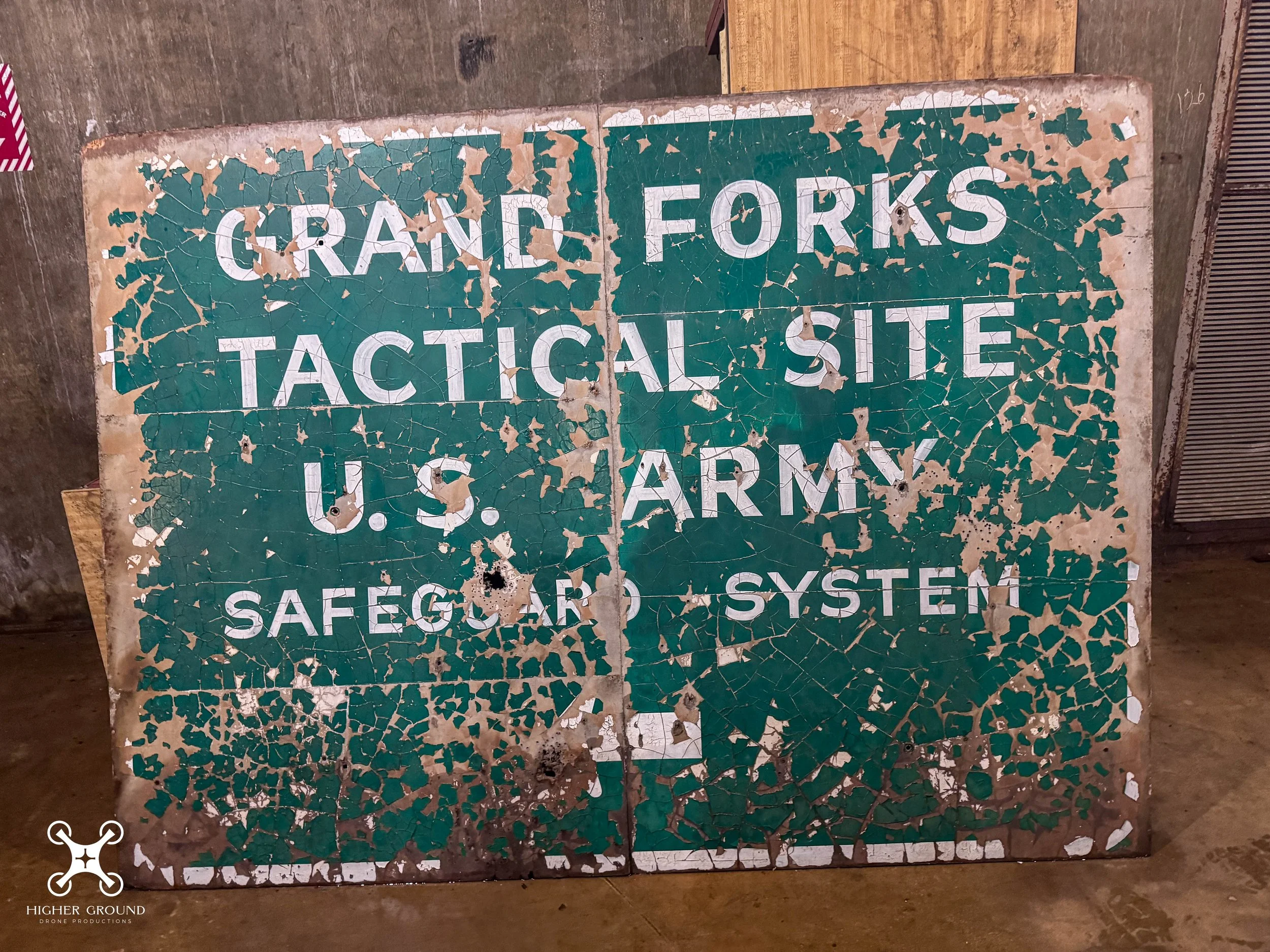
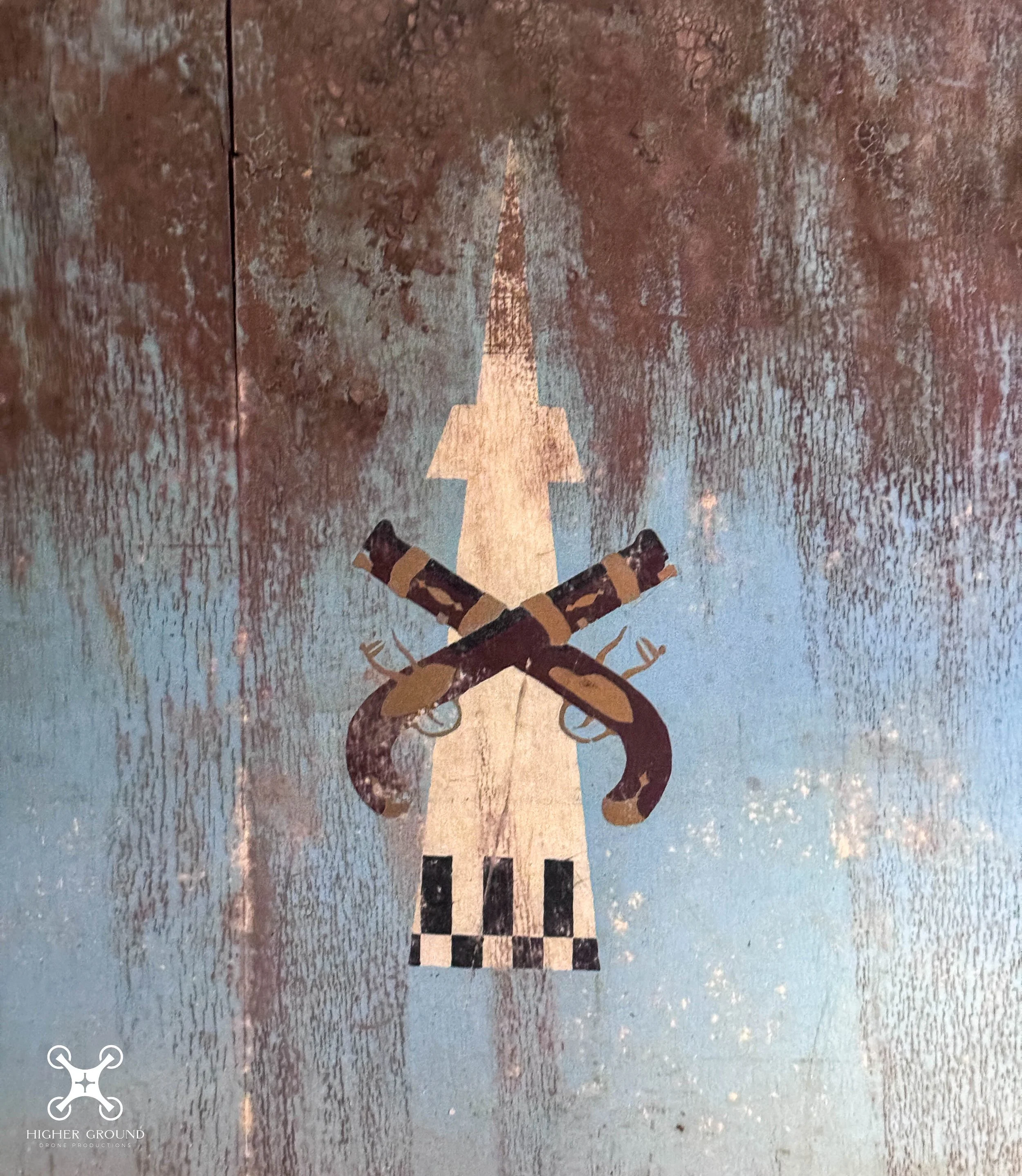
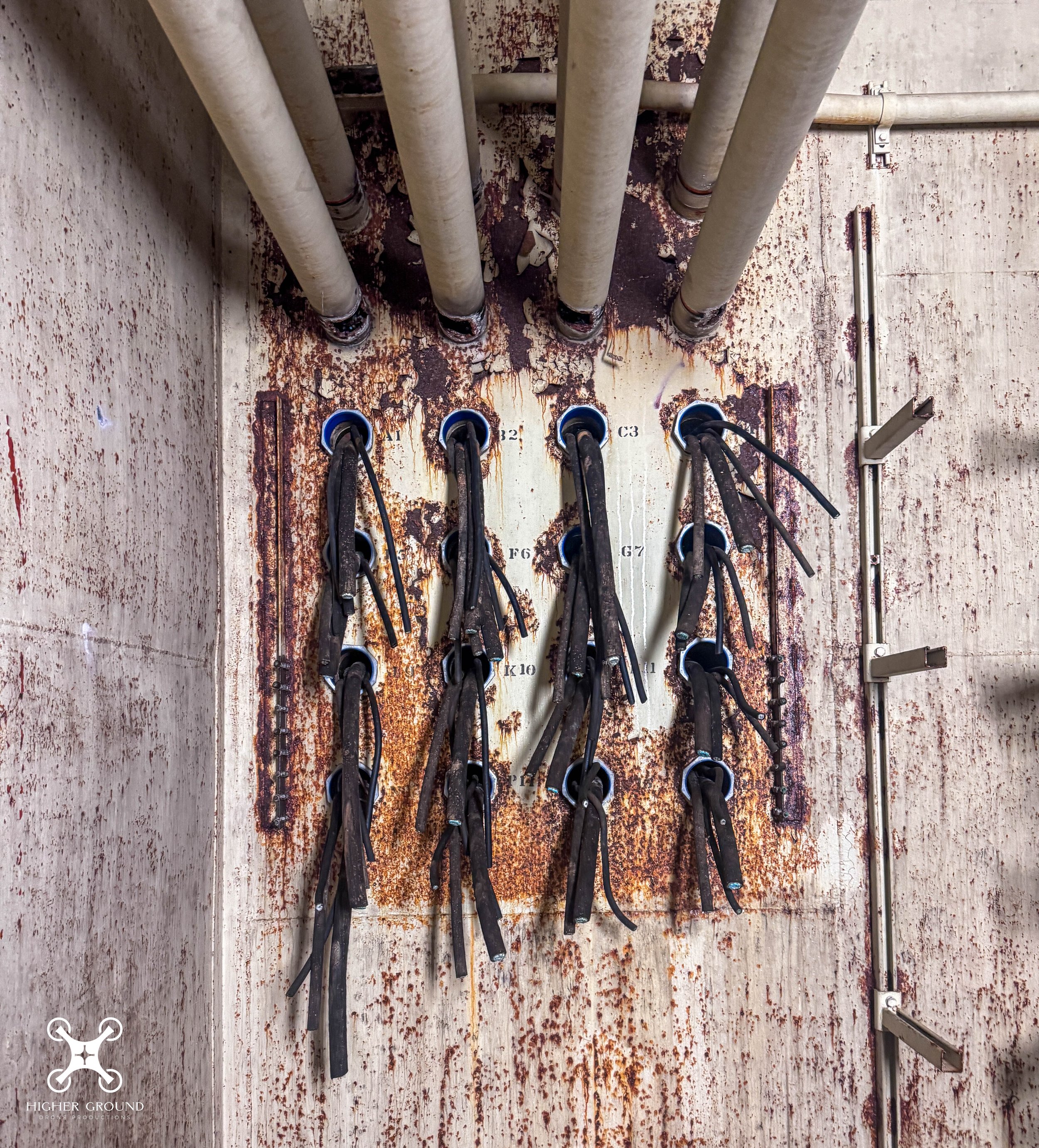
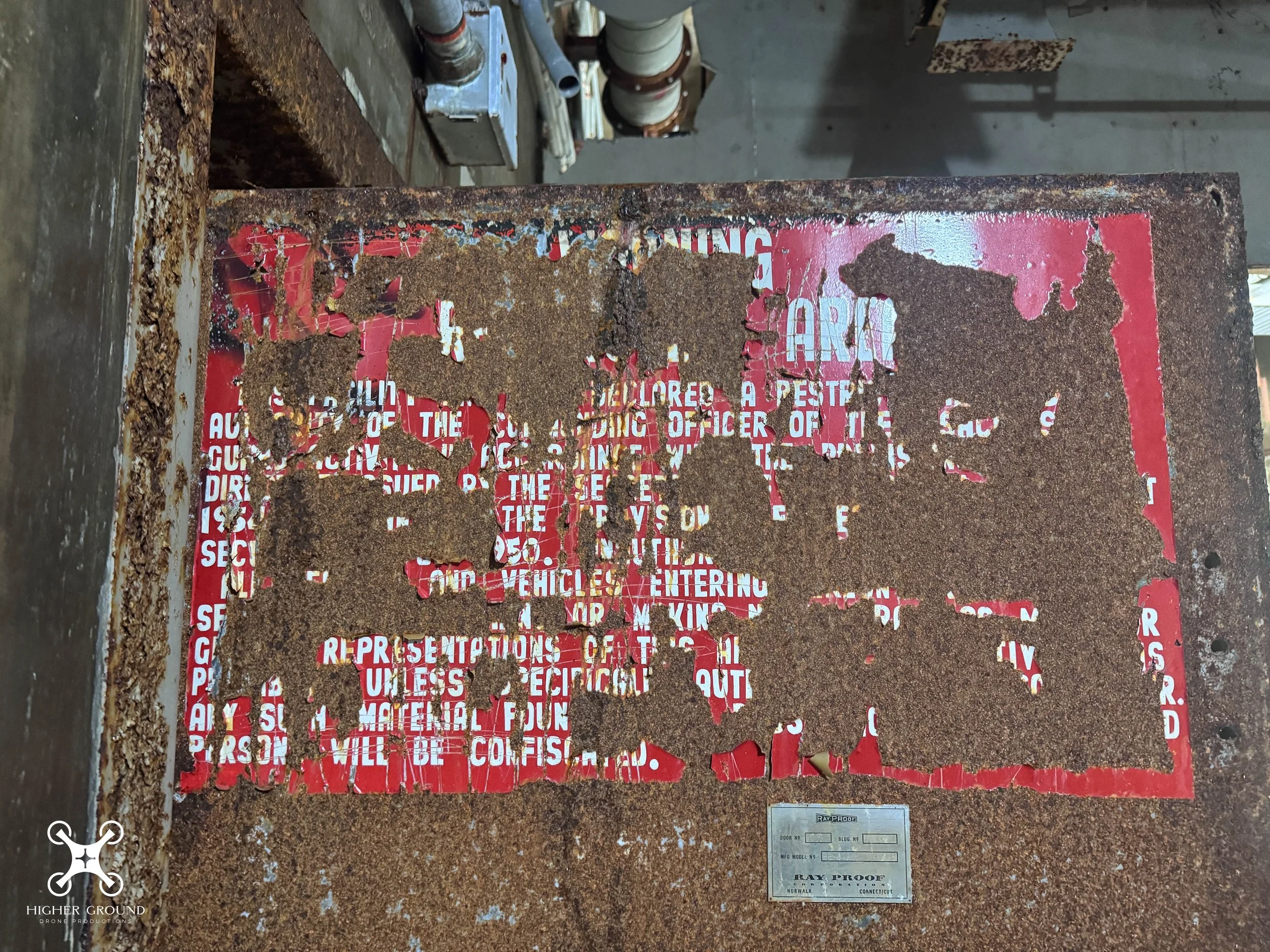
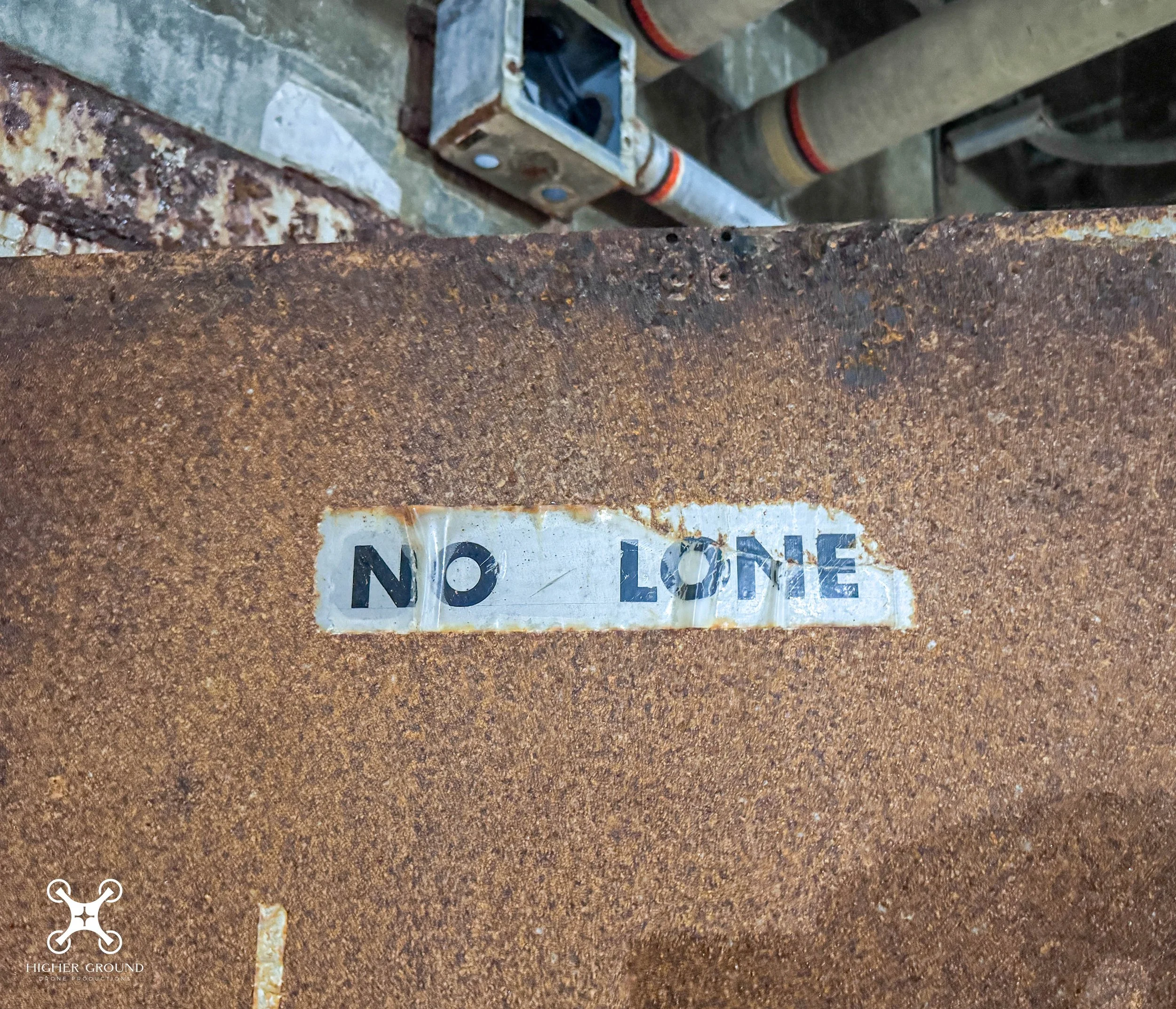
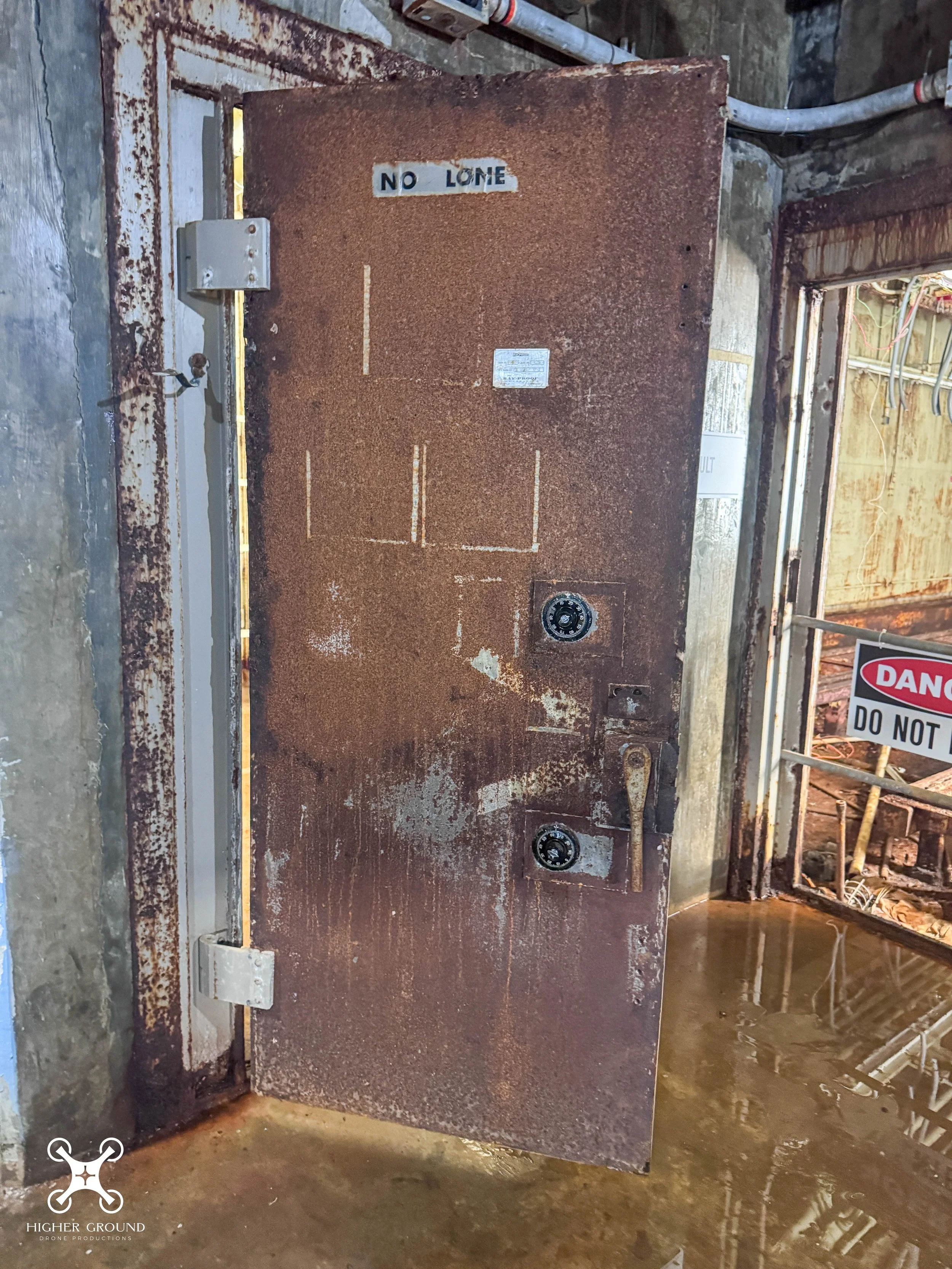
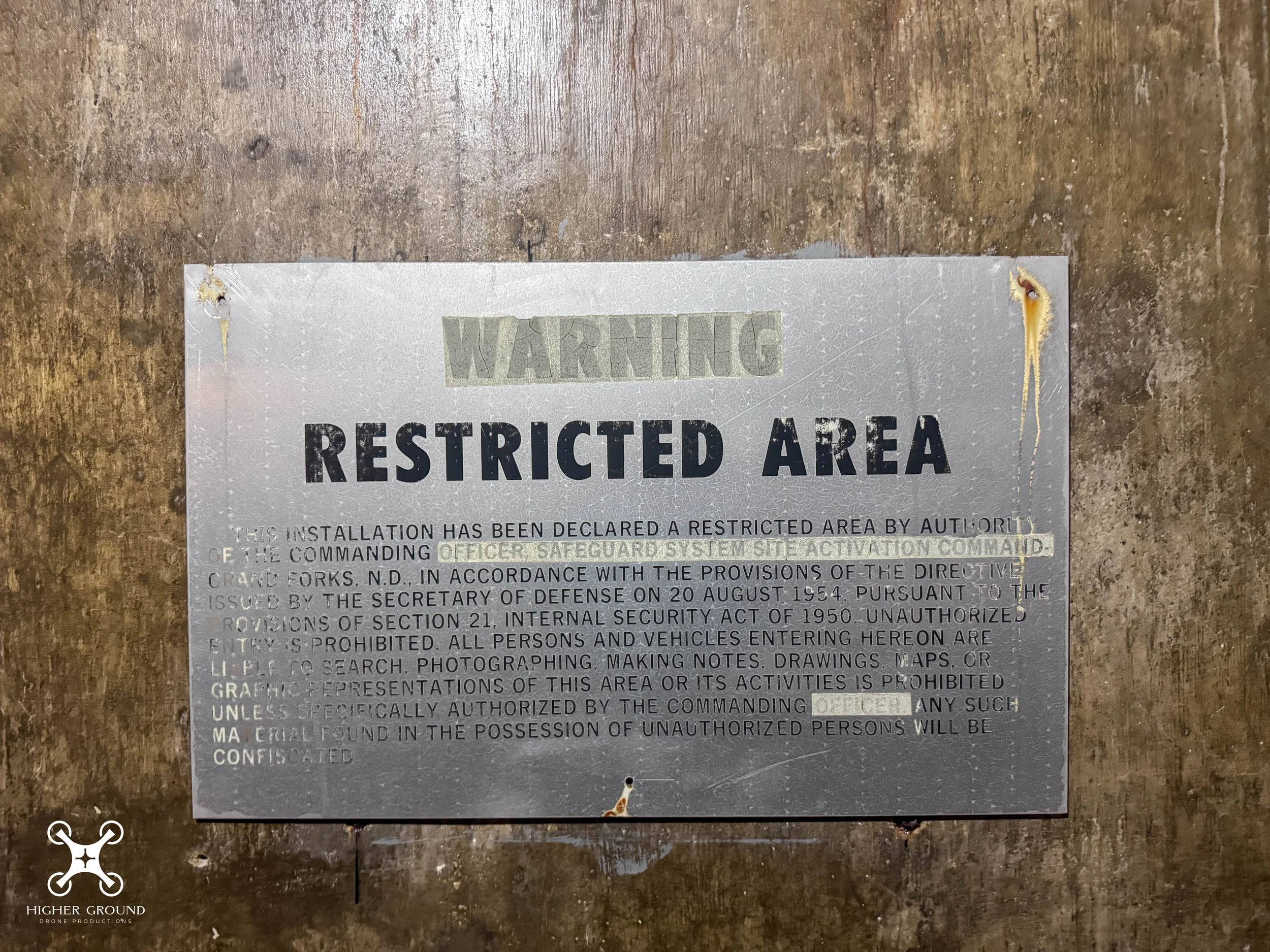
Remote Sprint Launcher #3 Missile Site. This site is near by the pyramid and was part of a secret 1970s nuclear defense program that is now open to the public. It’s a longer tour than I anticipated - but worth it.
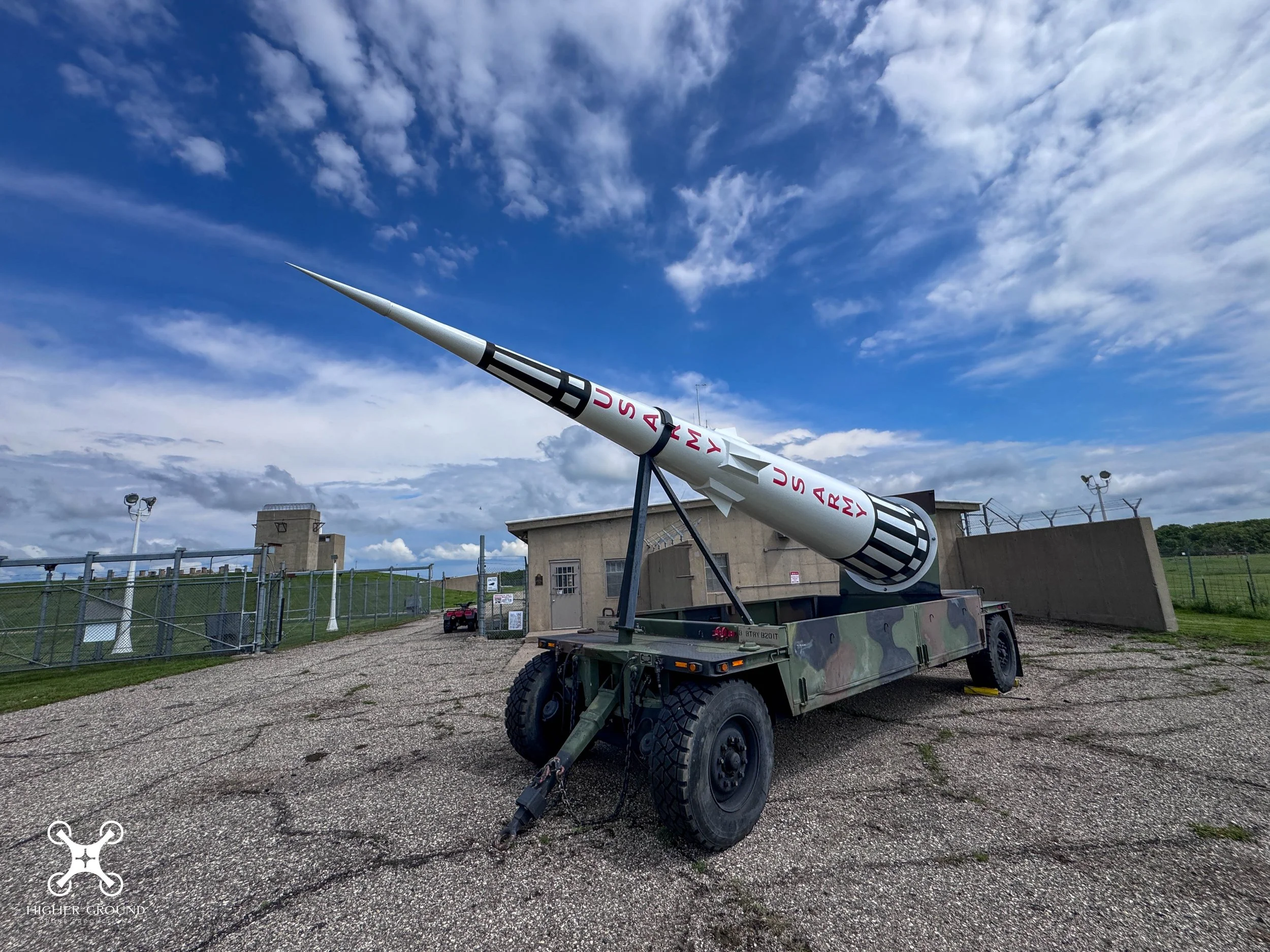
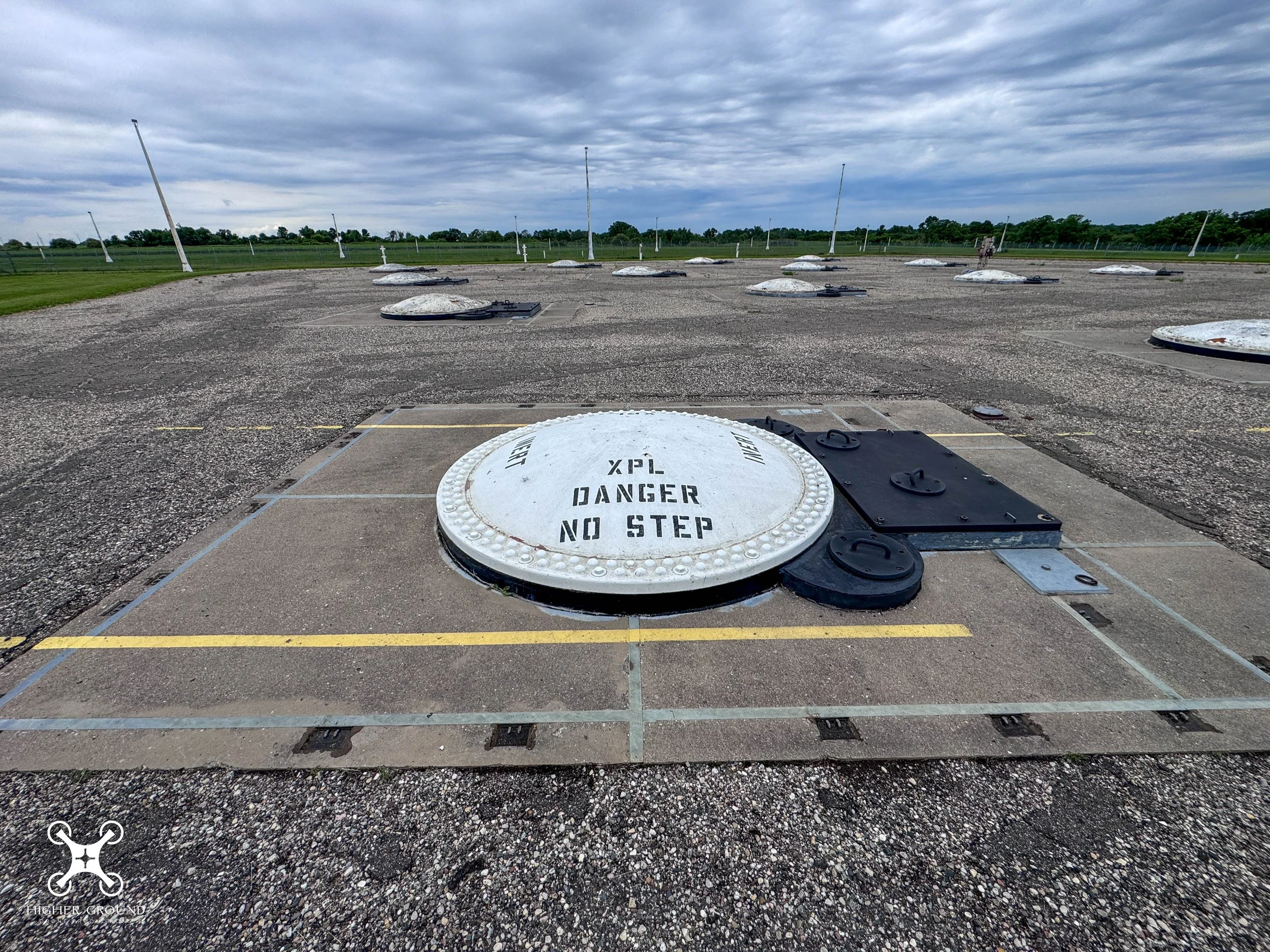
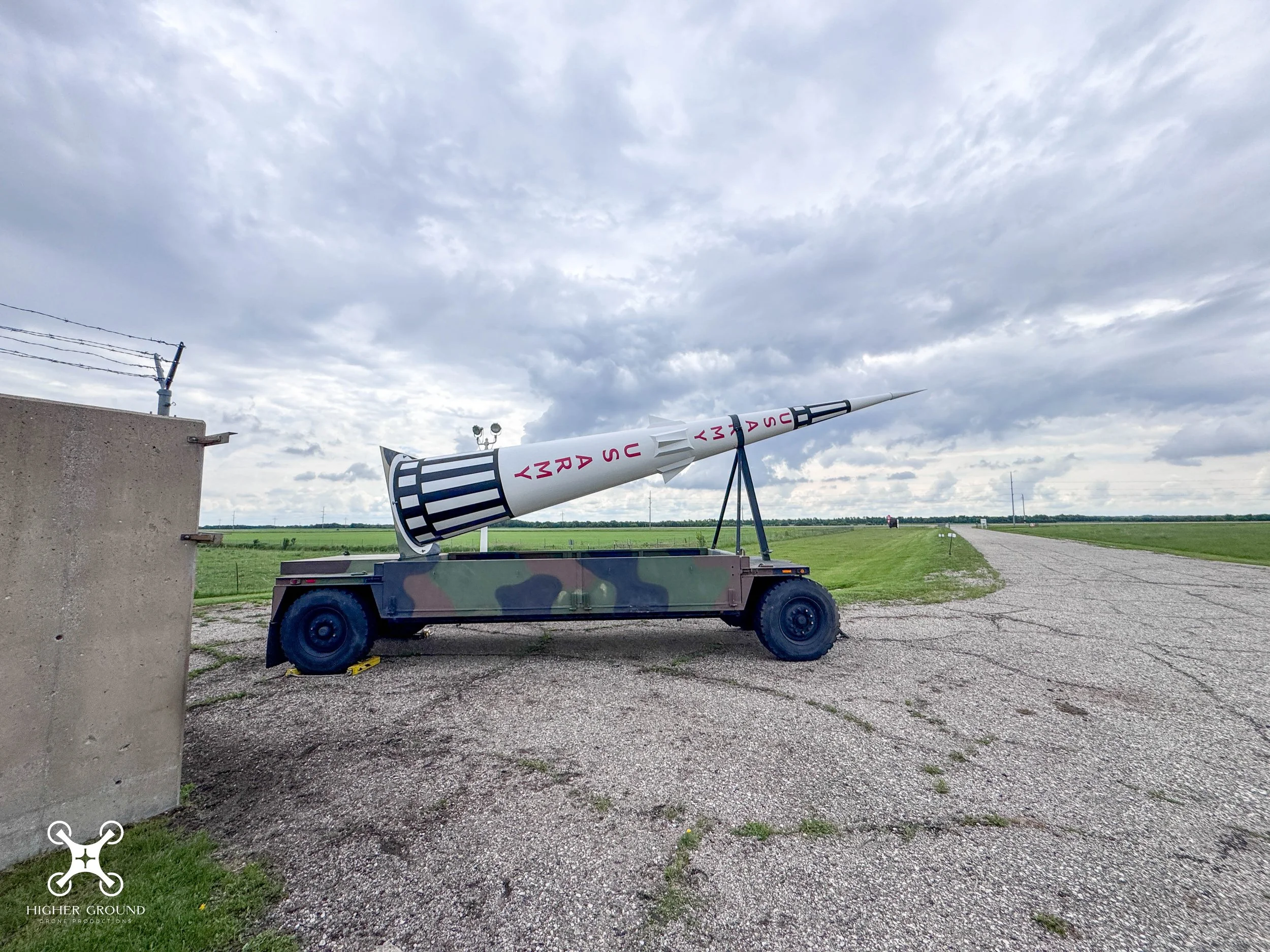
This is a must-see if you are interested in Cold War history. It is located about 30 miles from the North Dakota Pyramid, this Remote Sprint Launcher (RSL) is part of the Stanley R. Mickelsen Safeguard Complex built in the 1970s to shoot down incoming nuclear weapons. The site itself contains 30 old Sprint and Spartan missile silos, and there is a Sprint replica at the entrance. Sprint missiles were developed in the early 1970s specifically to intercept missiles re-entering the atmosphere, and the Mickelsen complex held 16 of them in total.
In just seconds, these missiles could travel at over 7,600 miles per hour, and they generated temperatures of up to 6,200 degrees Fahrenheit. High production costs and the emergence of the daunting Soviet MIRV missiles, however, meant that Sprints saw a very short period of production. Sprint silos like those at the RSL are a rare windows into a brief and terrifying moment in American history.
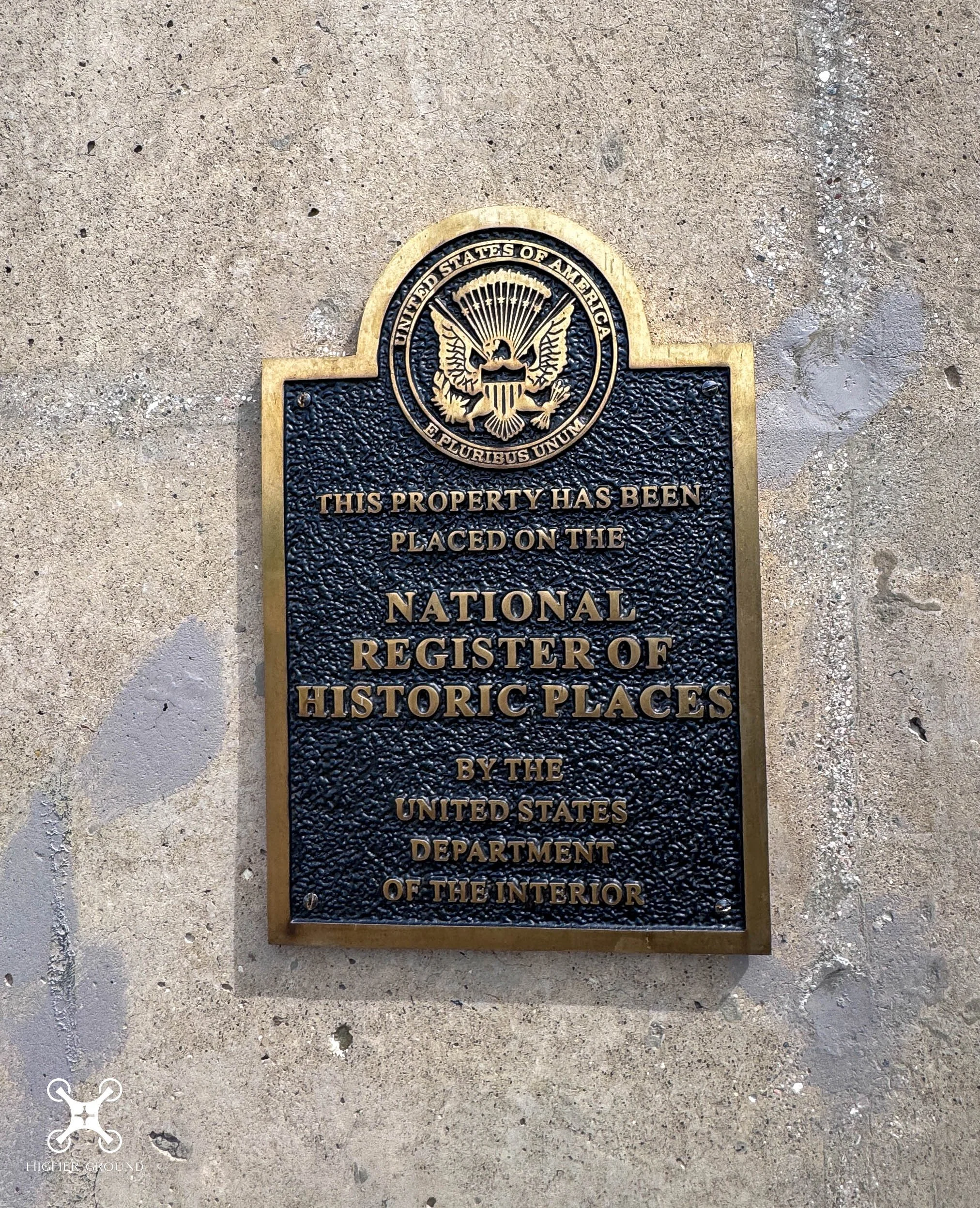
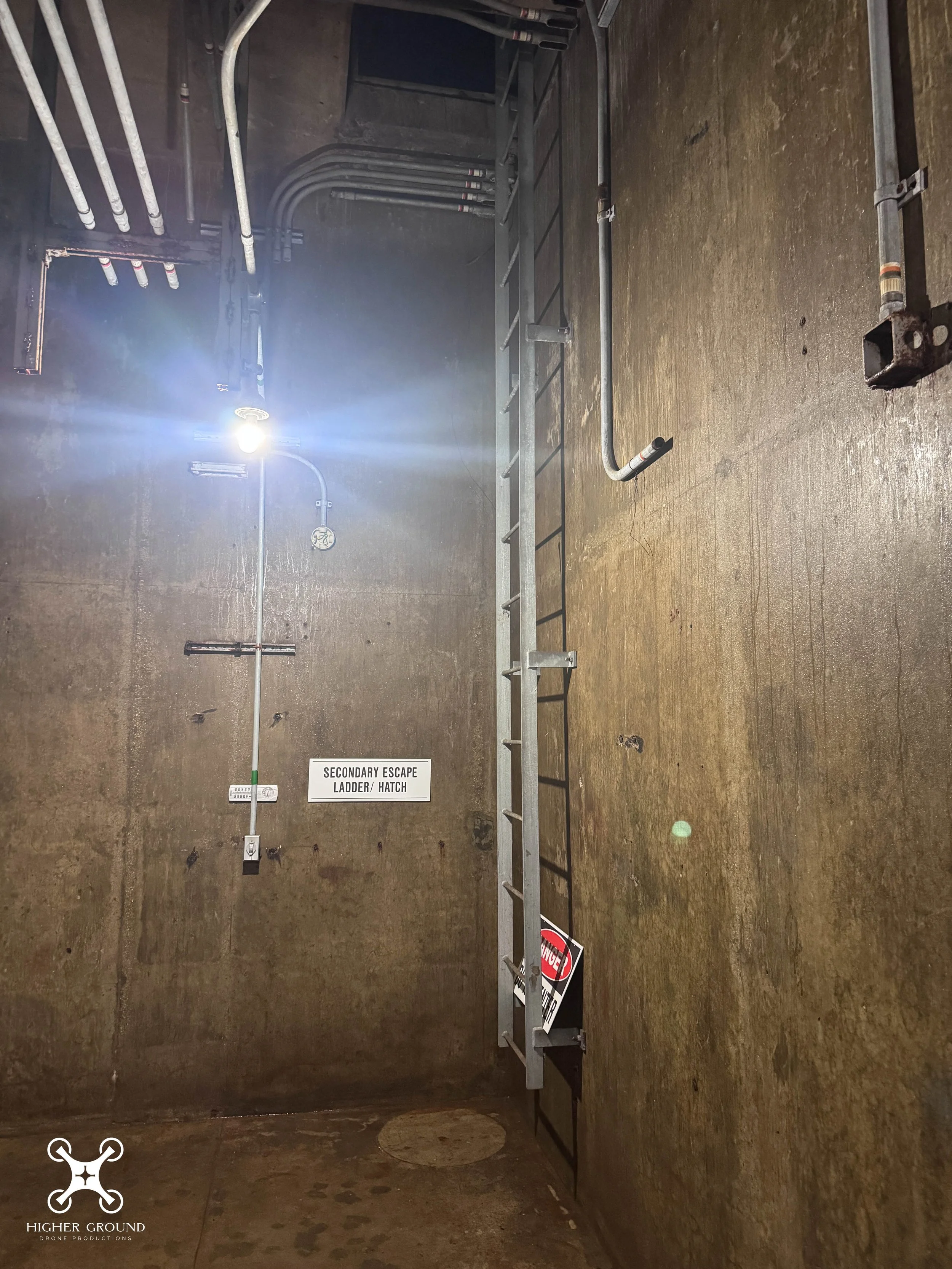
The RSL, which also features a large underground bunker designed to survive a near miss from a nuclear missile, is a registered National Historic Landmark. The tours are small, the staff is friendly and informative, and the site is in good shape. Watch out for the cow manure in parking lot!