More Paphos and Sergius Paulus
“Then the proconsul (Sergius Paulus) believed, when he saw what had occurred, for he was astonished at the teaching of the Lord….Now Paul and his companions set sail from Paphos….but they went on from Perga and came to Antioch in Pisidia.” Acts 13:12-14.
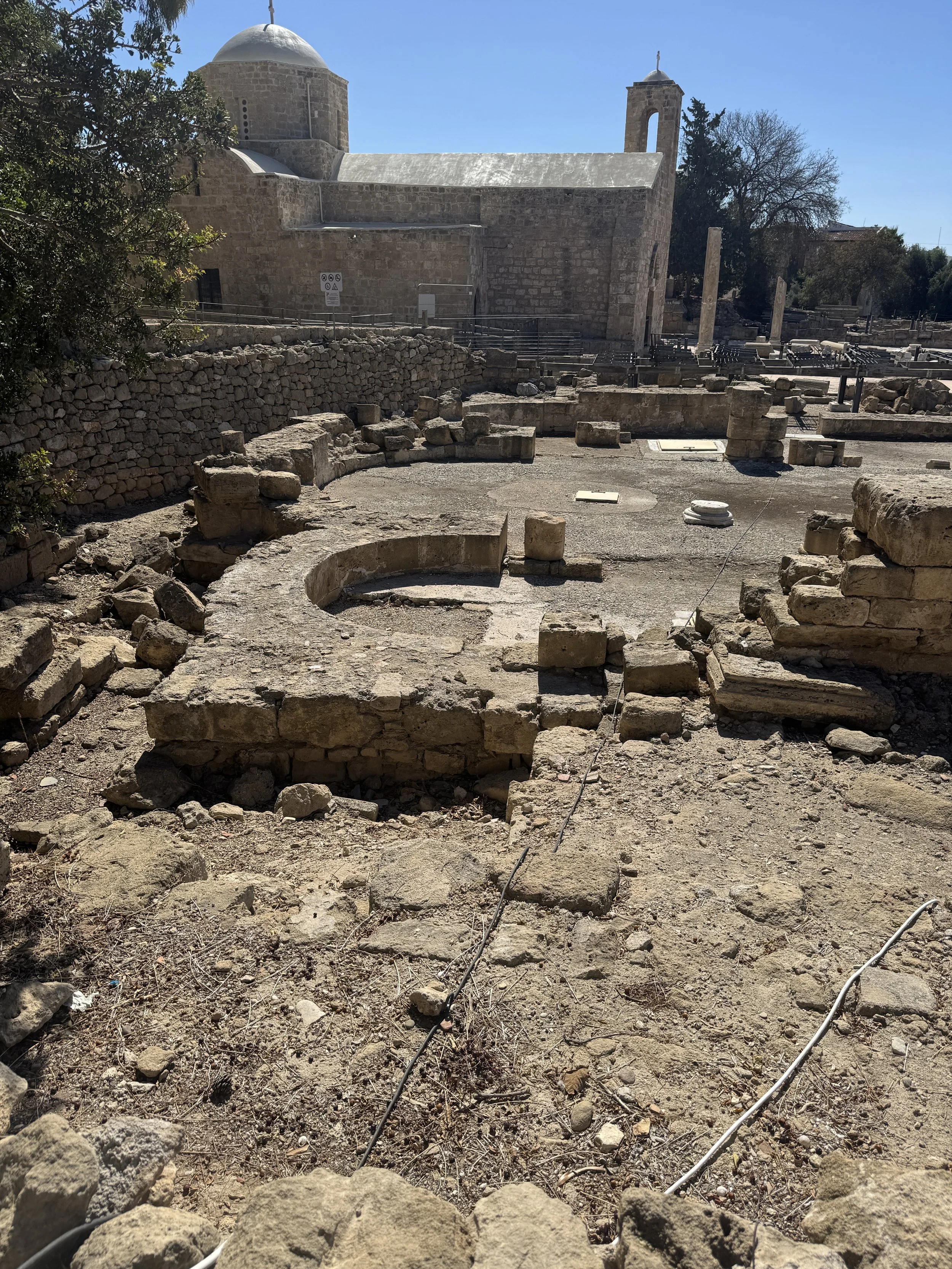
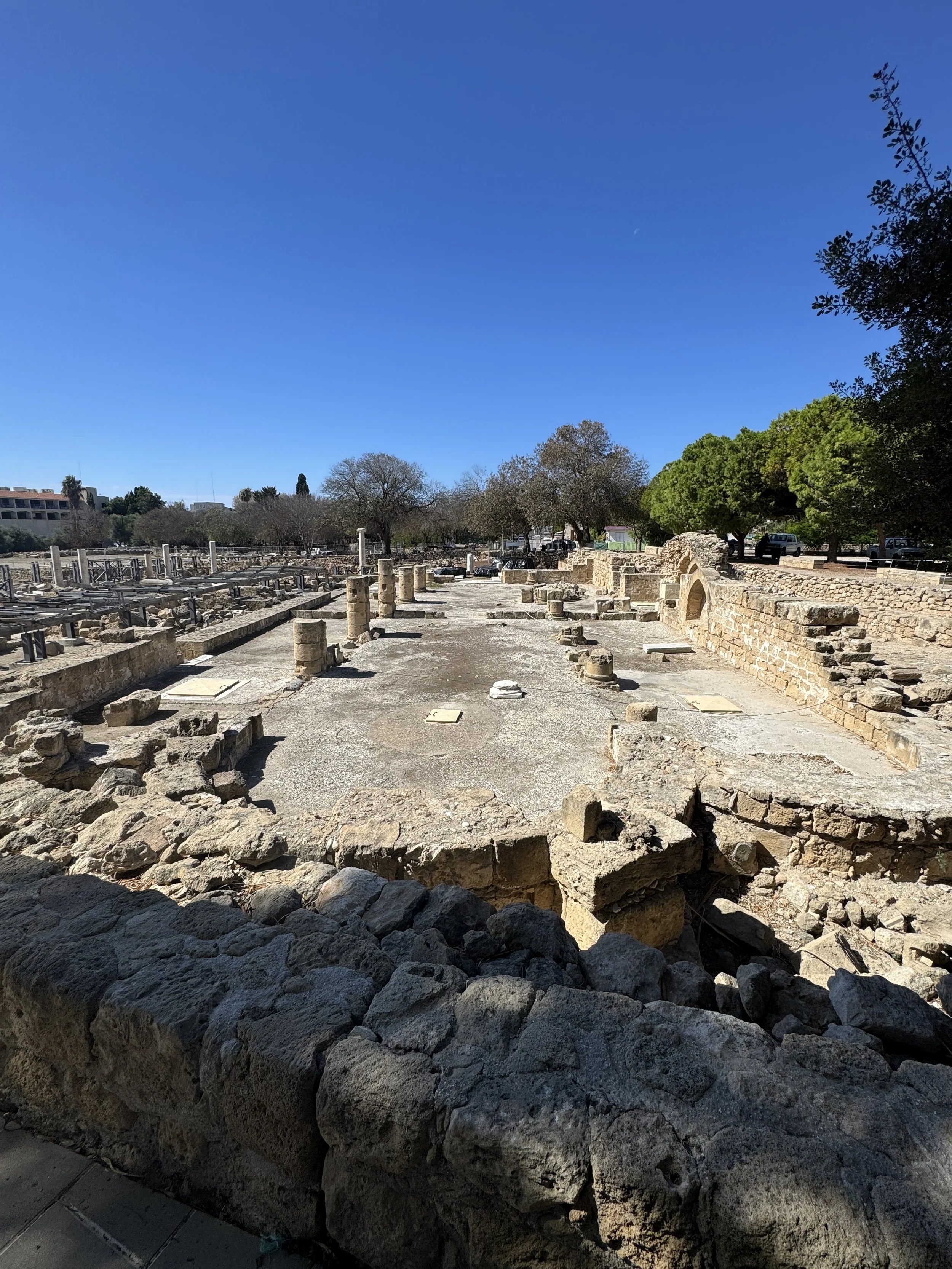
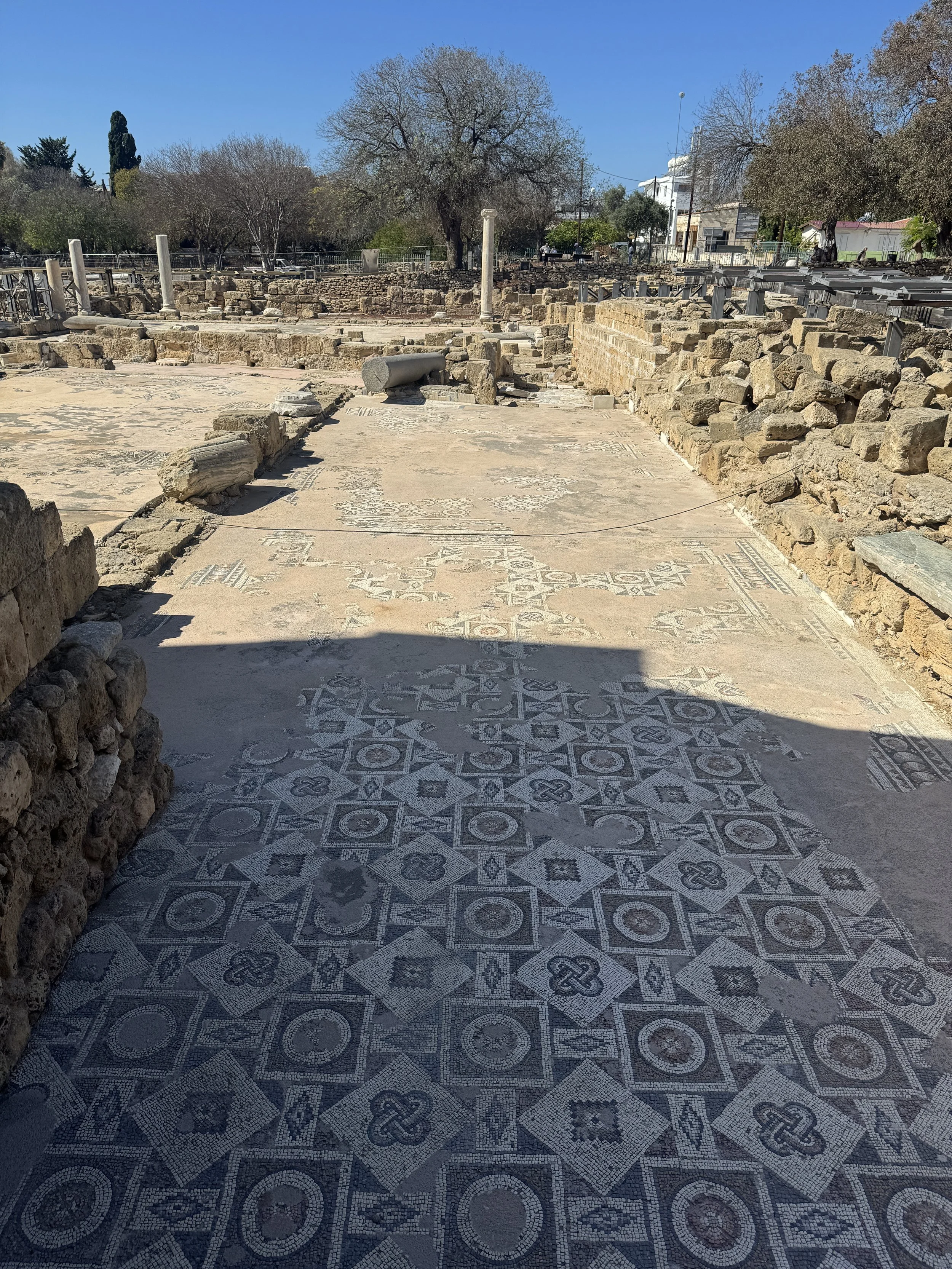
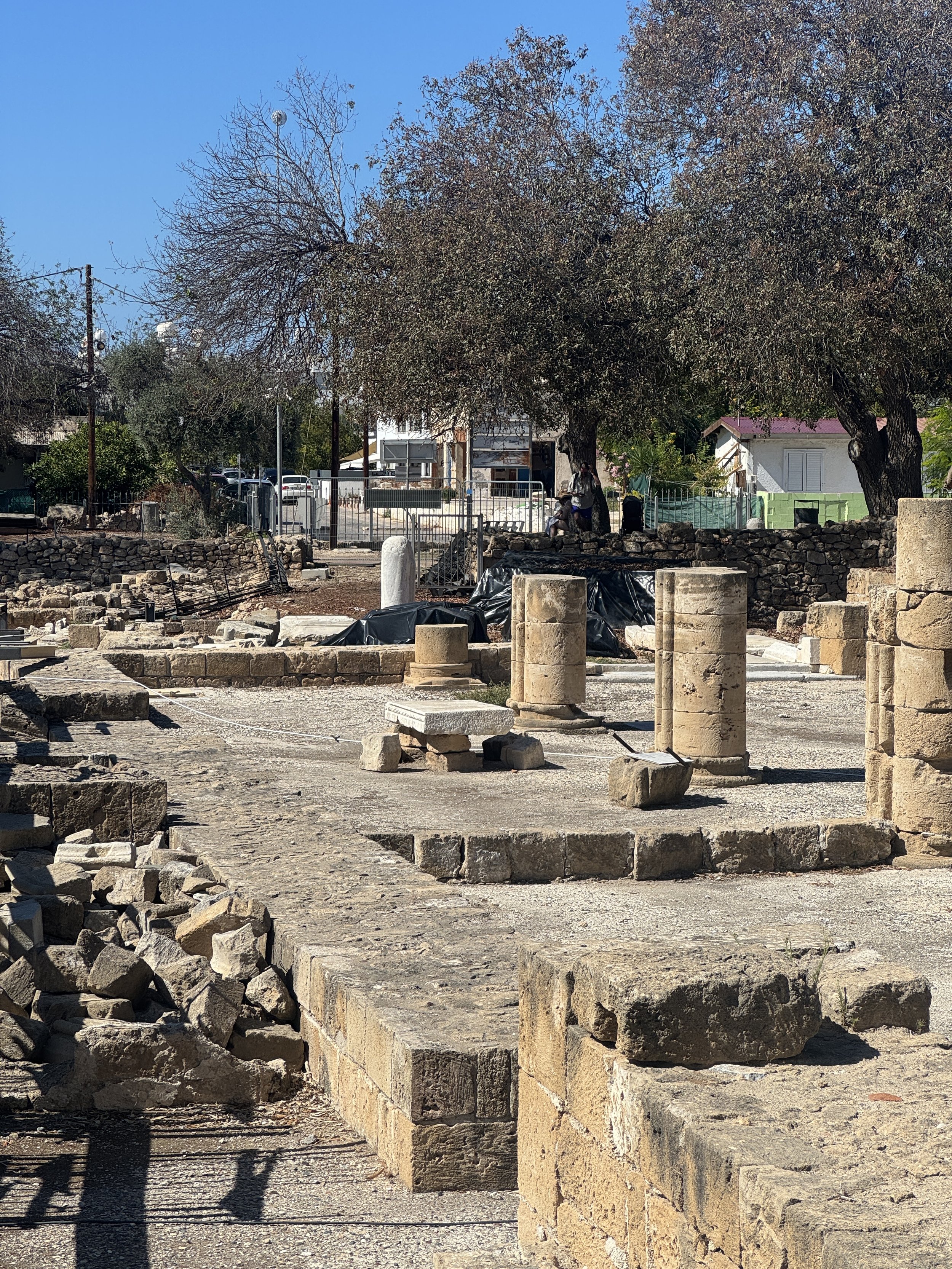
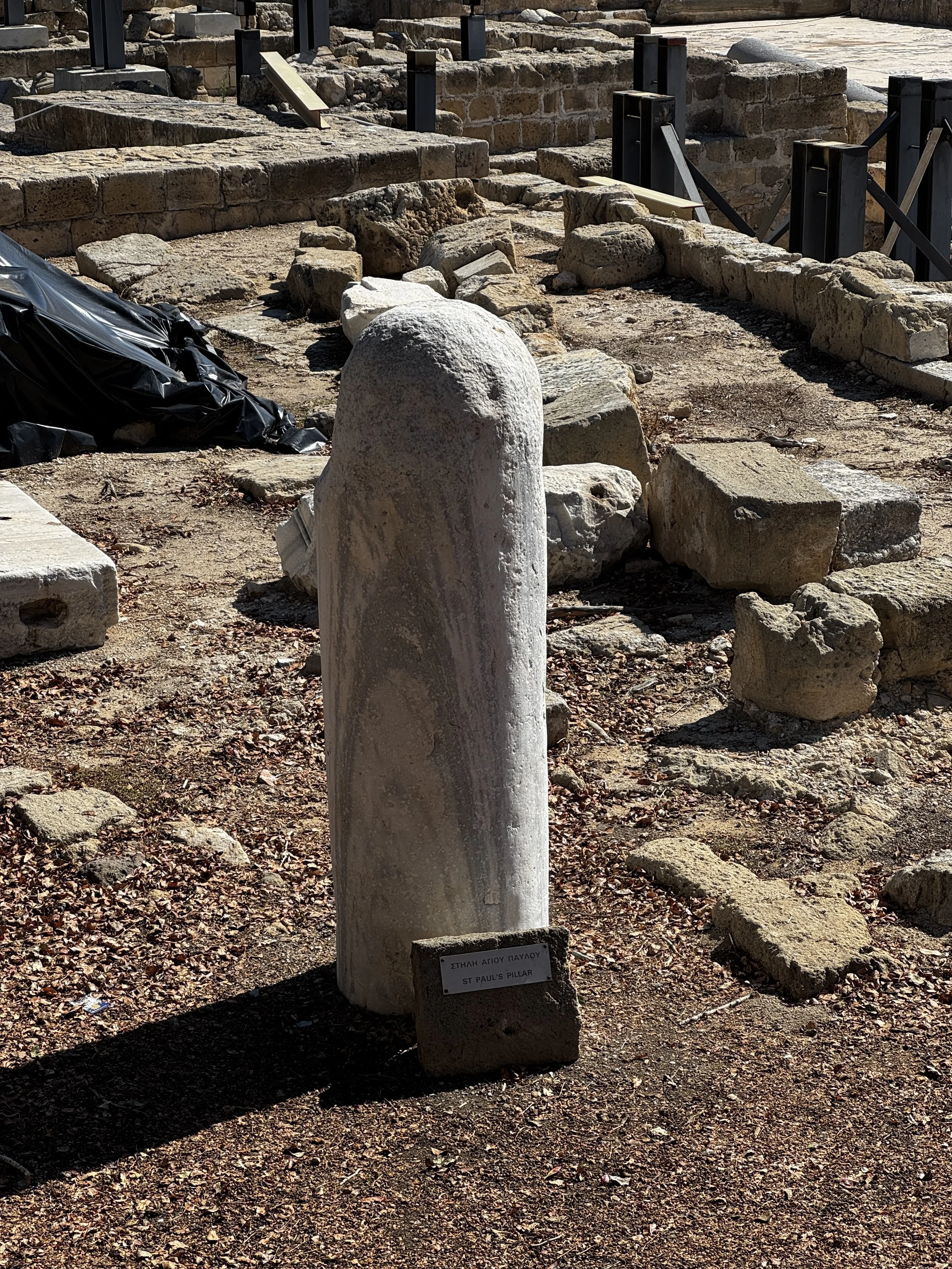
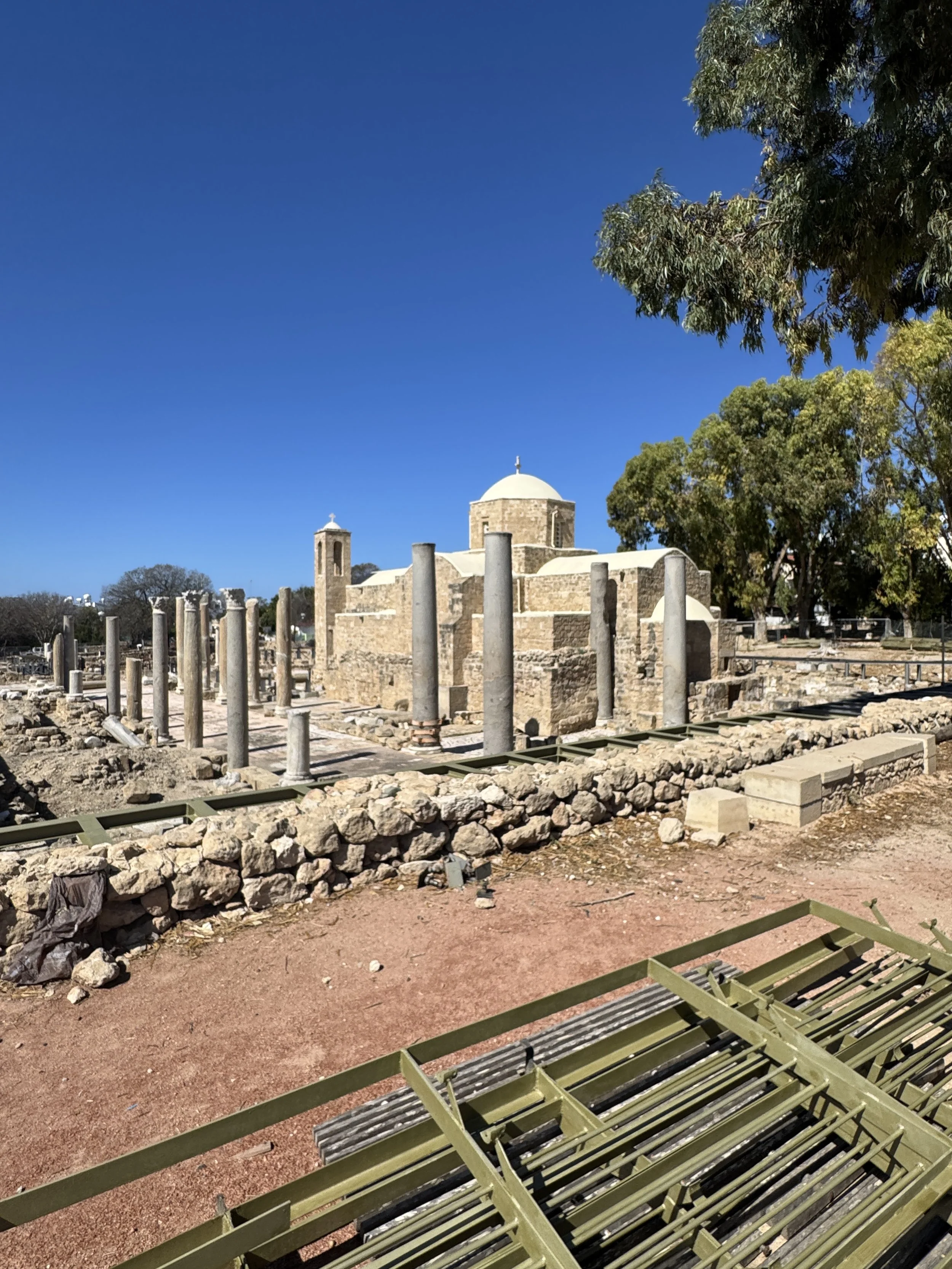
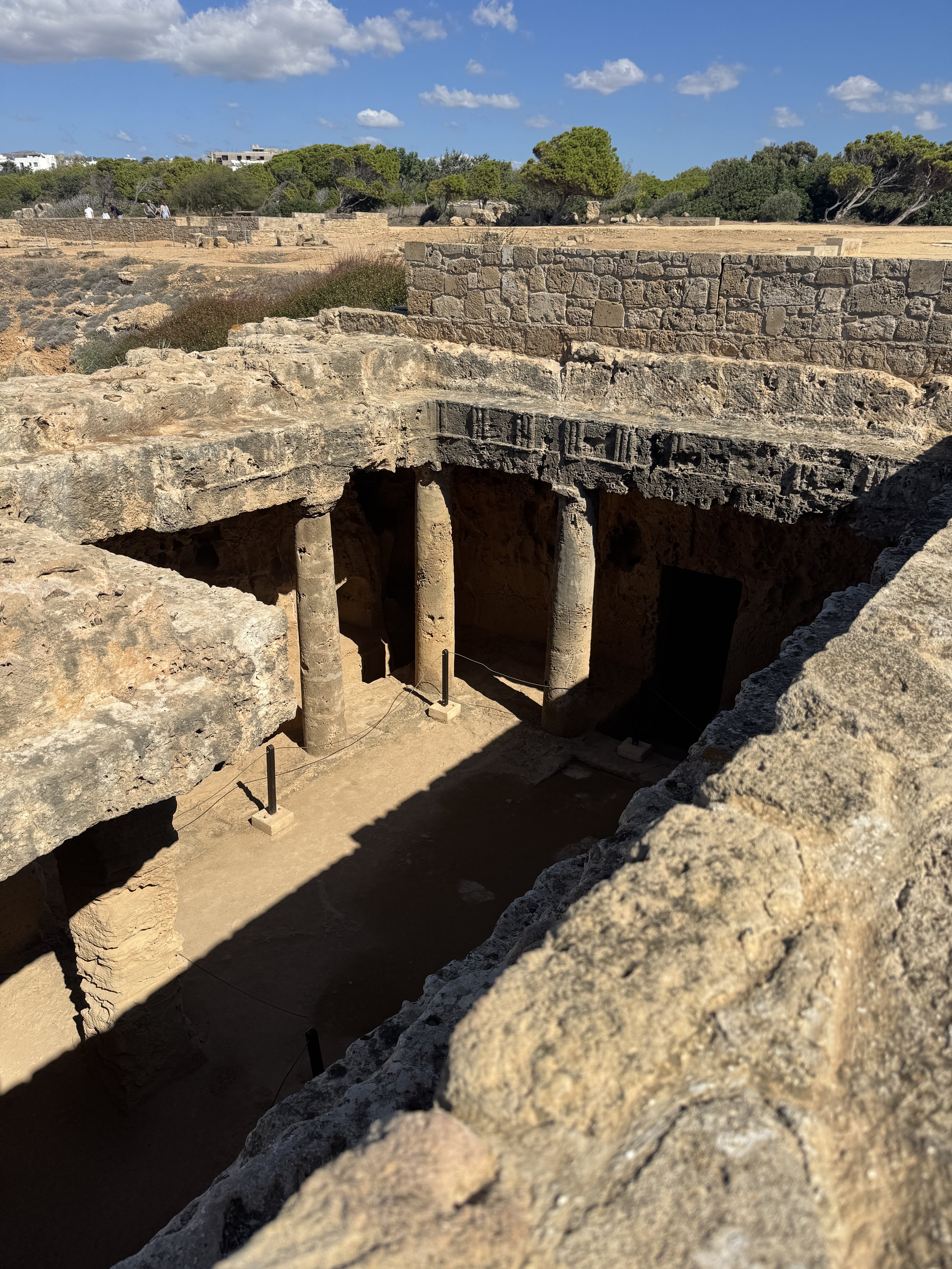
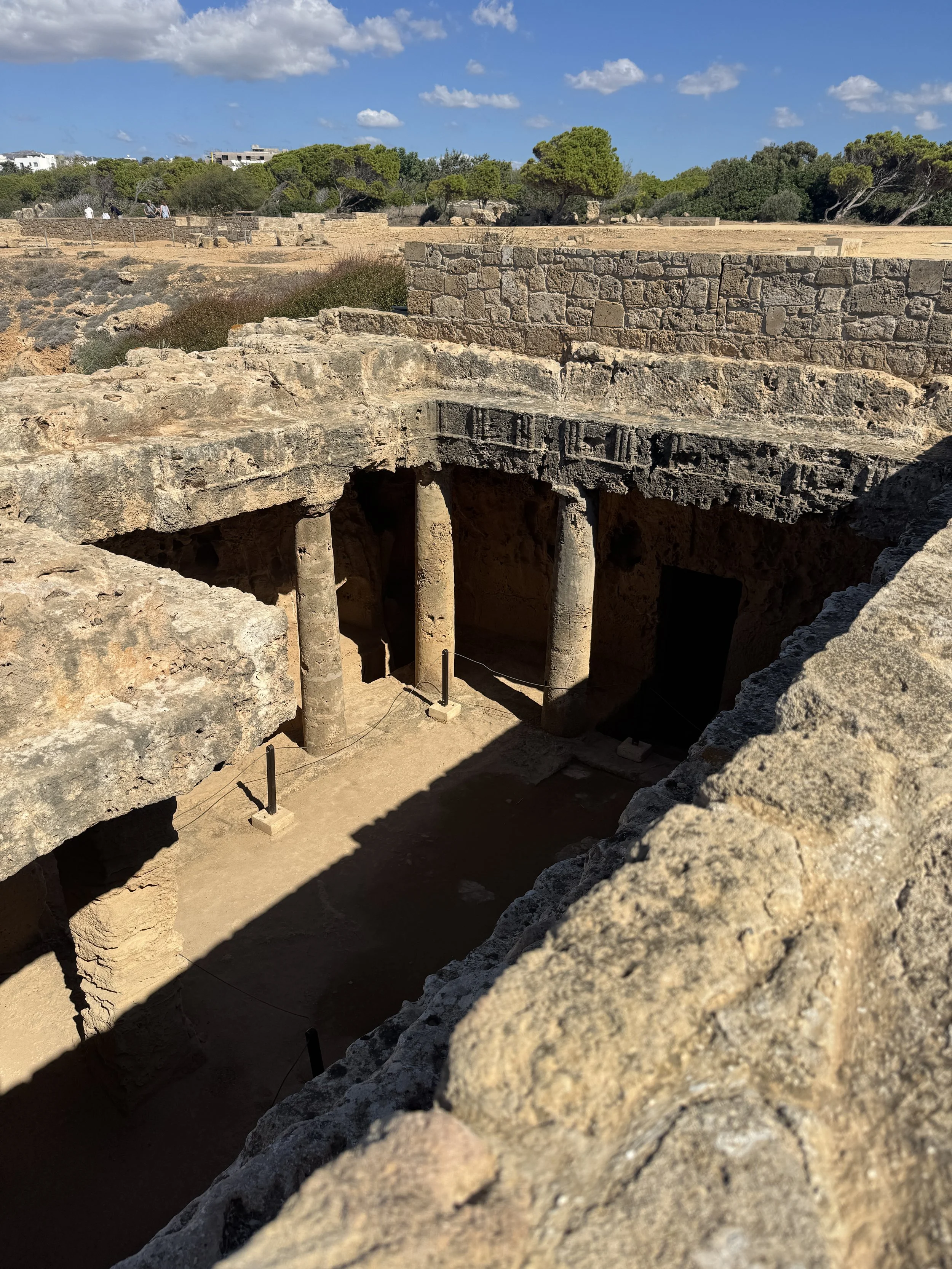
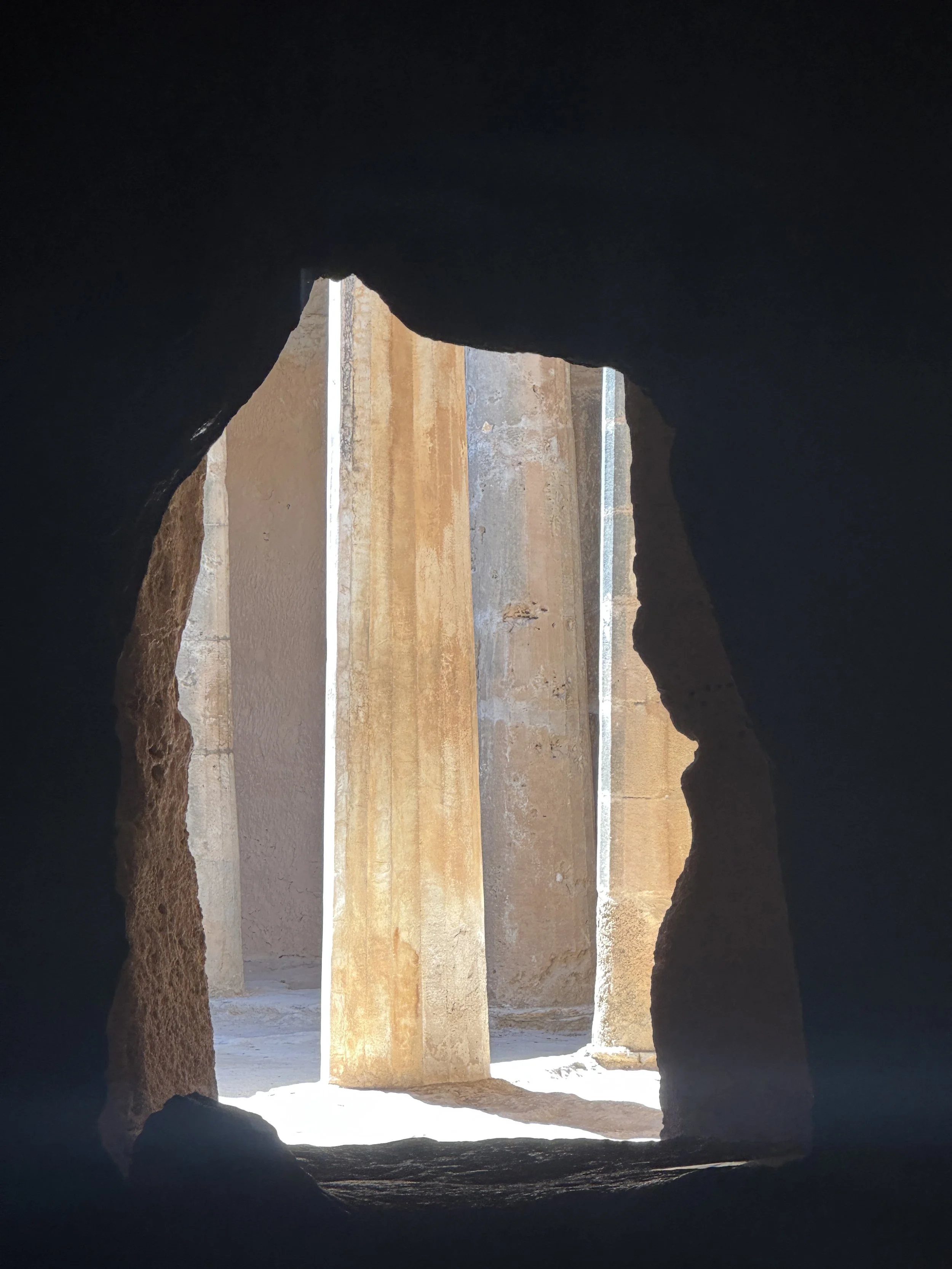
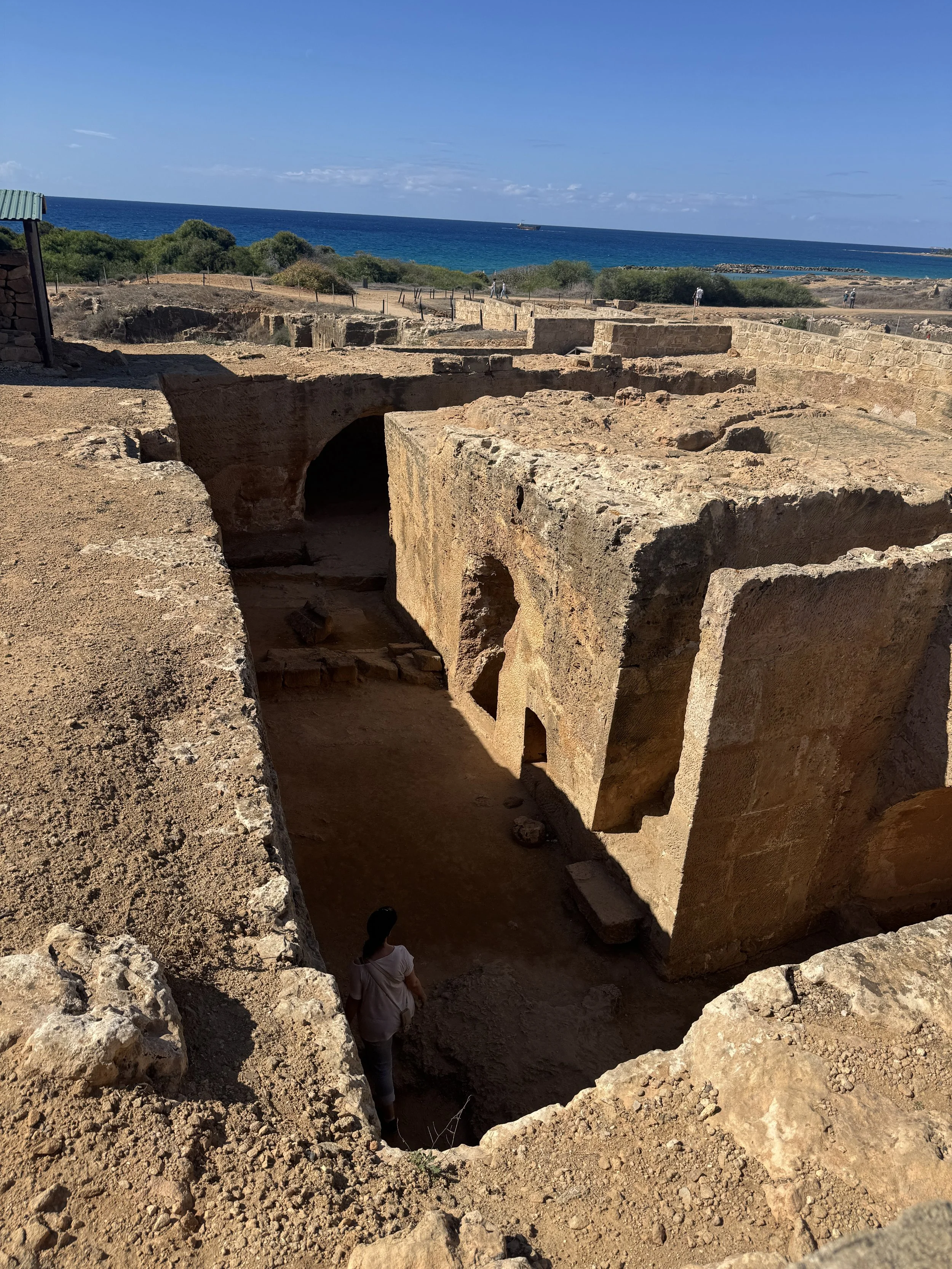
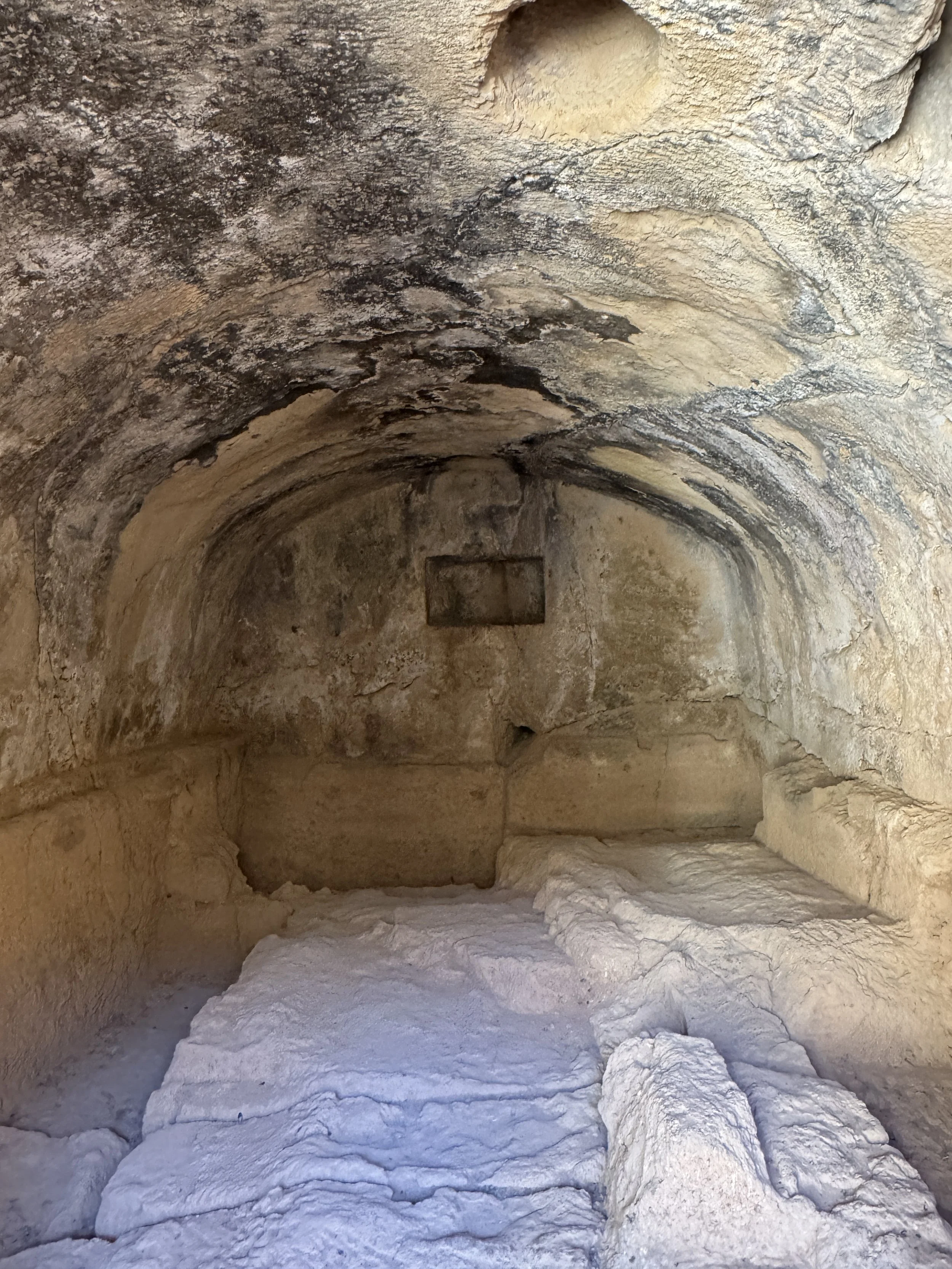
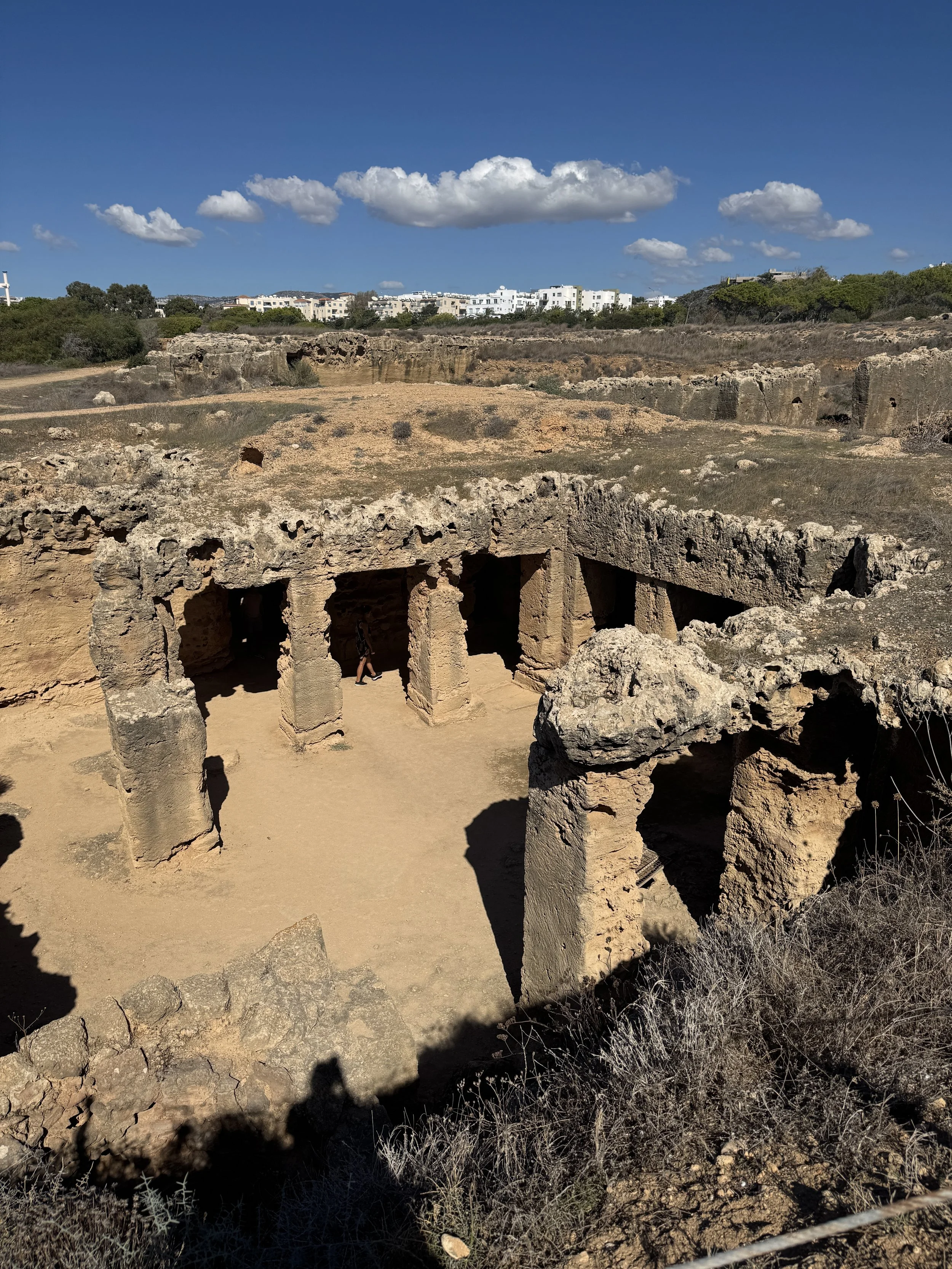
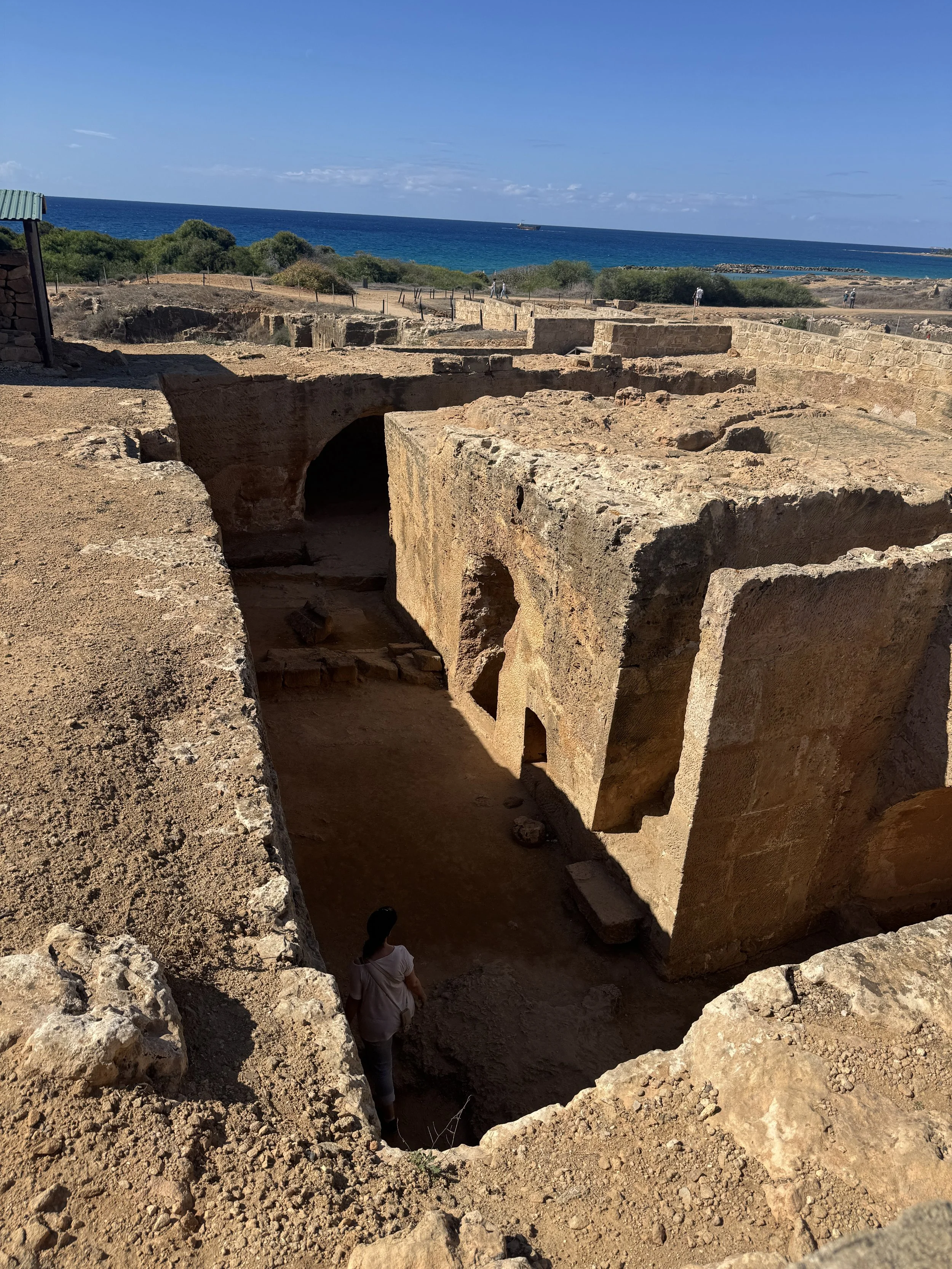
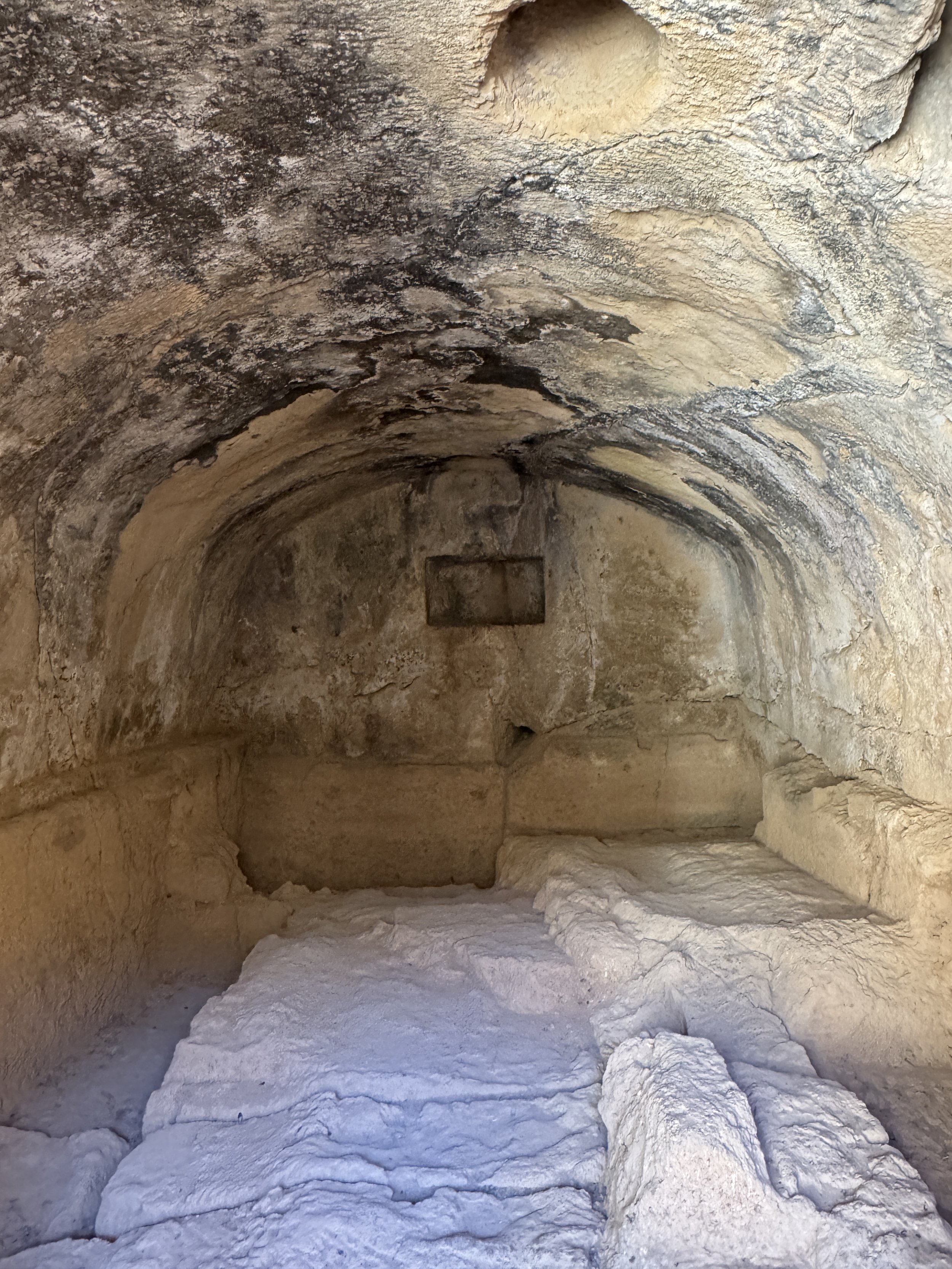
After visiting the Nea Paphos archaeological site (last week’s post), we explored a nearby area of early Byzantine churches. This includes a column identified by local tradition as the pillar where Paul was scourged in Paphos—not mentioned in the biblical text. We also visited the “Tombs of the Kings,” a necropolis of impressive rock-cut tombs outside the city. Dating to the Hellenistic period, when Paphos was ruled by the Ptolemies, these tombs show a strong Egyptian influence.
Sergius Paulus, the Roman proconsul of Cyprus in Paphos, enters the story in Acts. Here he heard Paul and Barnabas and responded favorably to the gospel—an encounter that coincides with Saul being called Paul. Soon afterward, the Paul’s mission moved into Asia Minor.
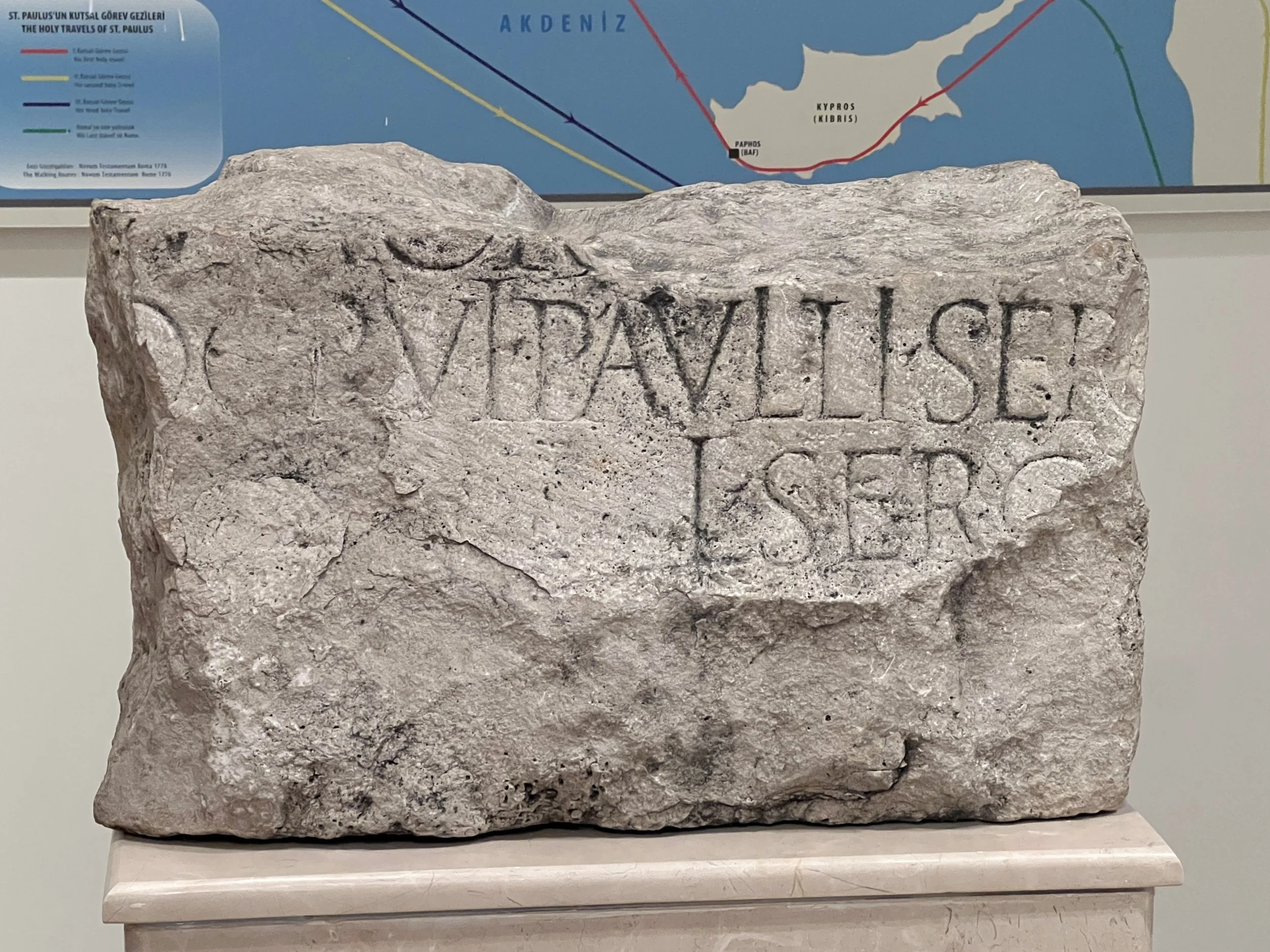
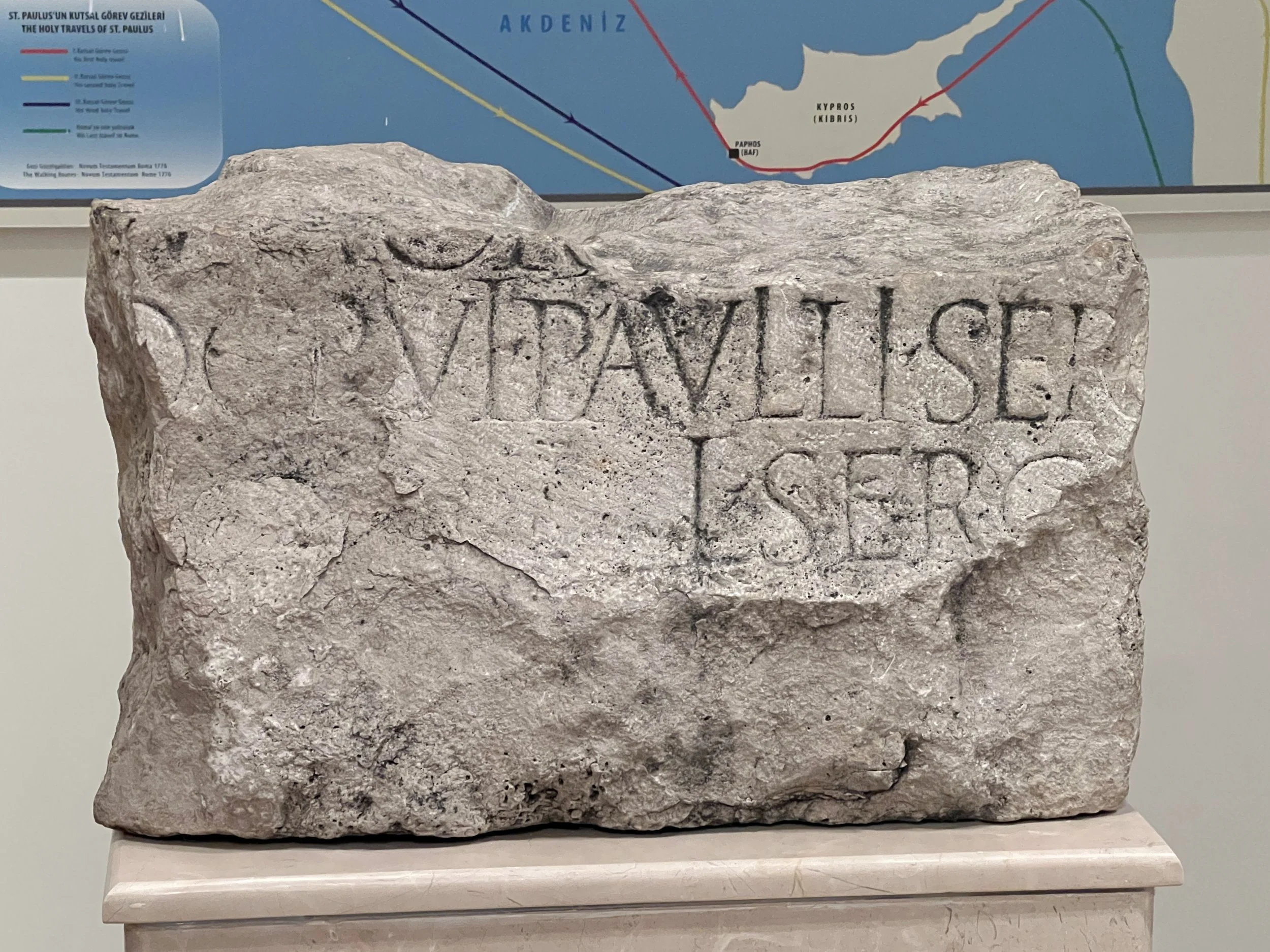
Paul’s next major stop was Pisidian Antioch, a prominent Roman colony with documented ties to the Paulus family, known from inscriptions in the region, including the one pictured that we saw in the Yalvac Museum near P. Antioch, Turkiye. The transition from Paphos to Pisidian Antioch may reflect Roman connections and suggest that Paul’s encounter with Sergius Paulus in Paphos helped open doors for the gospel in Roman ruled Anatolia (Türkiye).
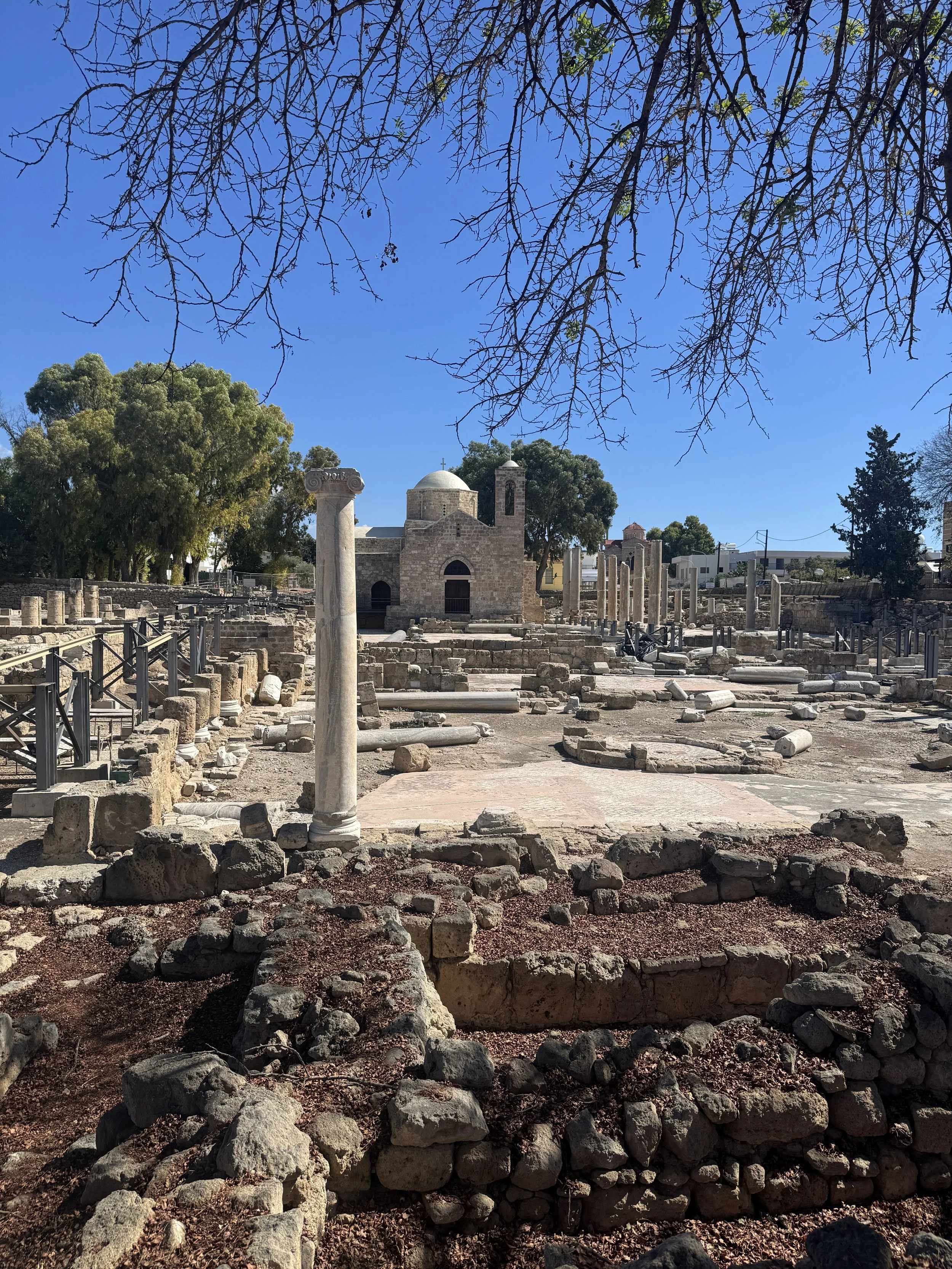
Paphos Cyprus. Agia Kyriaki Chrystopolitissa 4th c byzantine church. The original church was destroyed in 365 AD by earthquake, one of the oldest Christian churches in the world.