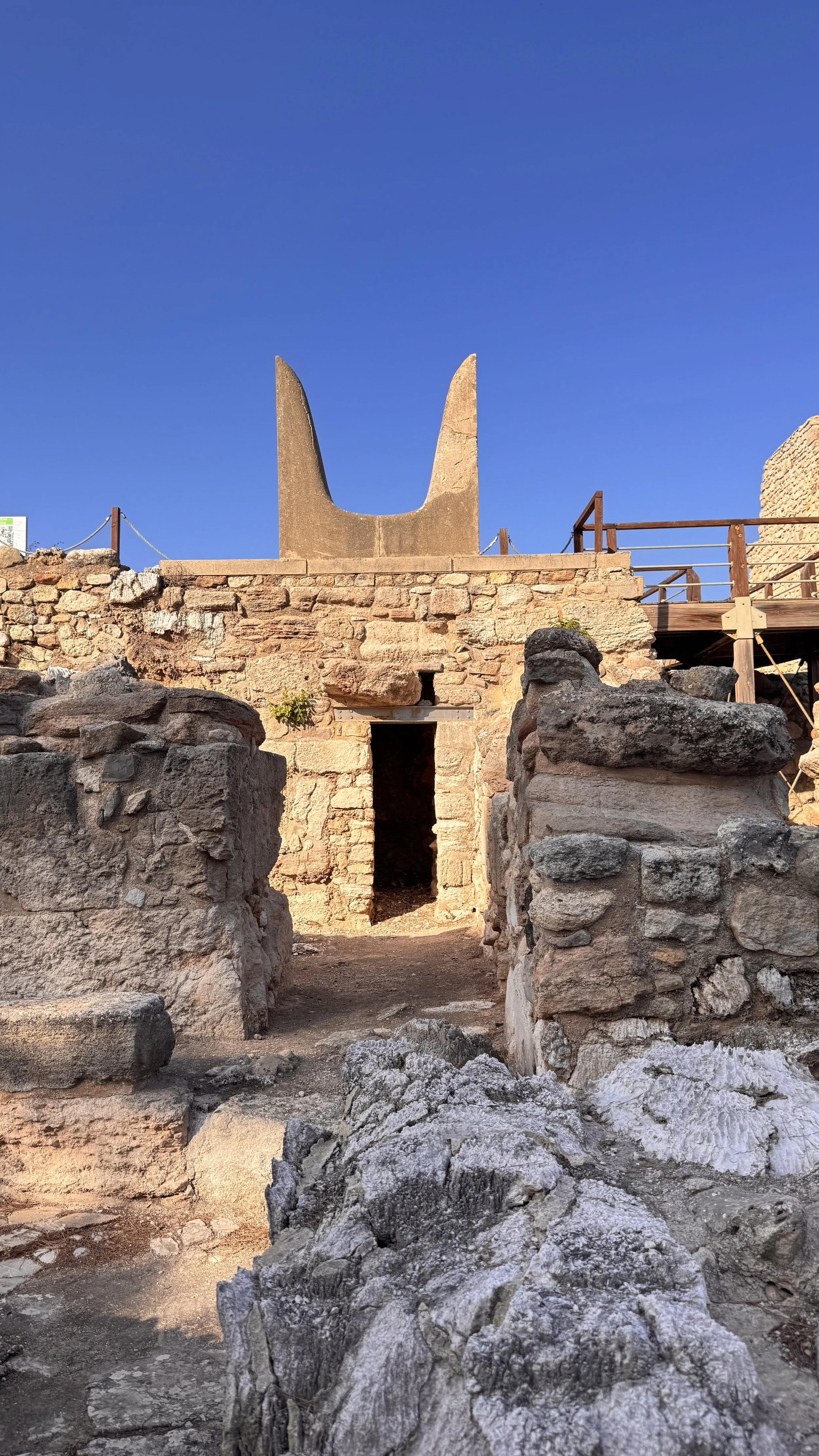
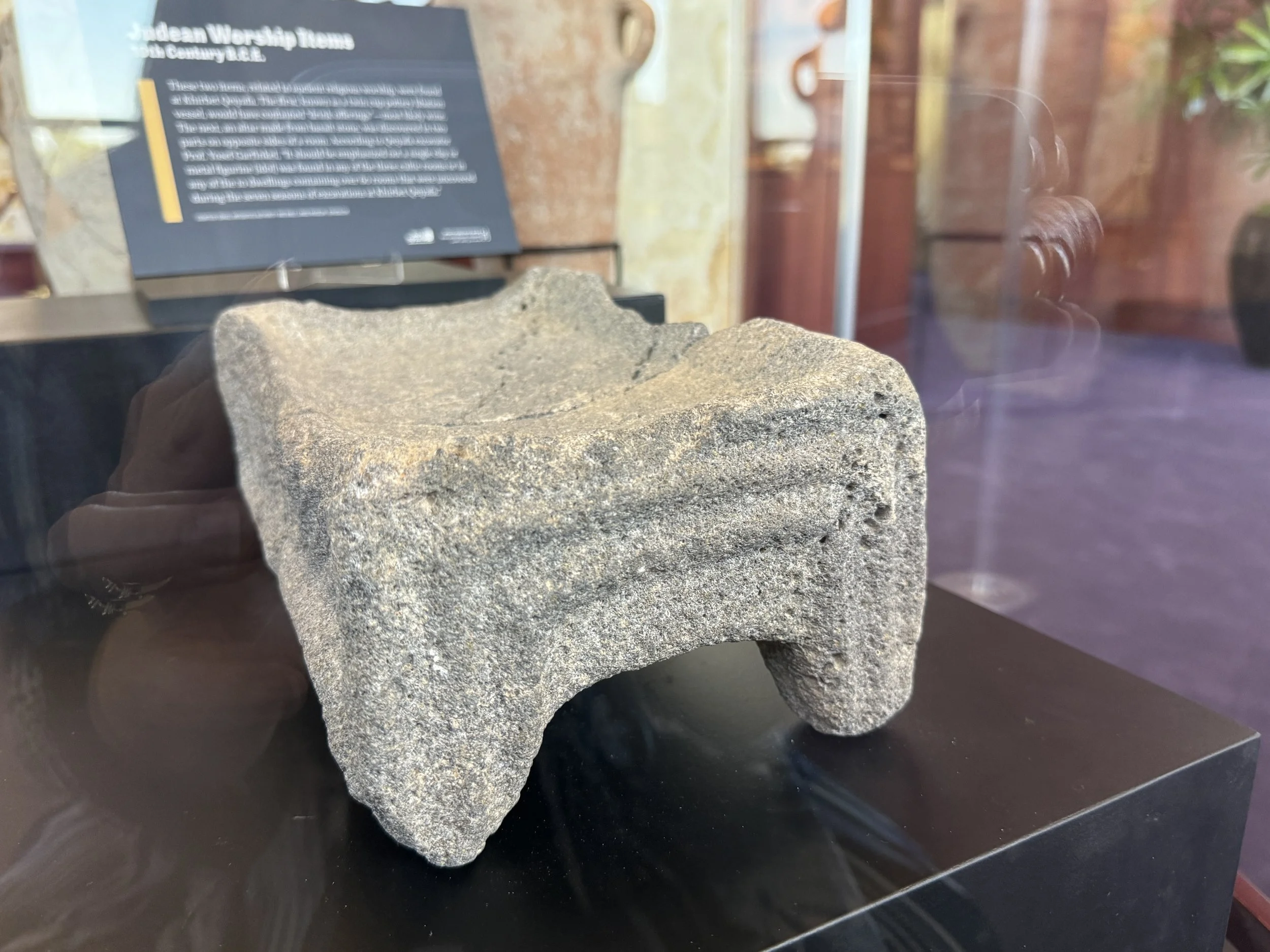
Four Horned Altars
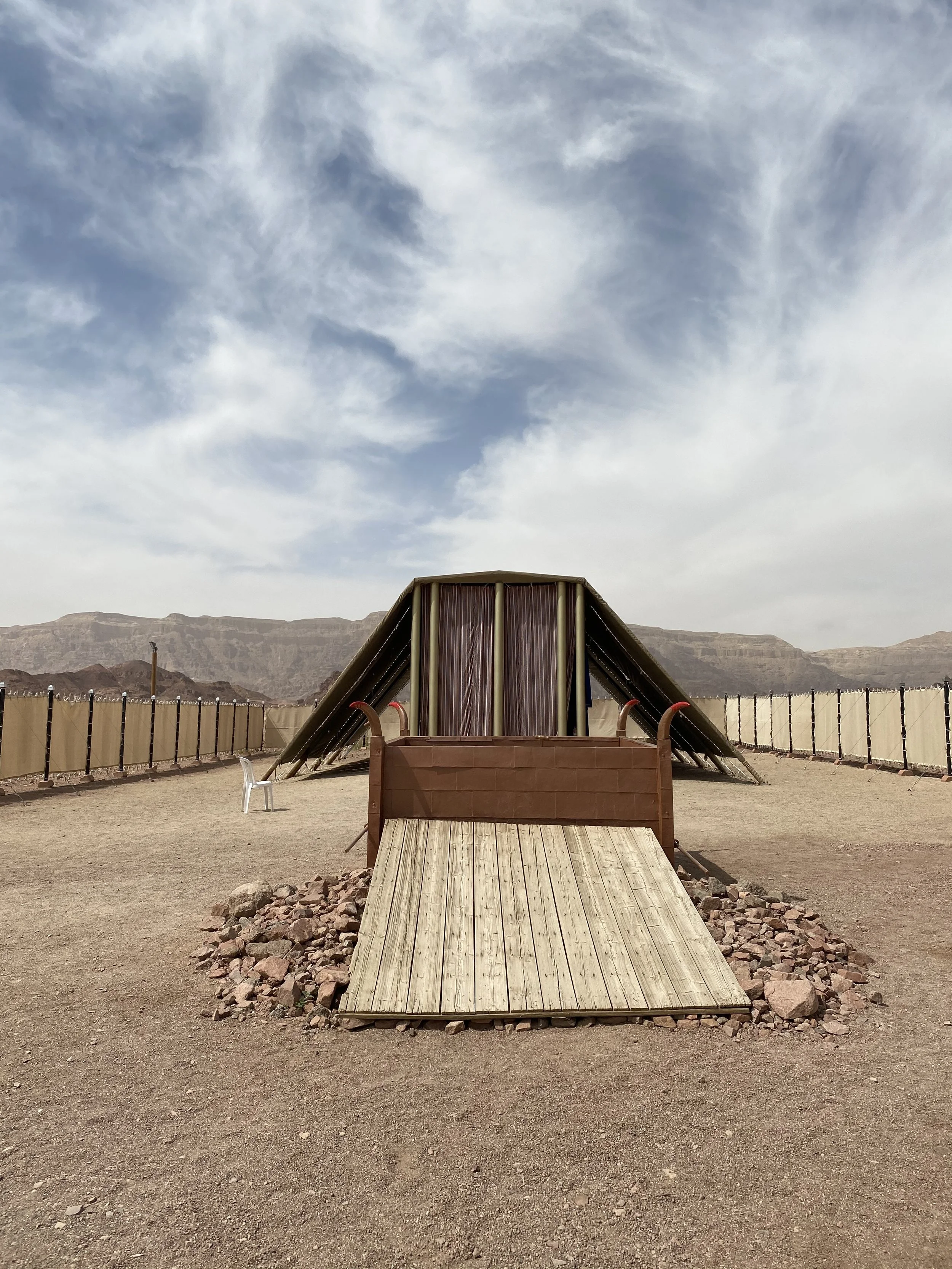
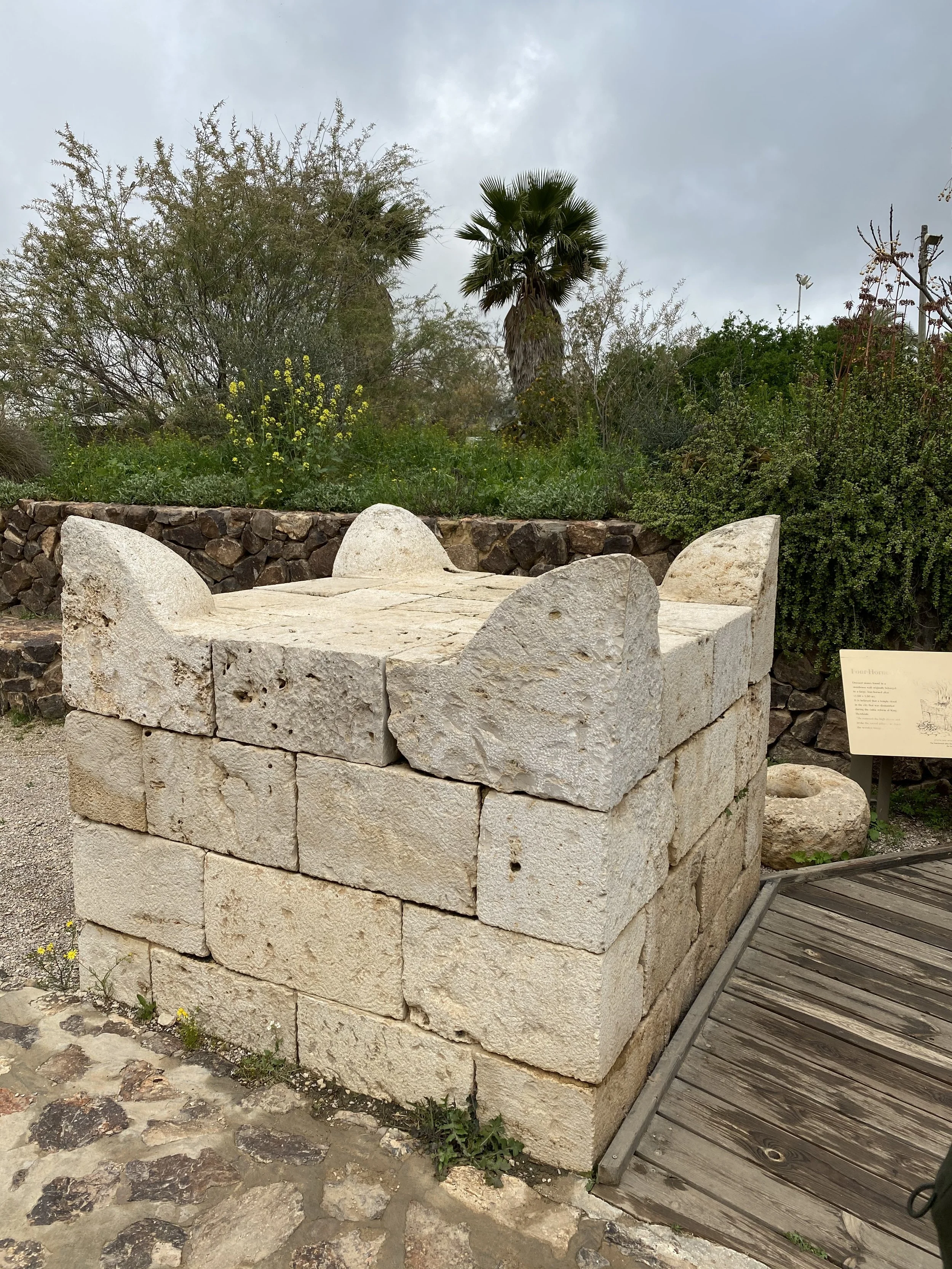
“You shall make the altar of acacia wood, five cubits long and five cubits broad. The altar shall be square and its height shall be three cubits. And you shall make horns for it on its four corners; its horns shall be of one piece with it and you shall overlay it with bronze.” Exodus 27:1-2
“And Adonijah feared Solomon. So he arose and went and took hold of the horns of the altar.” 1 Kings 1:50
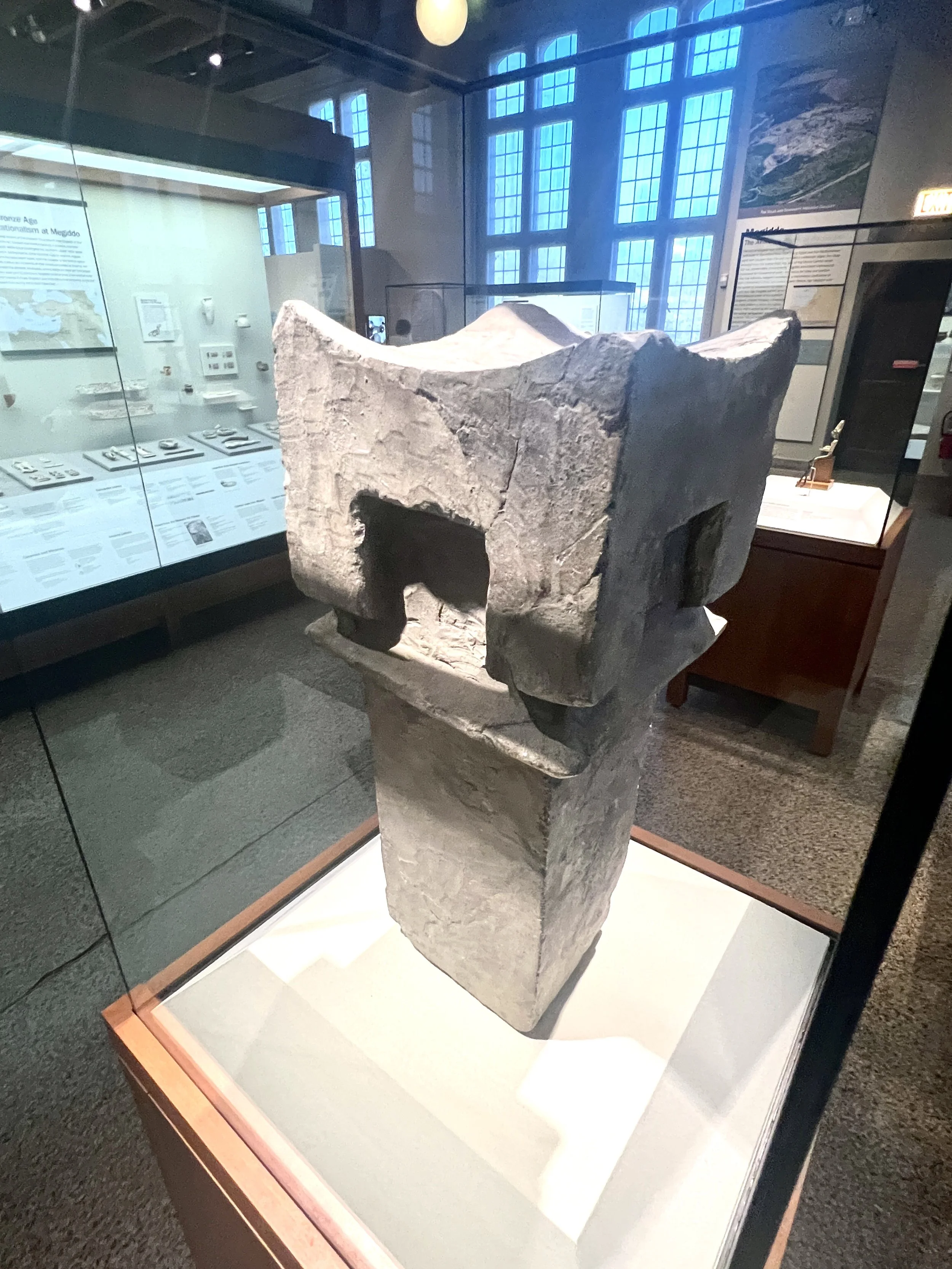
Four horned altars were common in the ancient Biblical world, and are described in detail in the Bible. Israelites rejected adornments to the altar such as images of magic or fertility. The Israelite four horned altar was a symbol of the strength of God’s authority and not a deity in its own right. As the verse from I Kings above demonstrates, clutching to the horns of the altar was a dramatic appeal for mercy or asylum. Blood from sacrifices was poured onto the horns as a symbol of atonement.
Archeology has shown that before the first temple in Jerusalem, many Israelite cities and towns had a place to worship Yahweh that included a four horned altar. The Bible condemns this local worship only when it becomes mixed with Baal or Ashram worship or worship of other local false gods. Once the first temple is built by Solomon and dedicated, God commands worship to be centered there “I have consecrated this house that you have built, by putting my name there forever.” 1Kings 9:3
Fortunately for us, Jesus is the fulfillment of all these temple and sacrificial rules. The ultimate sacrifice and atonement for our sin!
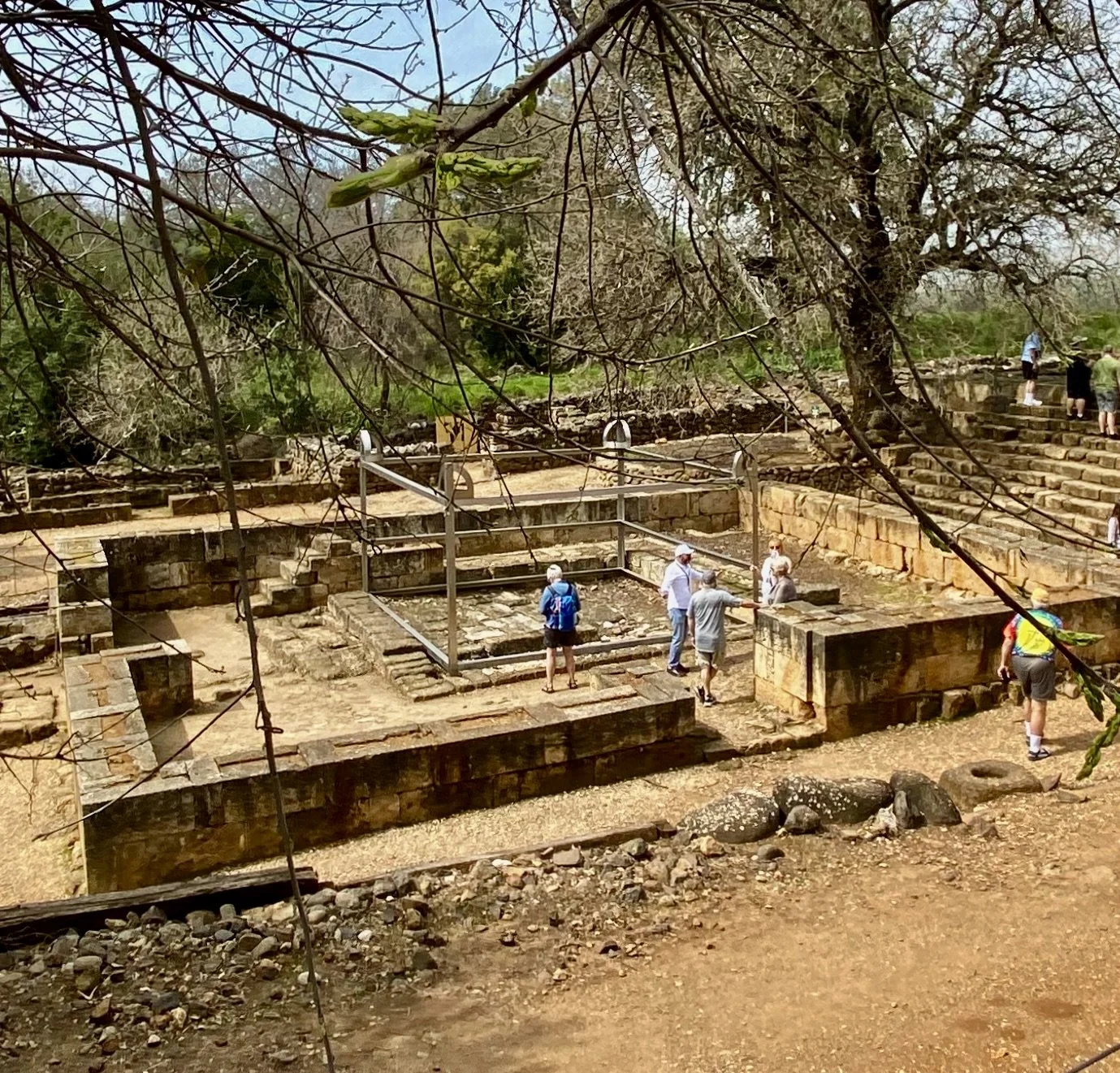
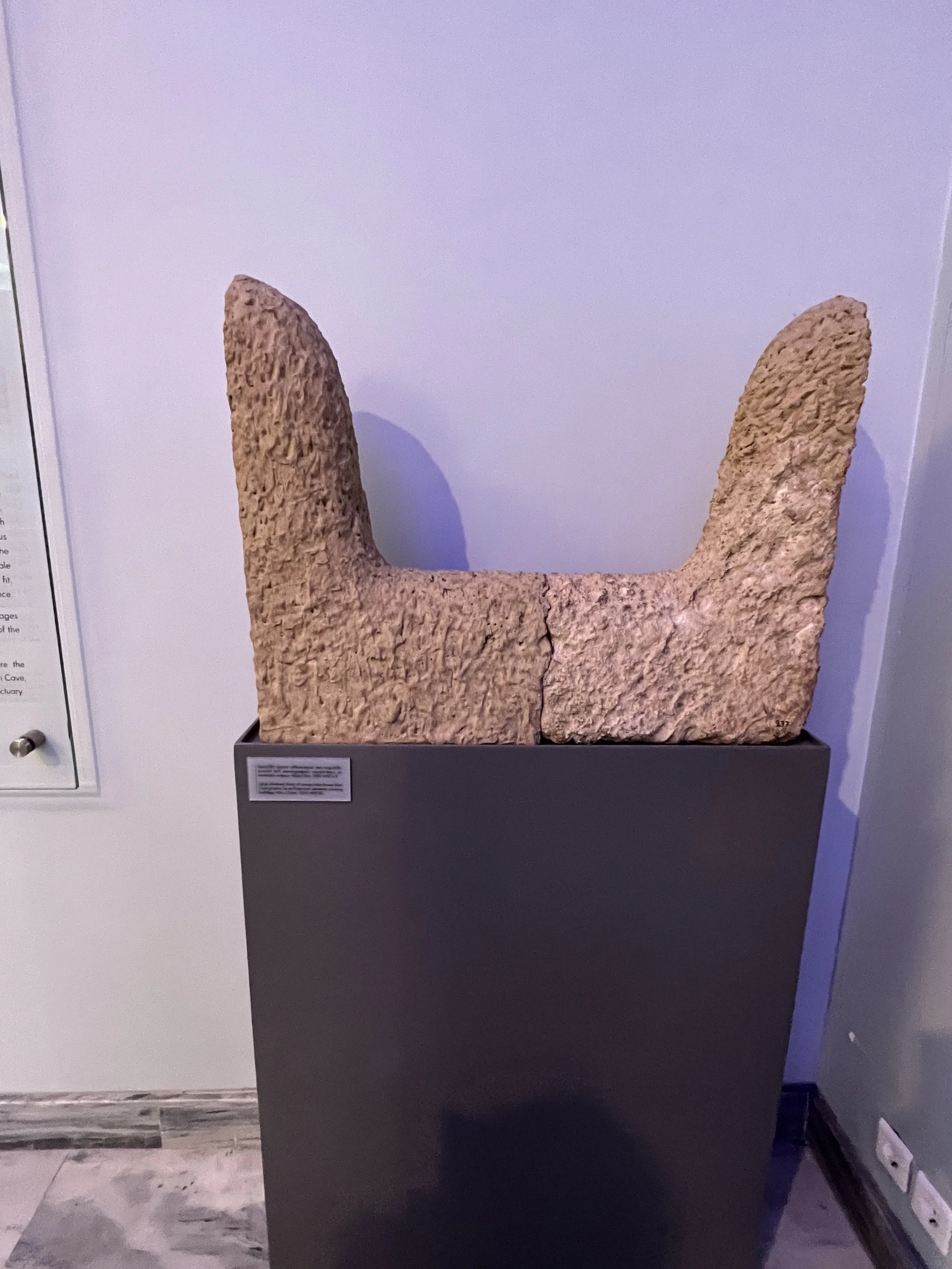
Tel Dan Israel. Iron Age city where the 9th century King Jeroboam of the northern kingdom of divided Israel corrupted worship of Yahweh with installation of a golden calf. Archeologists have found remains of a huge four horned altar including a piece with one of the horns. The metal frame illustrates the massive size of the altar.