The Suspense is killing me…. Waco, Texas
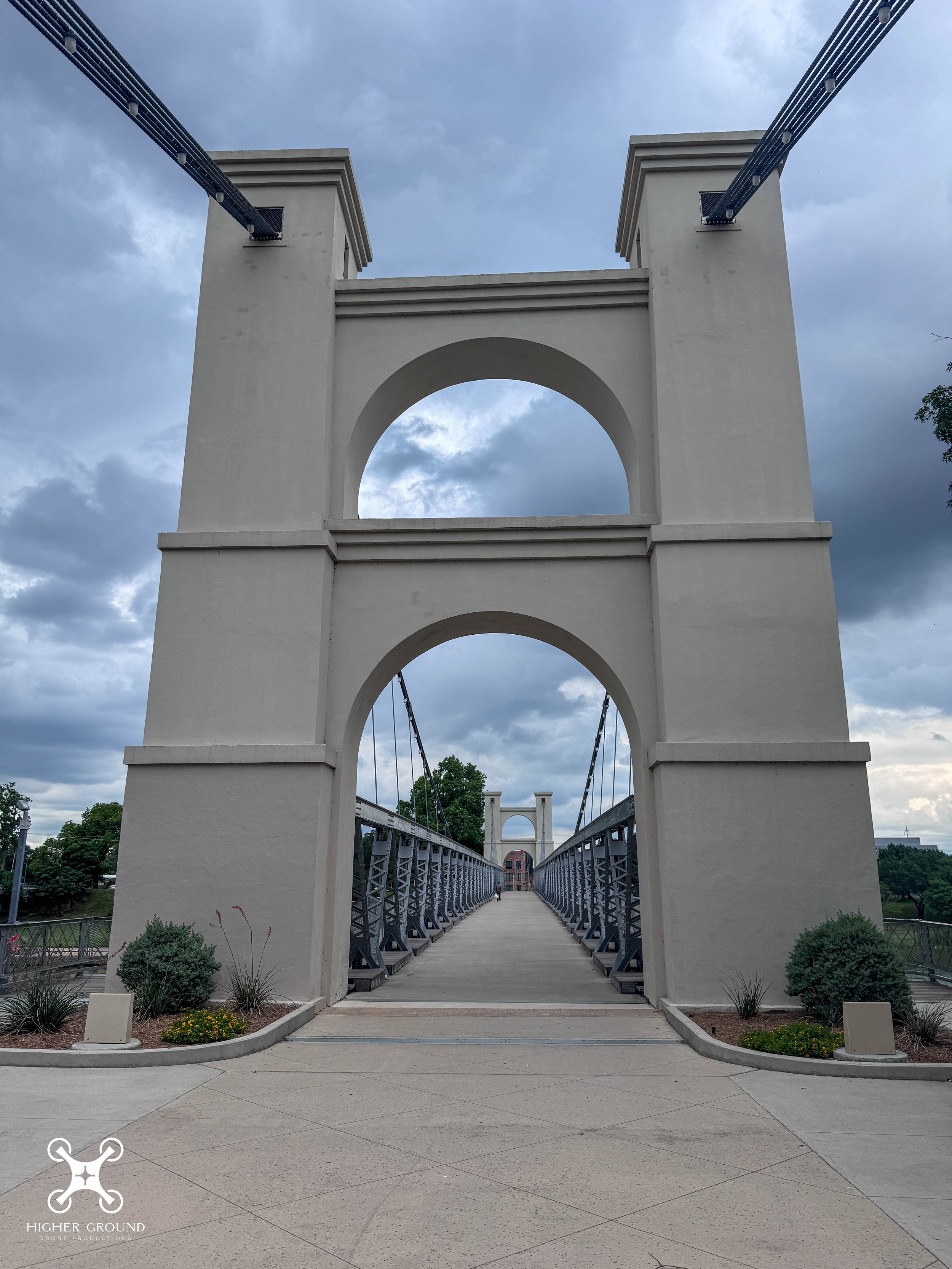
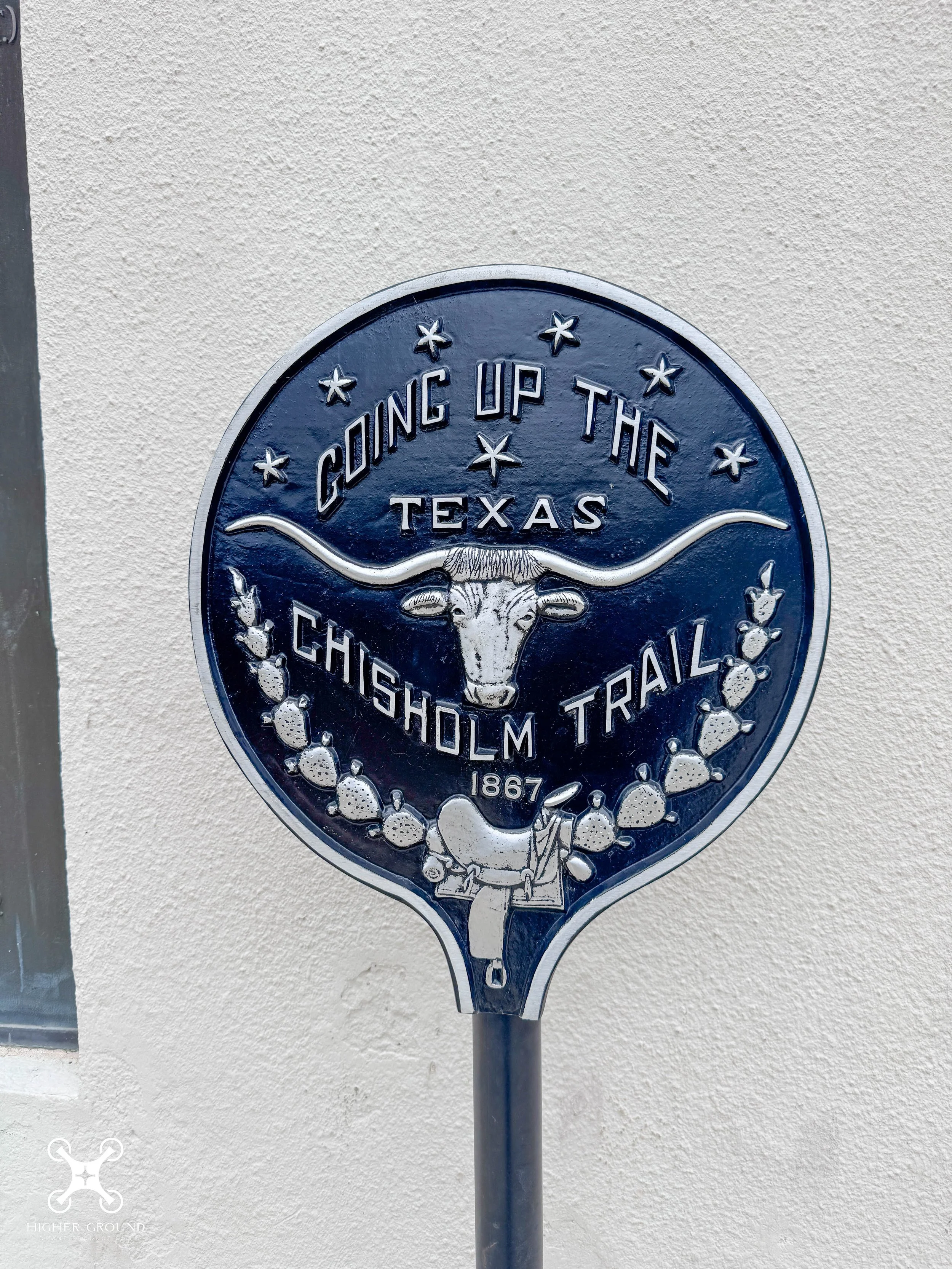
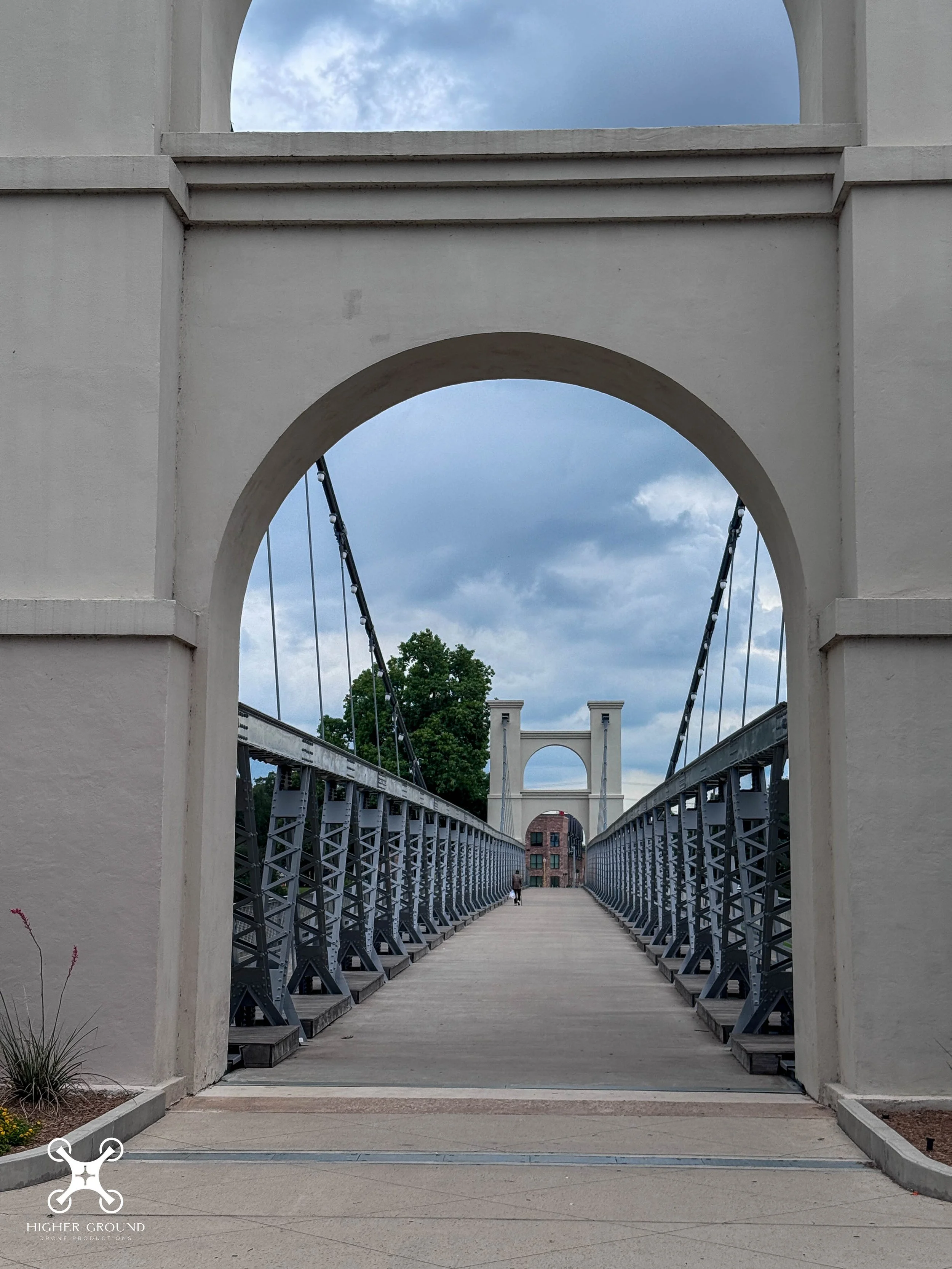
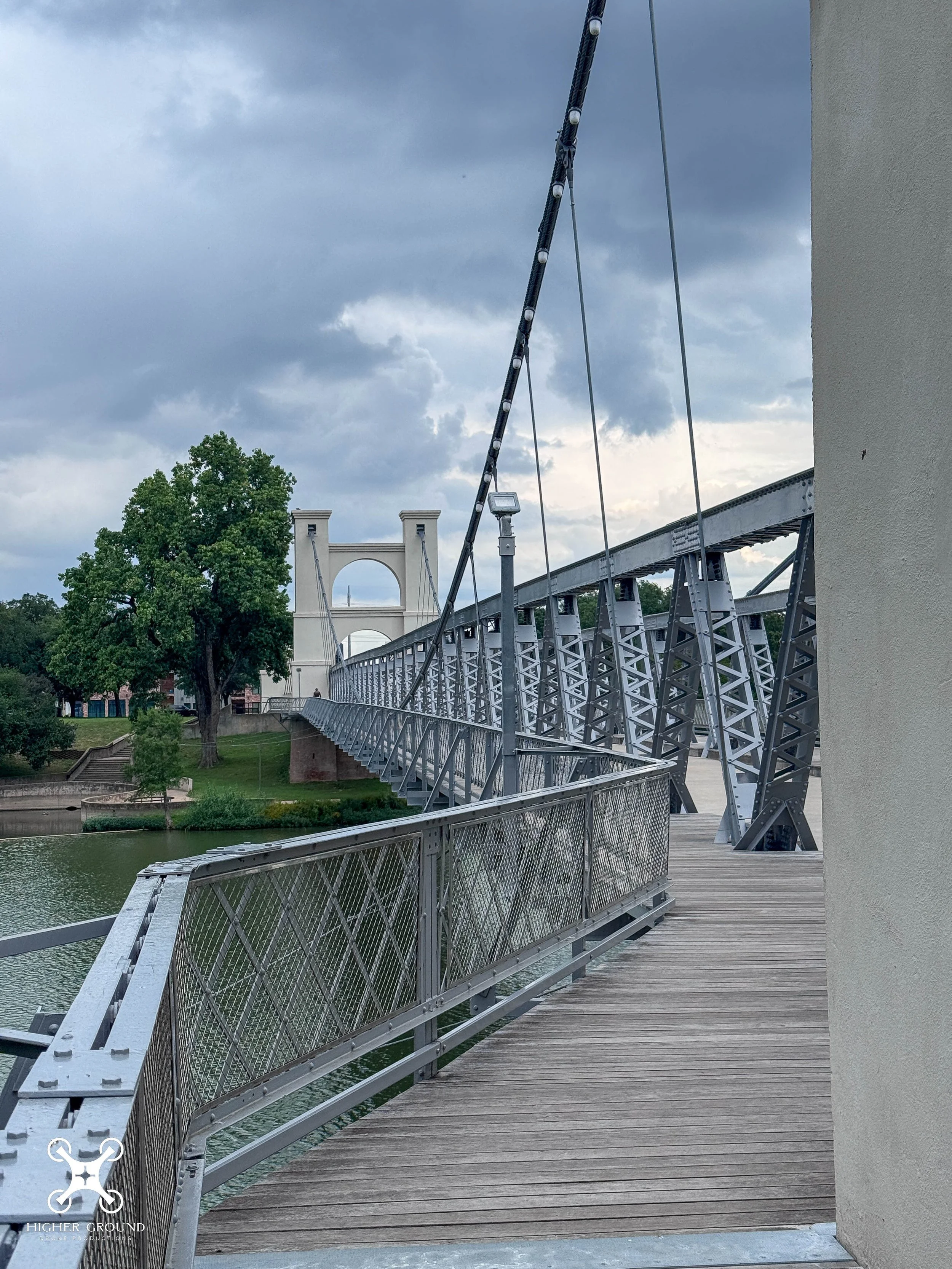
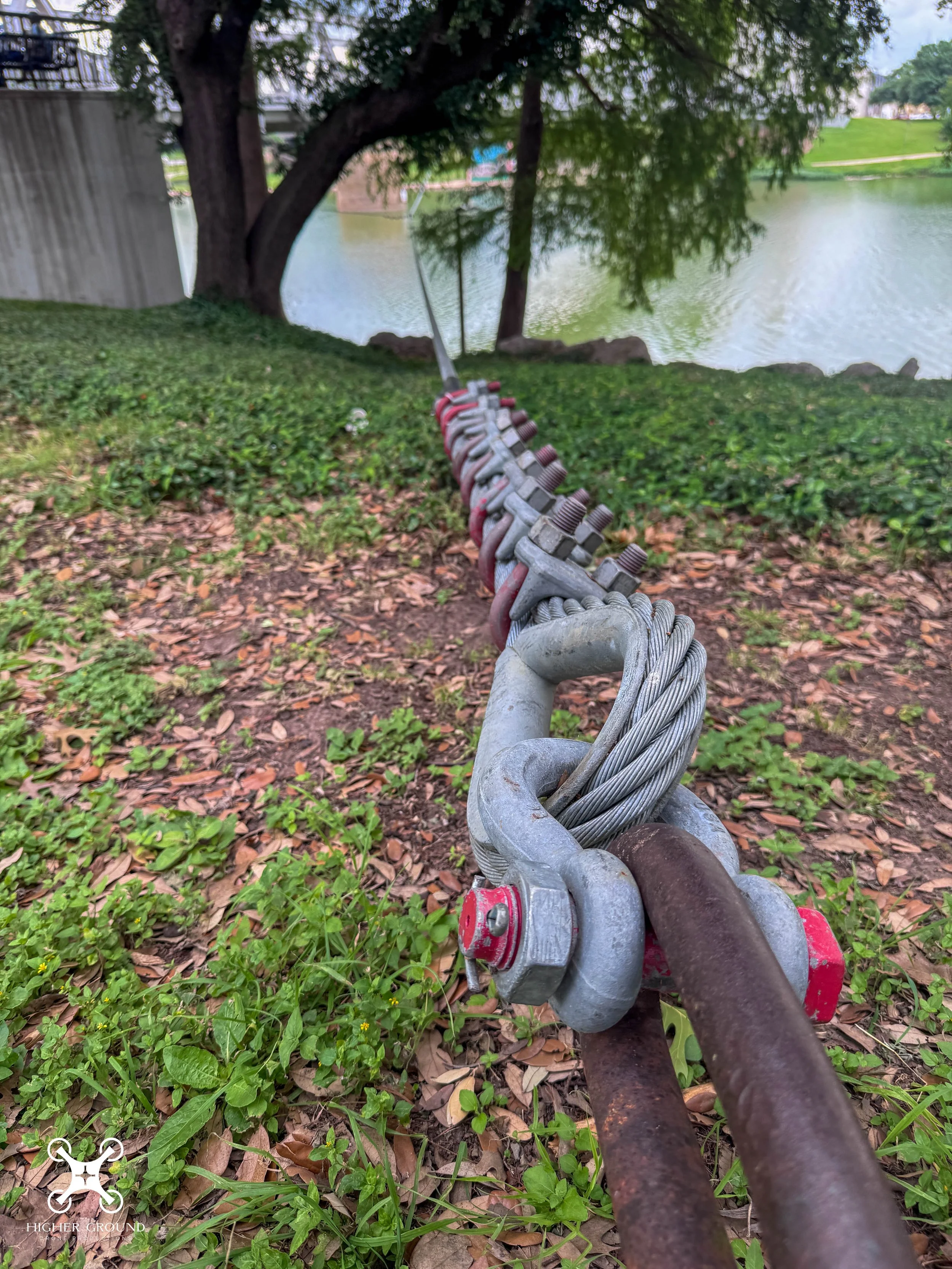
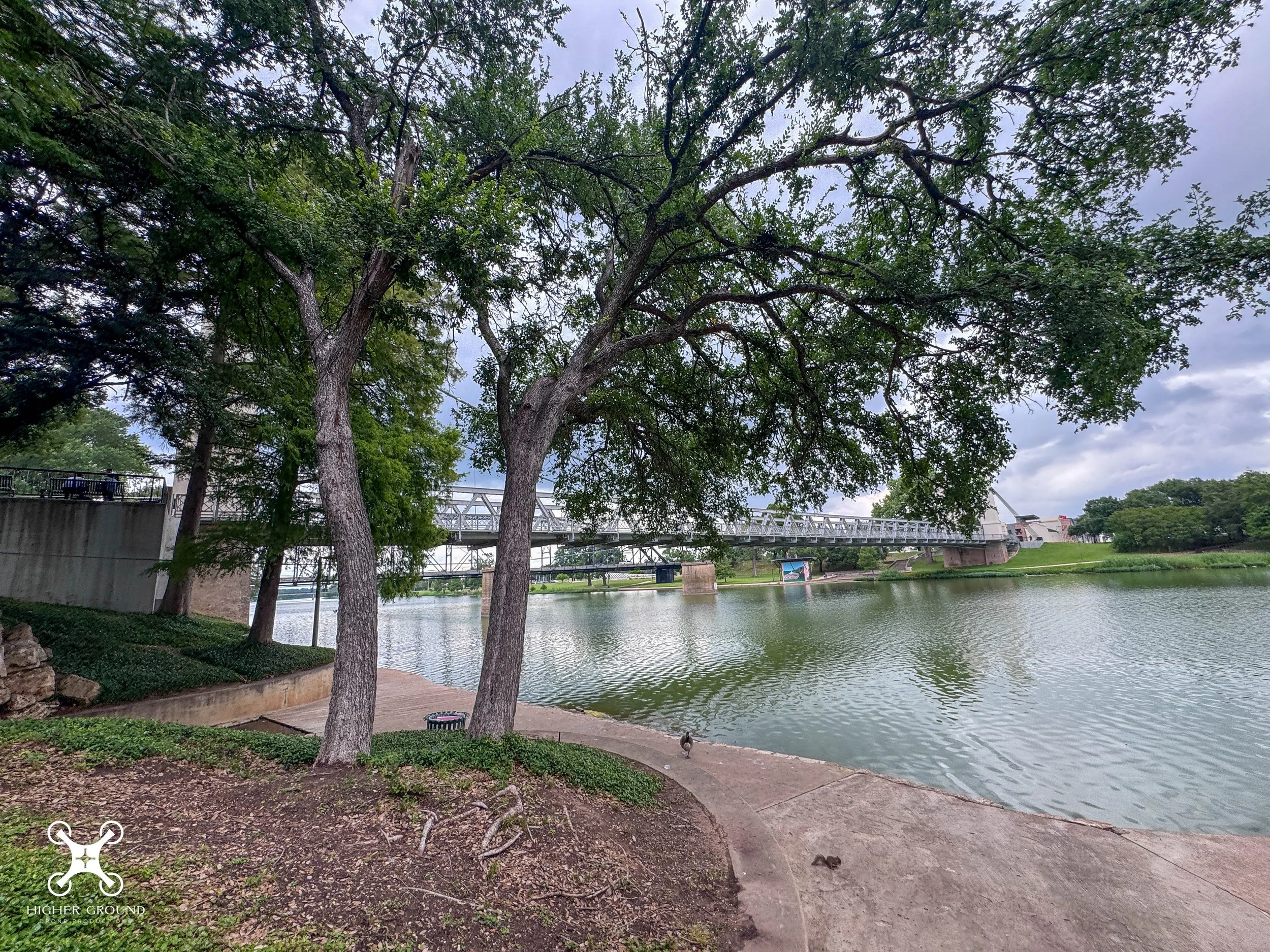
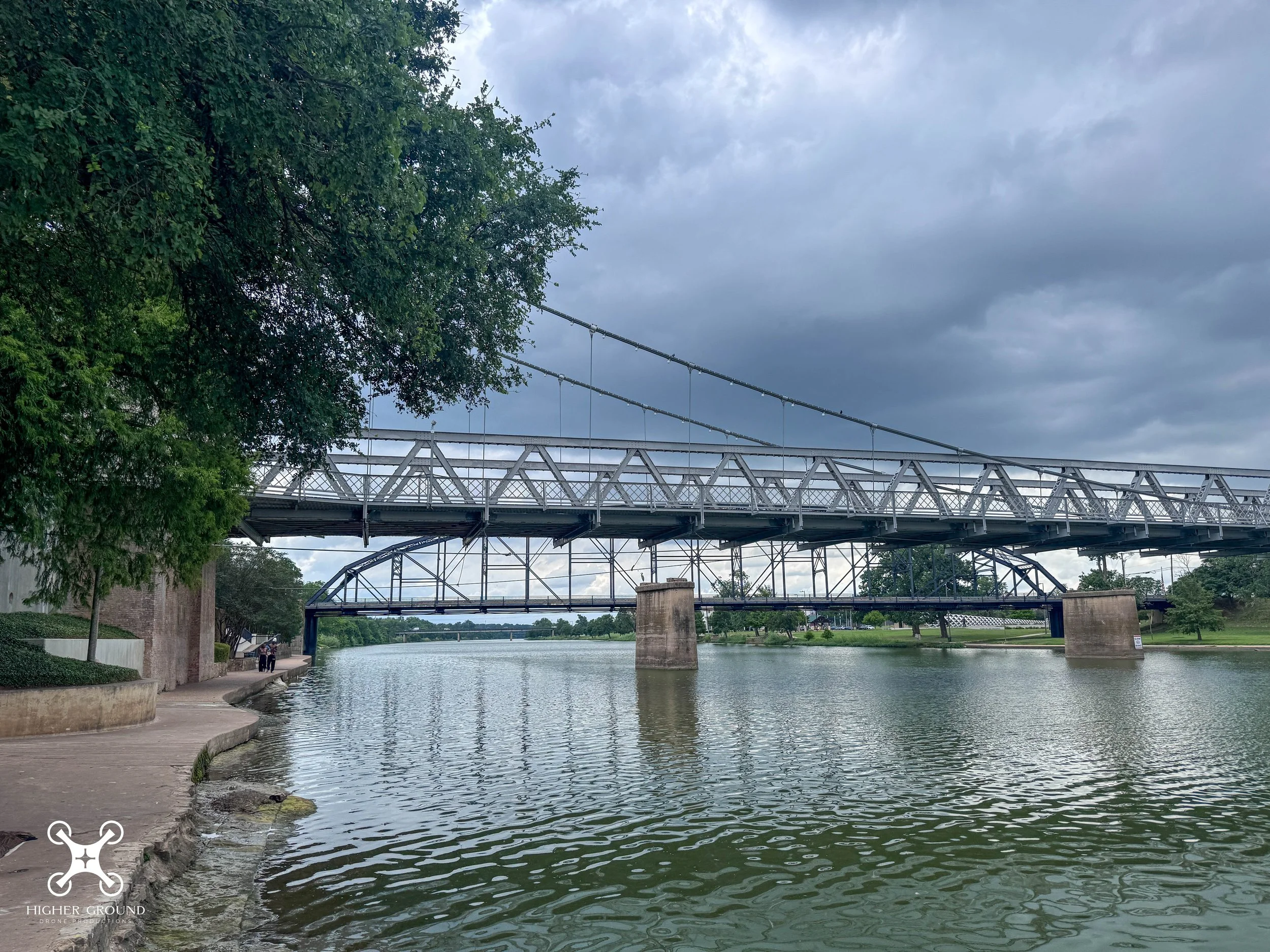
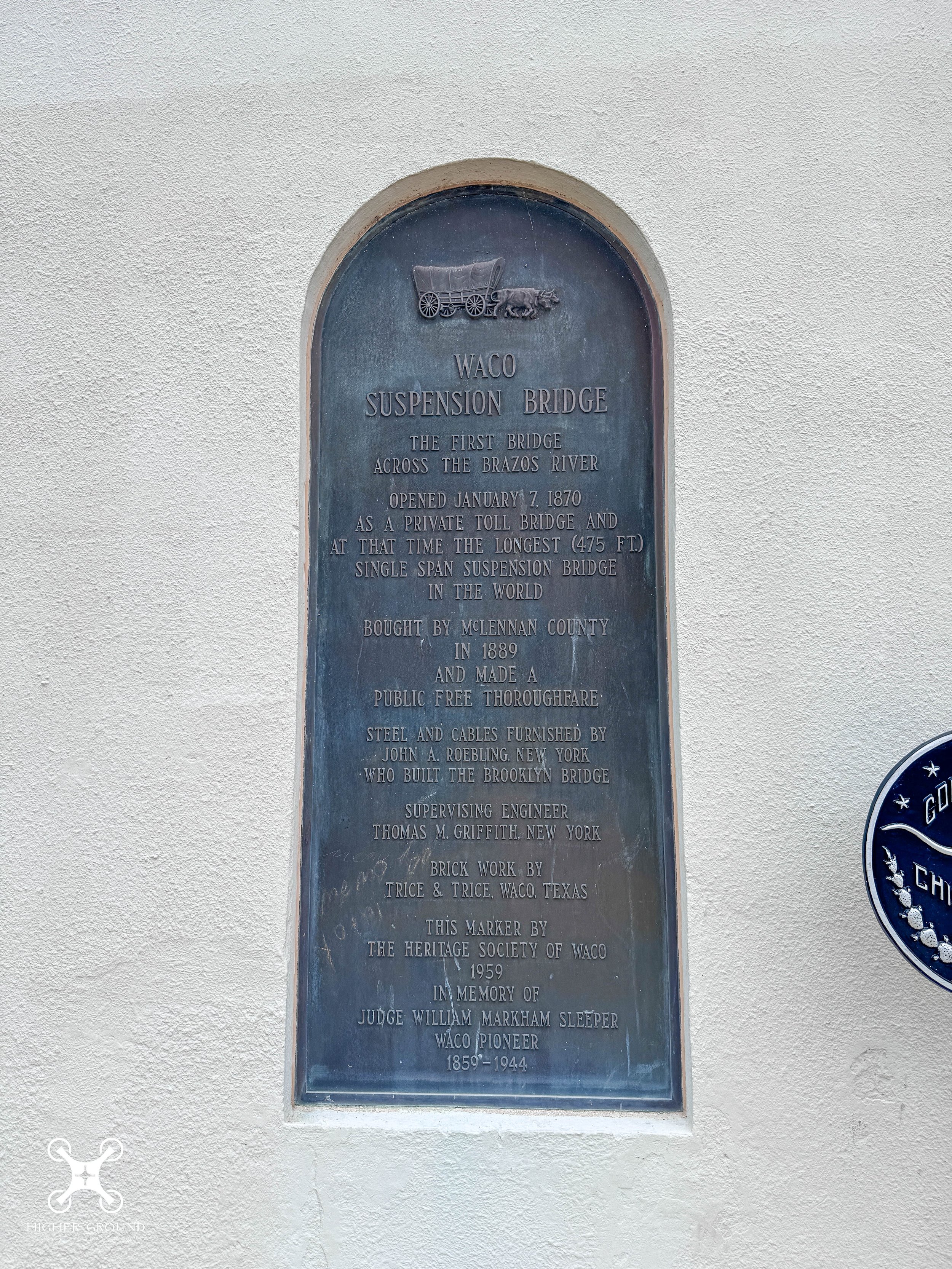
Built as part of the Chisolm Trail as an alternative to ferry crossings of the Brazos River, the Waco Suspension Bridge was one of the longest single-span suspension bridges in the western United States when it first opened in 1870.
The bridge was a feat of logistics. Waco was hundreds of miles from major cities, and lacked workers with knowledge to build the bridge. Engineers and material were shipped over a thousand miles, hundreds of which were pitted and pockmarked dirt roads across the gaps in the rail network. Despite these hurdles, the 3 million bricks for the support columns were laid and the bridge spanned the river within two years.
At an impressive 475 feet across the main span and two lanes wide, the bridge had more than enough capacity to eclipse the ferry industry. Its construction cost, around $141,000 (about $3.5 million in today's money), was paid off easily by the 5¢ toll per head of cattle and the later sale of the bridge to the municipal government.
In the age of the automobile, the bridge was deemed durable enough to support traffic and helped Waco establish itself as a significant city. The bridge was retired from vehicular use in the 1970s in recognition of the need to preserve its historical significance.
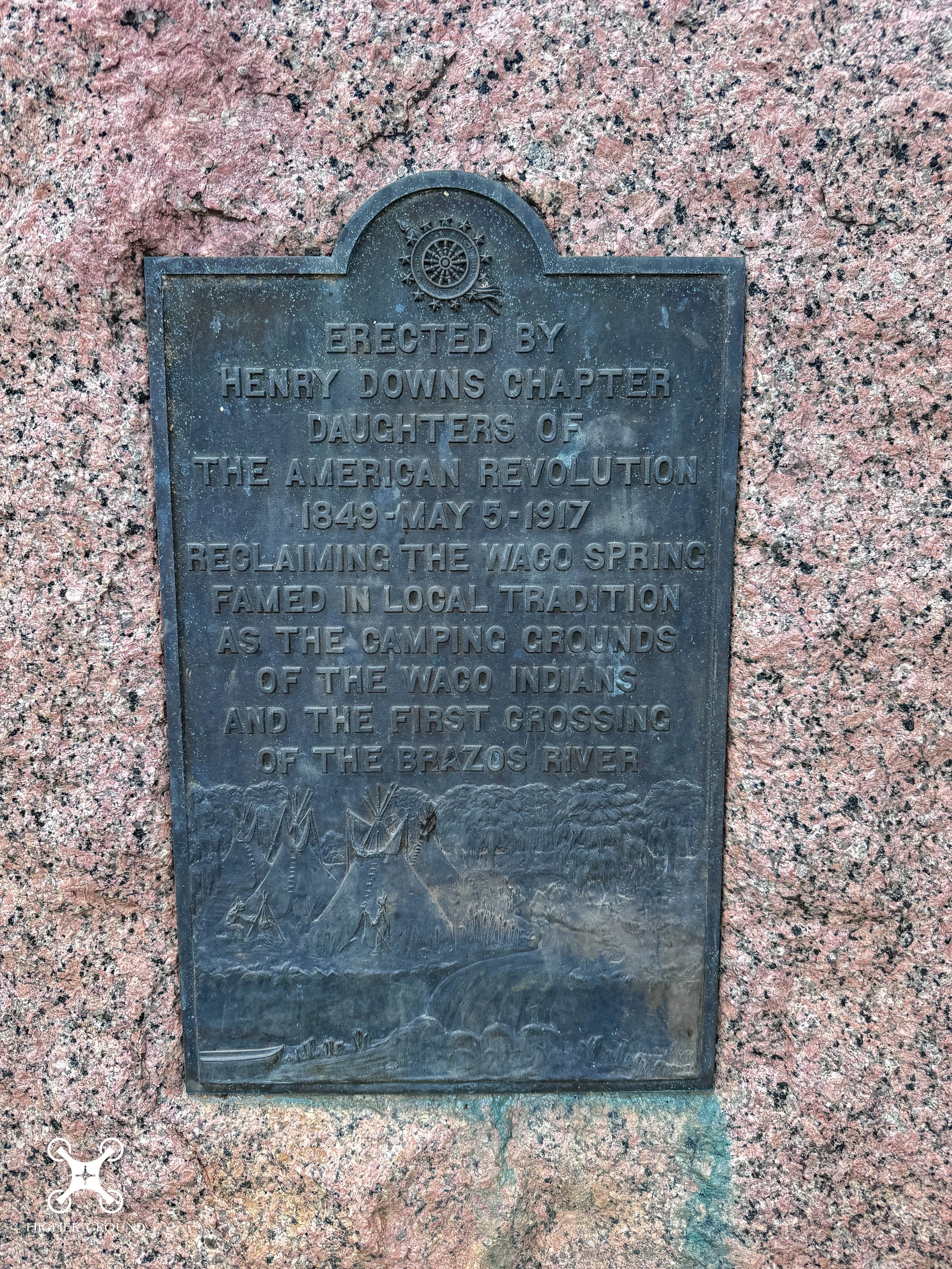
The bridge is flanked by two great Waco parks — Indian Spring Park on the west side, and Martin Luther King, Jr. Park on the east side. The bridge is the centerpiece of many community festivals and events and serves as a great venue for parties and special events.
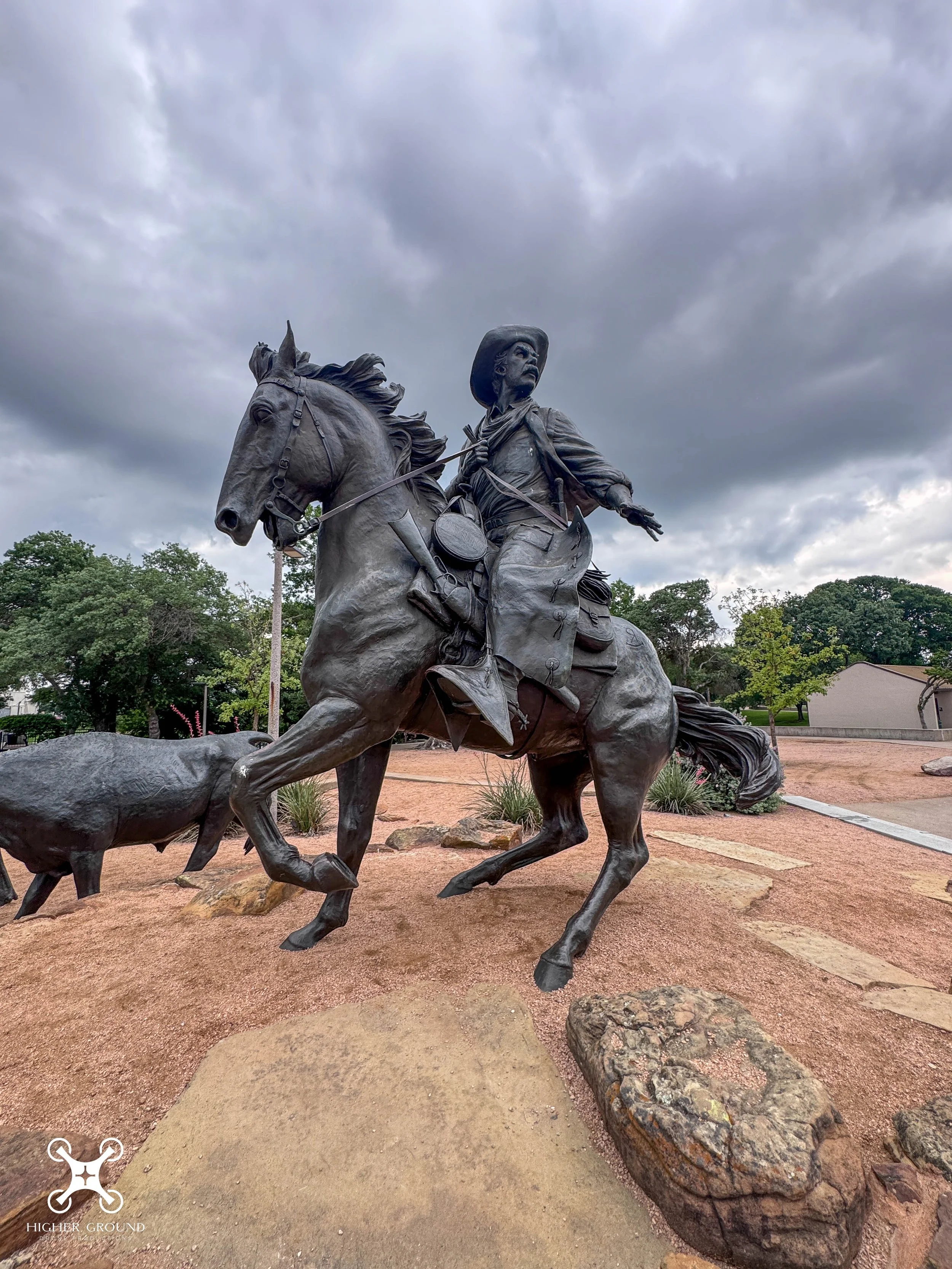
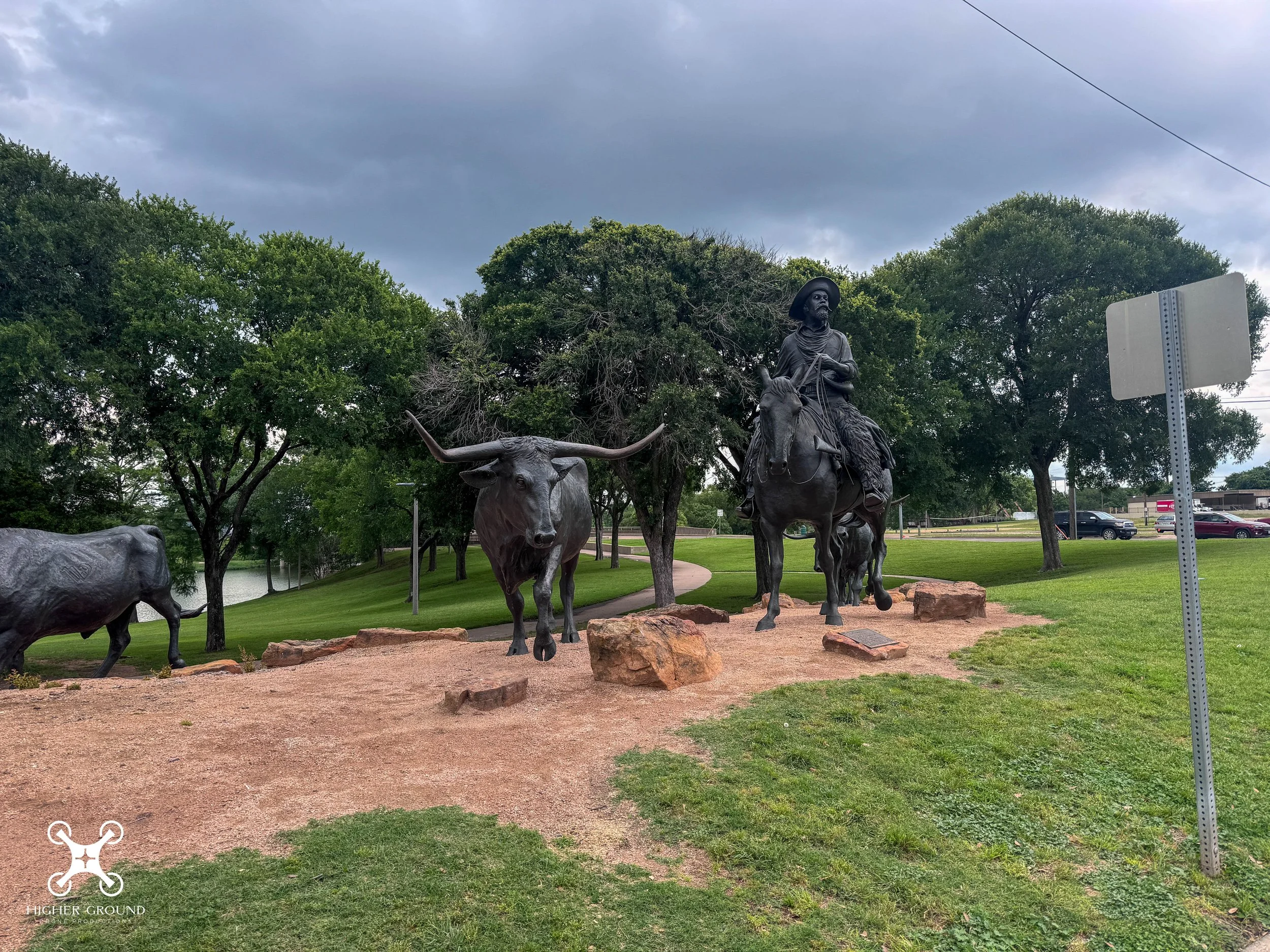
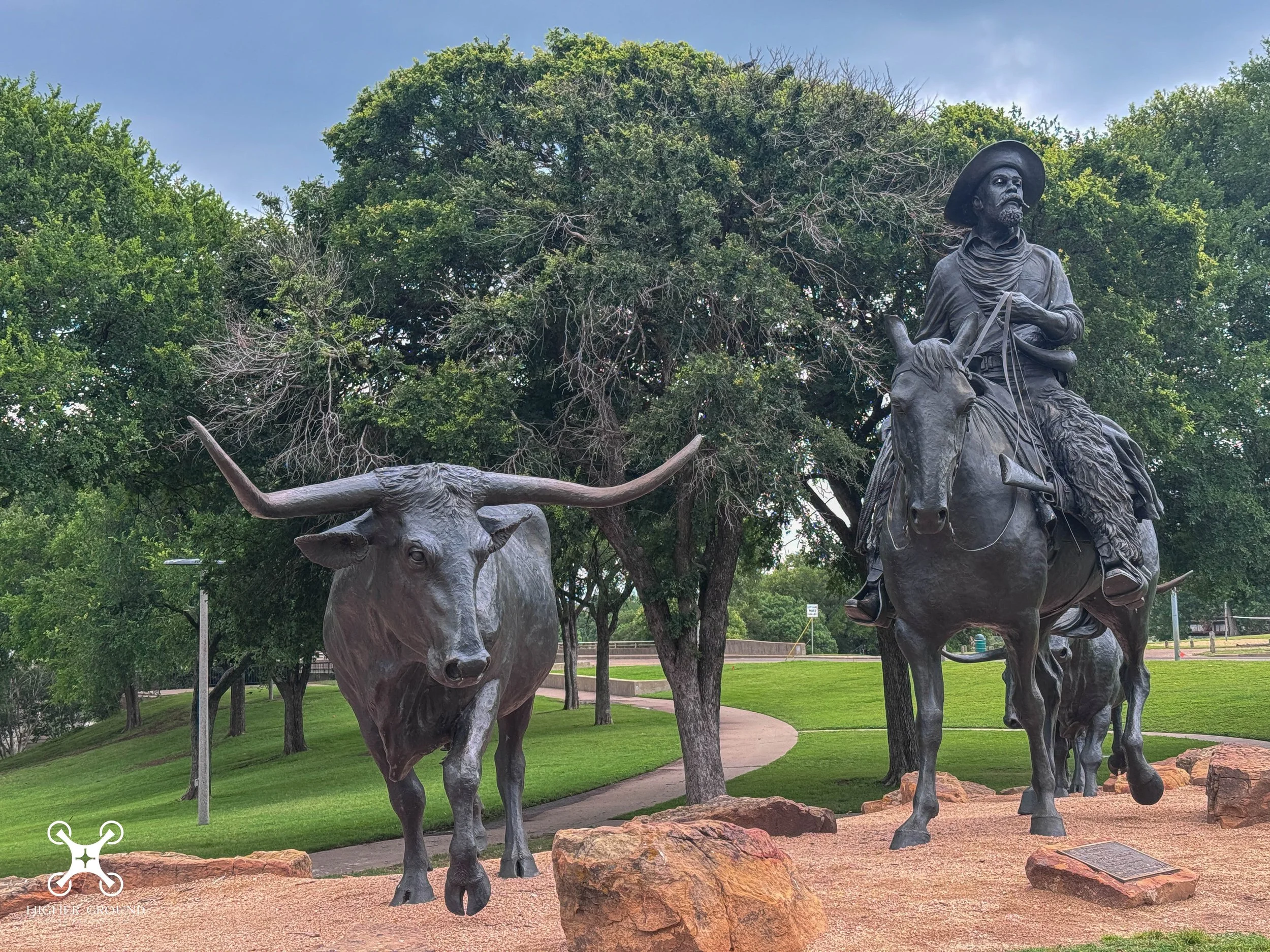
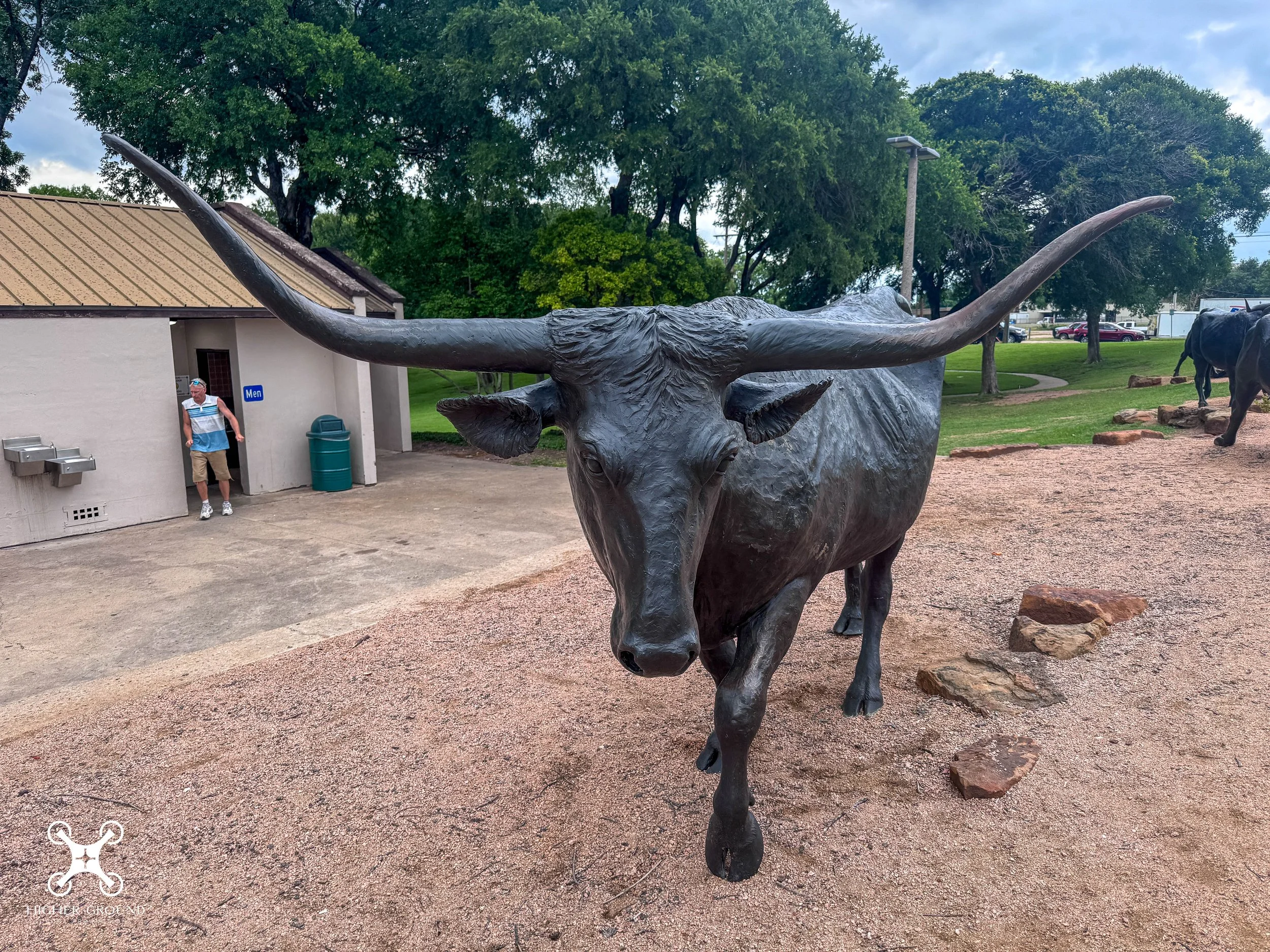
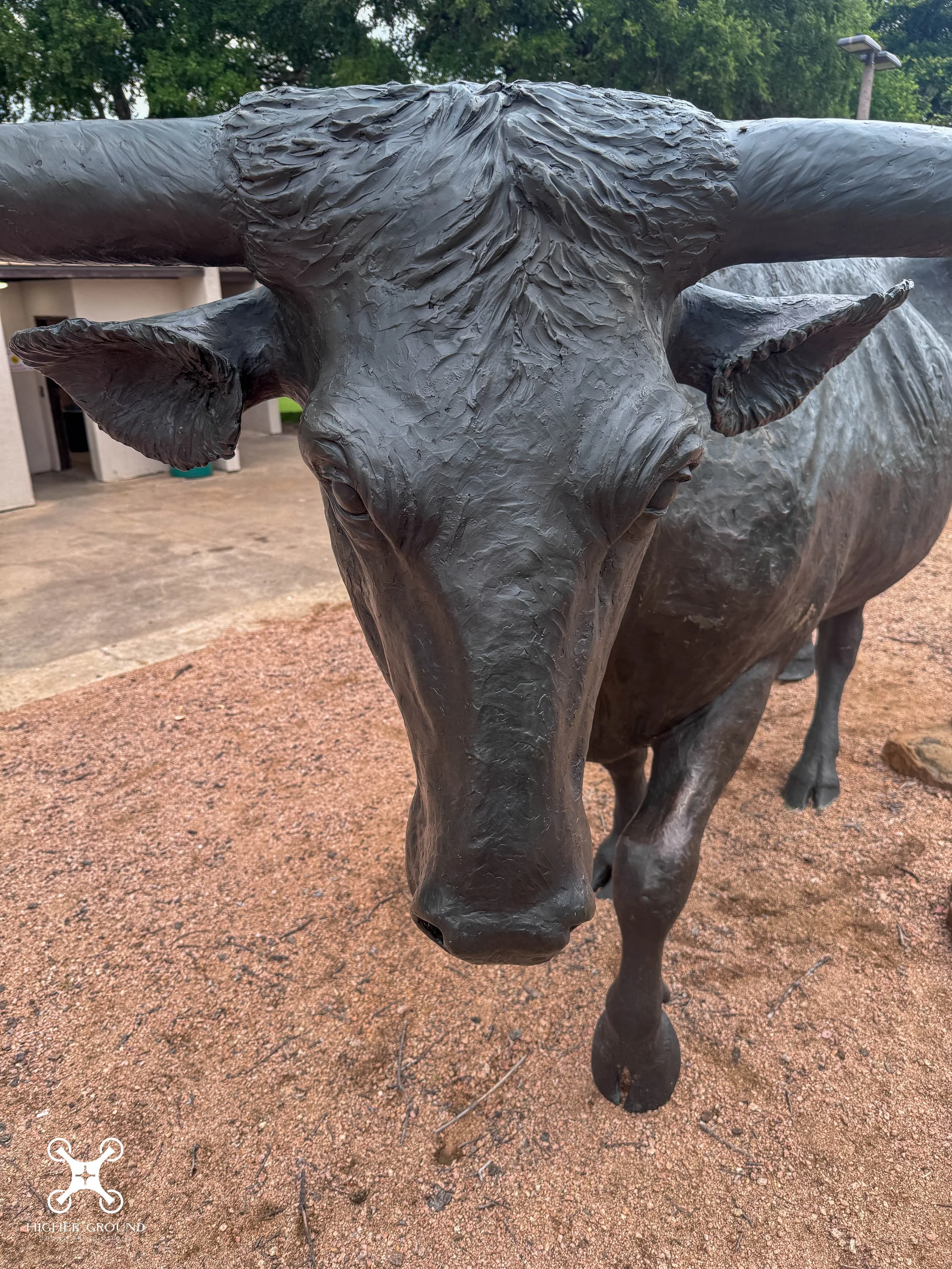
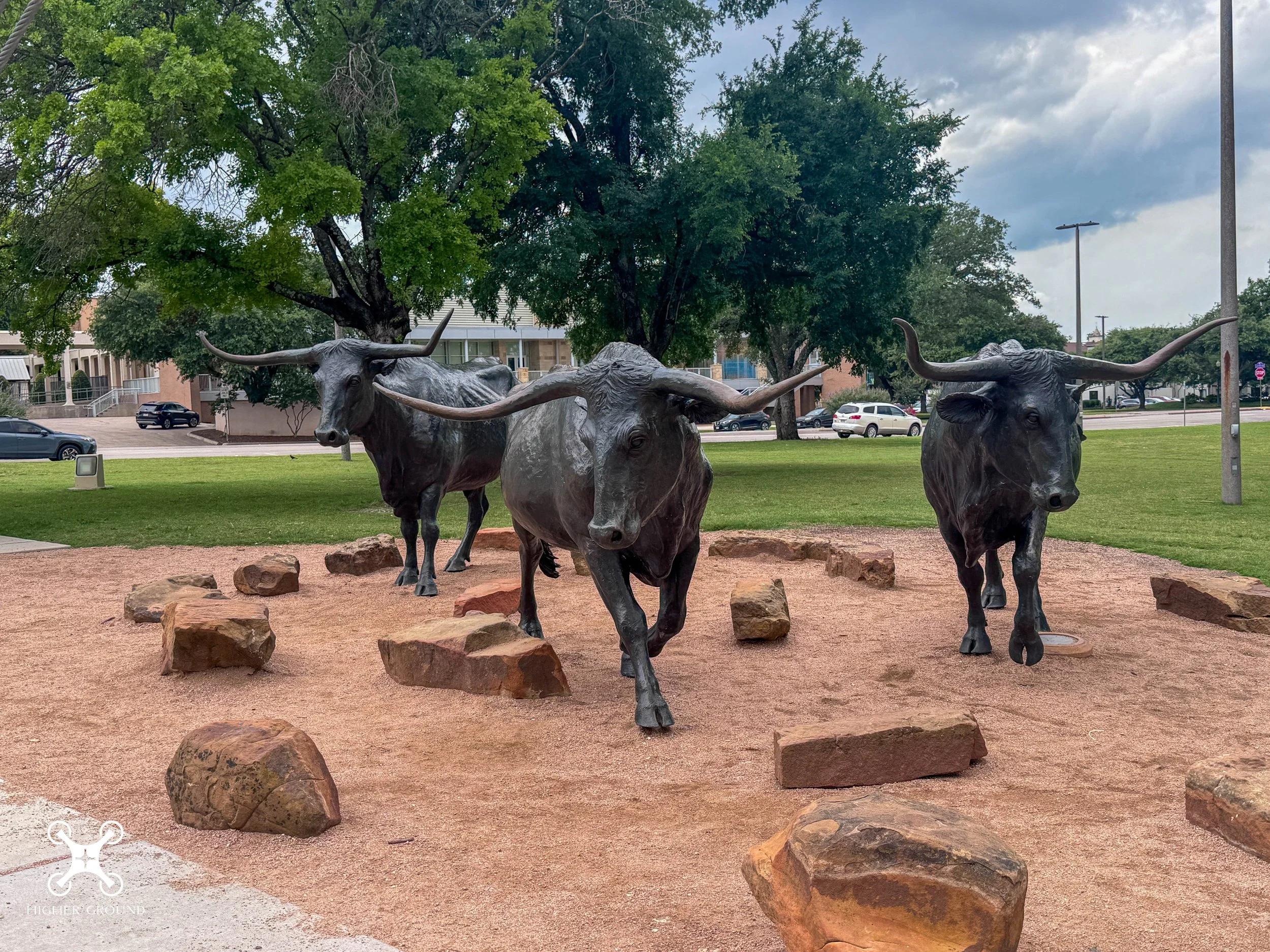
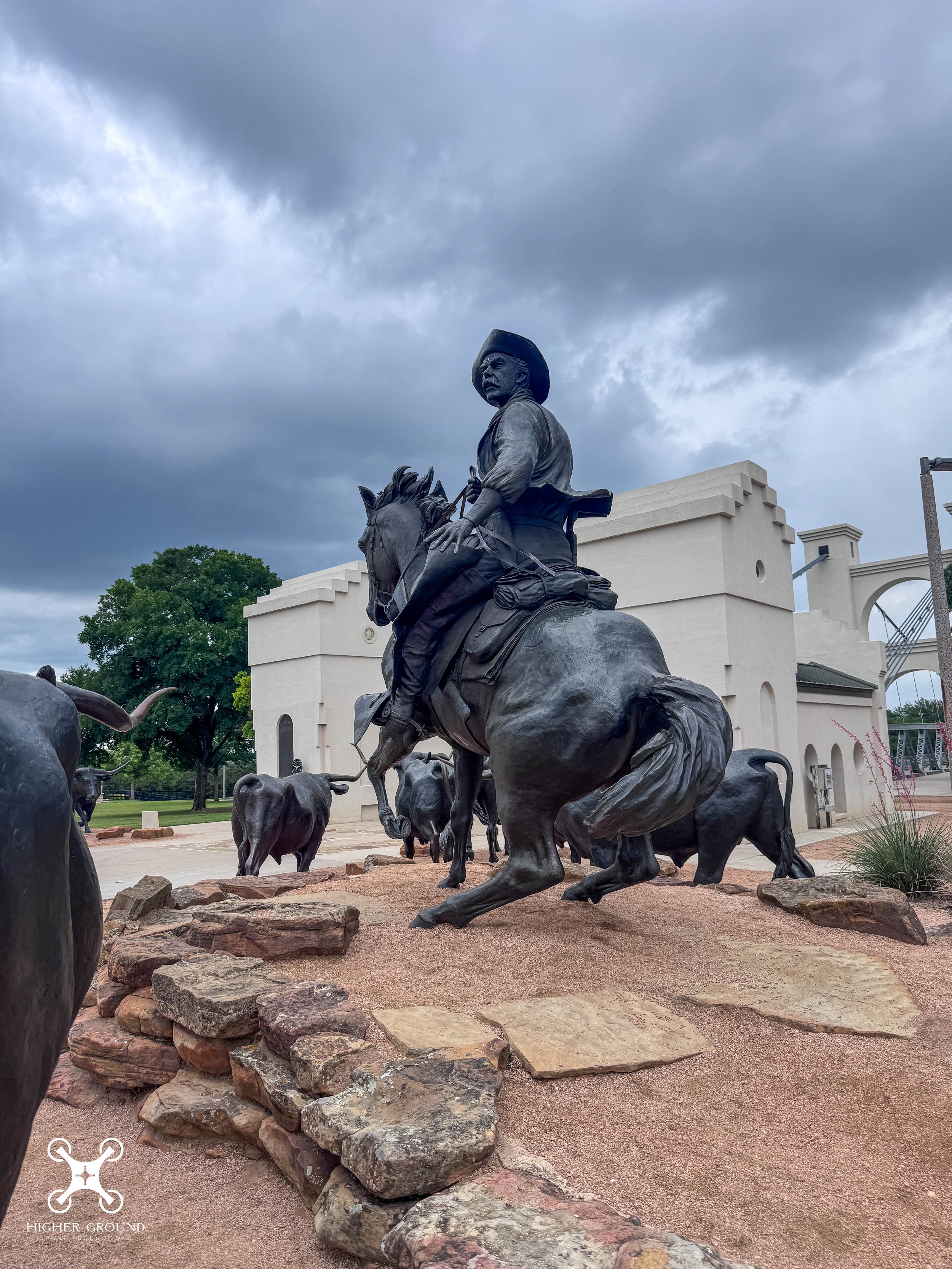
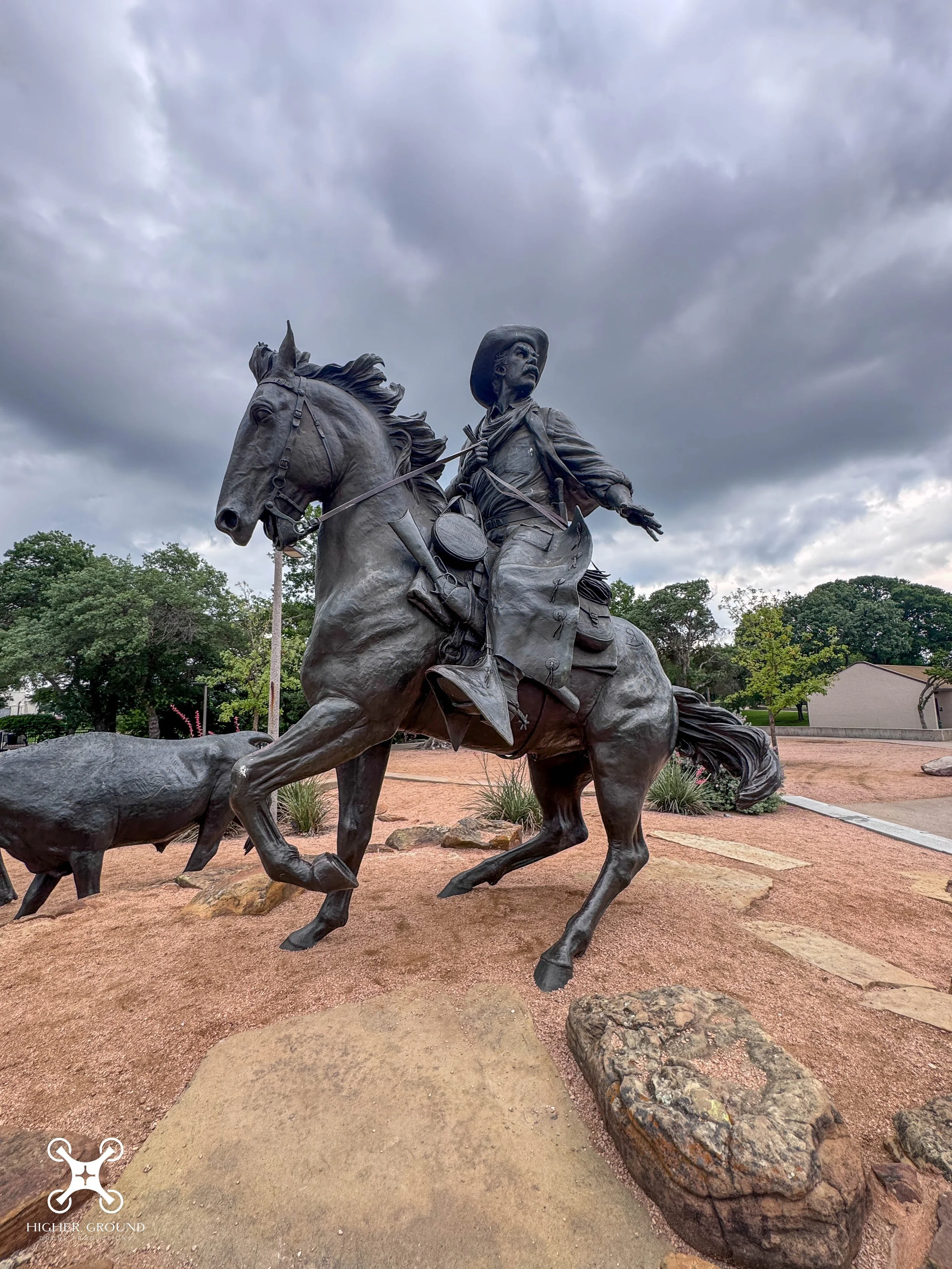
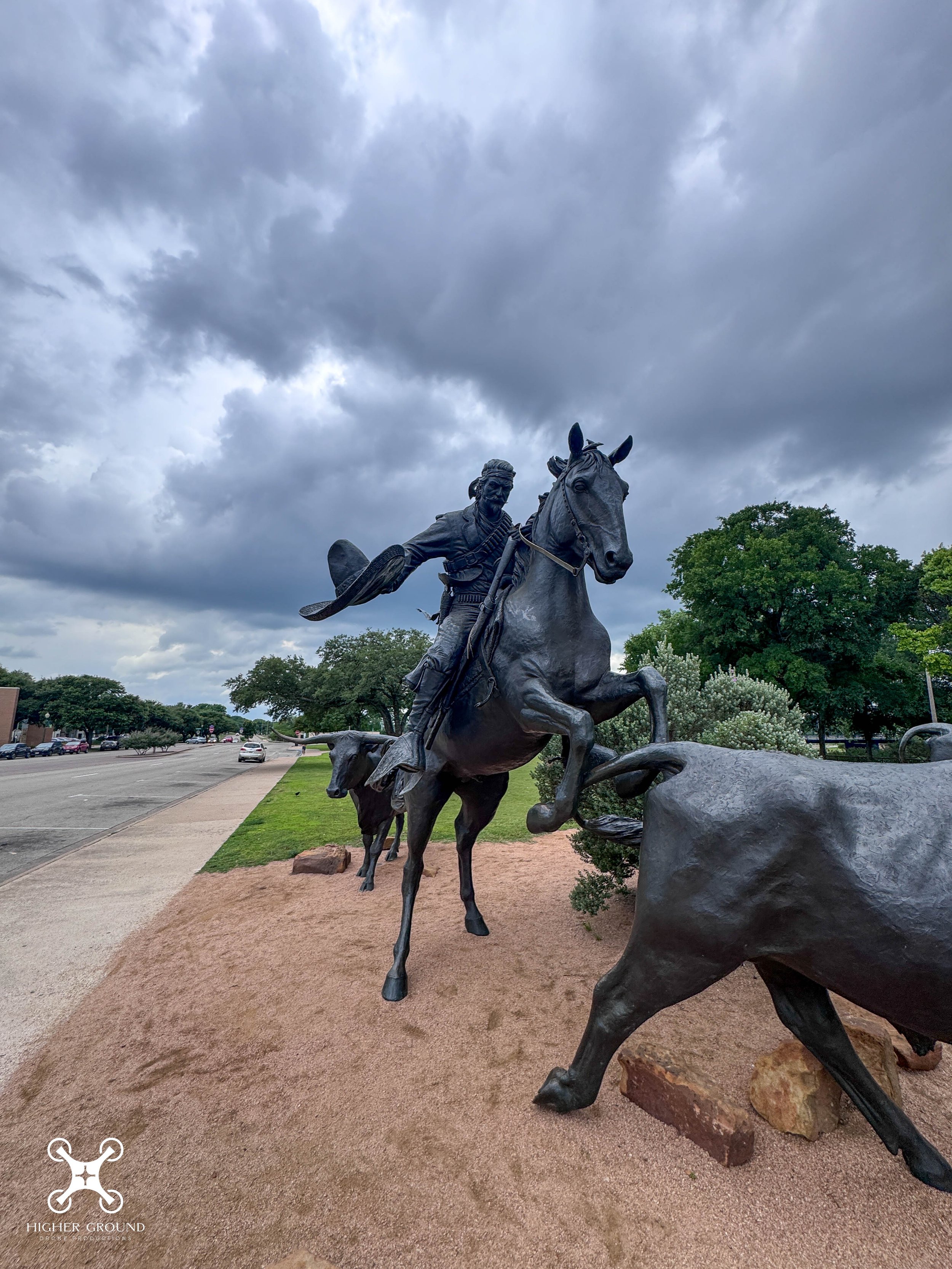
Branding the Brazos public art sculpture paints a vibrant picture of Waco’s early history. The sculpture, which features three bronze cowboys on horseback and 25 bronze cattle, depicts a Chisholm Trail cattle drive. Named after Jesse Chisholm, who in 1864 paved a trail heading north from San Antonio, through Waco, and to a post north of modern-day Wichita, the Chisholm Trail was the main route for cattle and mustangs. In fact, more than five million cattle and one million Mustang horses passed along the trail until it officially closed in 1885, which made the trail one of the greatest migrations of livestock in world history. It stands as an important piece of cultural heritage for Waco while providing an element of artistic beauty in Indian Spring Park.