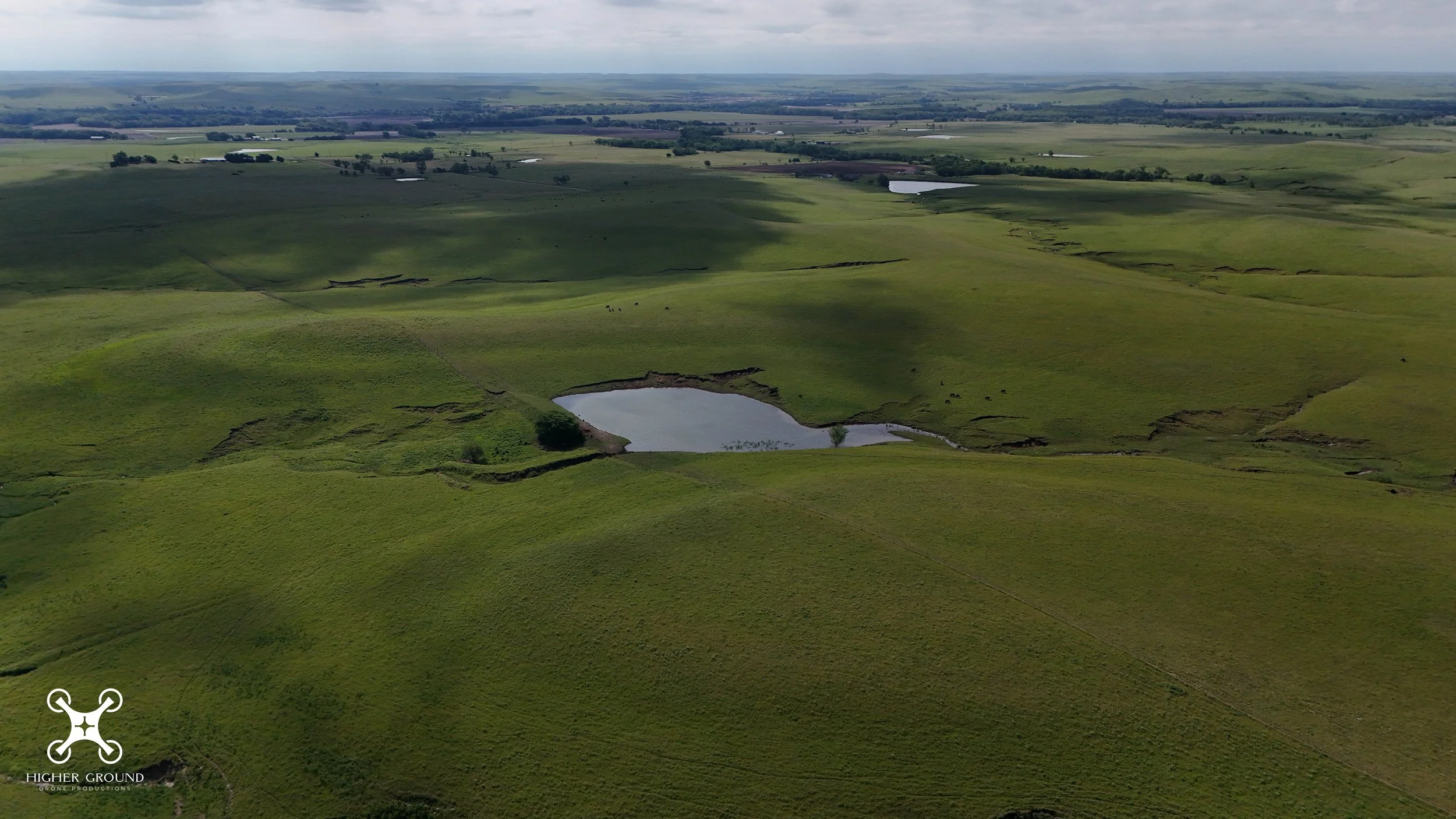
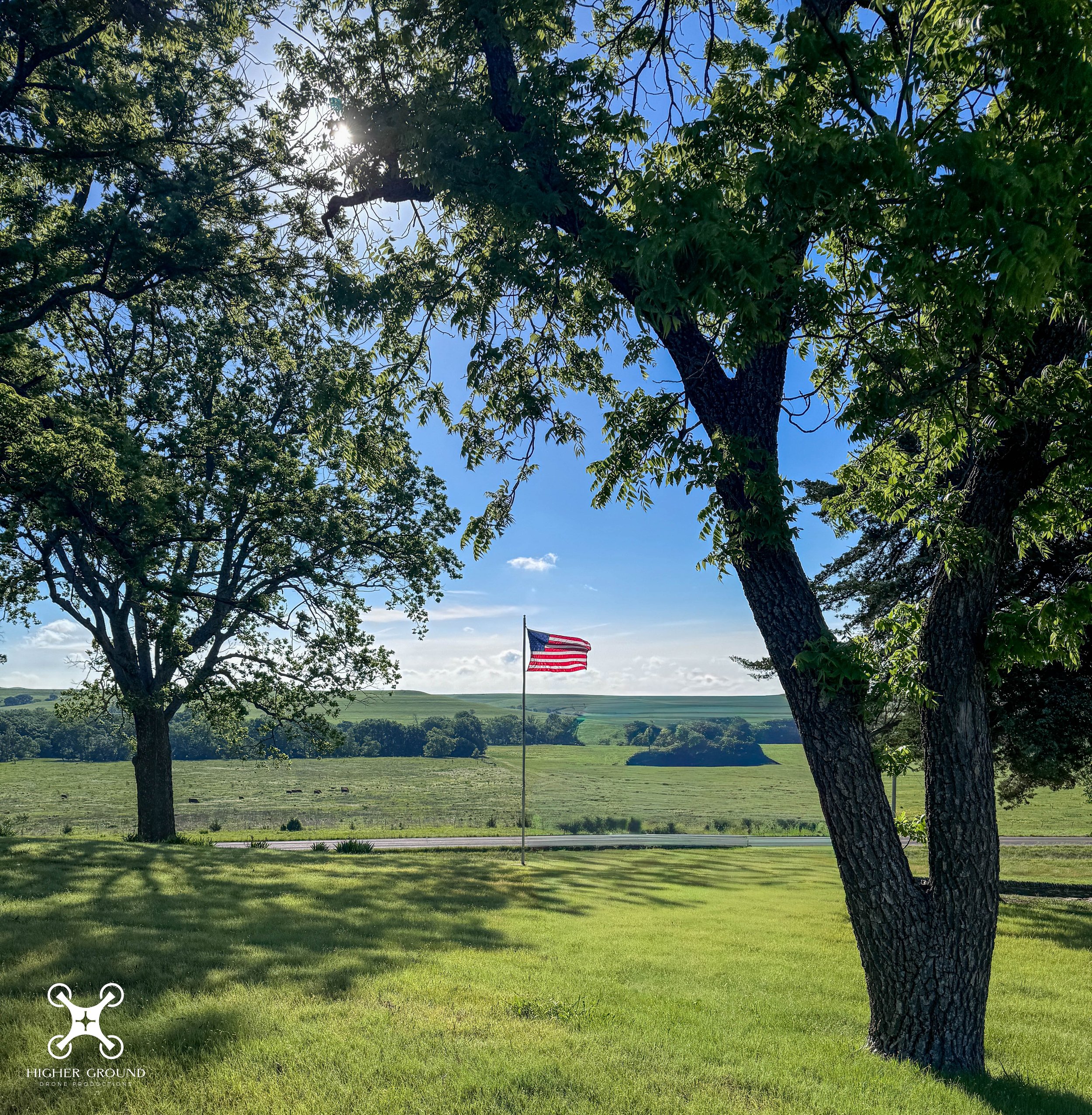
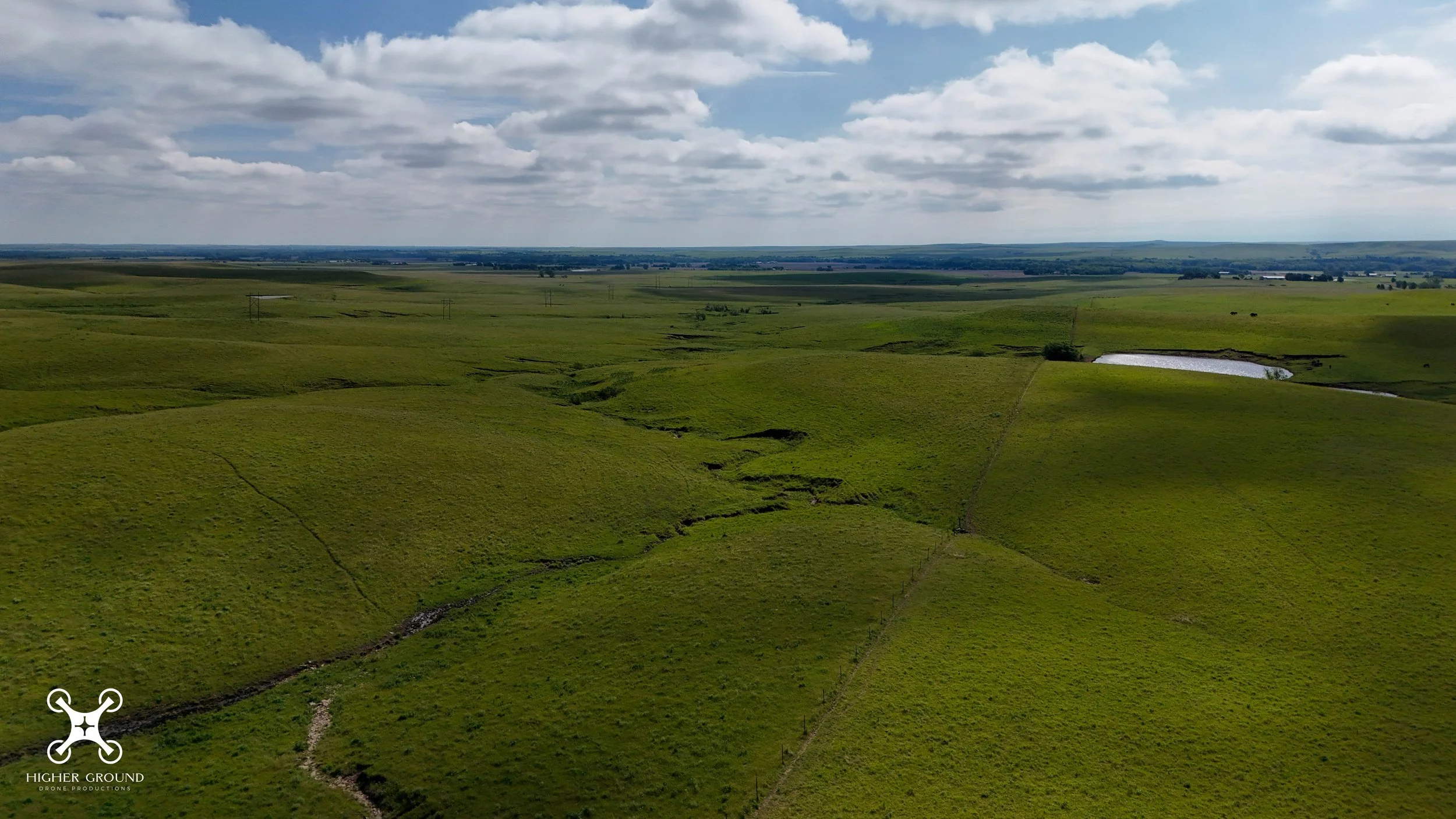
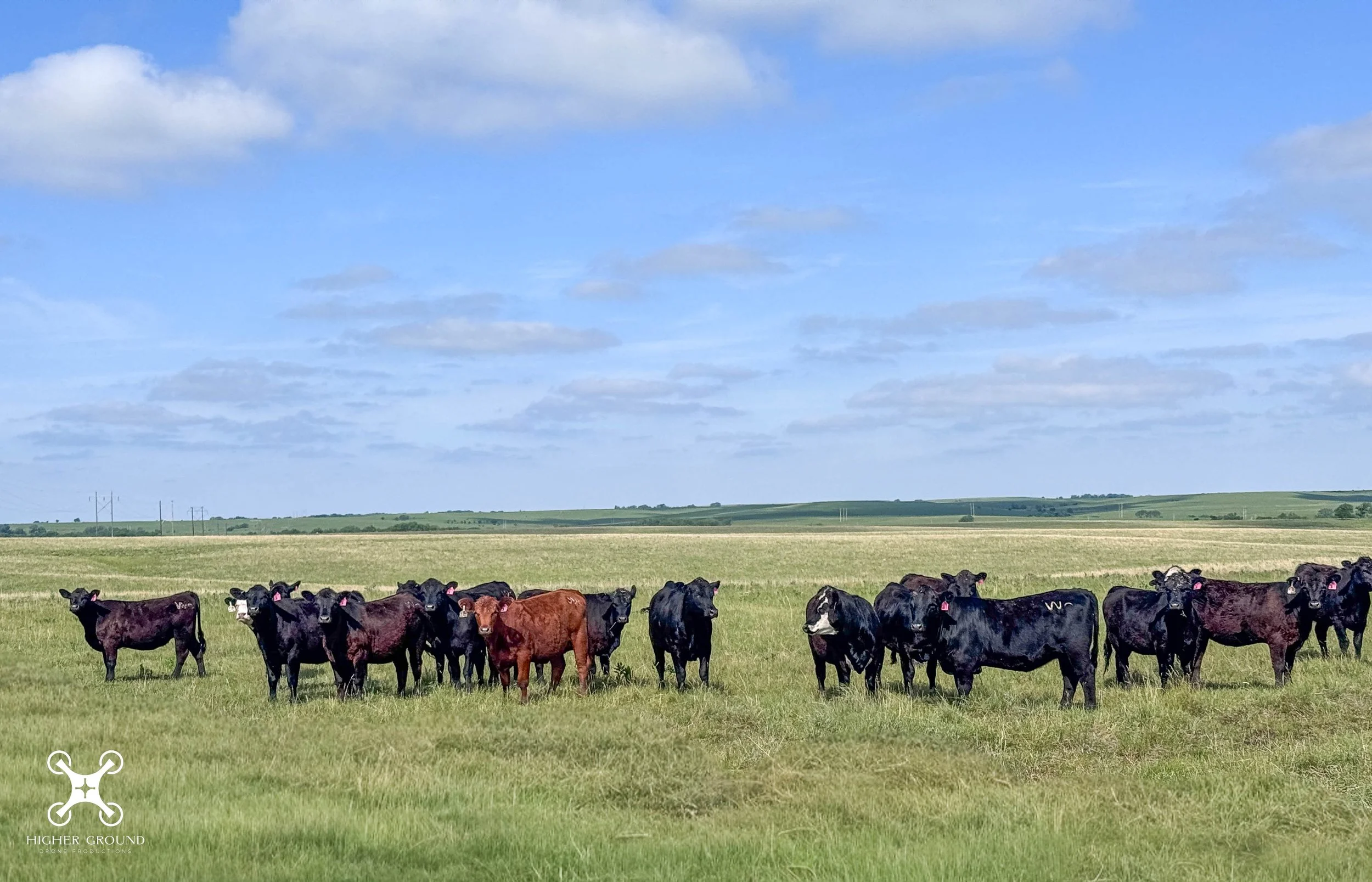
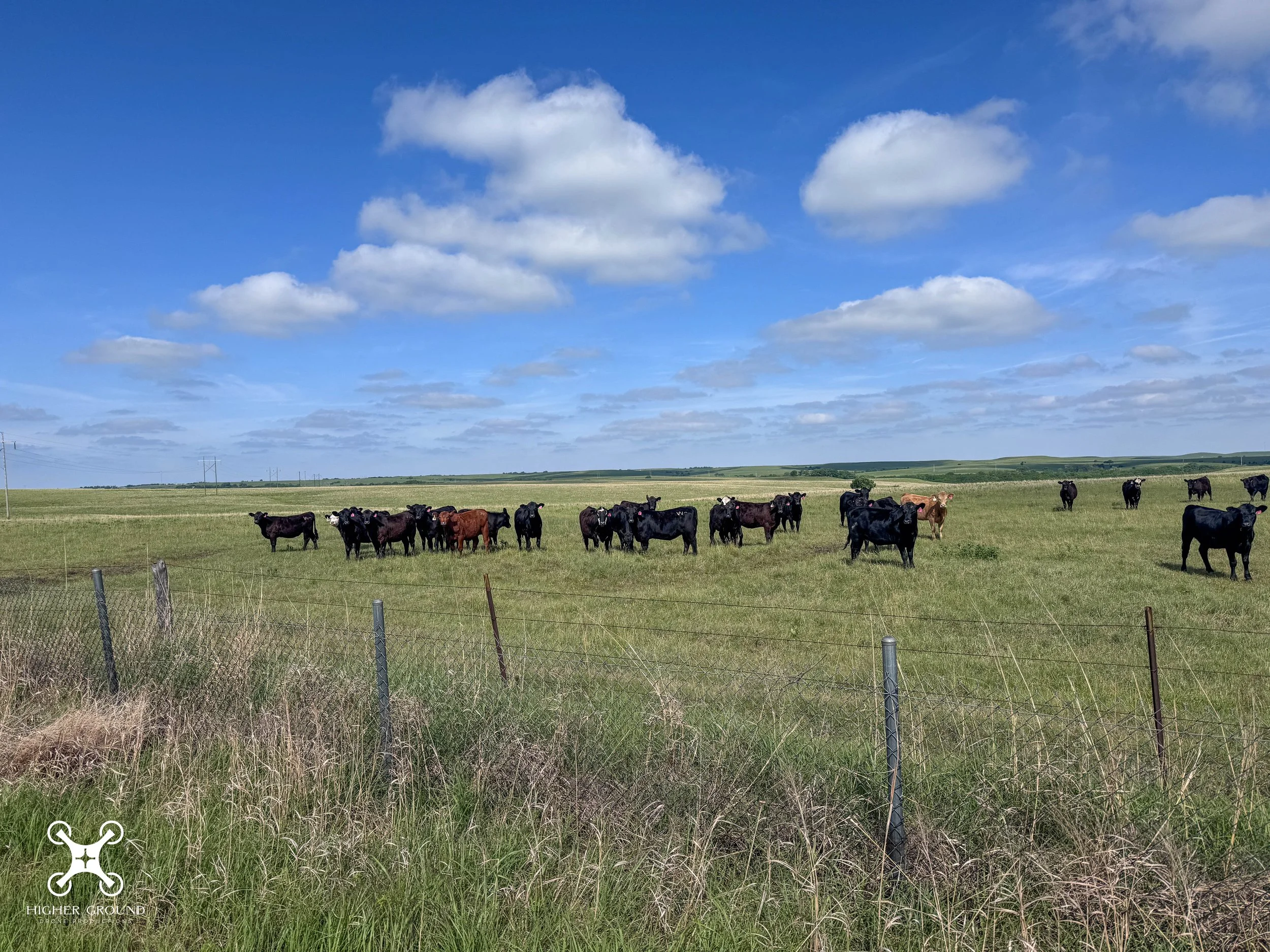
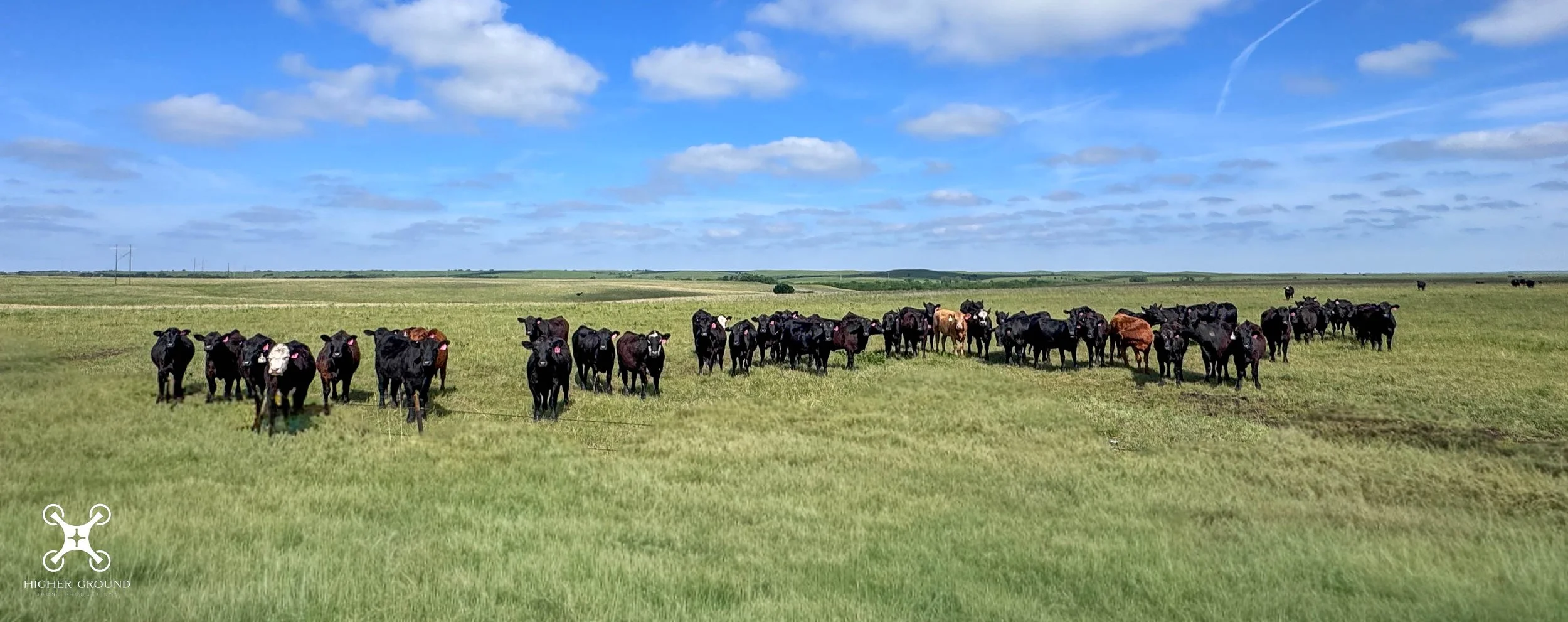
Stunning barren beauty. Really.
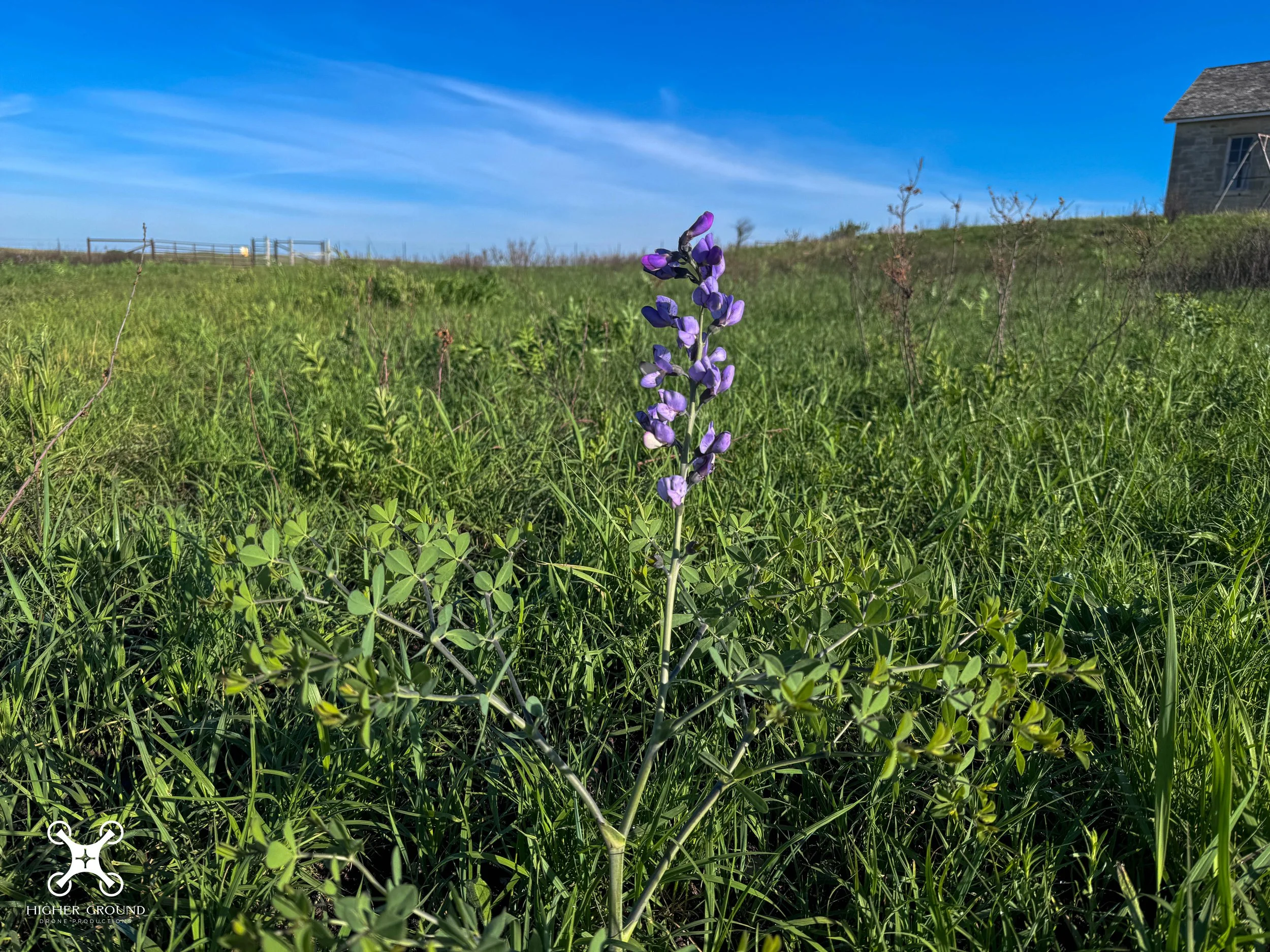
I have never visited this area of the USA. It is difficult to describe the stark beauty.
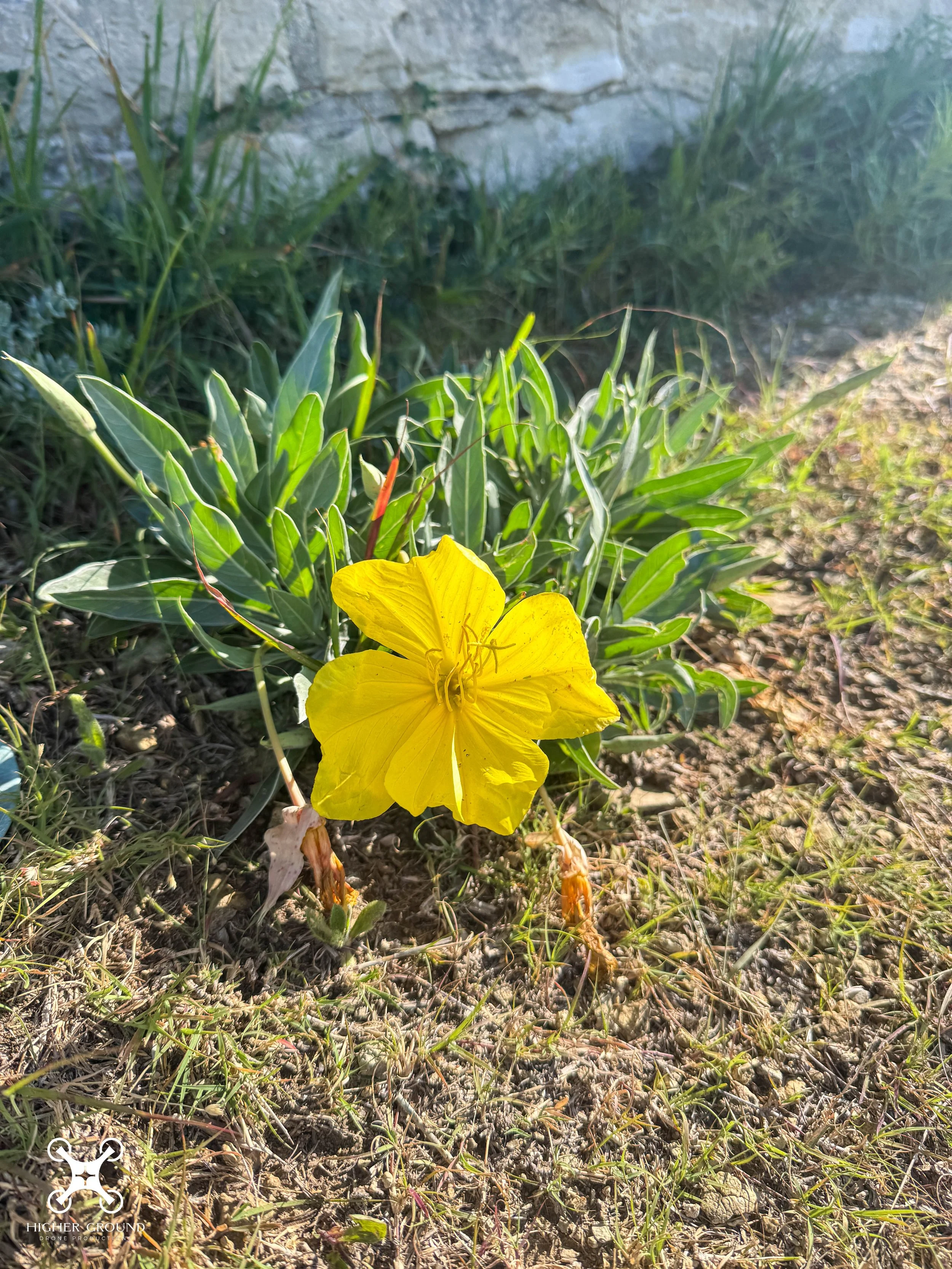
The Tallgrass Prairie National Preserve in the Flint Hills of Kansas was established in 1996. It protects 10,894 acres of the rarest major ecosystem in North America. Before European settlement, 140 million acres of tallgrass prairie existed. Today, less than 4 percent remains. The rest was turned into farmland.
At one time, a shallow sea covered this area. As the water dried, it left behind thick layers of limestone, shale, and flint. Later, erosion washed away the soft soils but left the hard rocks behind. These rocky, rolling hills were "too rocky to plow," saving the land from the agricultural plows that destroyed other prairies. For thousands of years, this area was the traditional home to Native American tribes, including the Kaw, Osage, Wichita, and Pawnee.
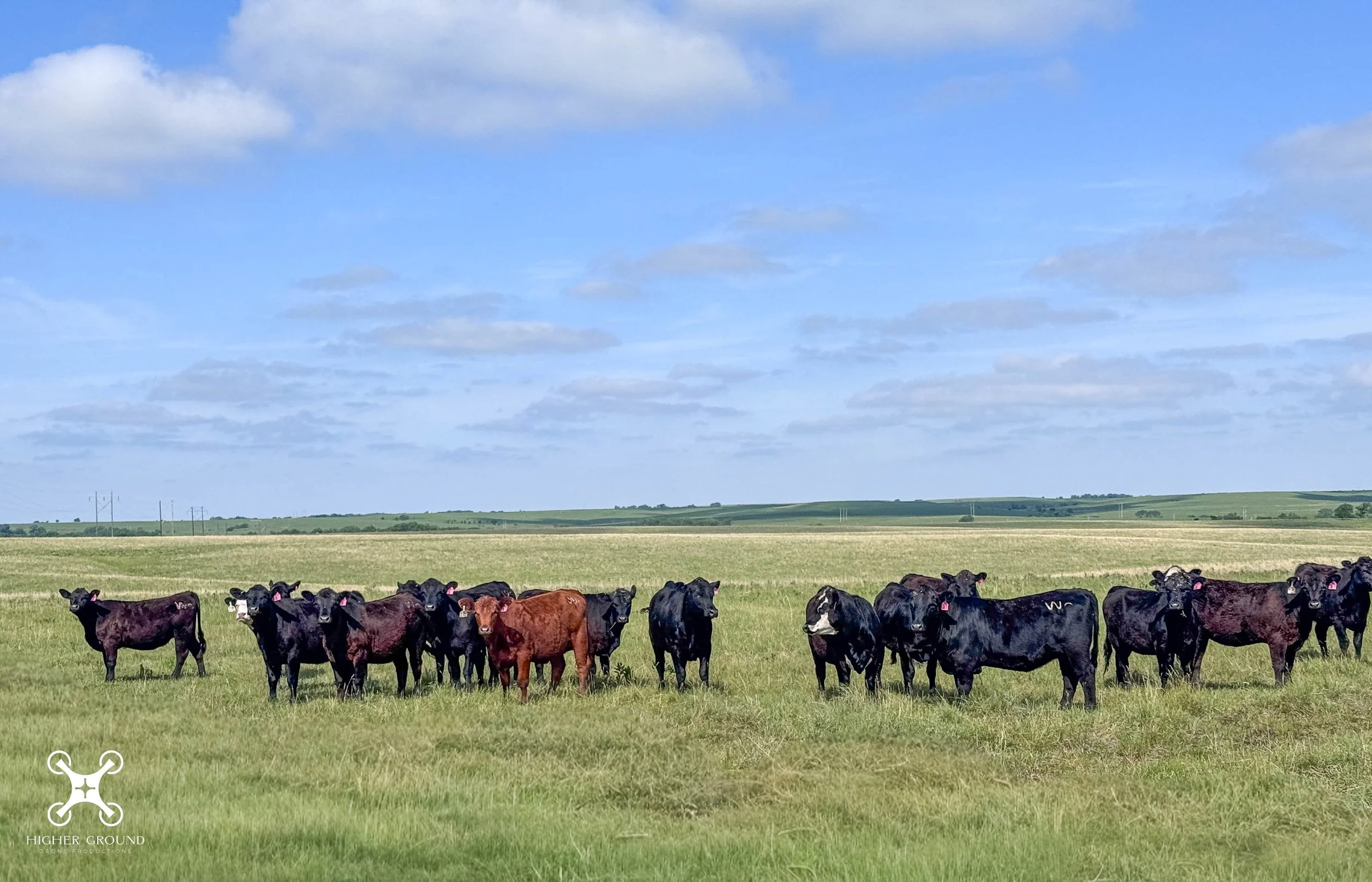
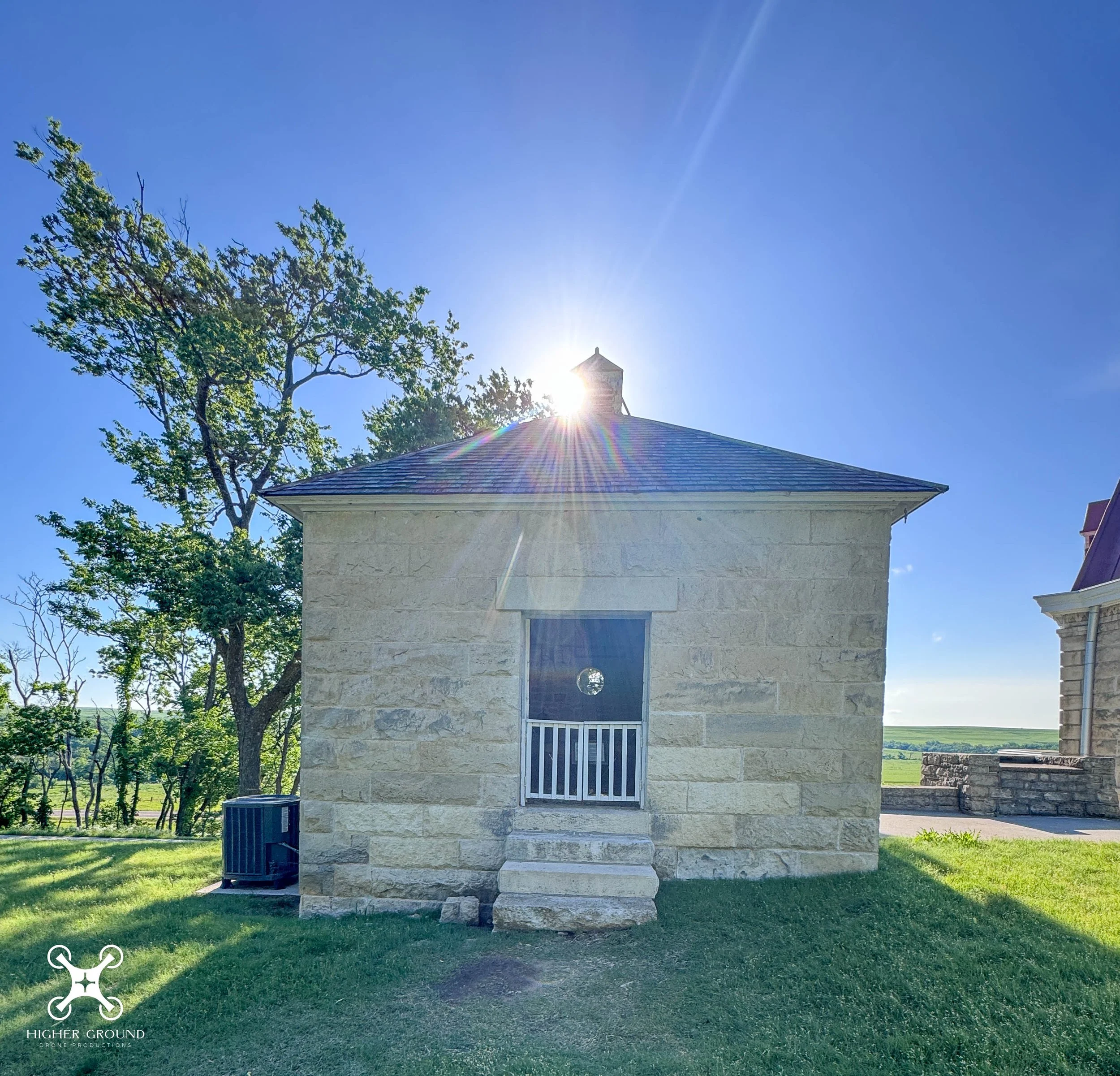
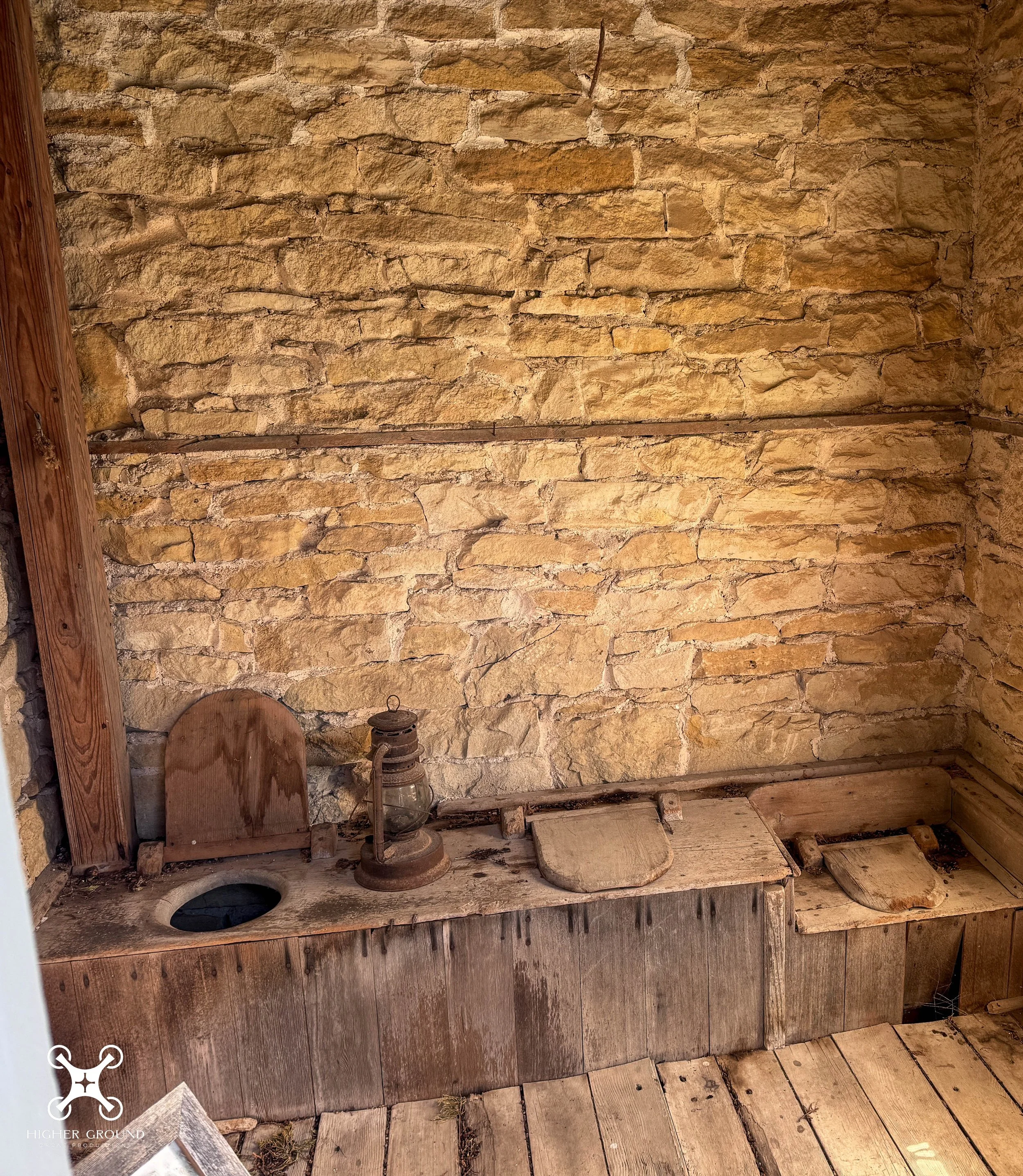
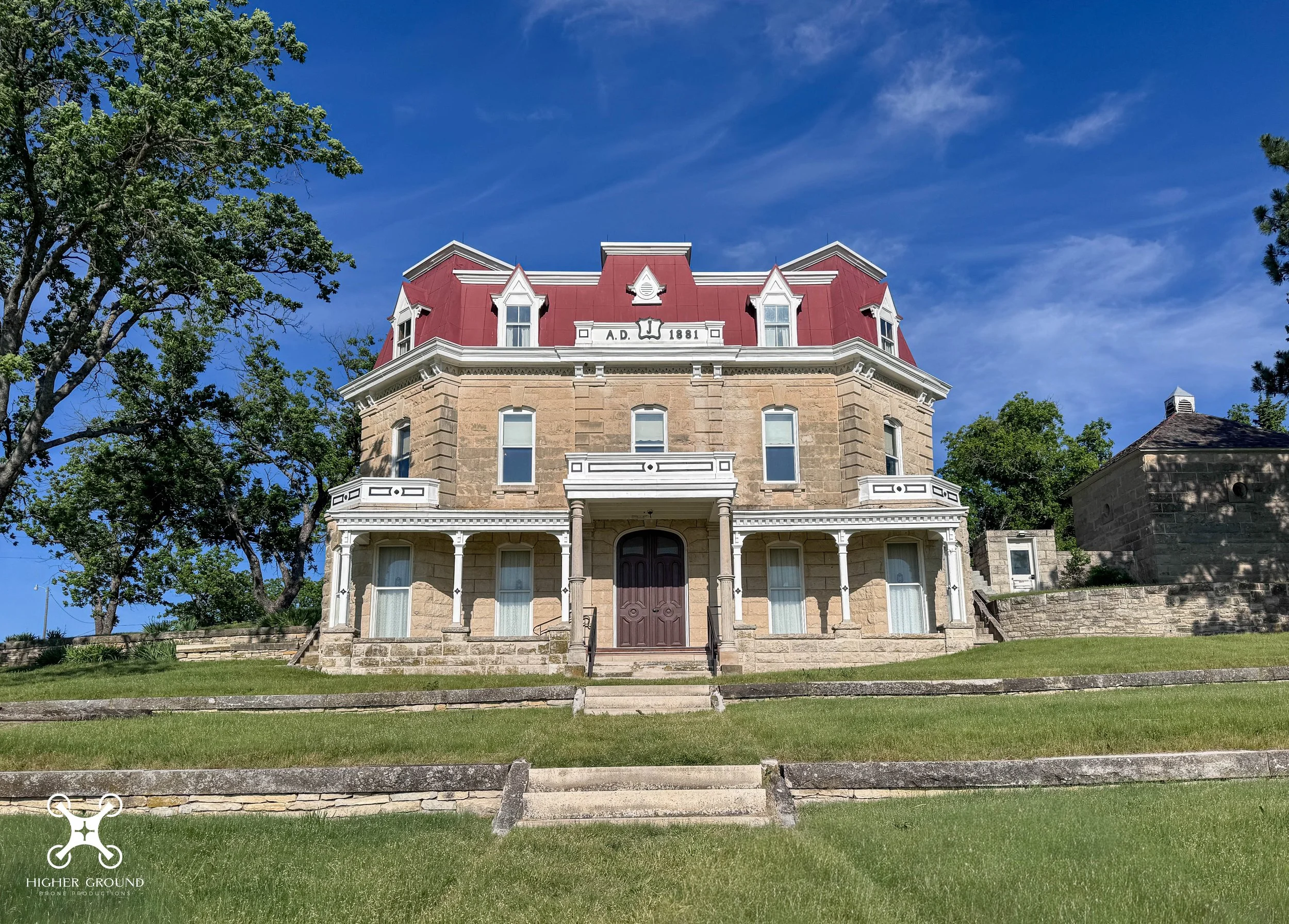
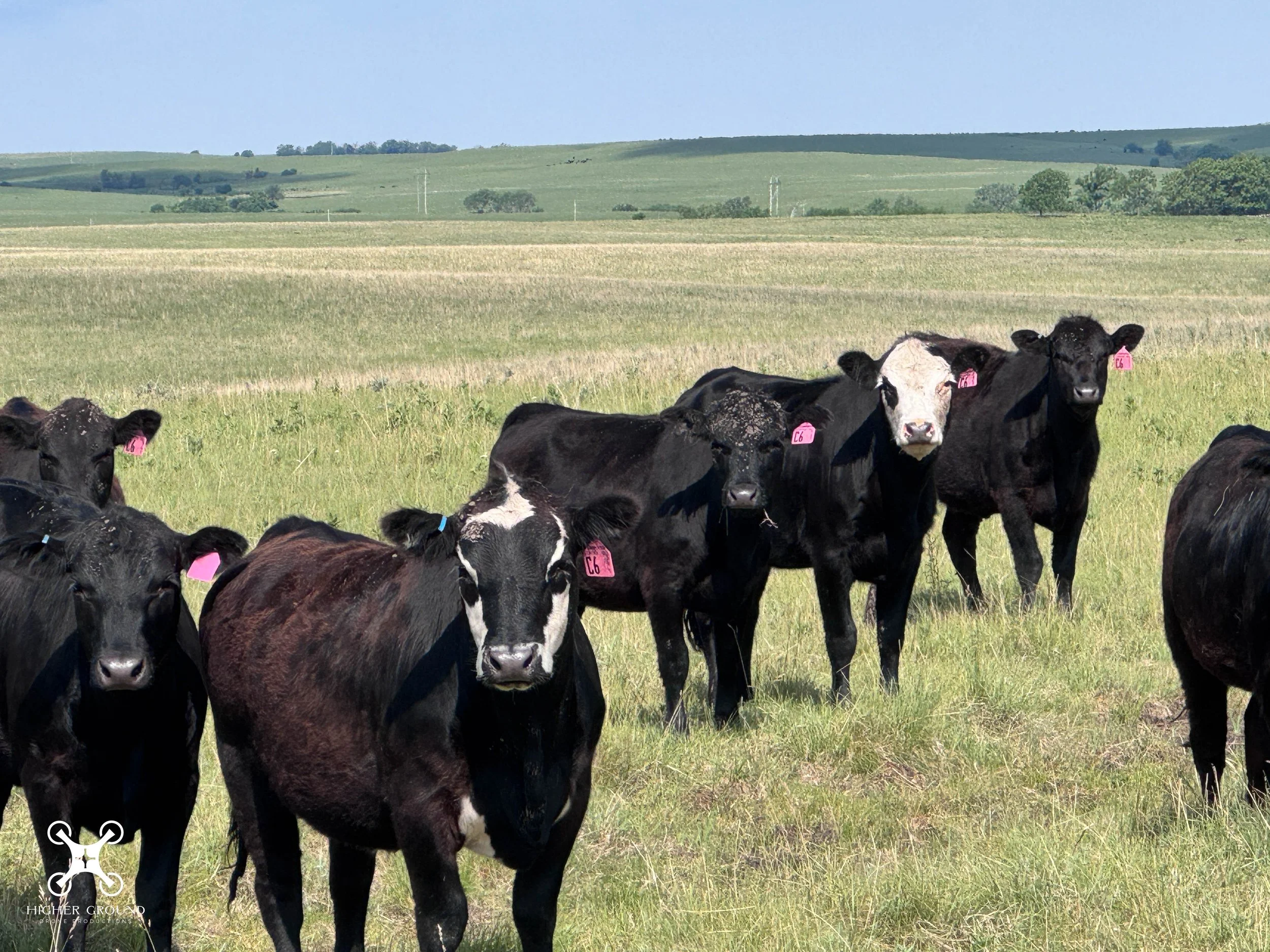
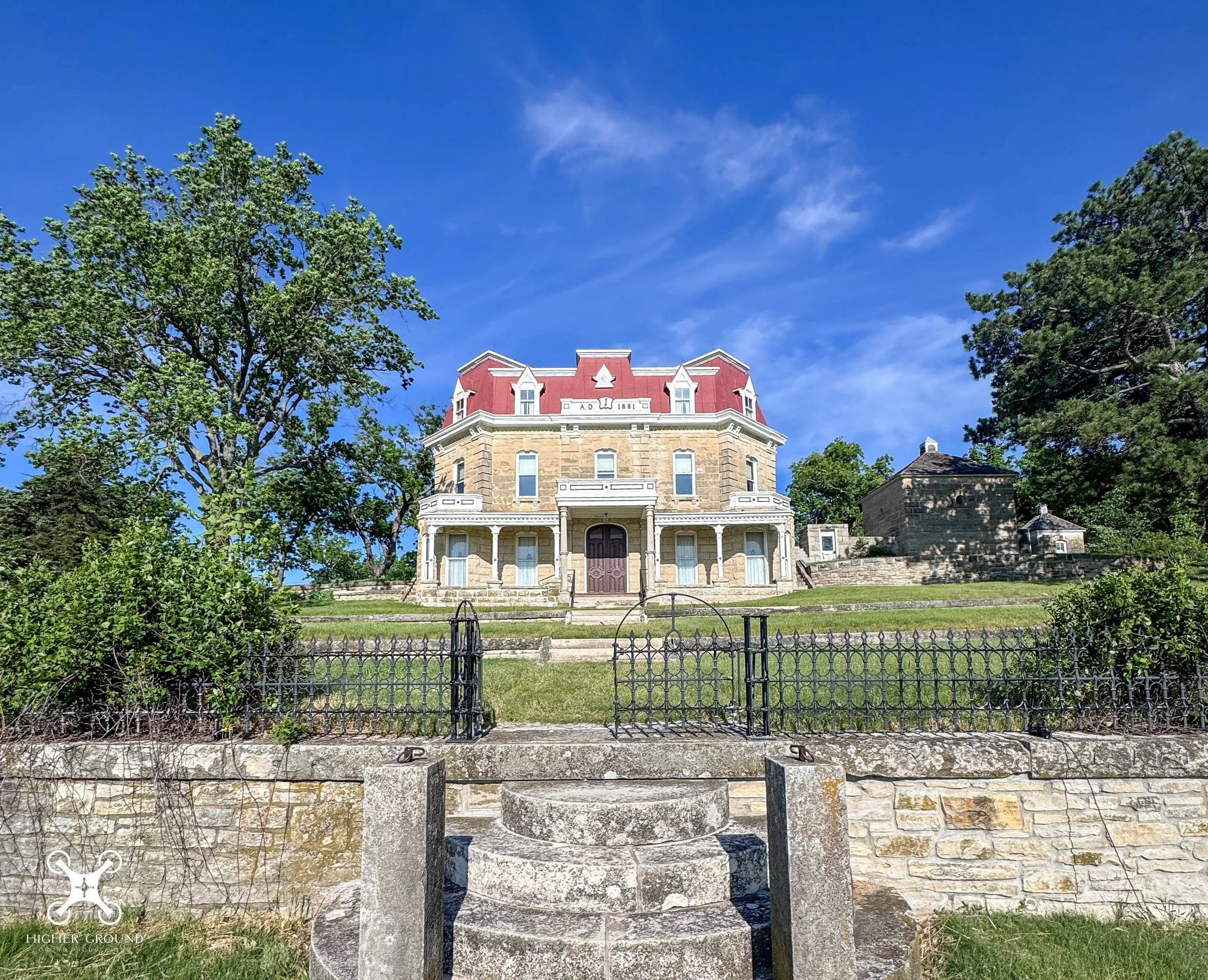
In the late 1800s, this land became a massive, private cattle business. In 1878, cattle rancher Stephen Jones bought thousands of acres. He later called it the "Z Bar Ranch" because of its cattle brand. Jones built 30 miles of tall stone fences. This kept his cattle enclosed at a time when the open-range cattle industry was changing. In 1881, he built a three-story, 11-room limestone mansion. He also built a massive limestone barn and the Lower Fox Creek Schoolhouse for local children.
Environmentalists spent decades fighting to save a piece of the tallgrass prairie. The federal government and local ranchers finally agreed on a unique plan. In 1996, Congress officially authorized the preserve. To appease local ranchers who disliked federal ownership, a special public-private model was created. The land is now jointly owned and managed by the National Park Service and The Nature Conservancy.
The prairie depends on fire and grazing animals to survive. These forces keep woody trees from taking over the grasses. Park managers intentionally burn portions of the prairie every year. This mimics natural lightning fires that swept the plains long ago.
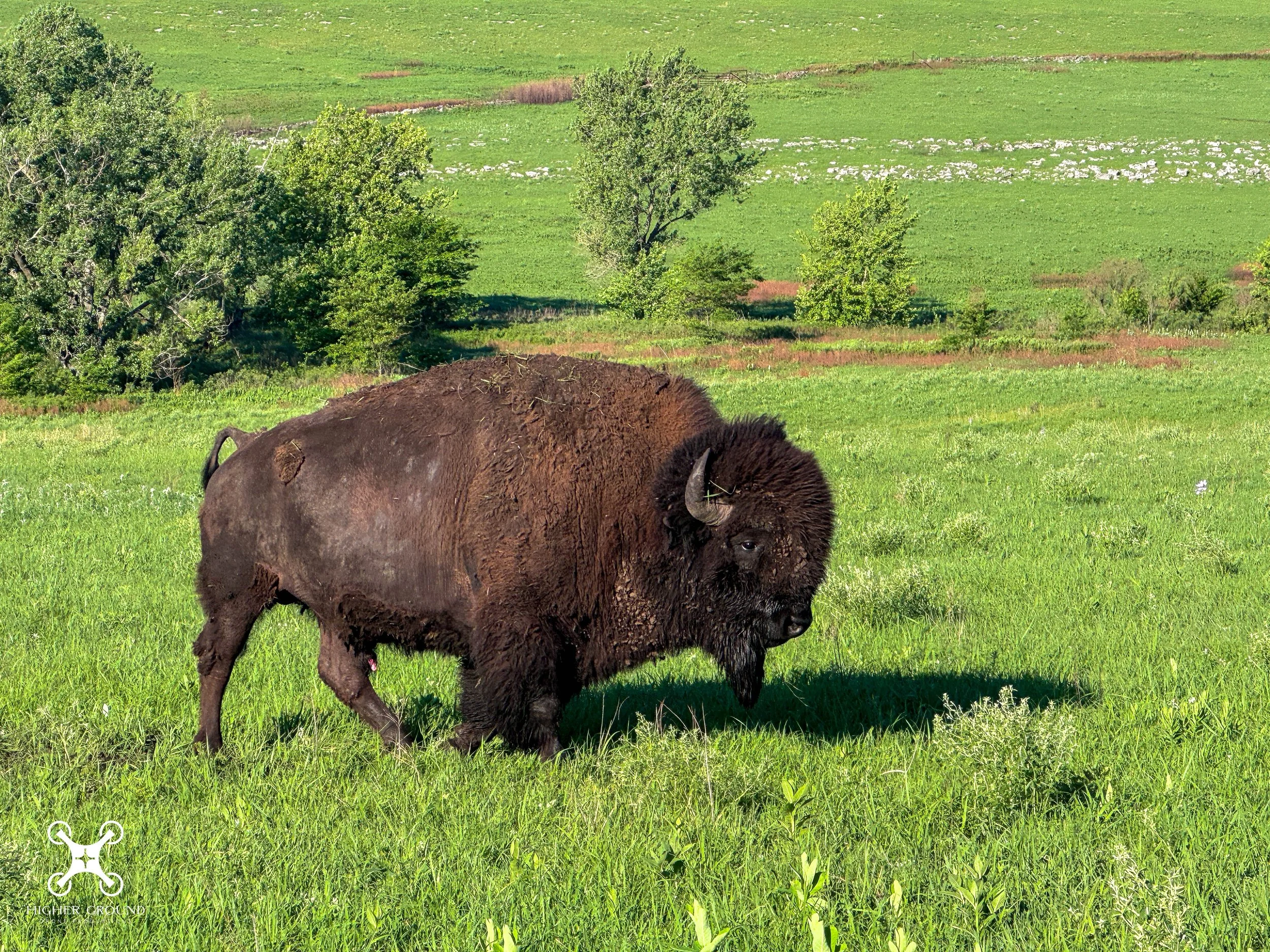
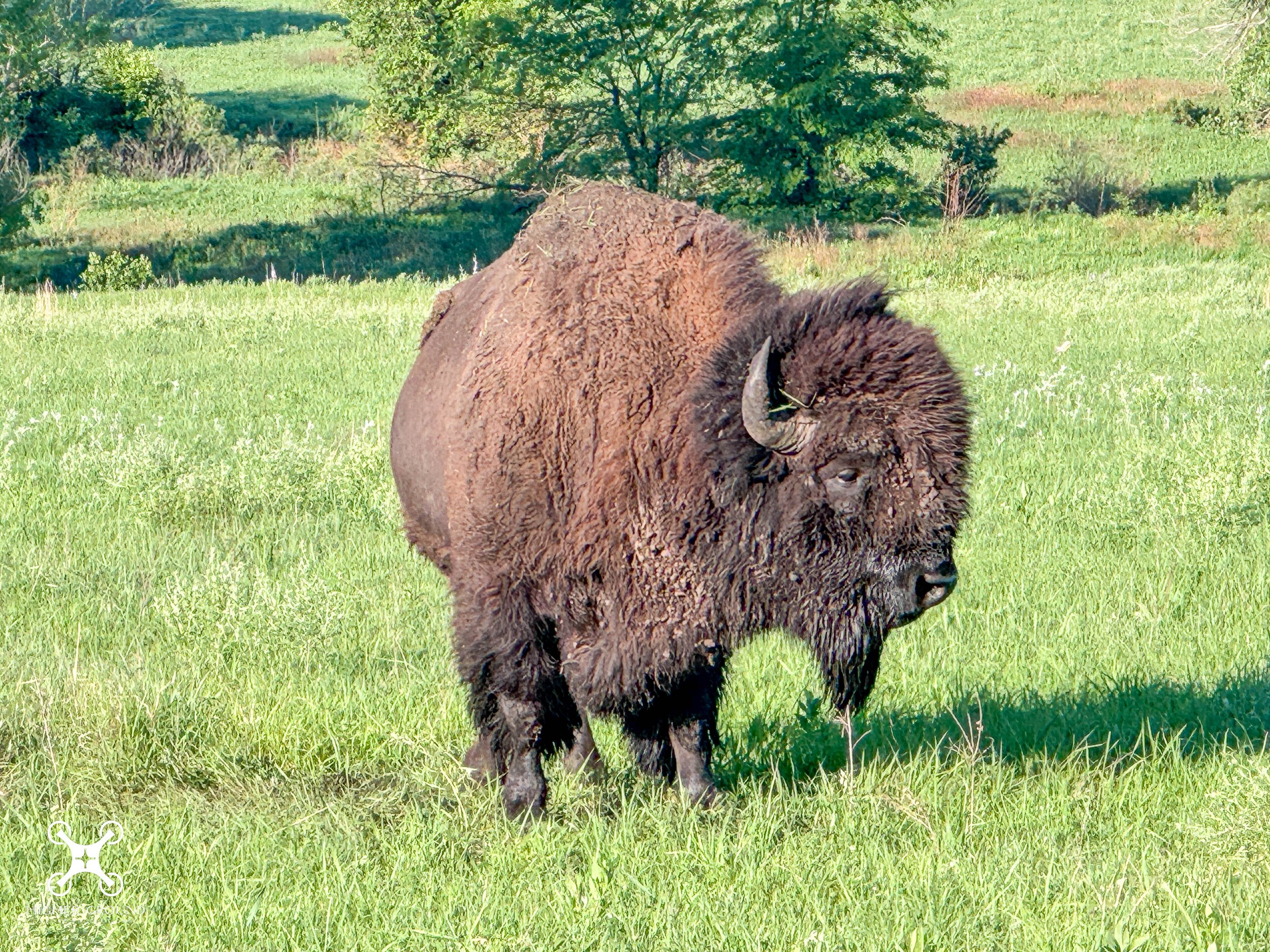
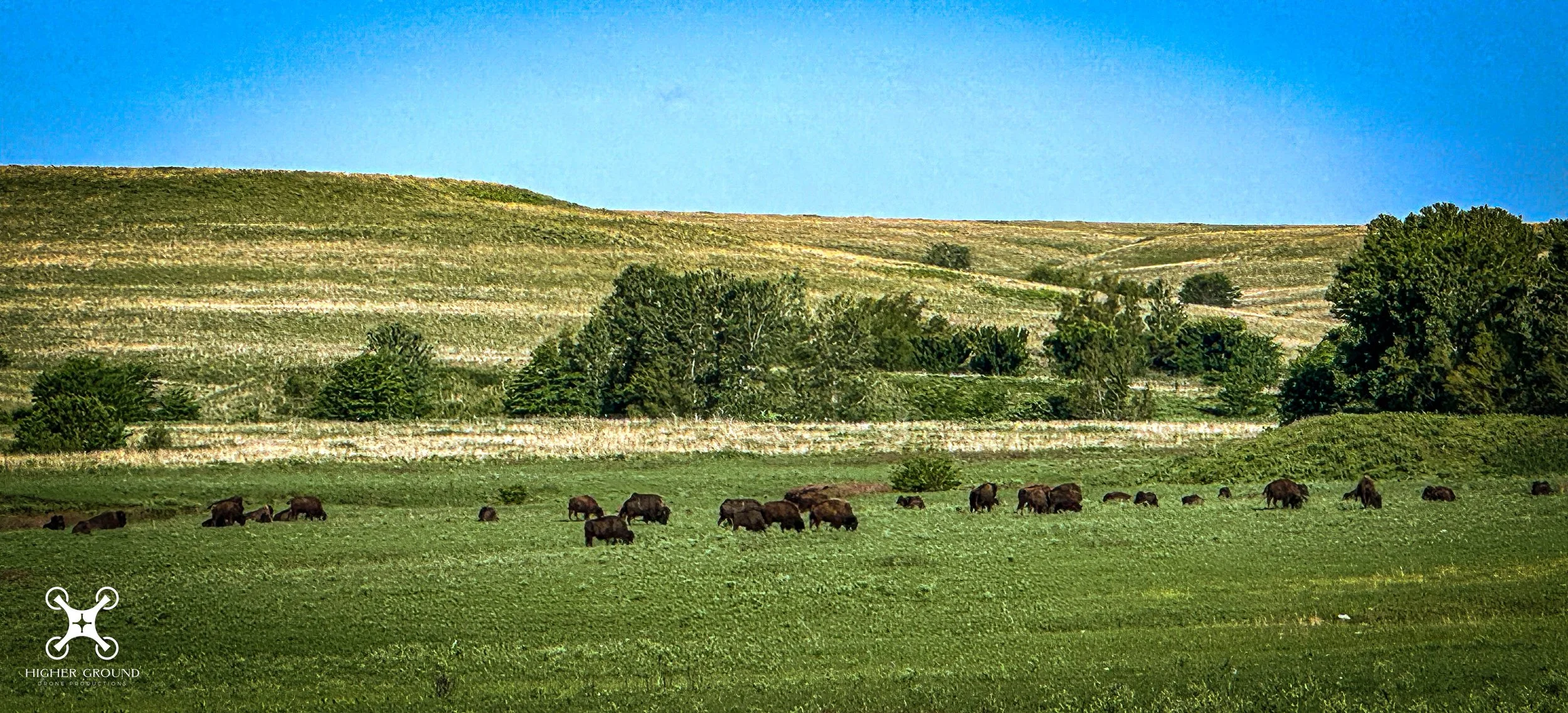
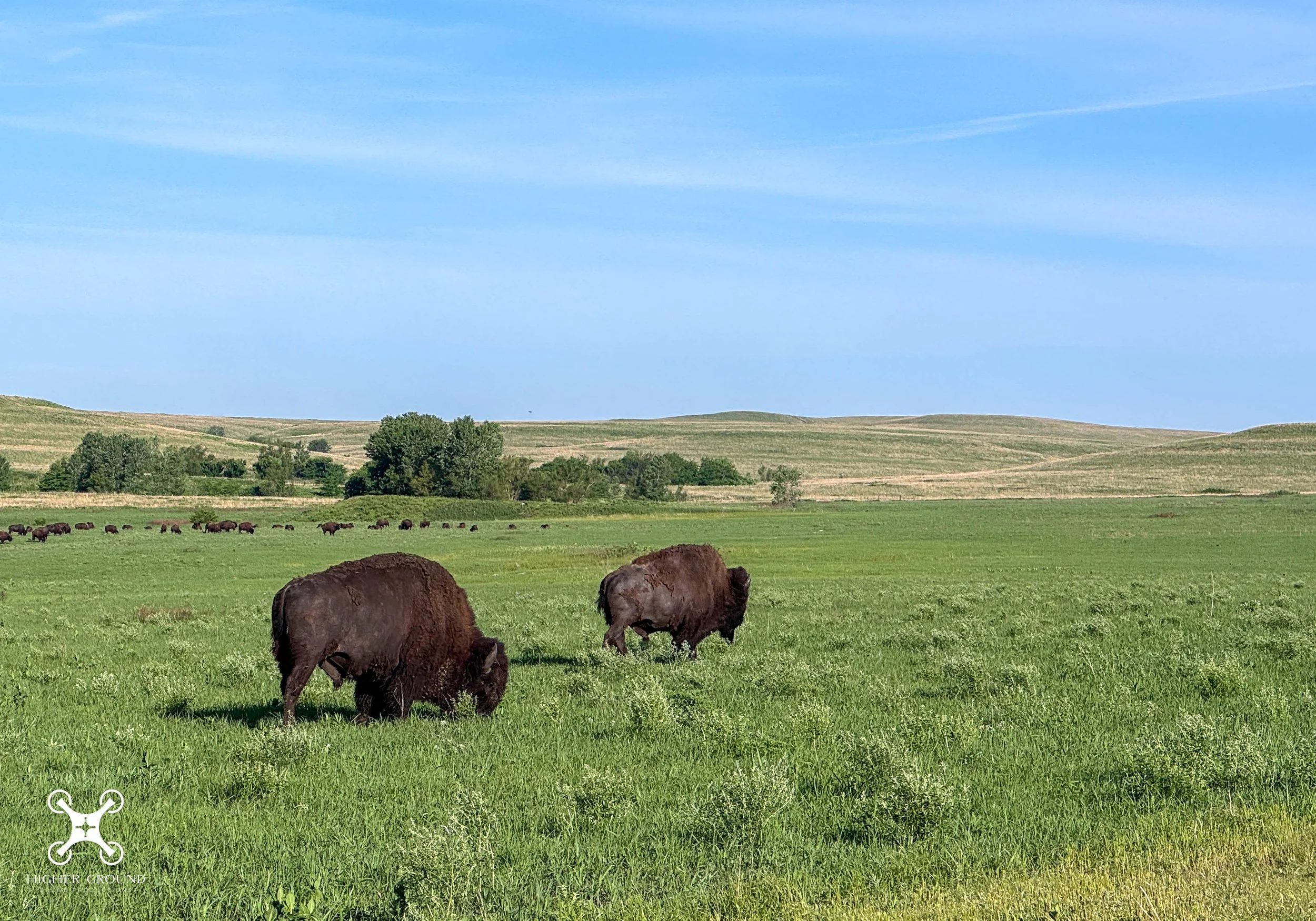
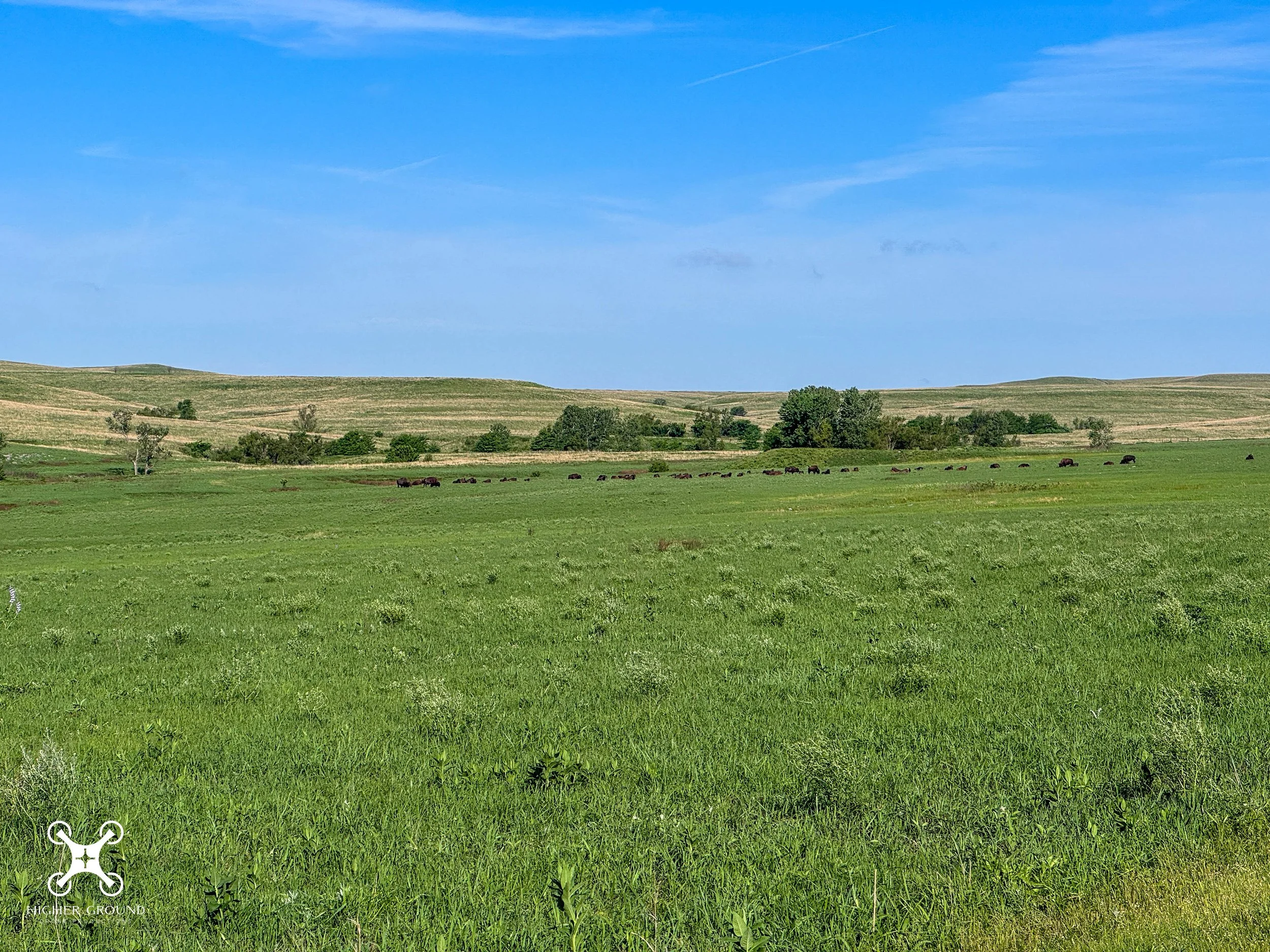
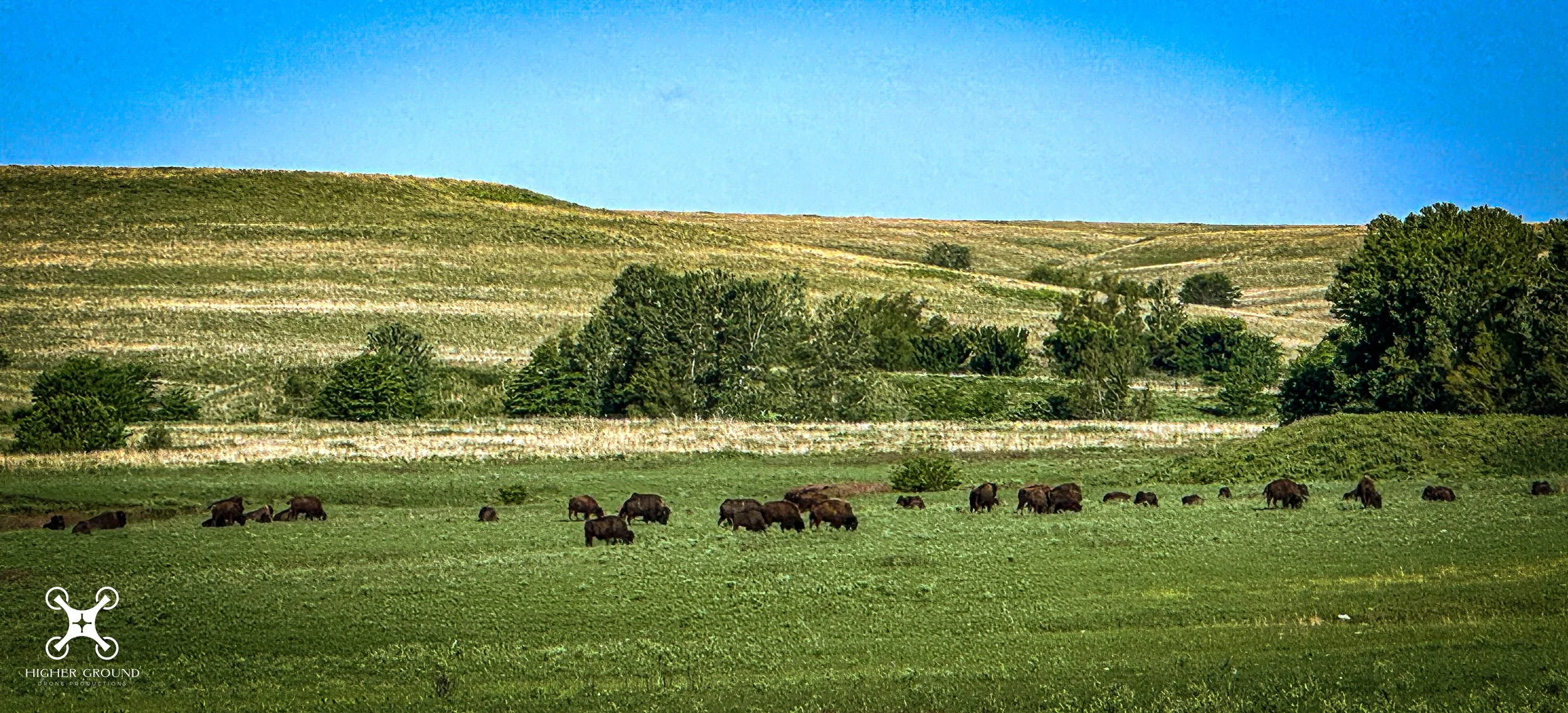
In 2009, 13 bison were brought back to the preserve. Today, a larger herd roams the hills, eating grasses and creating micro-habitats where small birds and insects can thrive.
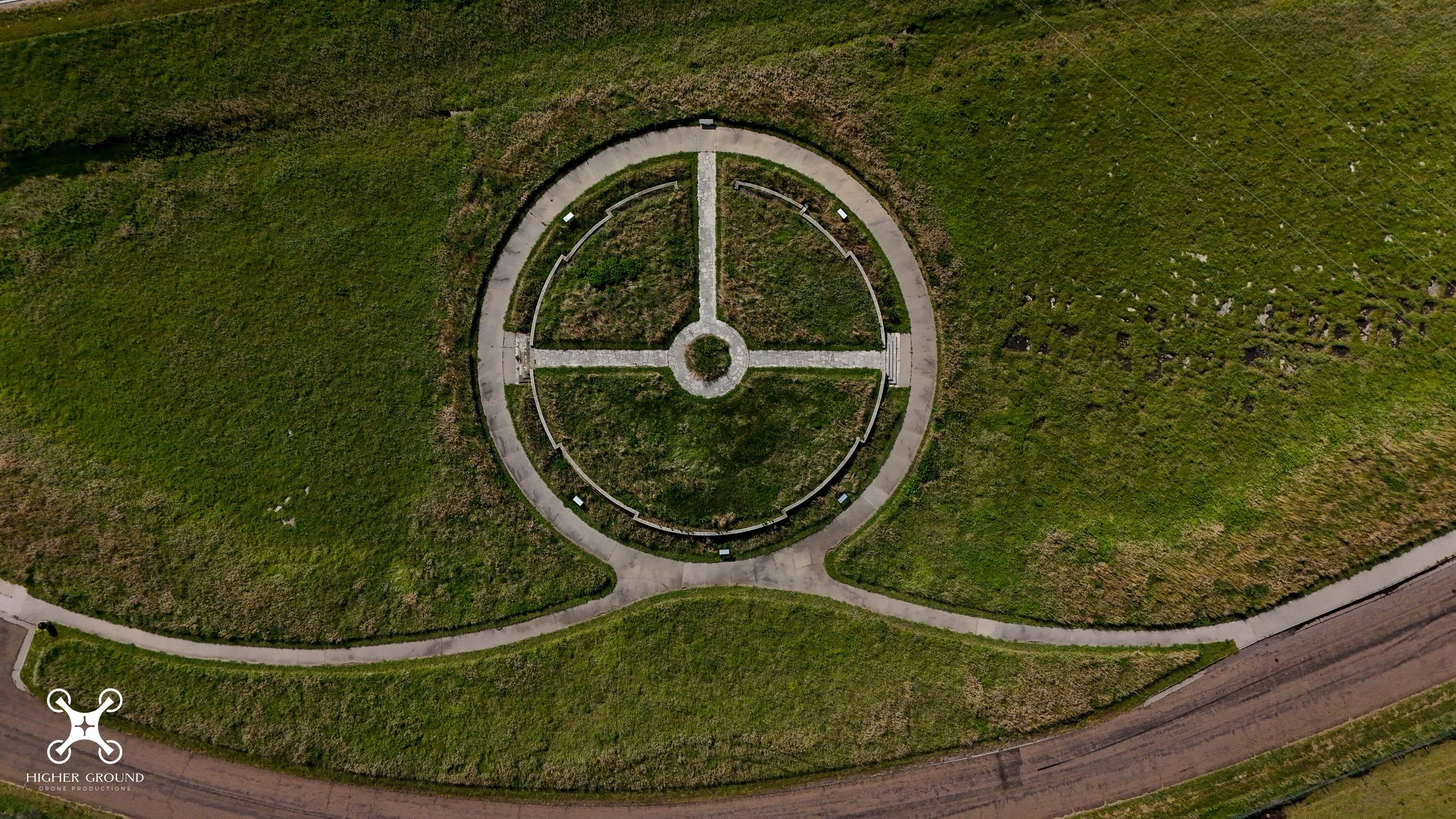
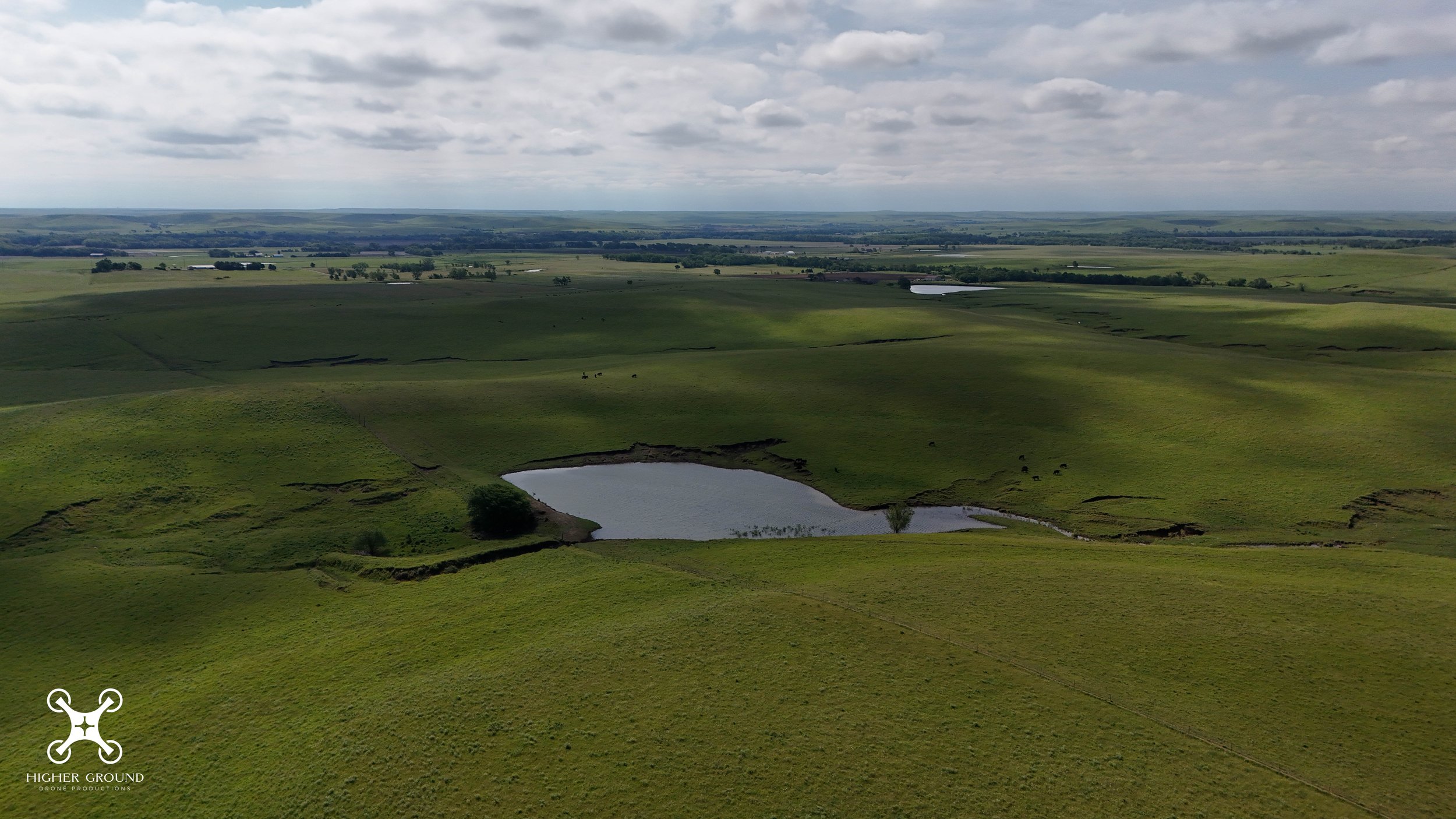
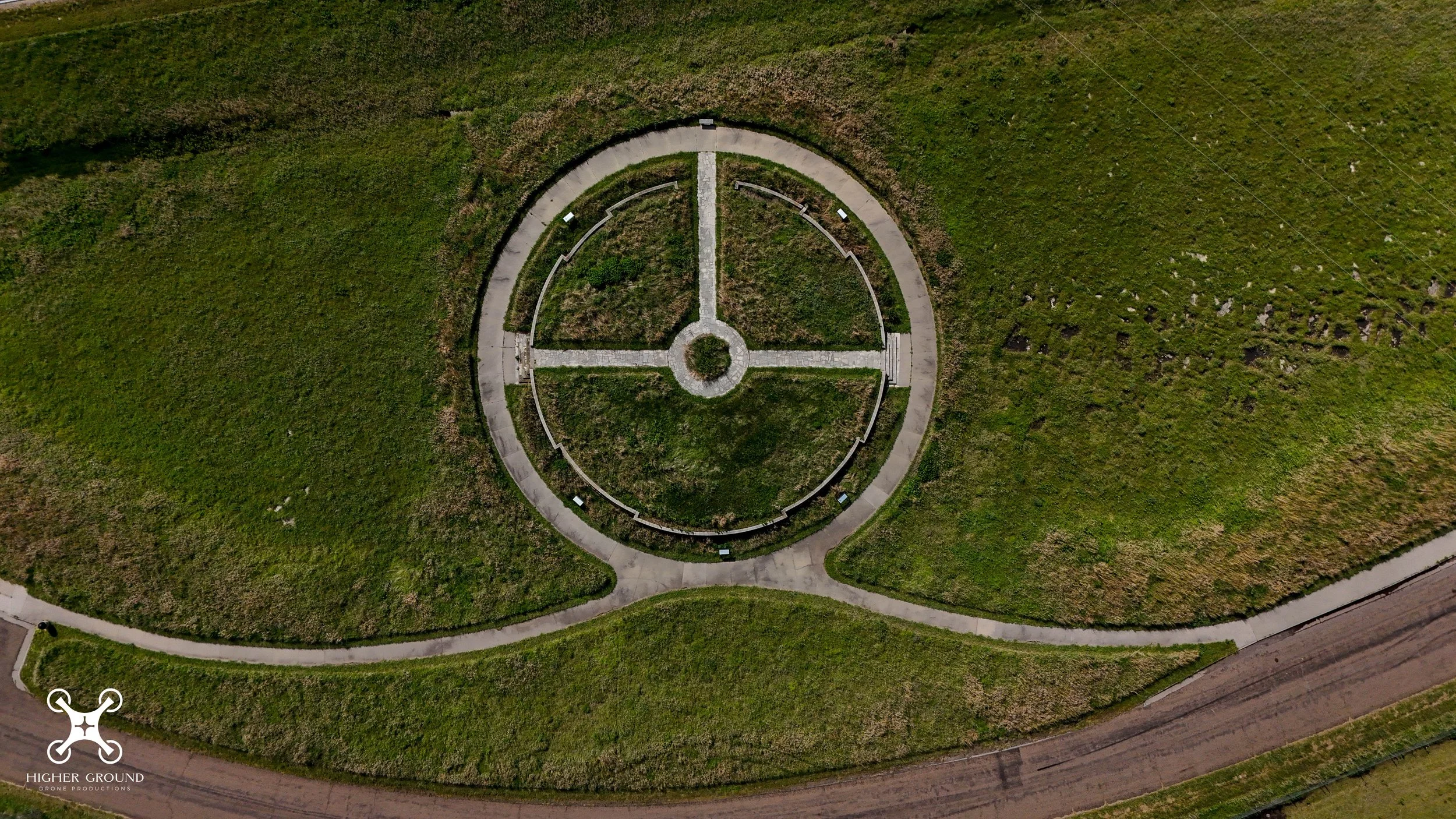
PS… the drone shots are from outside of the National Preserve. Several are from a highway rest area that was so green and lush I had to put the drone up. And I could not figure out the point of the sidewalk, but it made an interesting drone shot.