Roman “Opus” Construction Styles
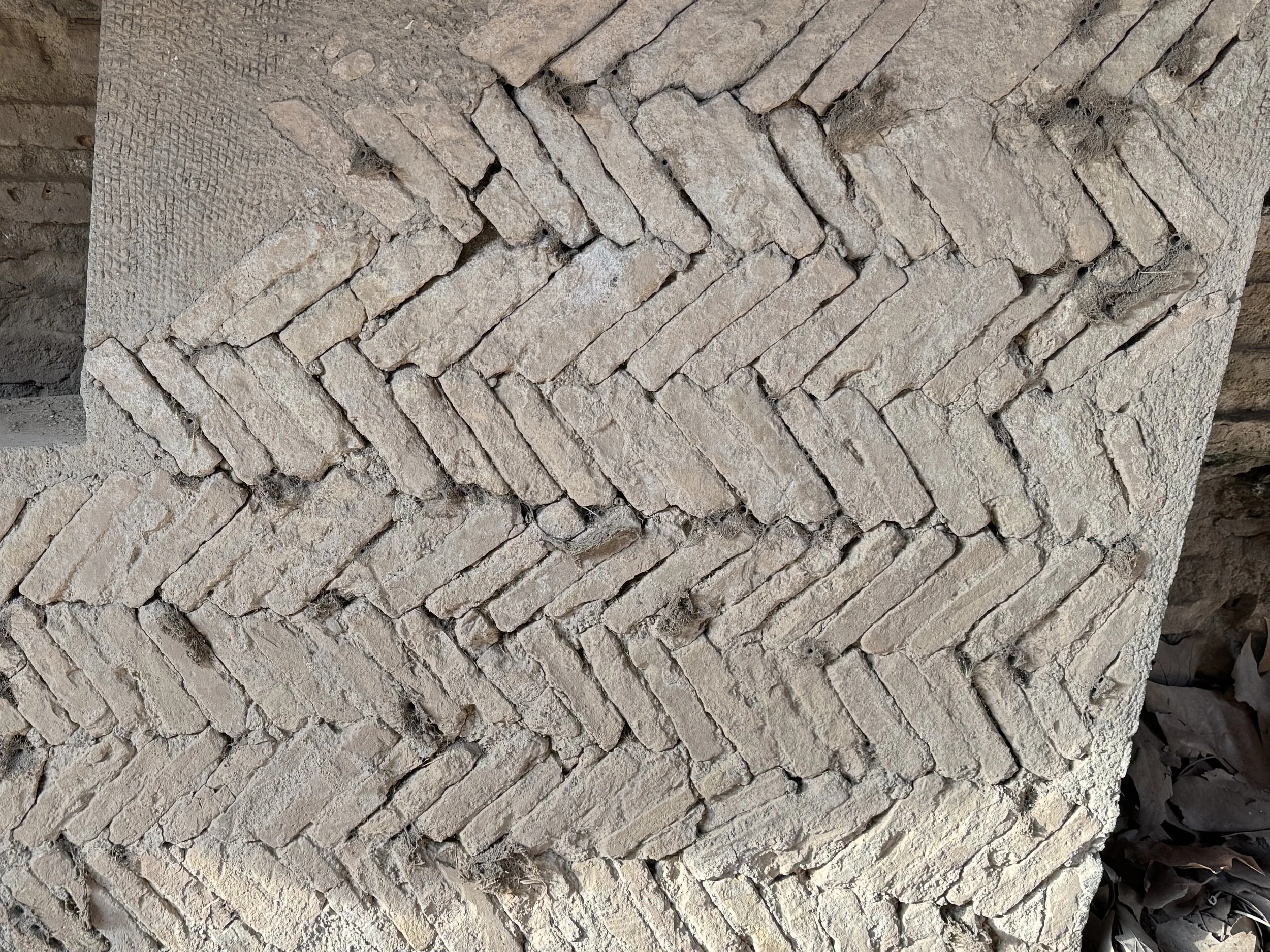
Looking at ruins of ancient Biblical places, one can’t help but be awed by the endurance of ancient construction methods. The Romans, from the early republican period through the imperial period, used various construction methods that are described as “Opus” which means “work”. Various types of Opus construction were popular in different eras and can help to roughly place a building in a time frame. It’s a type of game for us now to try and guess/remember the terminology when we visit a site. I think we are pretty bad at it LOL, but we have collected a few photos that are good examples of various “Opus” methods. Here are just a few:
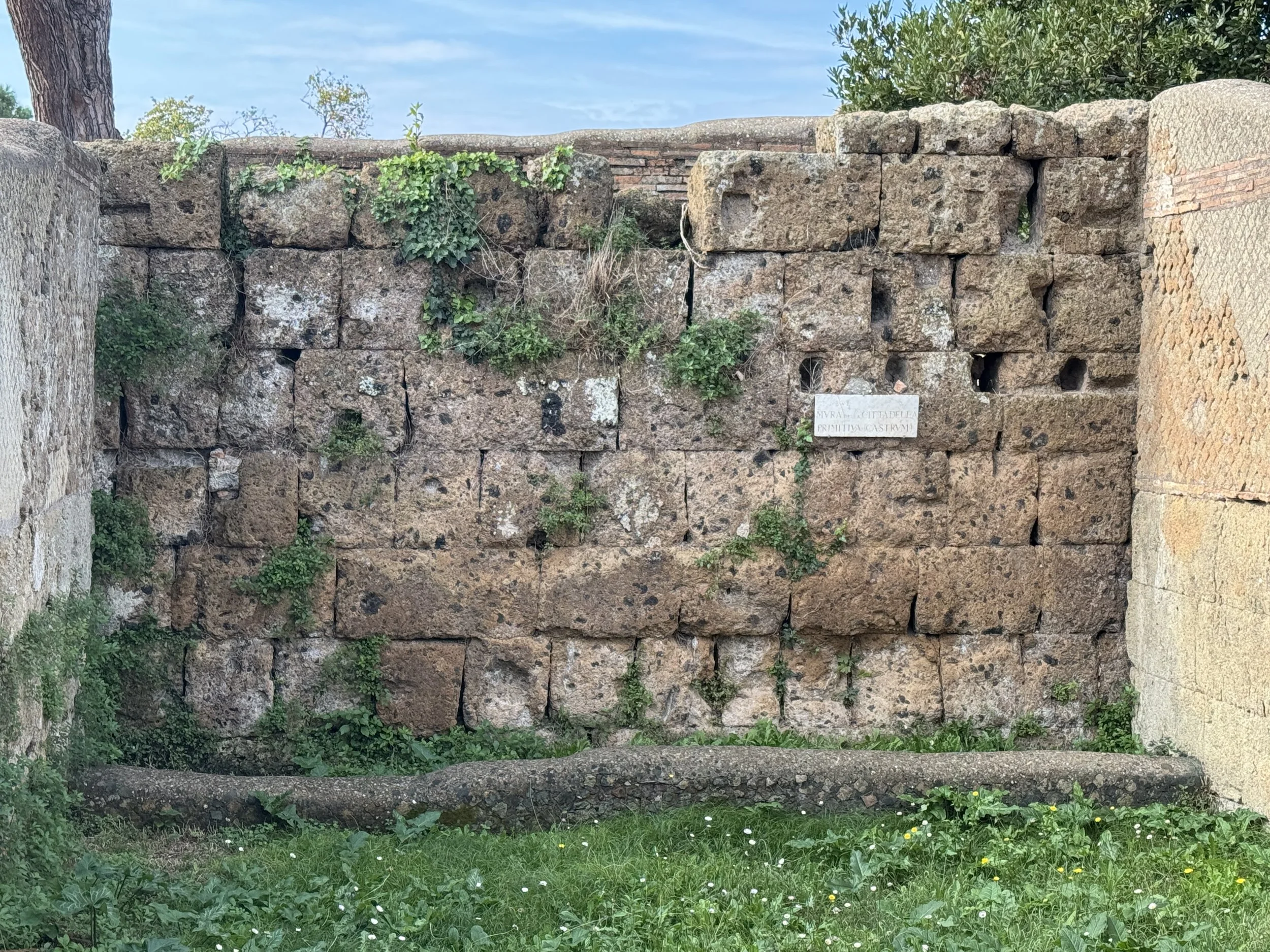
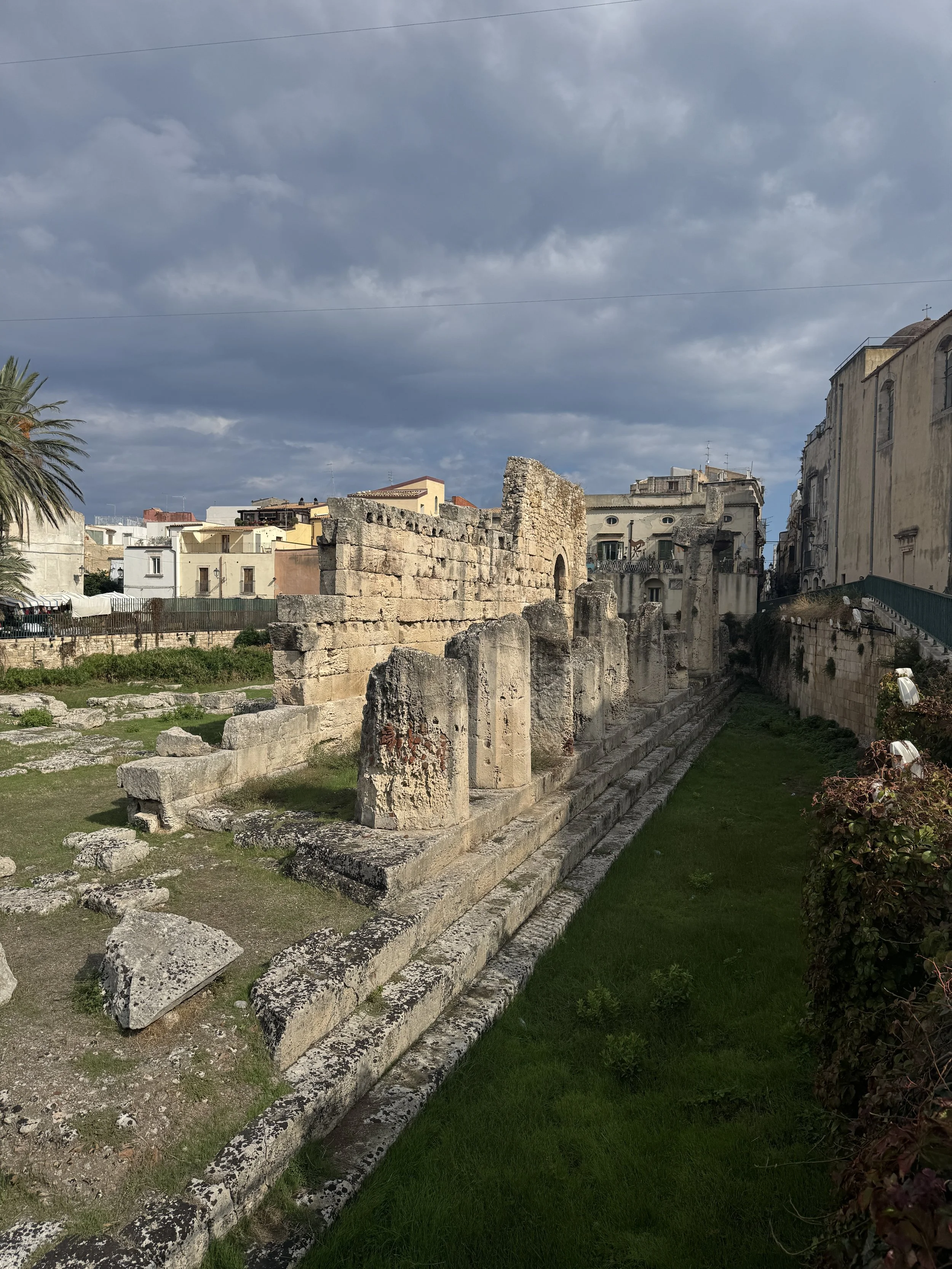
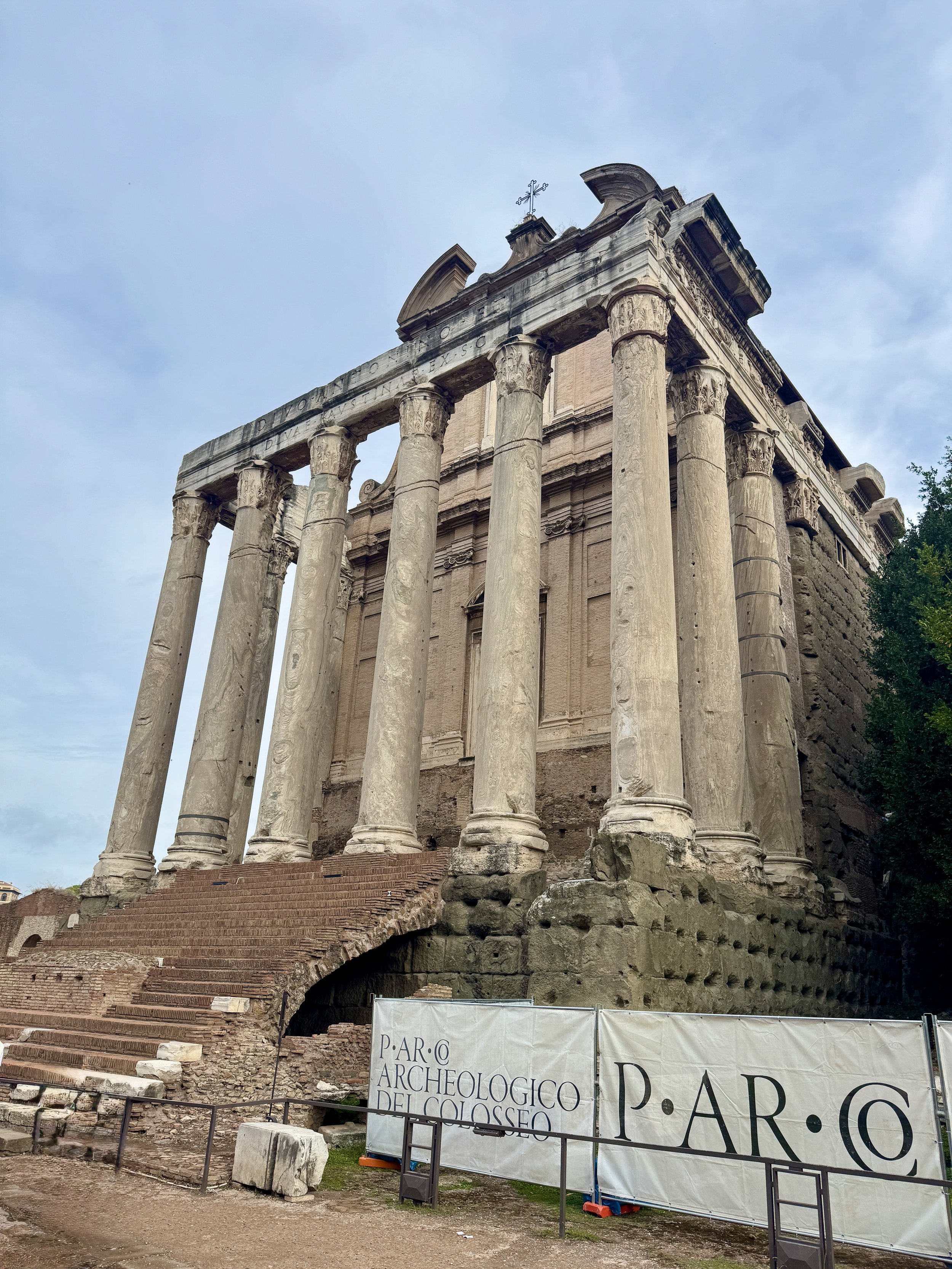
> Opus Quadratum (6th - 1st c BC): large rectangular blocks in horizontal layers, usually without mortar. Examples from Ostia Antica, Apollo temple of Siracusa and the base of the temple of Antoninus and Faustine in the Forum of Rome
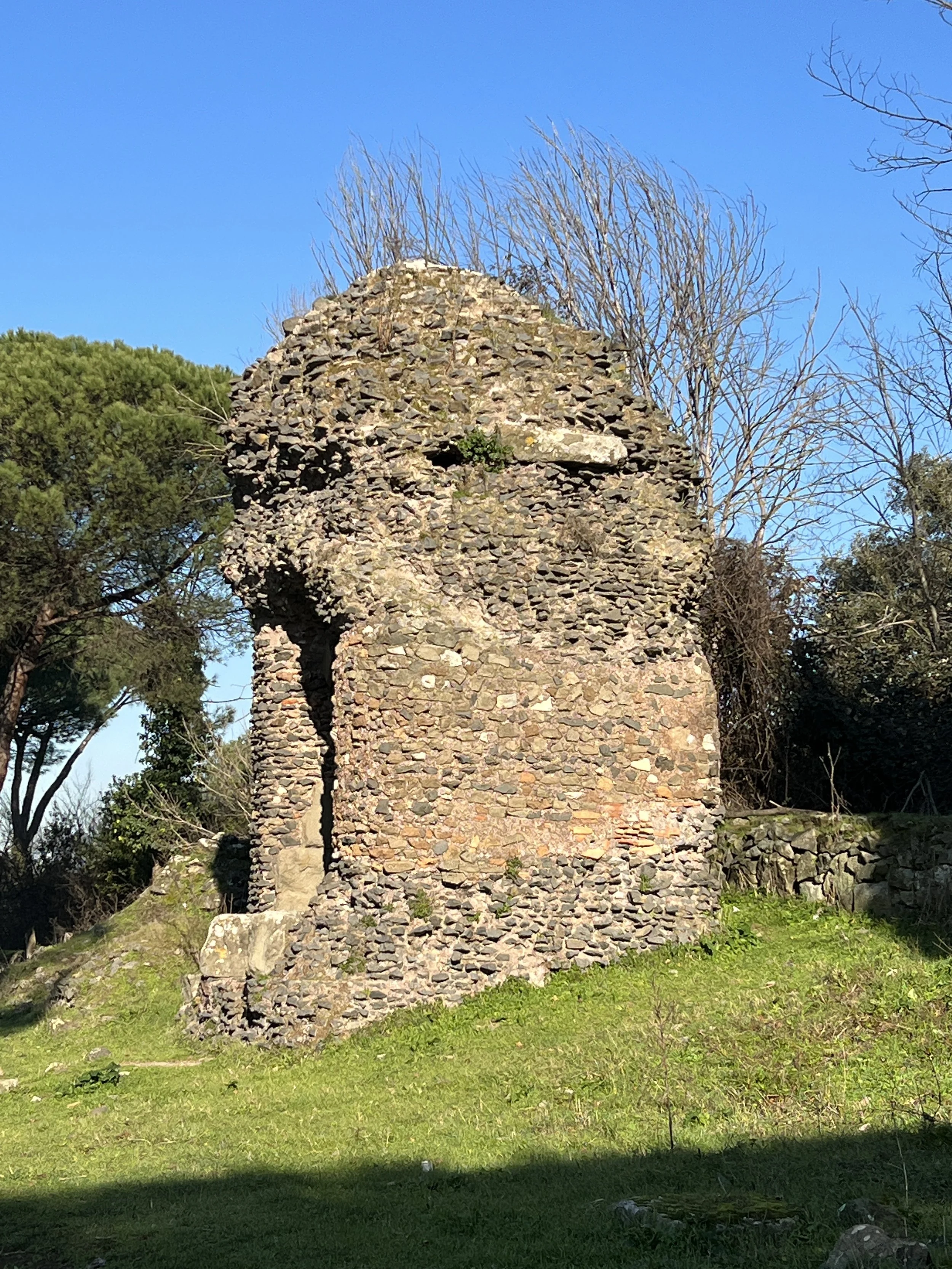
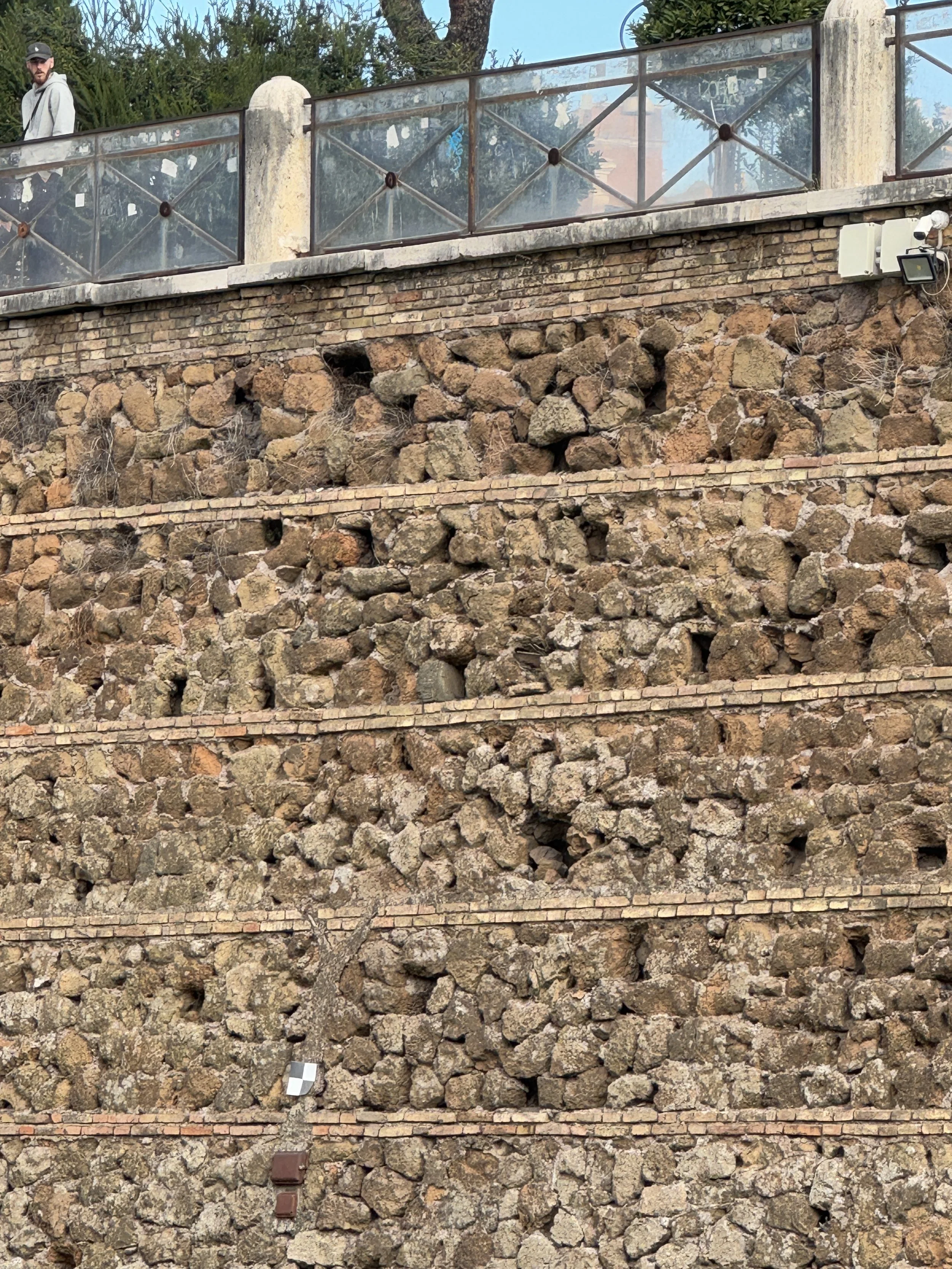
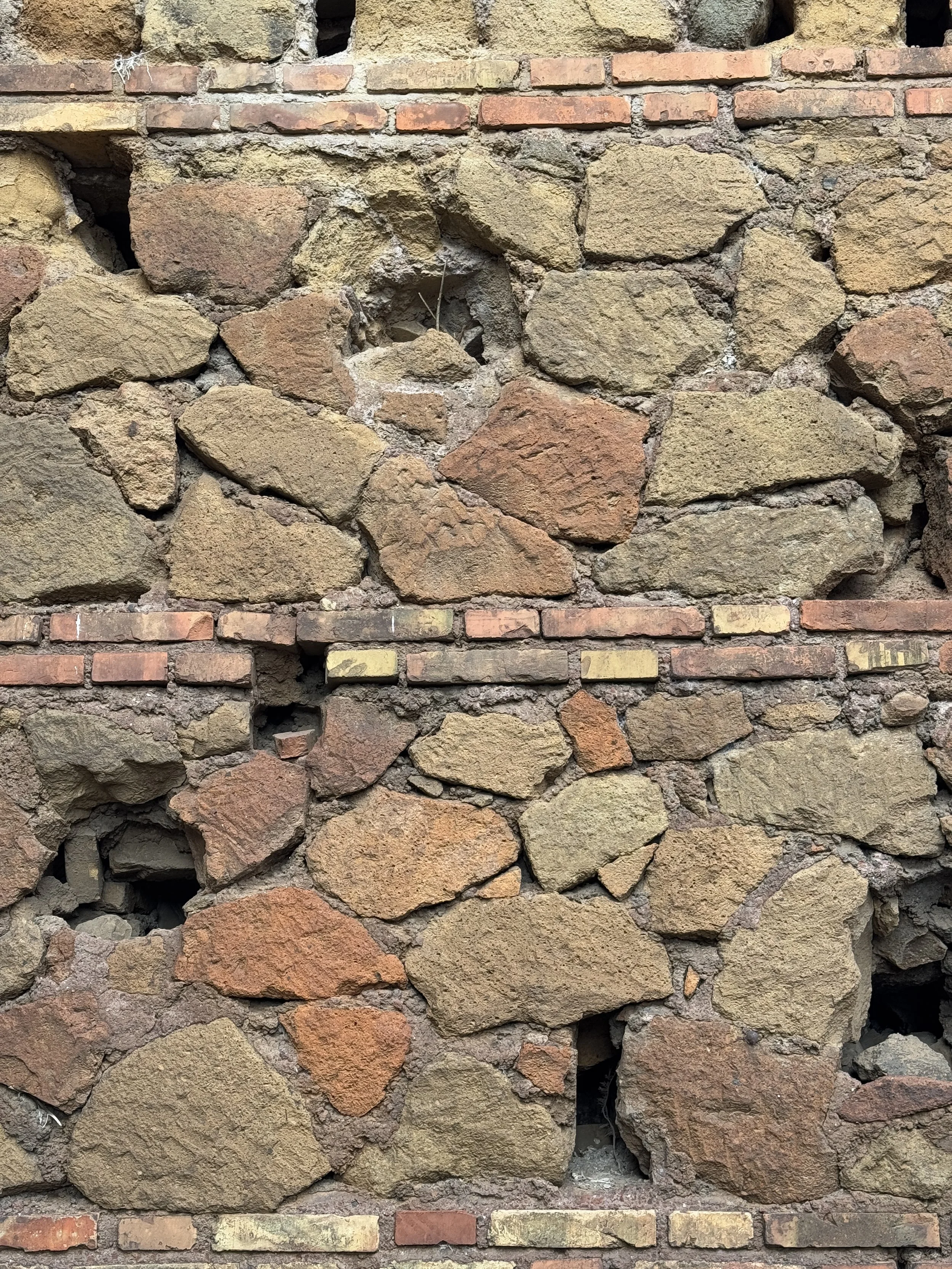
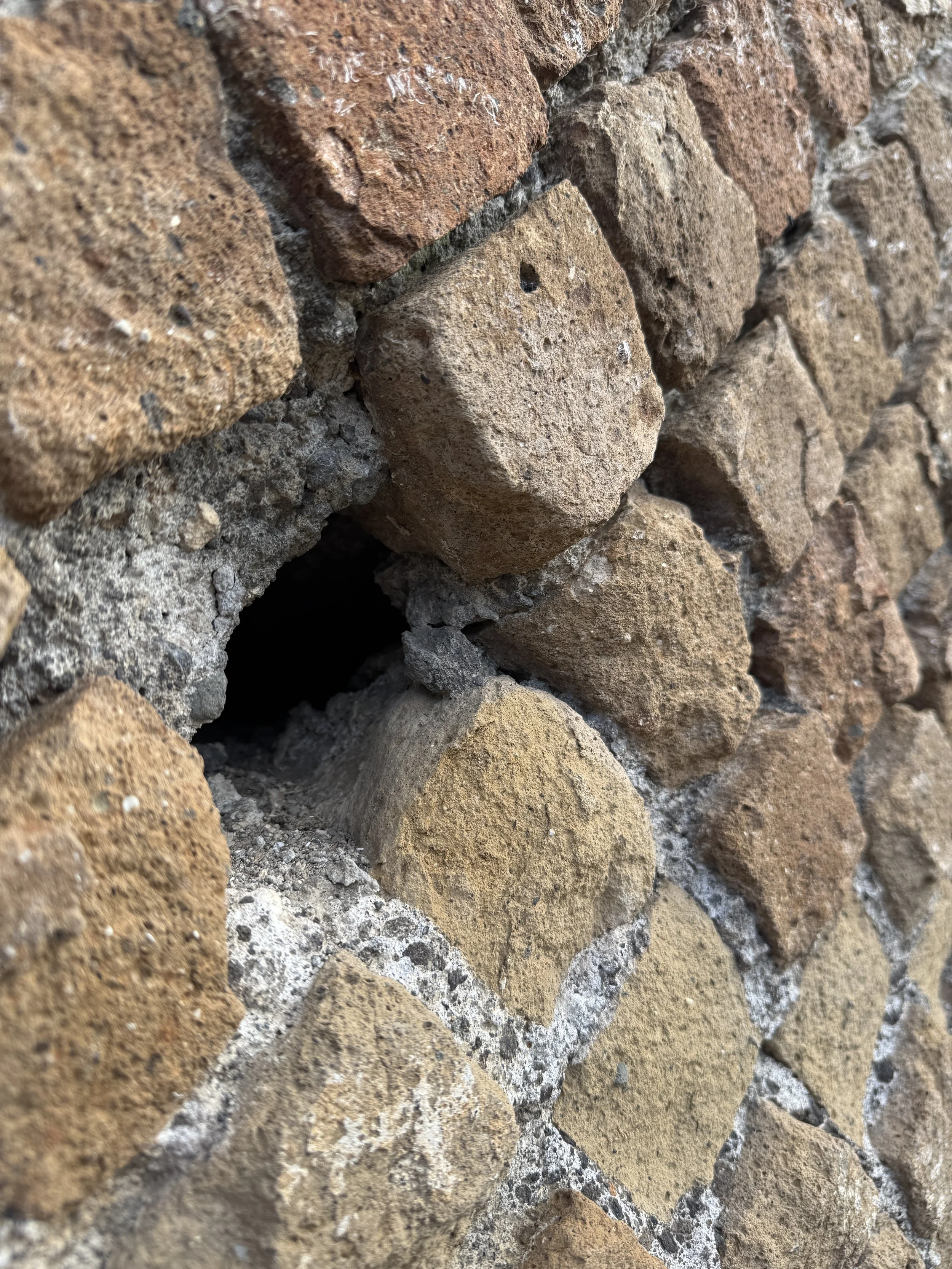
> Opus Incertum (2nd - 1st c BC): small irregular stones set into a concrete core. Examples are from a monument on the Via Appia in Rome and a wall in the Forum of Caesar
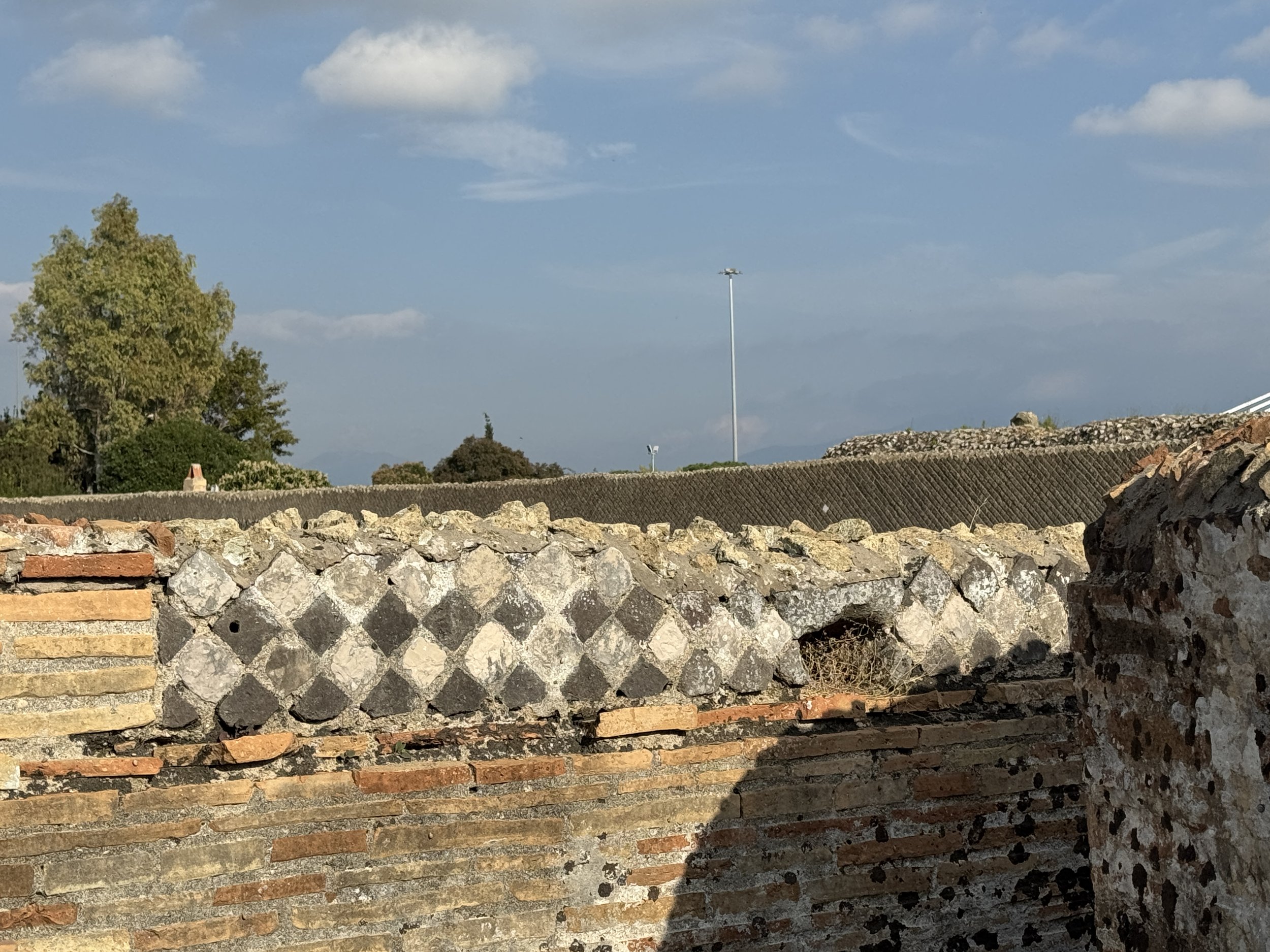
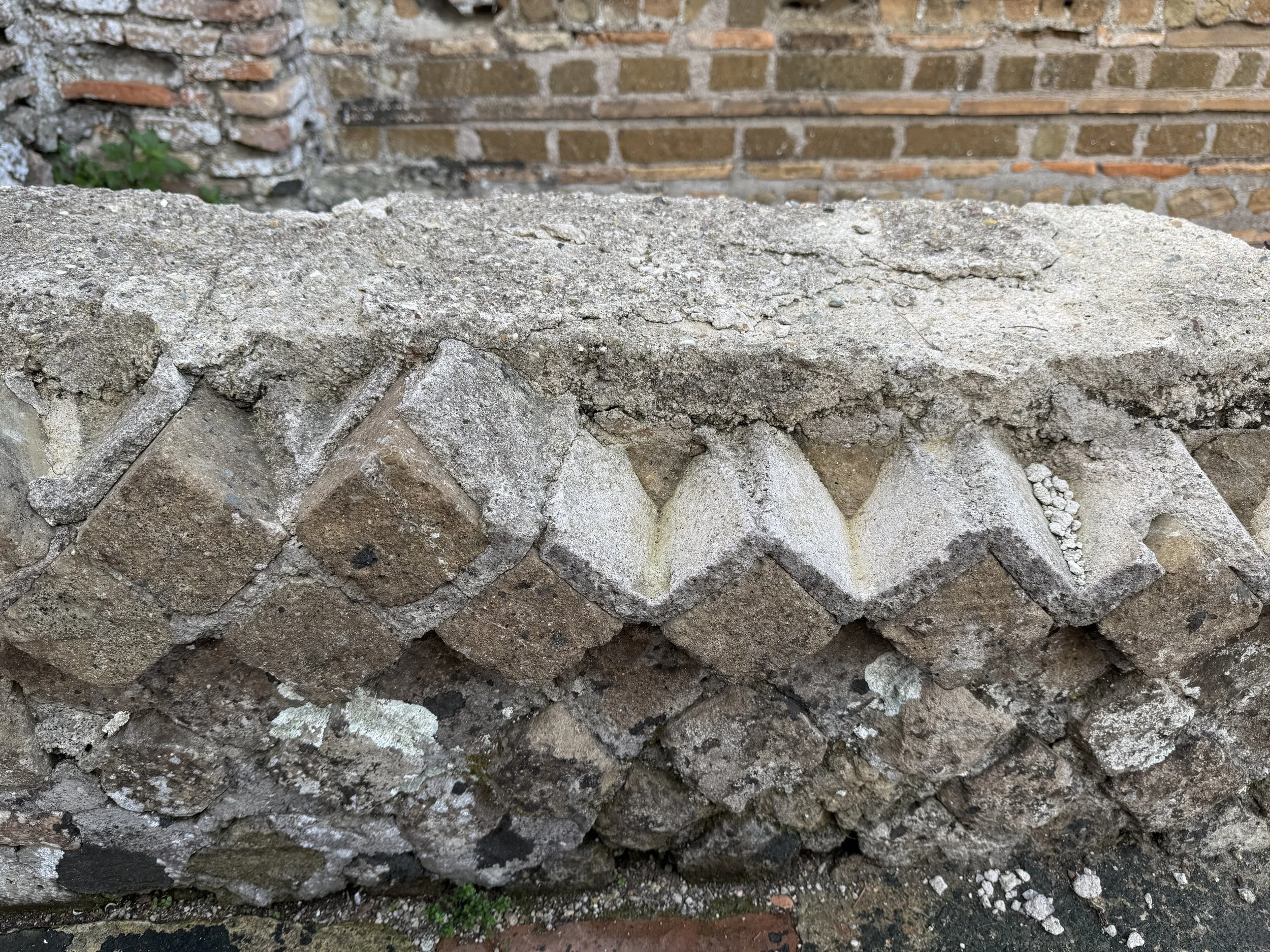
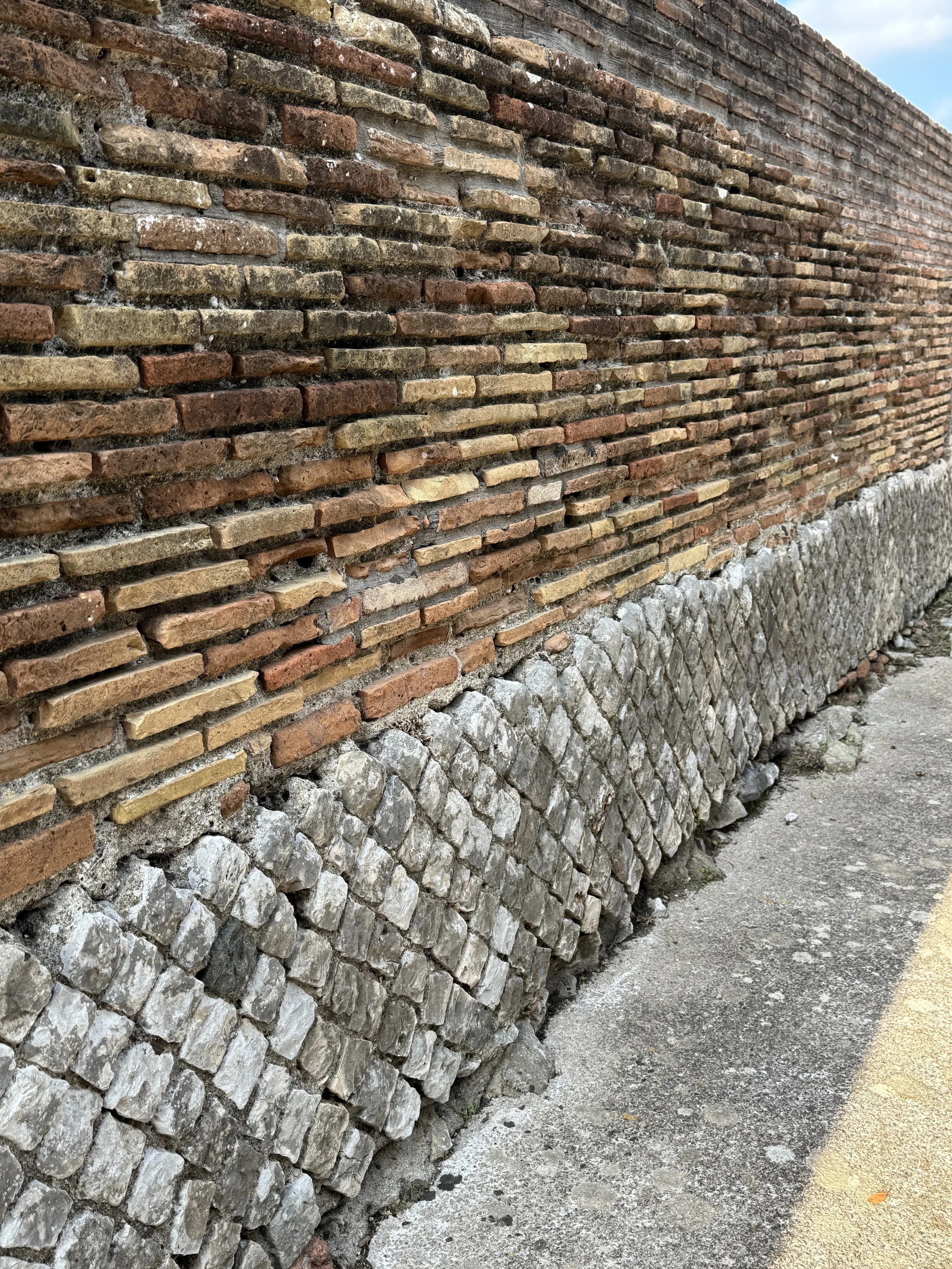
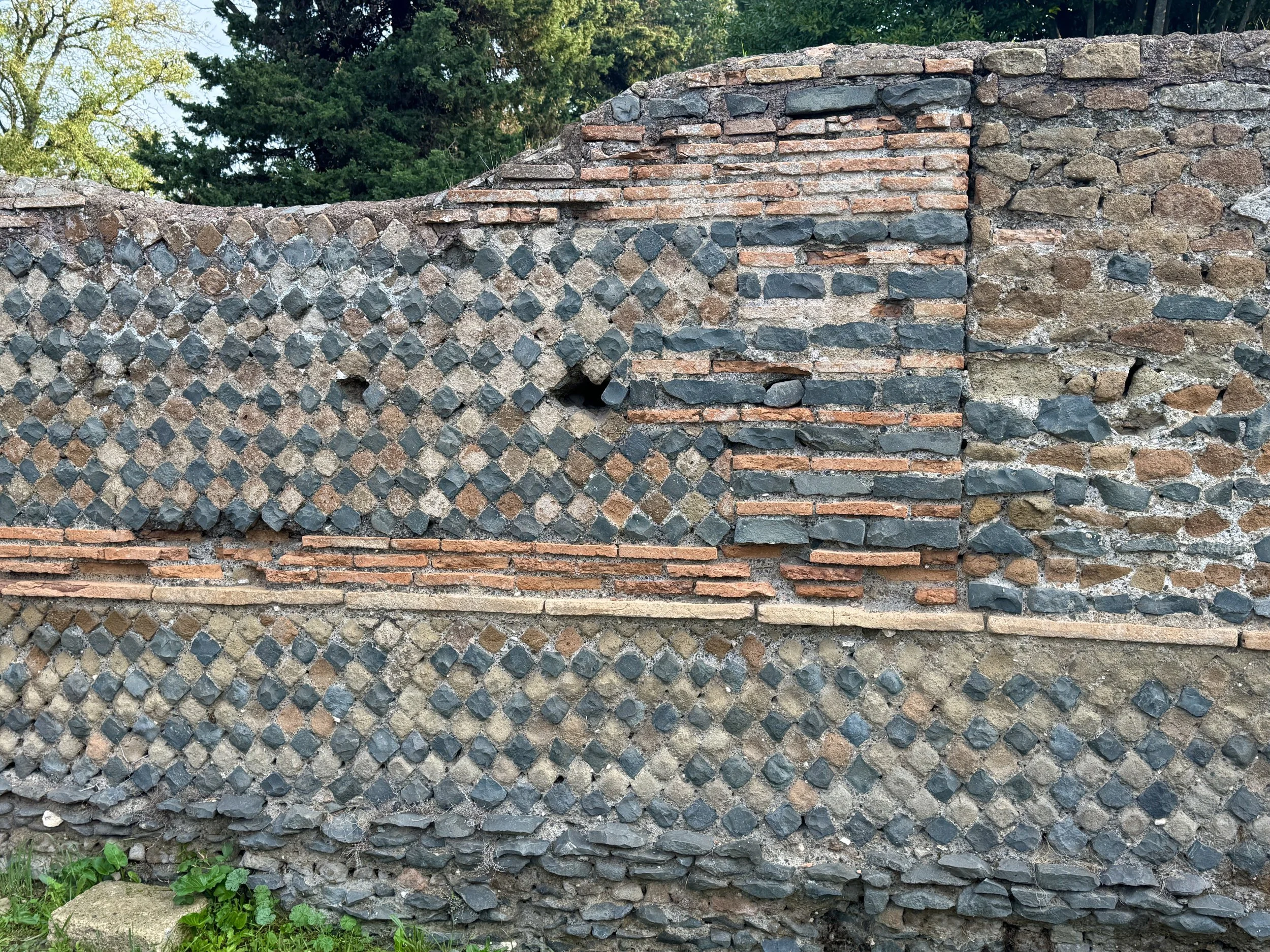
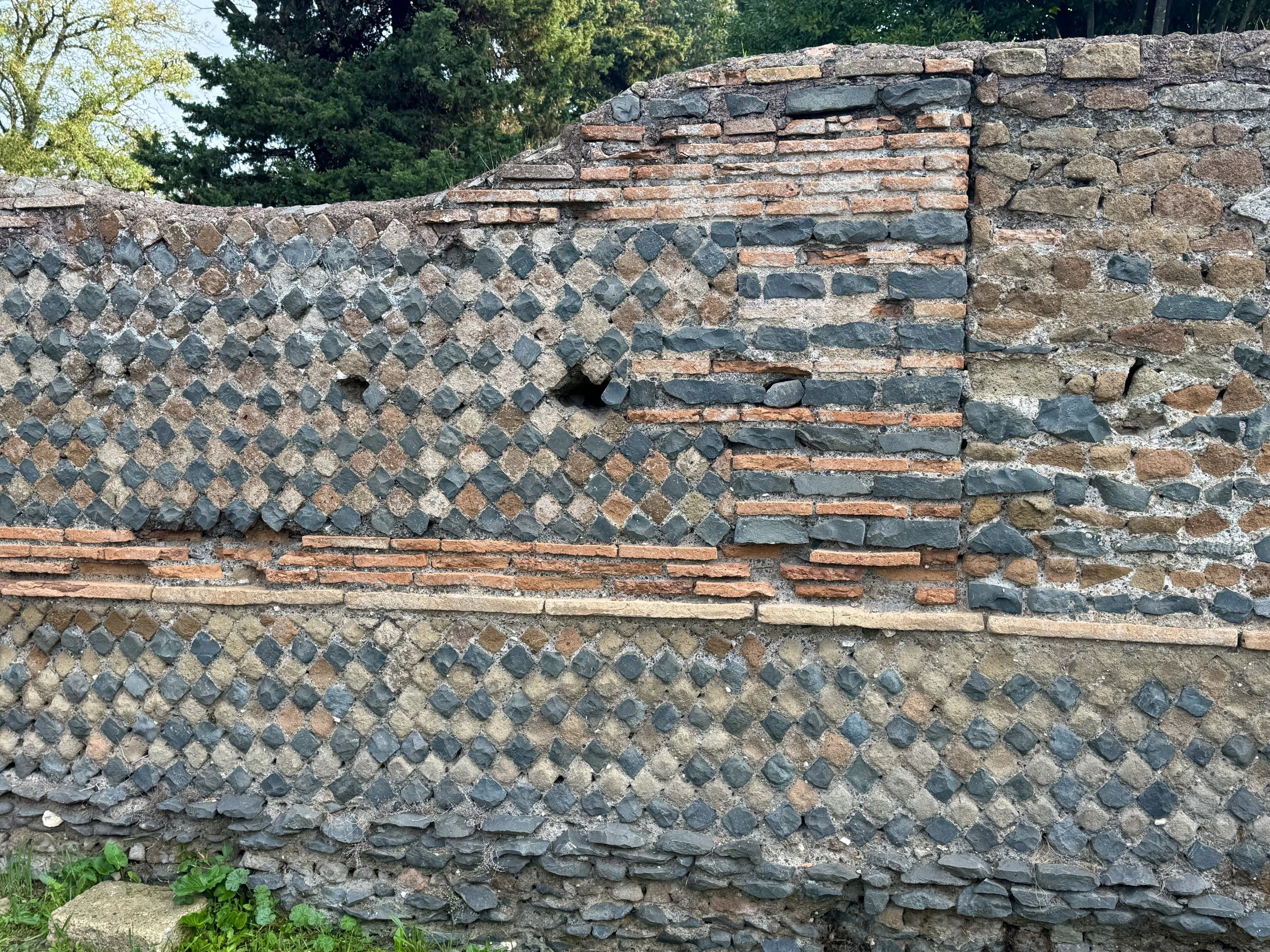
> Opus Reticulatum (1st c BC - 2nd C AD): diamond shaped volcanic tufa blocks set into concrete. Examples from Minturnae on the Via Appia, from a roman catacomb and from the walls of a latrine.
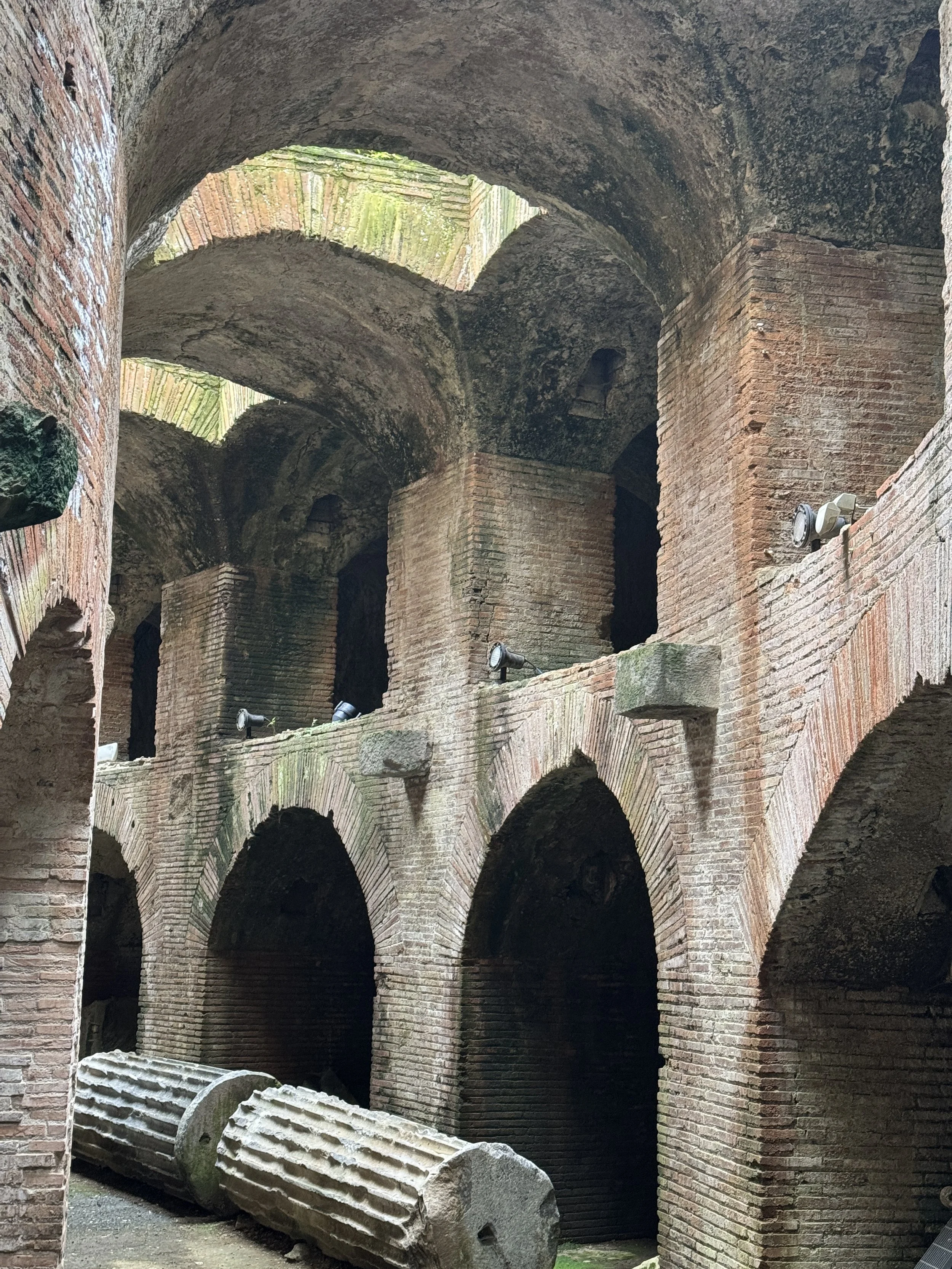
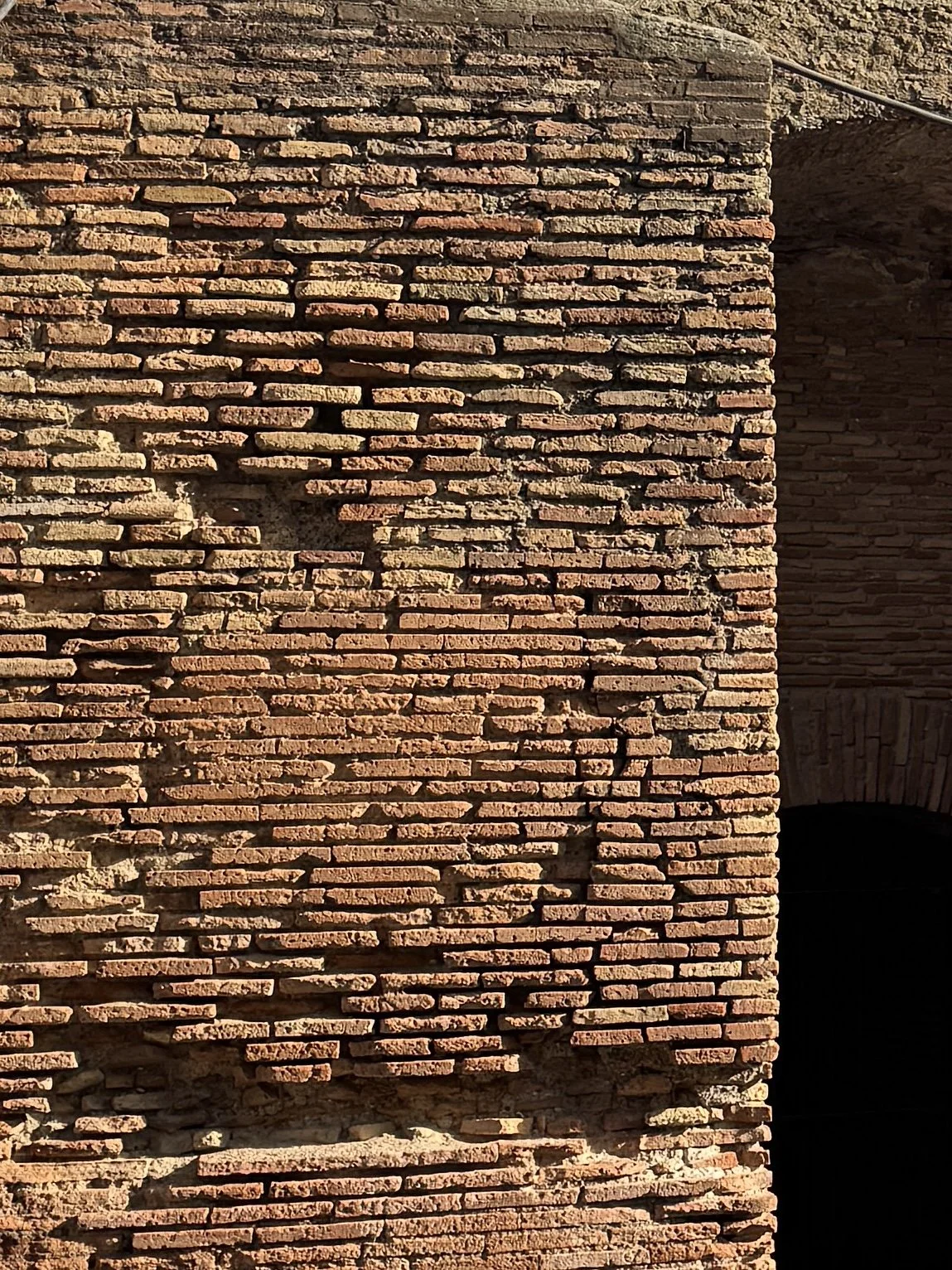
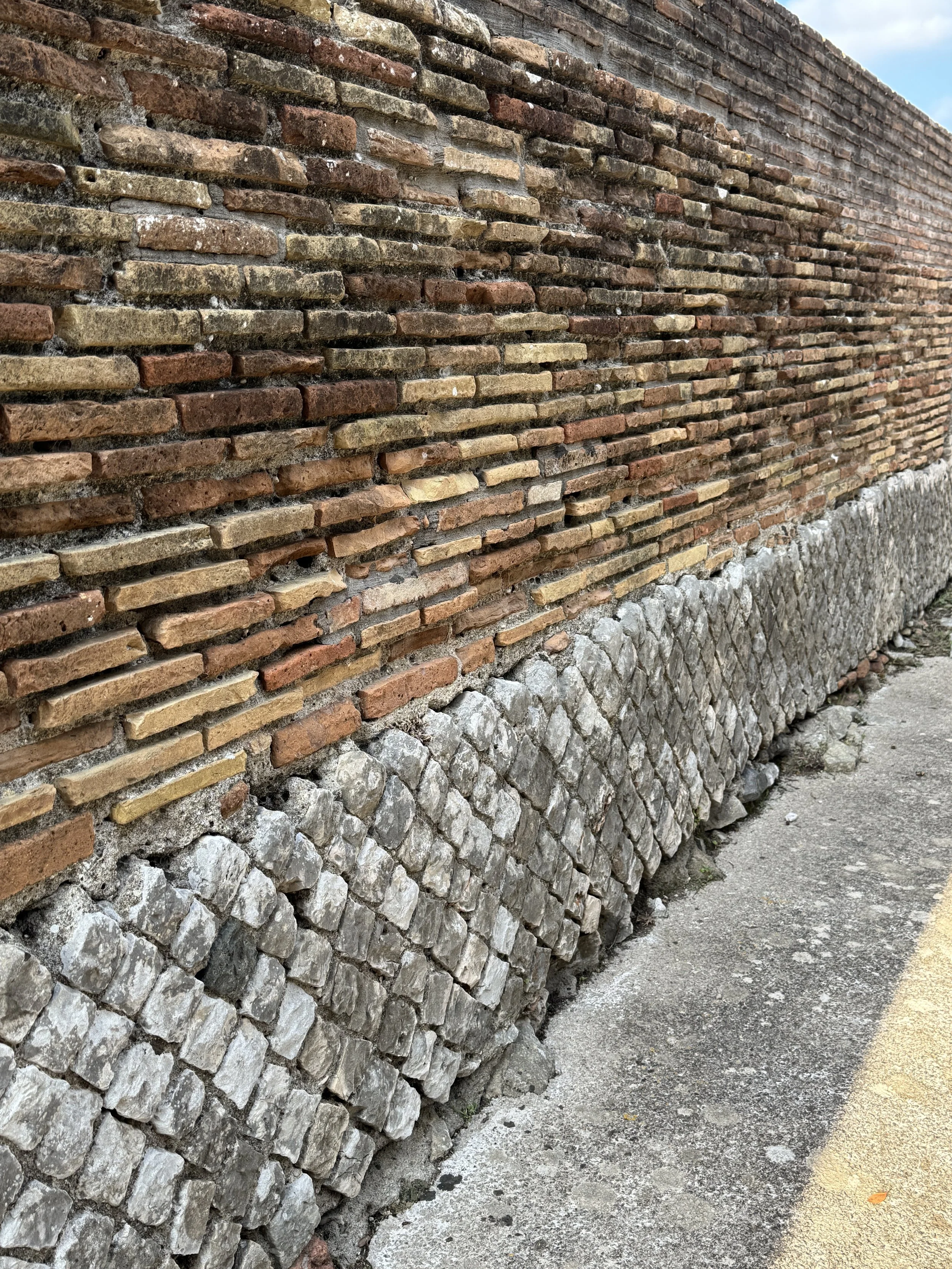
> Opus Latericium (1st c BC - 4th c AD): brick facing over a core of concrete. Examples are from the stadium at Puteoli, Italy
> Opus Mixum ( 1st - 4th century AD) combination of brick and reticulatum set into a concrete core. Examples from
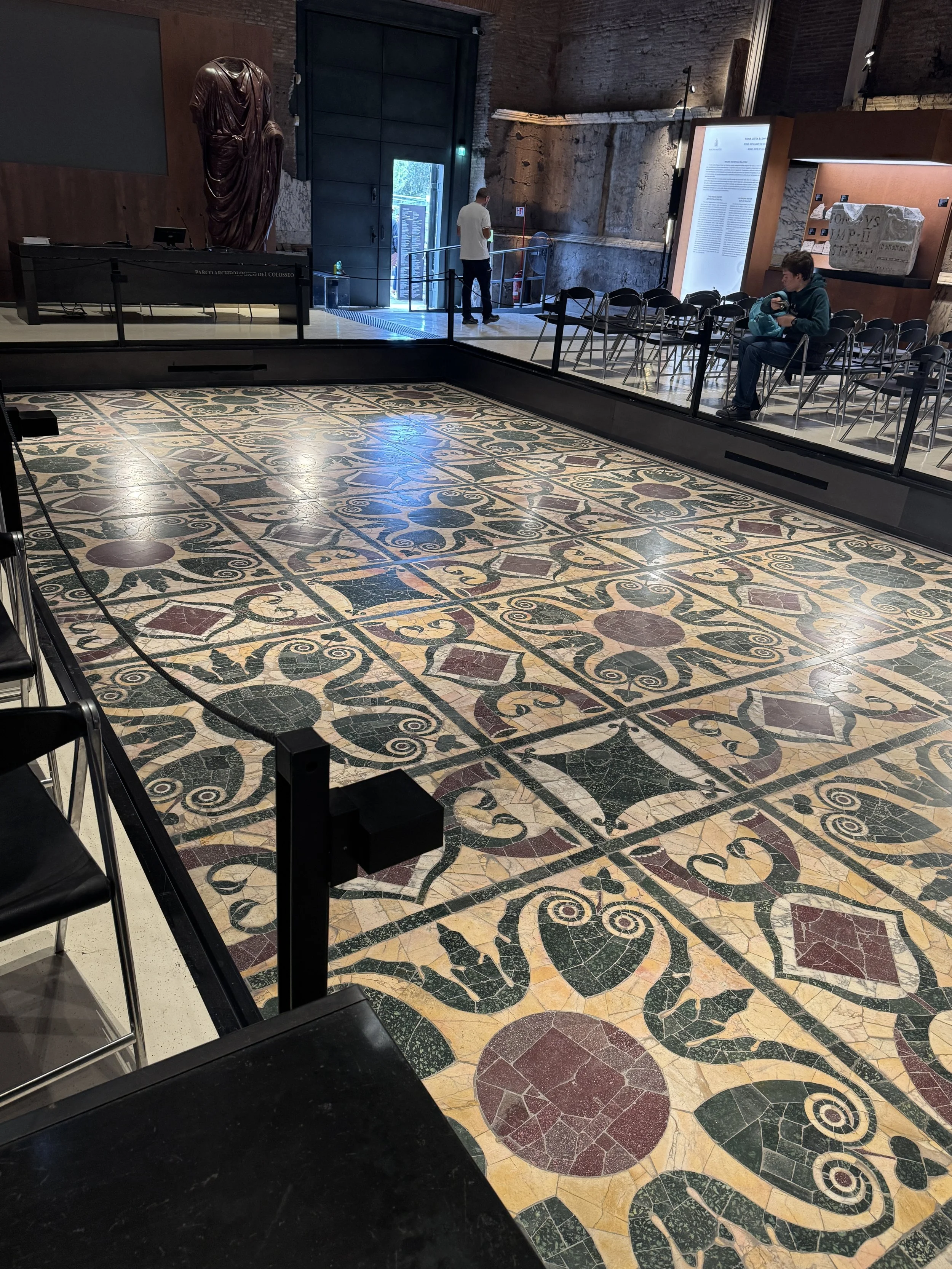
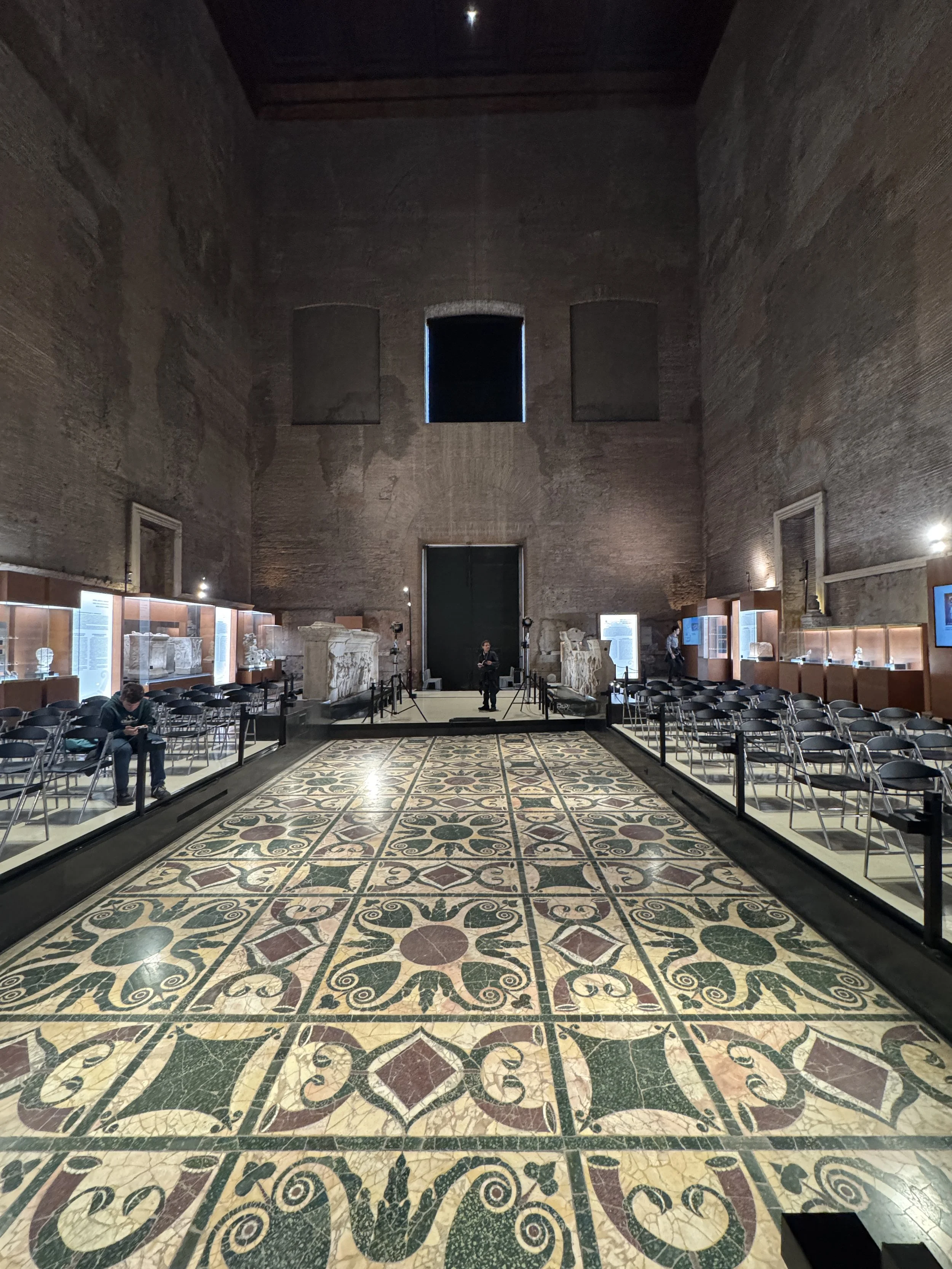
> Opus Sectile (1st c BC - 3c AD): small cut marble or stone pieces arranged to form a geometric design. Used for flooring. Example from the Roman Curia in Forum at Rome.
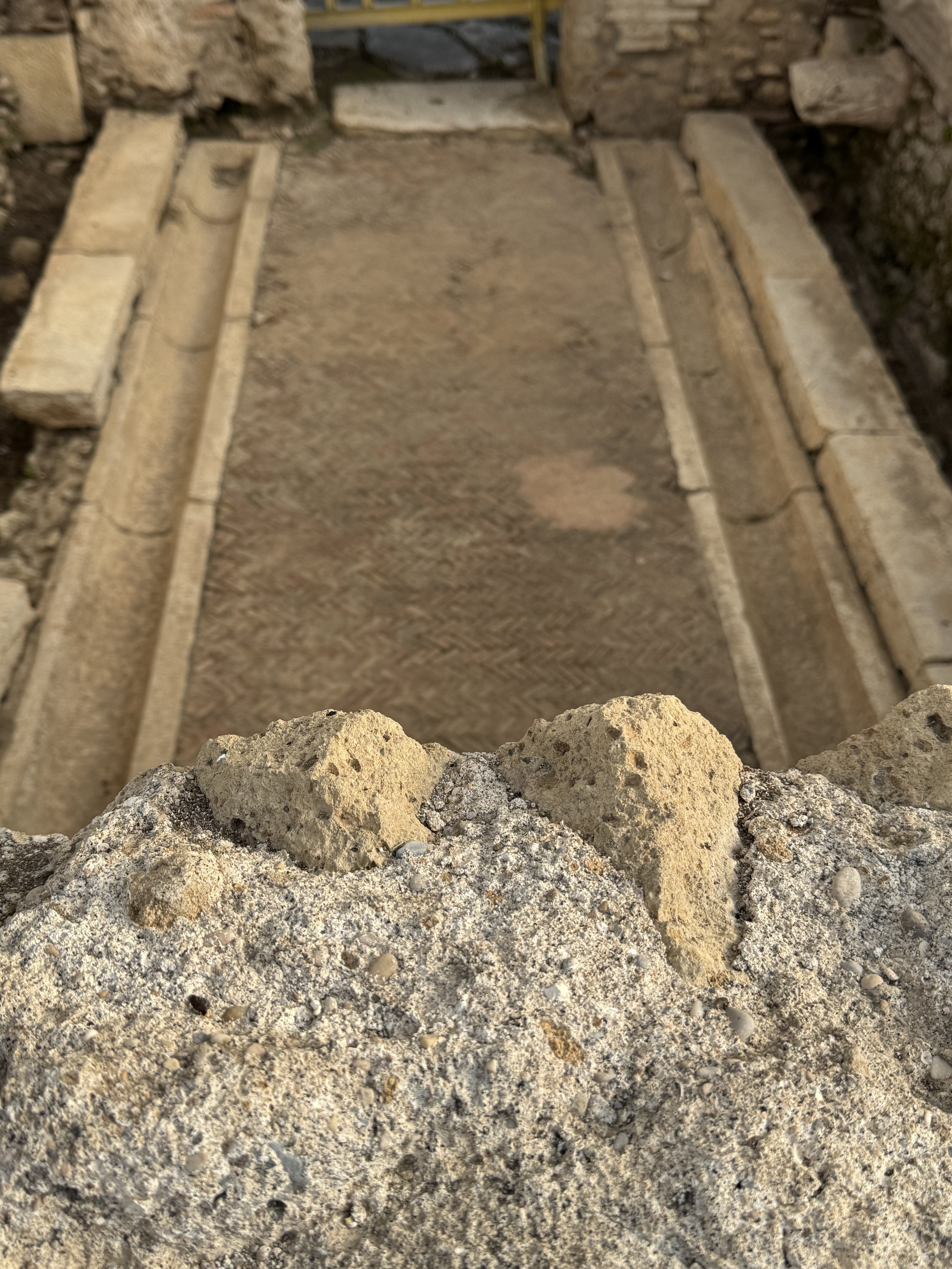
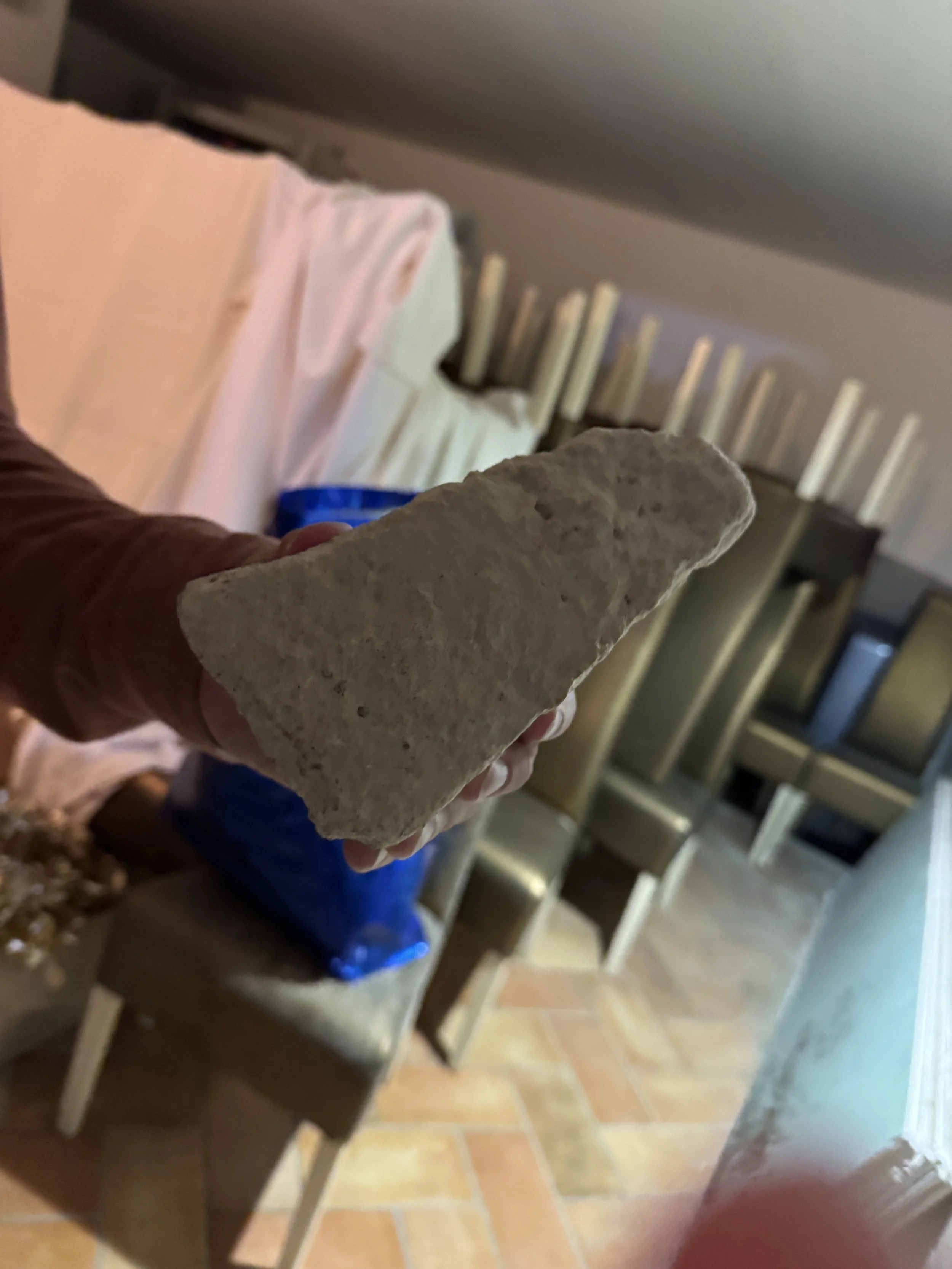
The truly revolutionary thing discovered by the Romans was “opus caementicium” or concrete. Their method was to use lime, volcanic ash and rubble / rock fragments and heating. This gave their concrete properties such as ability to “heal” cracks due to a chemical reaction that occurs with water and salt. So strength was maintained even in sea wall construction. Roman concrete got stronger over time. The down sides were a long setting time and the type of volcanic ash needed was not readily available everywhere in the empire.
Nothing made by the hands of man will endure forever, but the Roman Empire certainly tried! Even as the remains in Biblical sites impress, we do well to remember “The world and its desires pass away, but whoever does the will of God lives forever.” 1 John 2:17
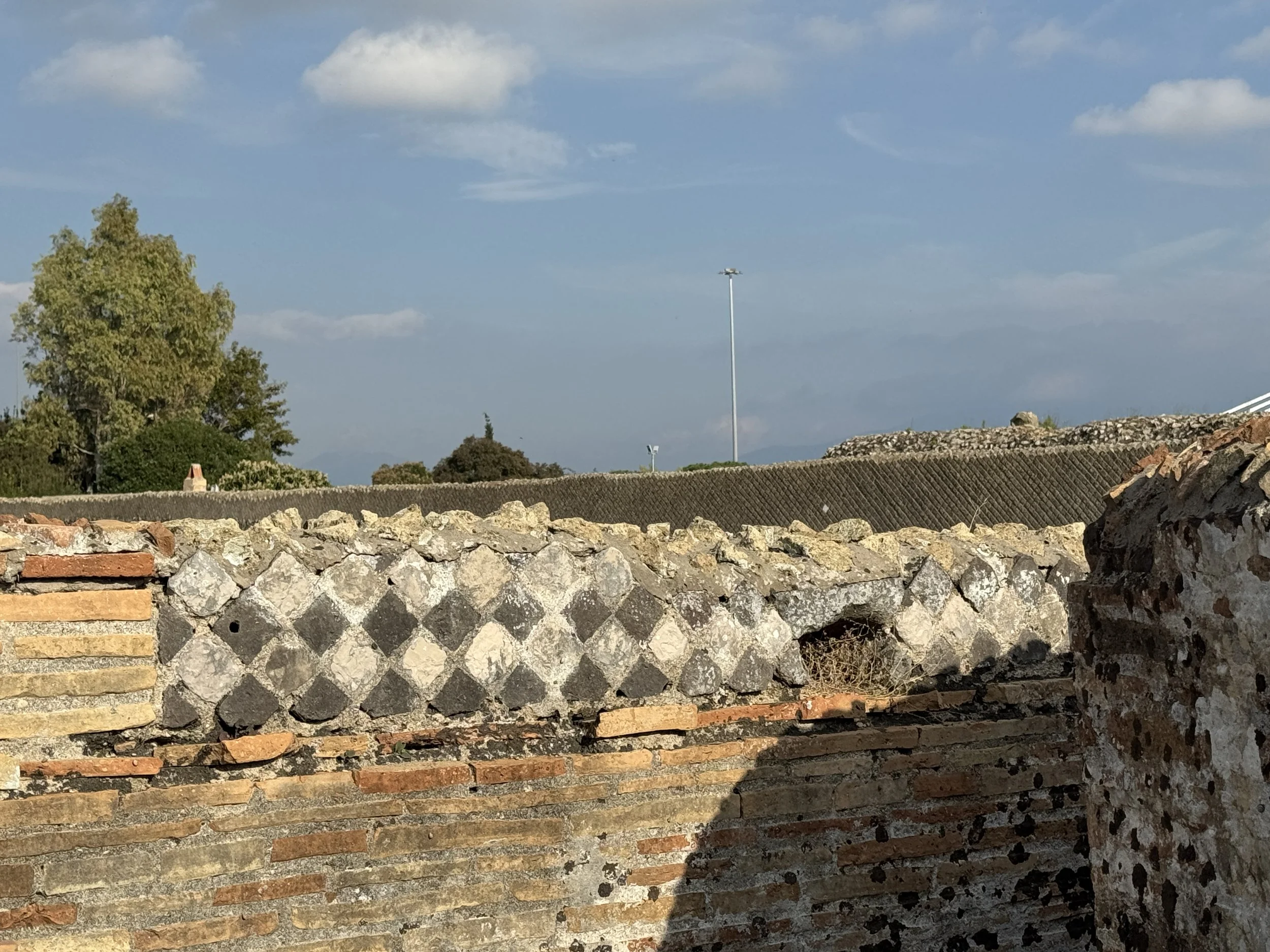
Opus Reticulatum and Opus Latercium at Minturnae, Italy