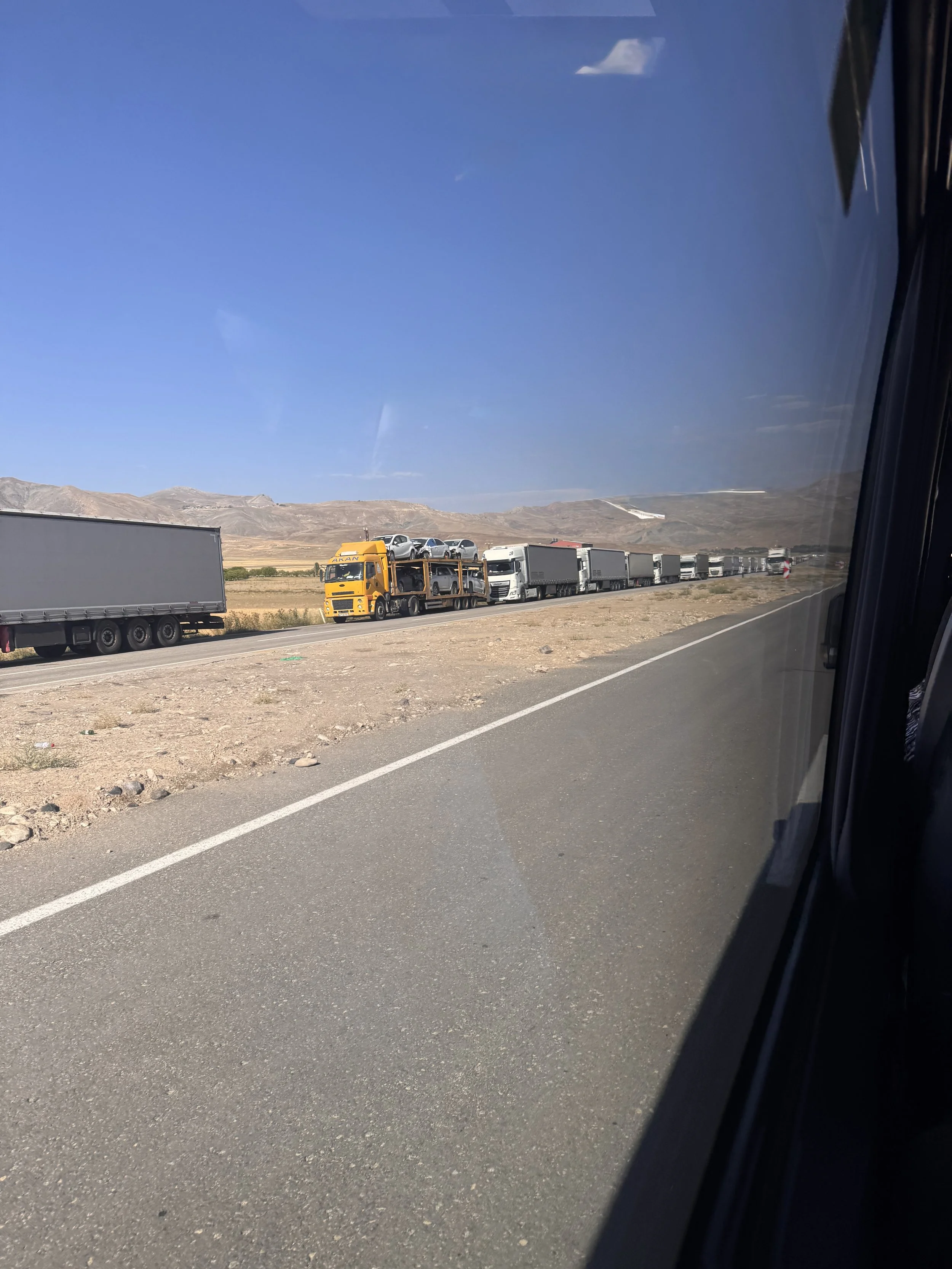
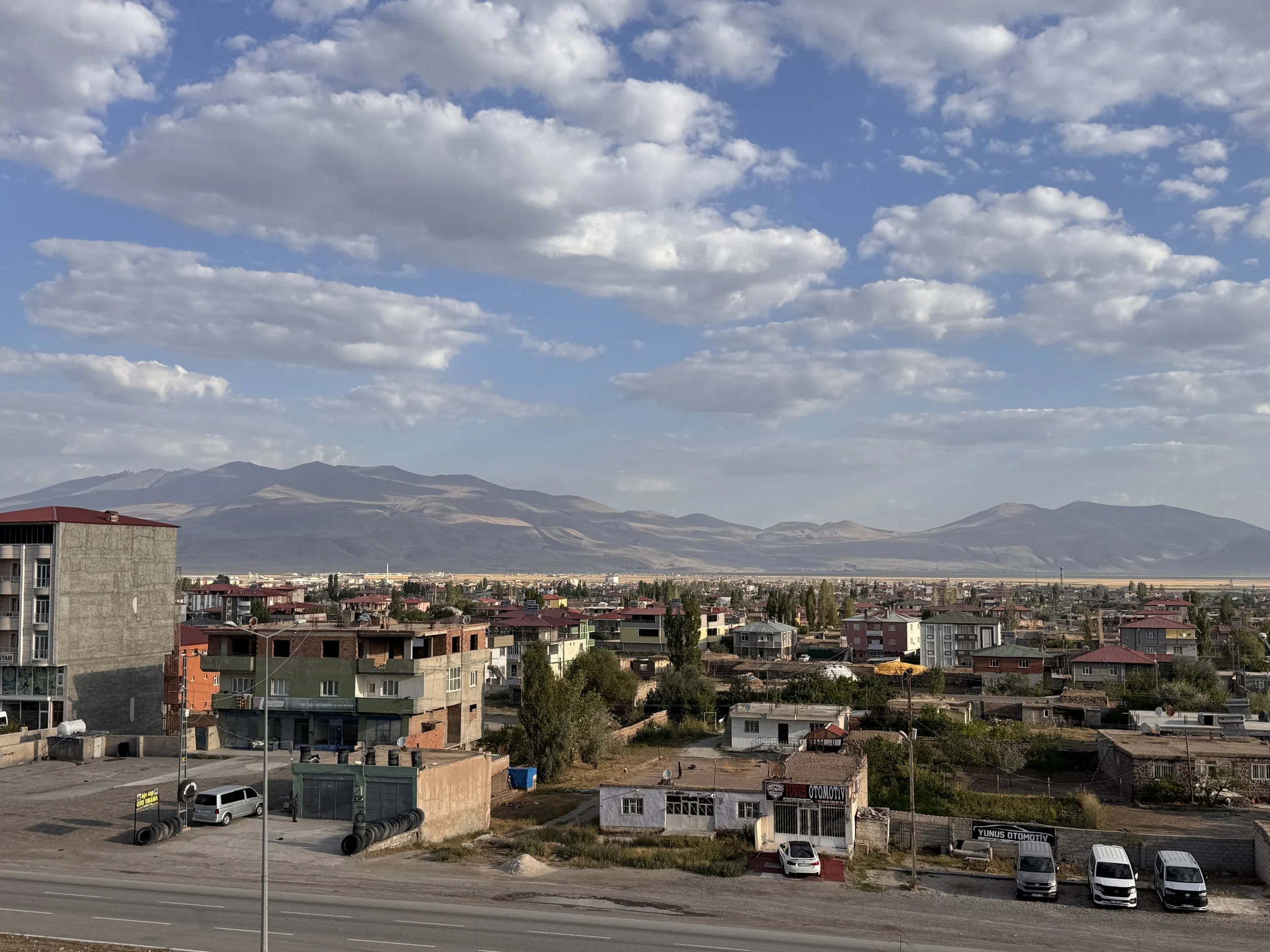
“…the ark came to rest on the mountains of Ararat…Then God said to Noah, ‘Go out from the ark…’ Noah built an altar to the Lord.” — Selections from Genesis 8
A few final glimpses of our journey through the mountains of Ararat in eastern Türkiye—a landscape filled with awe inspiring views, ancient ruins, and local traditions linking it to Noah and the flood. These stories aren’t proof, but they add interest as we await findings from research at the Durupinar formation.
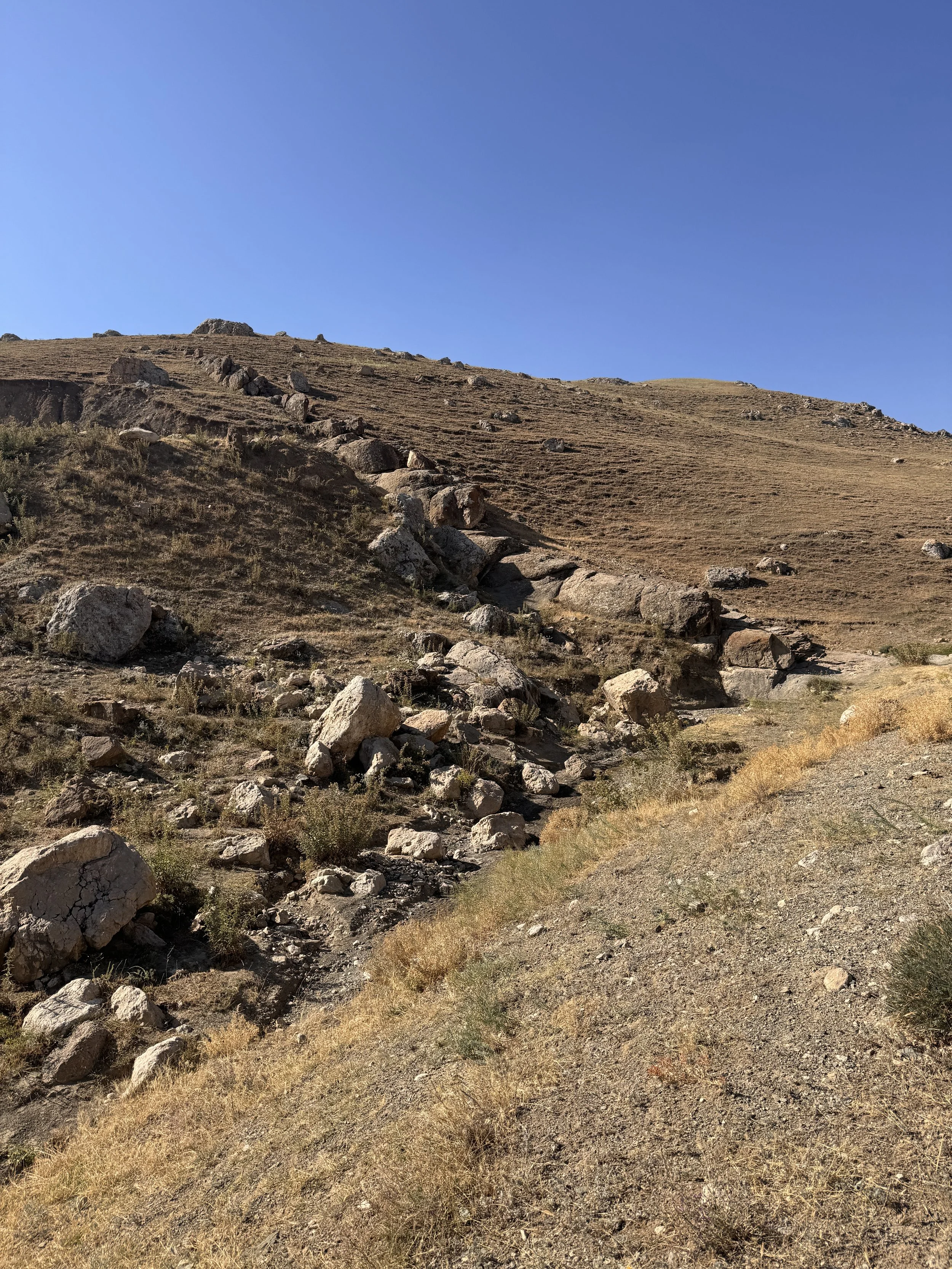
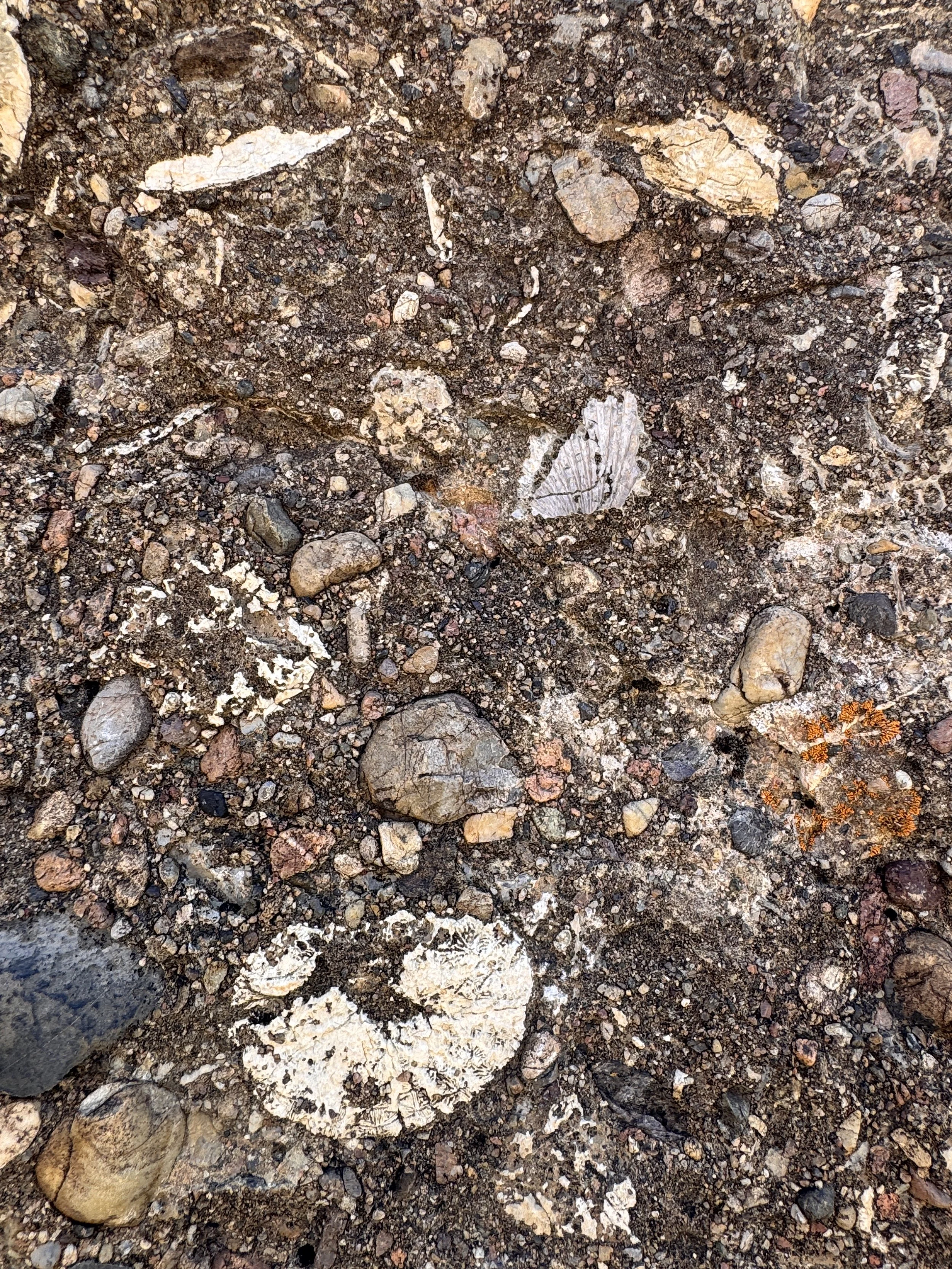
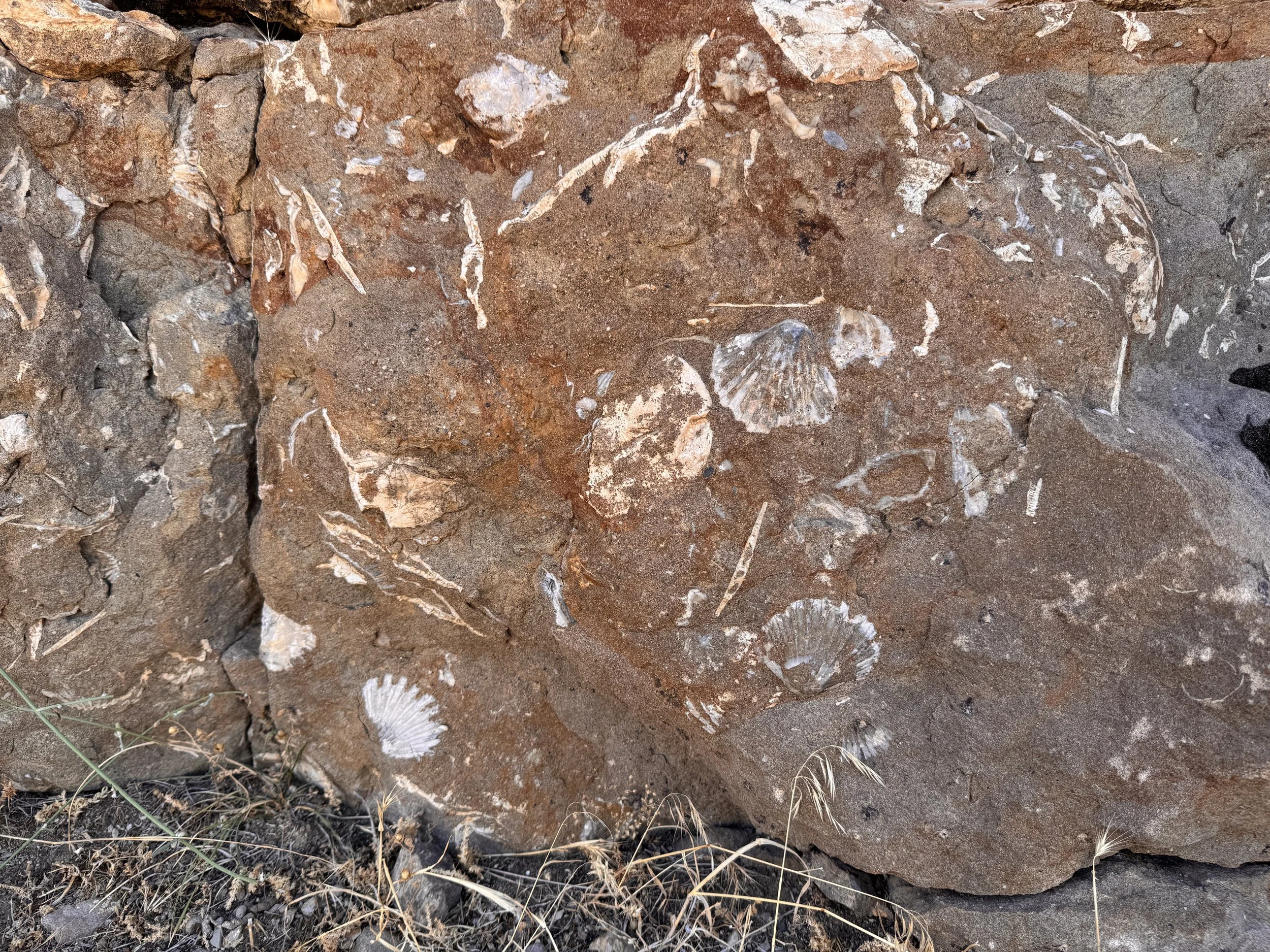
Near Büyük Ağrı Dağı (Great Mount Ararat), we explored a ridge scattered with marine fossils at roughly 7,000 feet above sea level. A remarkable sight, though not necessarily evidence of a great flood; other geological explanations are possible.
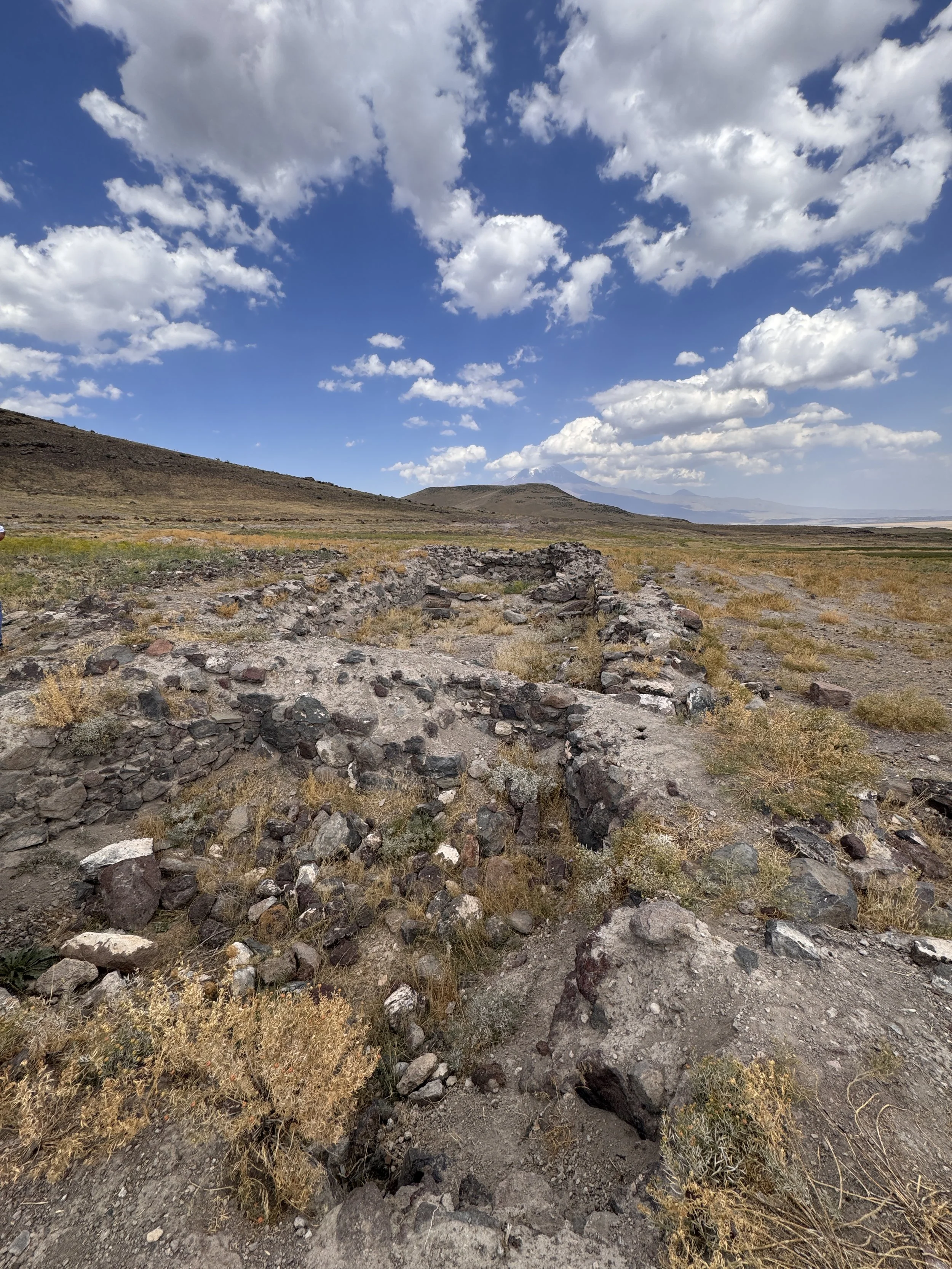
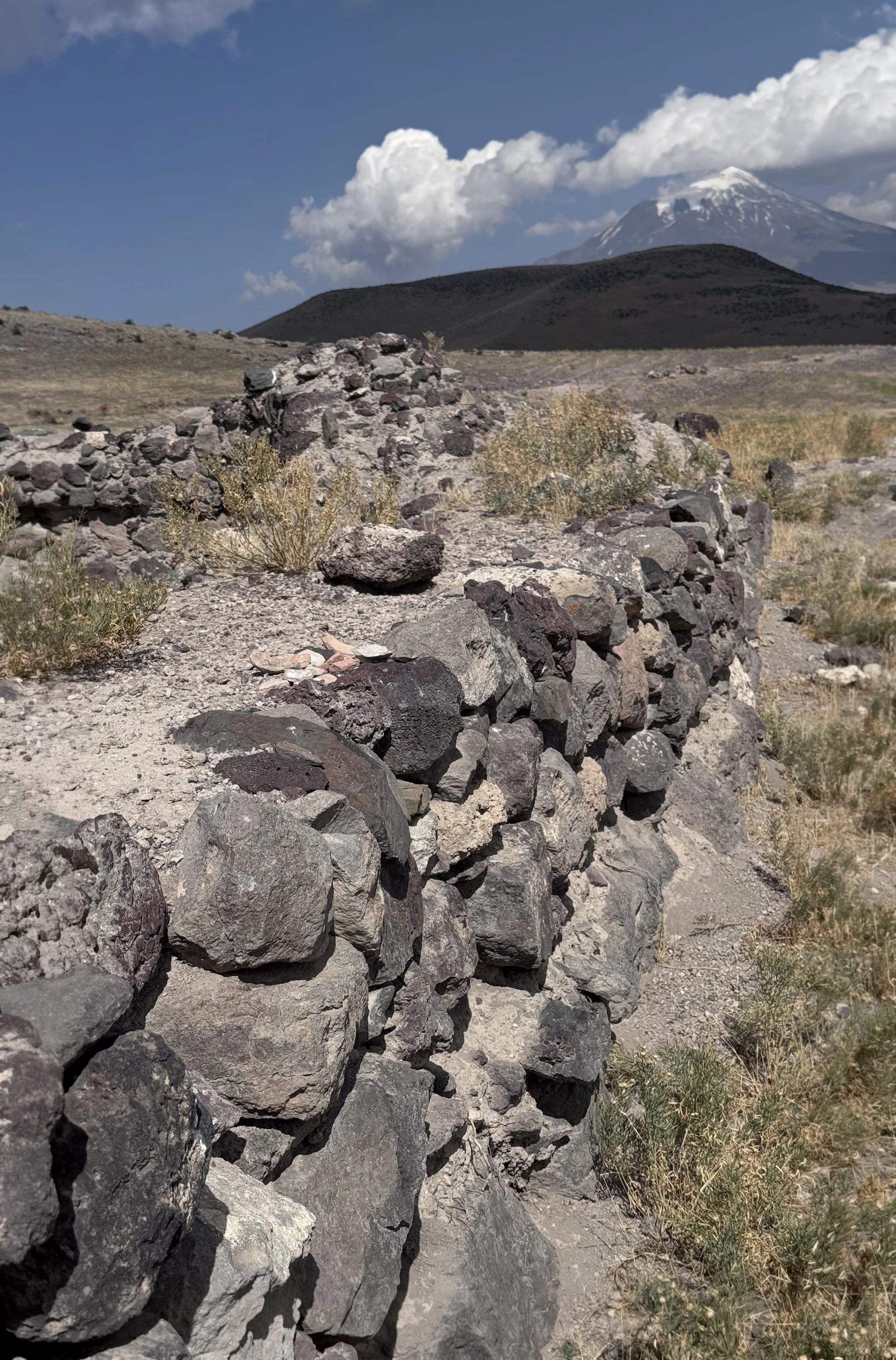
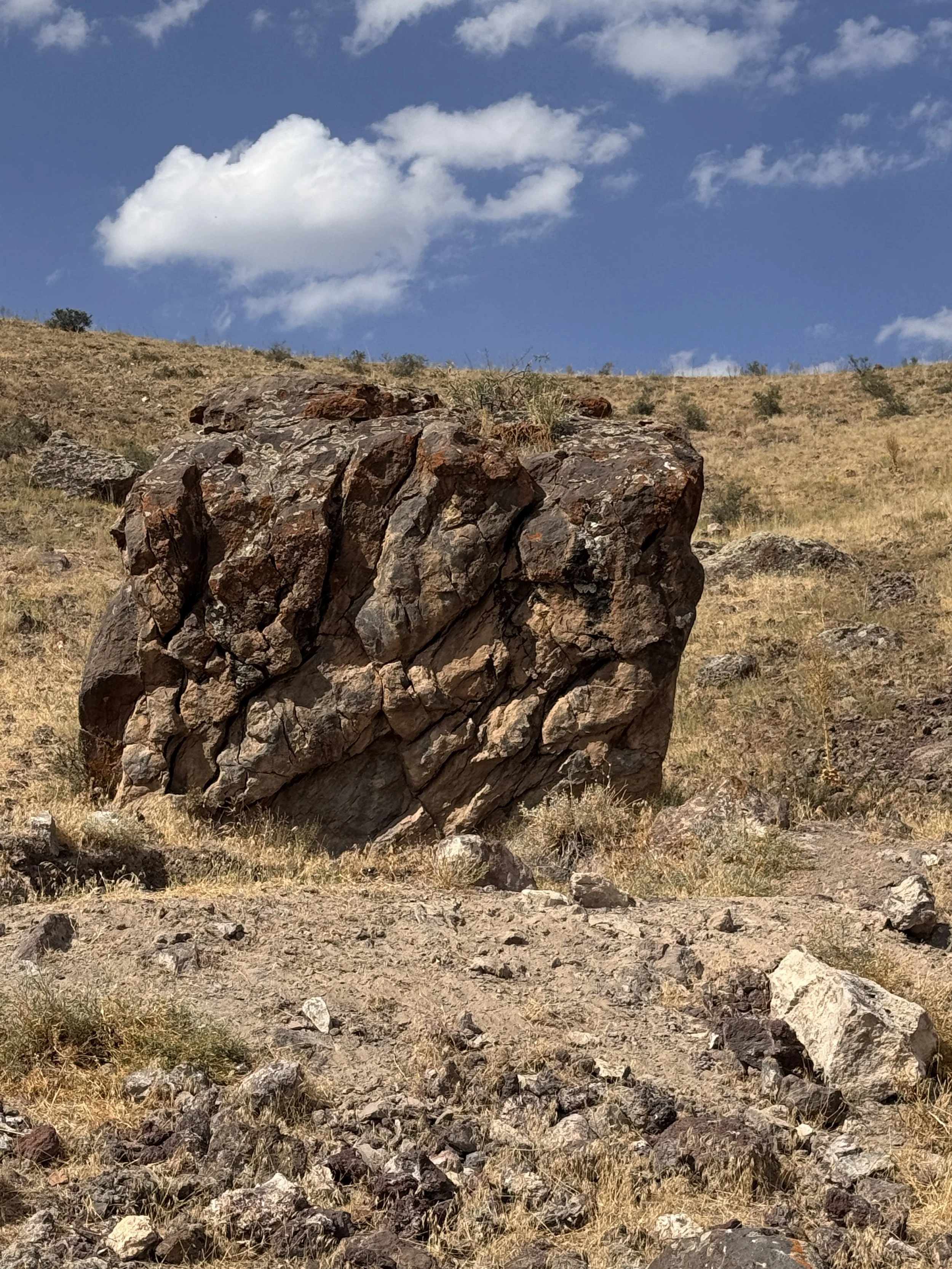
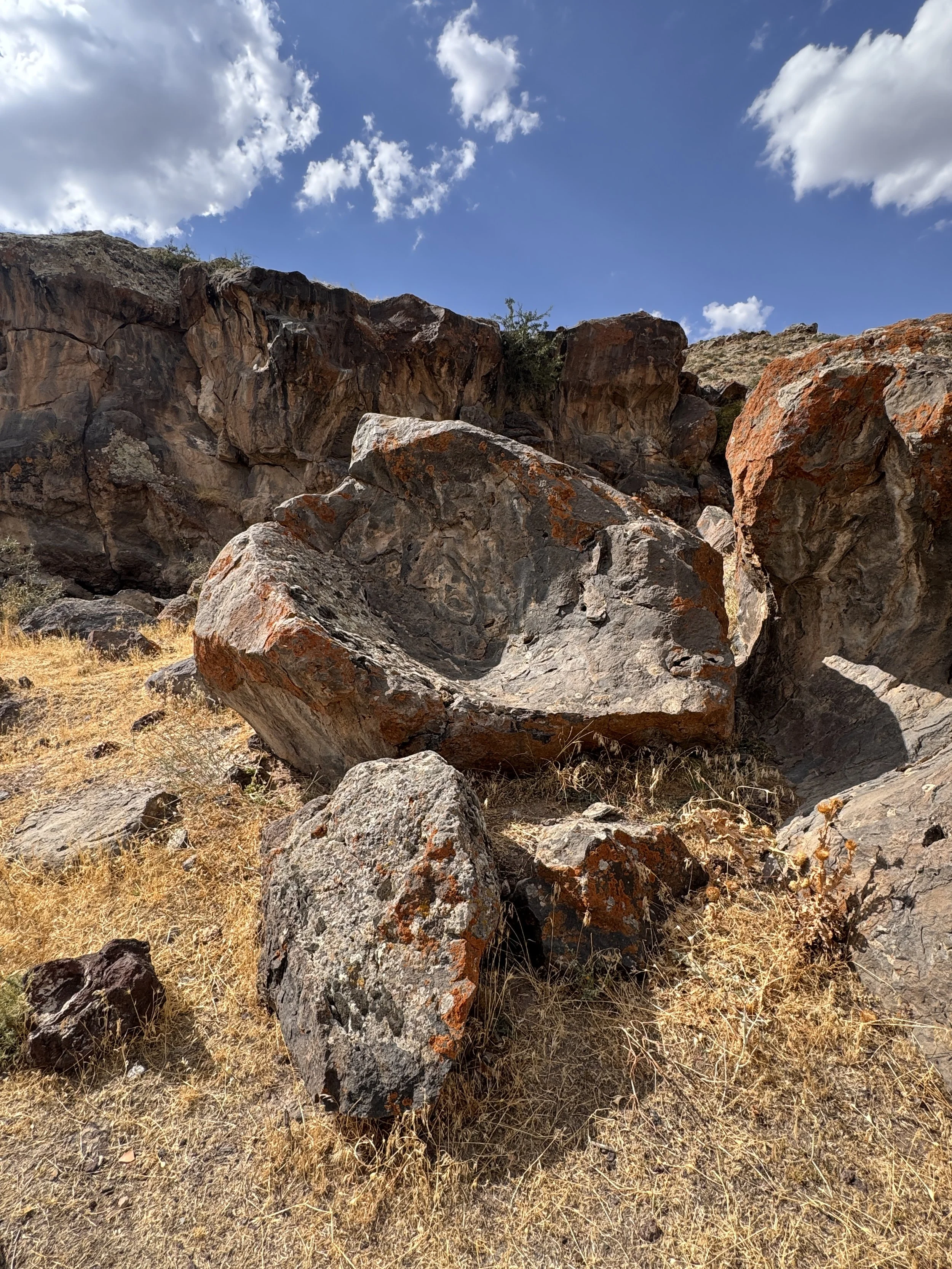
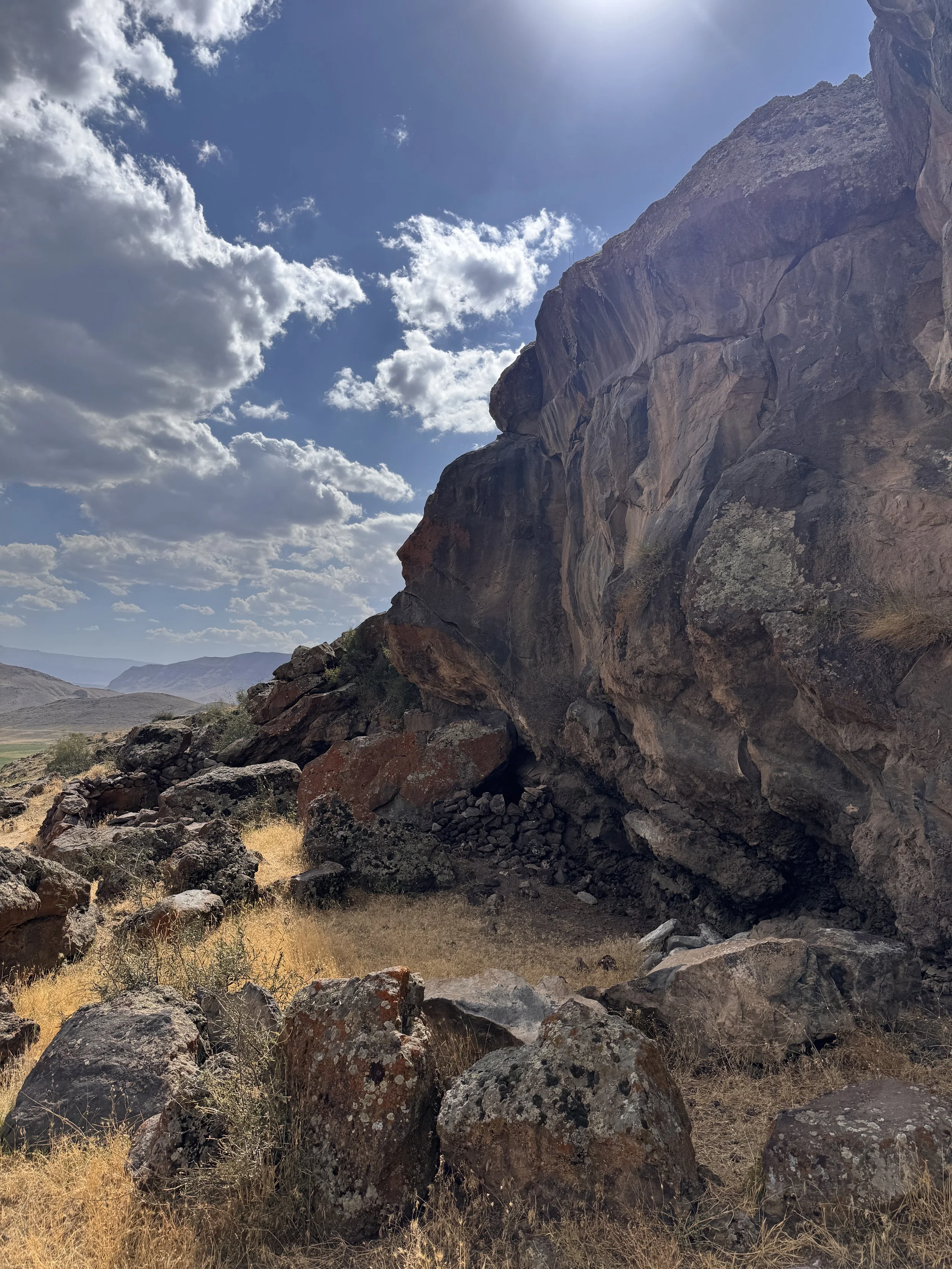
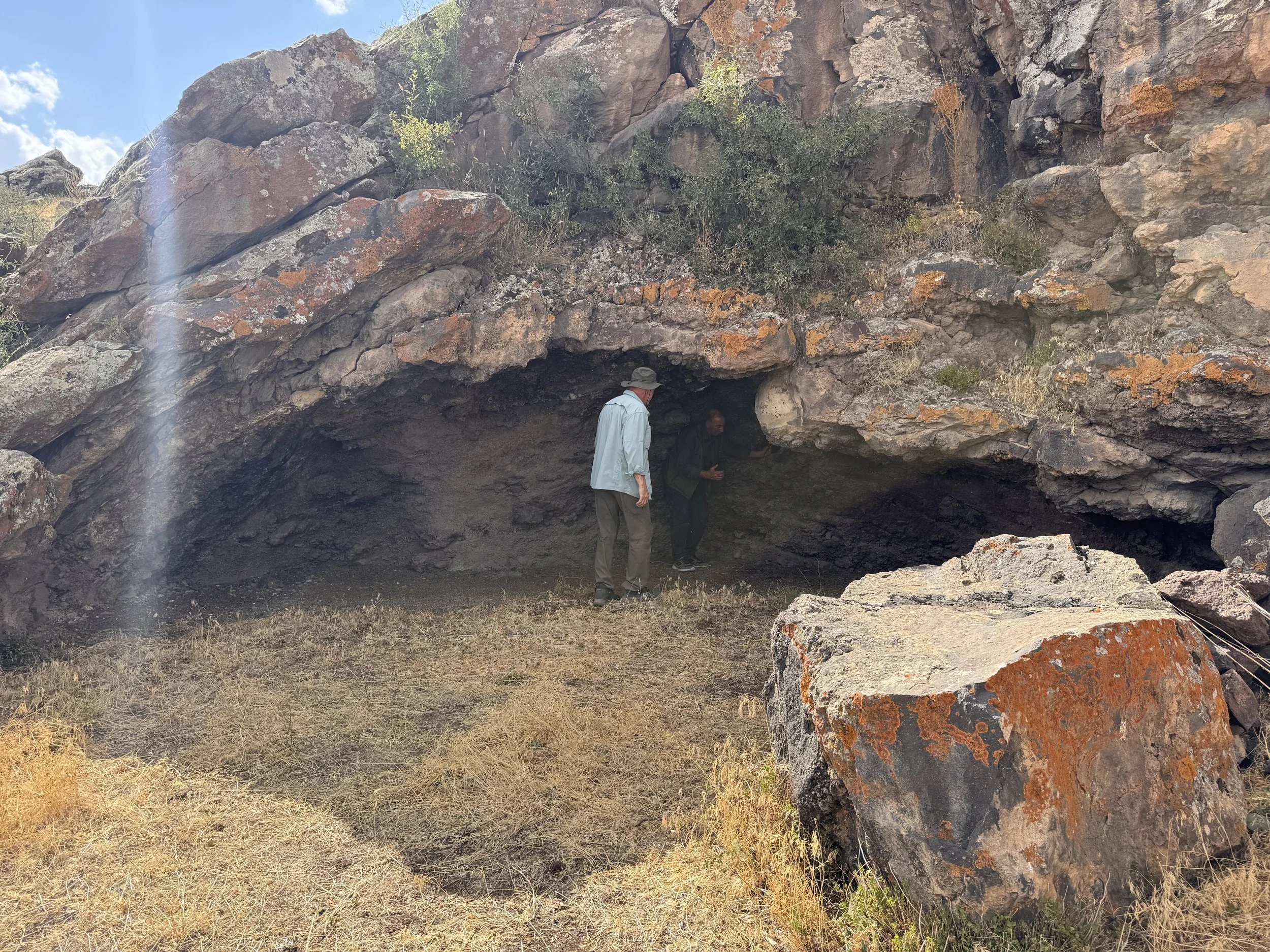
Nearby lie the faint outlines and apse of a small church, traditionally associated with the place Noah’s family settled after the flood. We could find no archaeological studies confirming its history. Farther uphill stands a rock formation locals call “Noah’s altar.” A cave passage through the ridge once served farmers and shepherds, but authorities closed it after an earthquake raised concerns about its stability.
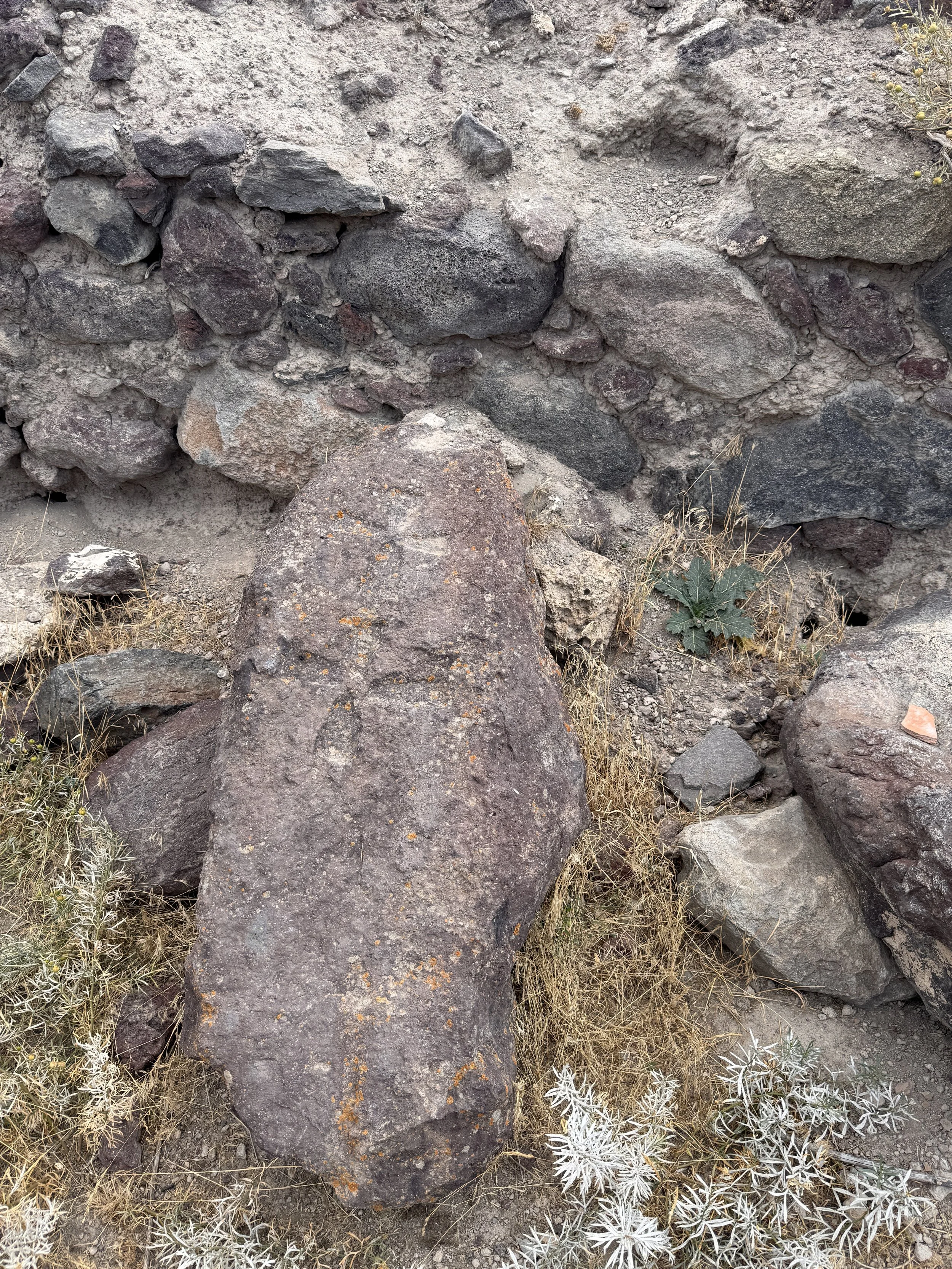
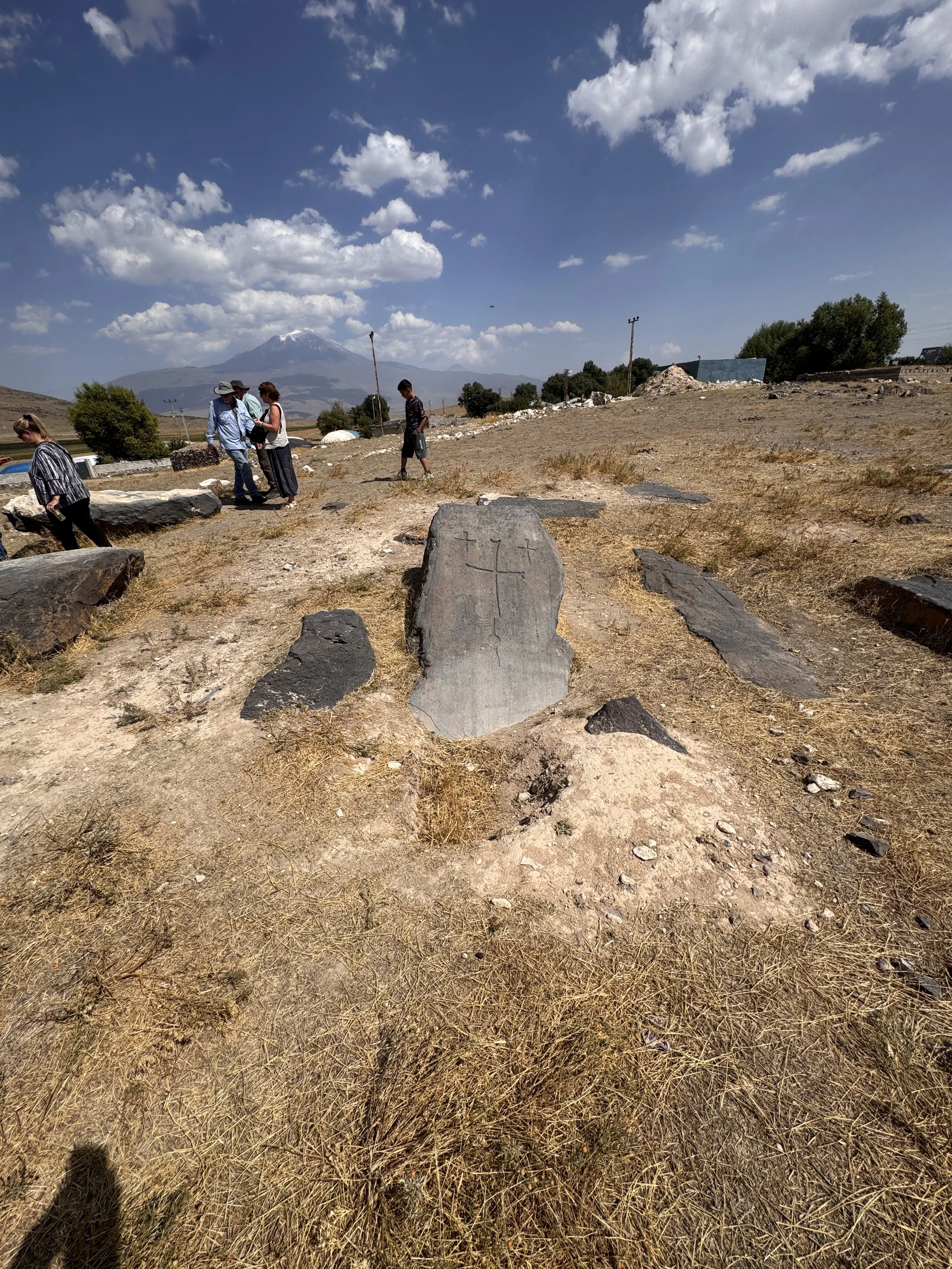
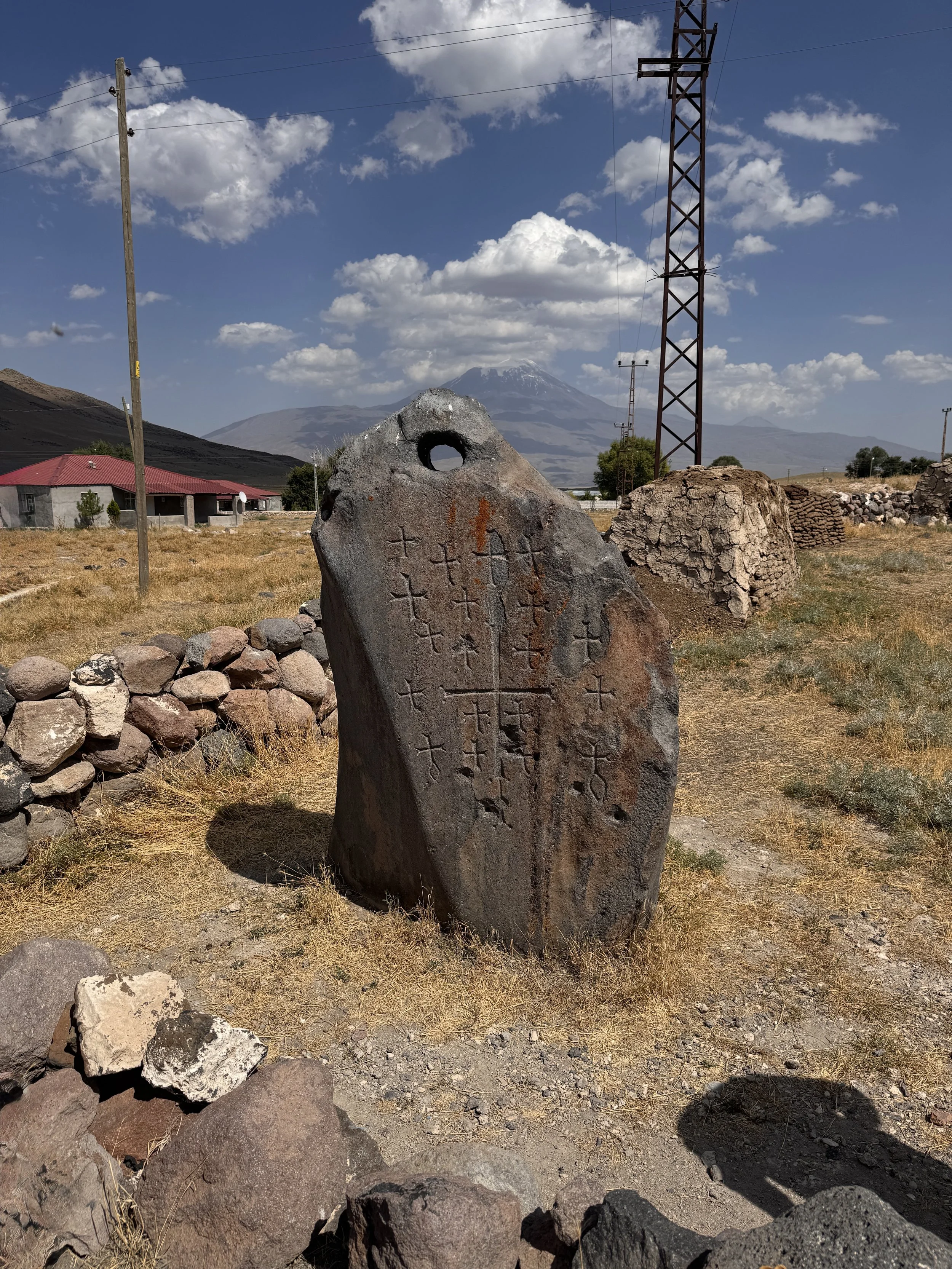
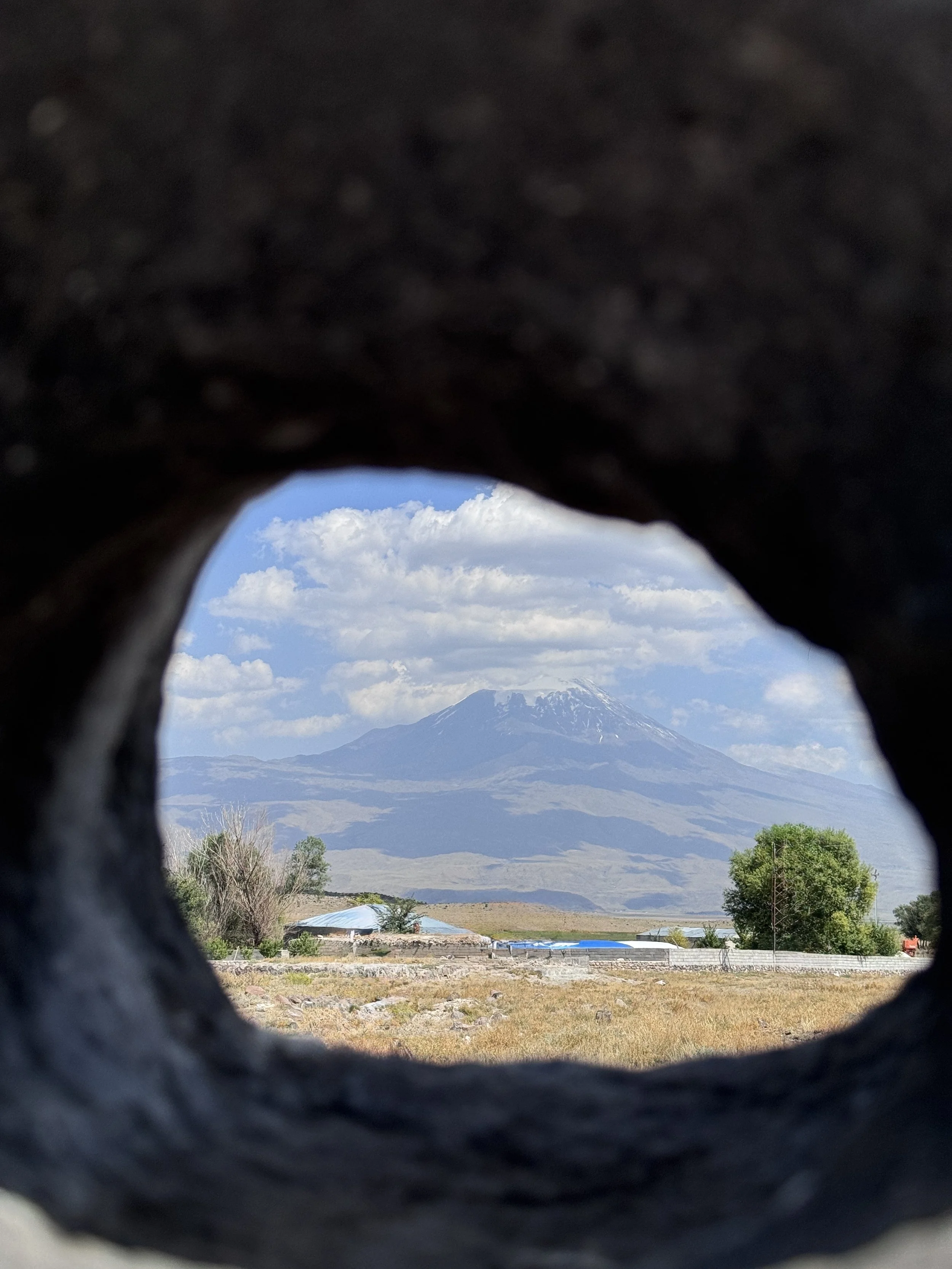
In Arzap, an old Armenian cemetery holds reused stones with holes resembling those in ancient drogue anchors. Their original purpose remains uncertain; tethering animals is another suggested explanation.
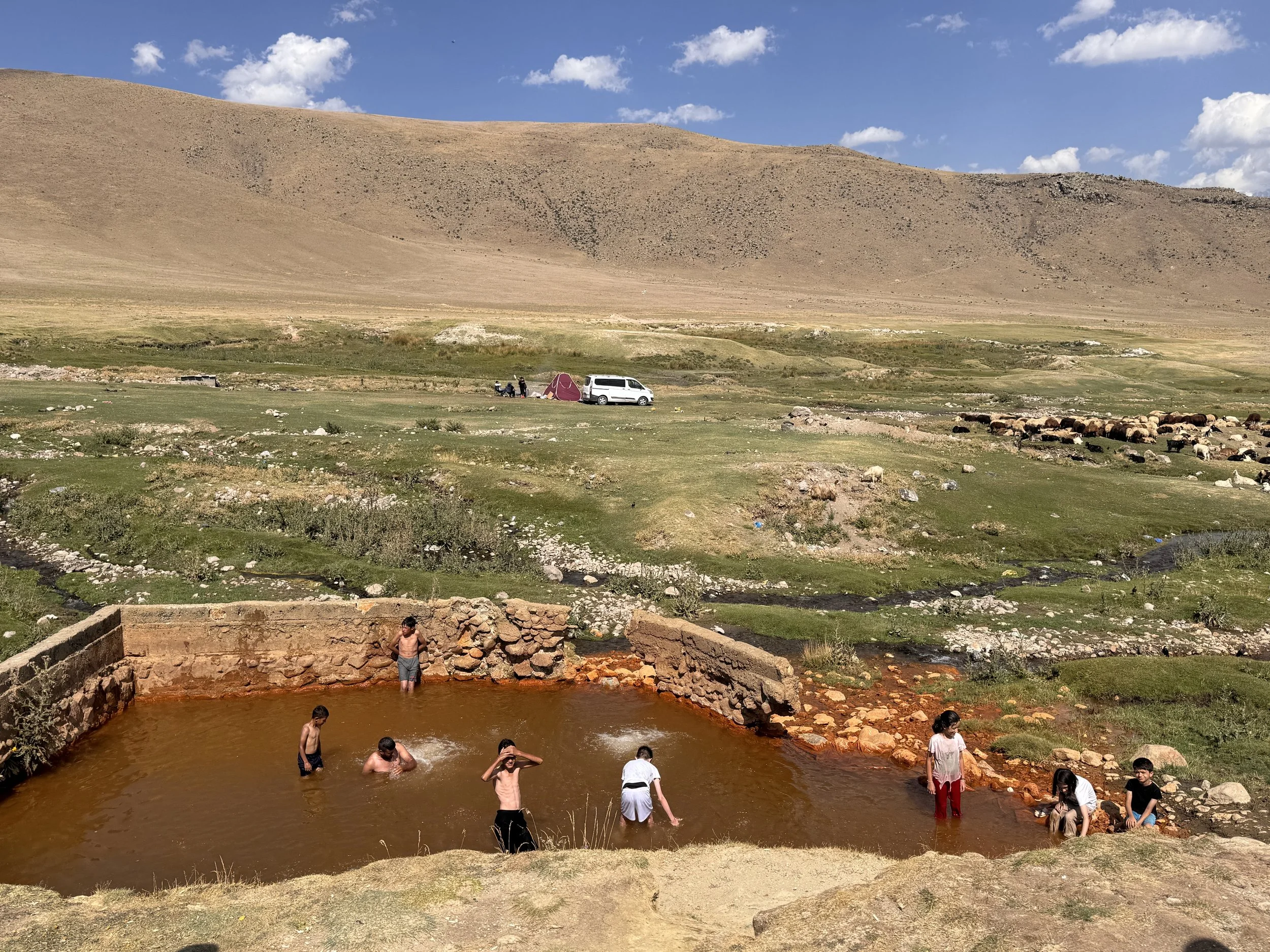
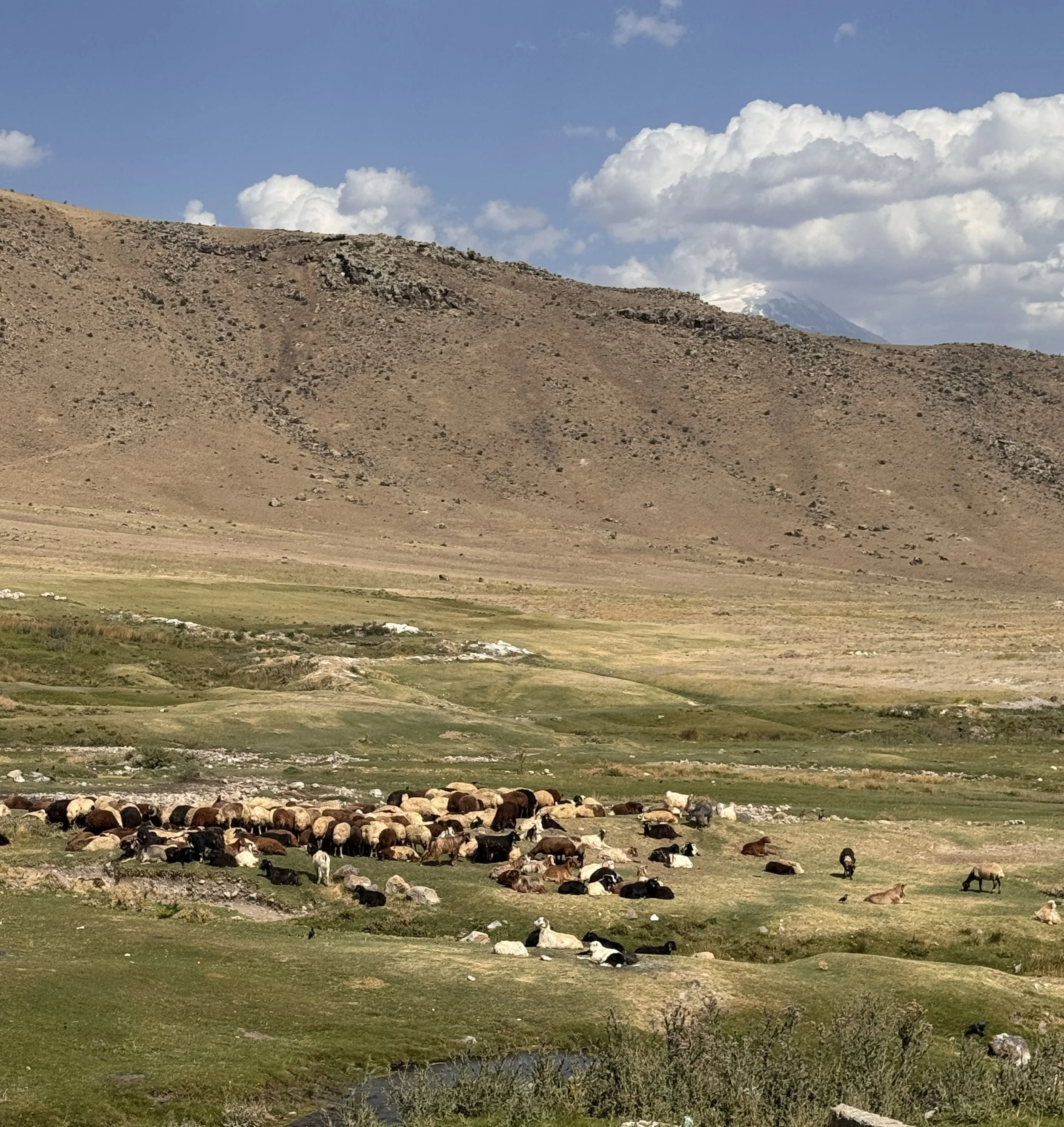
At Sağlıksuyu near Doğubayazıt, mineral springs draw visitors for their reputed healing properties. Archaeological surveys have identified an Iron Age water channel and retaining wall. Our photos capture a newer pool, local families enjoying the water—and a large herd of goats joining in!
Whatever their connection to Noah’s Ark, the mountains of Ararat are a thrill to explore and a beautiful reminder of the awesomeness of God’s creation. We’ll be following the Durupinar research with interest.
For more biblical travel photos and videos, visit our blog at Scripture In Stone—link in bio.
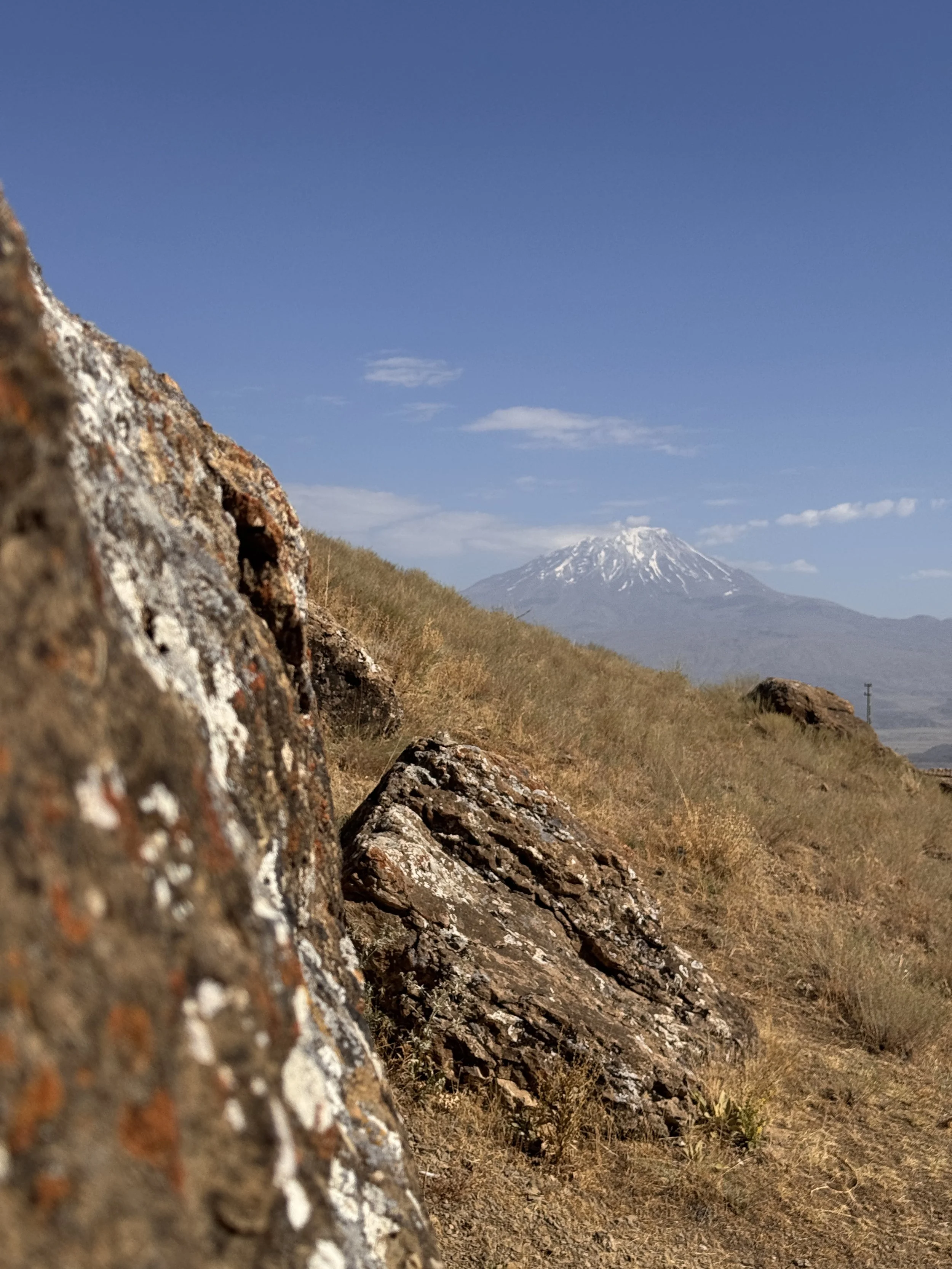
A ridge of rock in the mountains of Ararat filled with sea fossils.