Mamertine Prison and the Church of San Giuseppe del Falegnami, Rome
“Remember Jesus Christ, risen from the dead, the offspring of David, as preached in my gospel, for which I am suffering, bound with chains as a criminal. But the word of God is not bound!” 2 Timothy 2:8-9
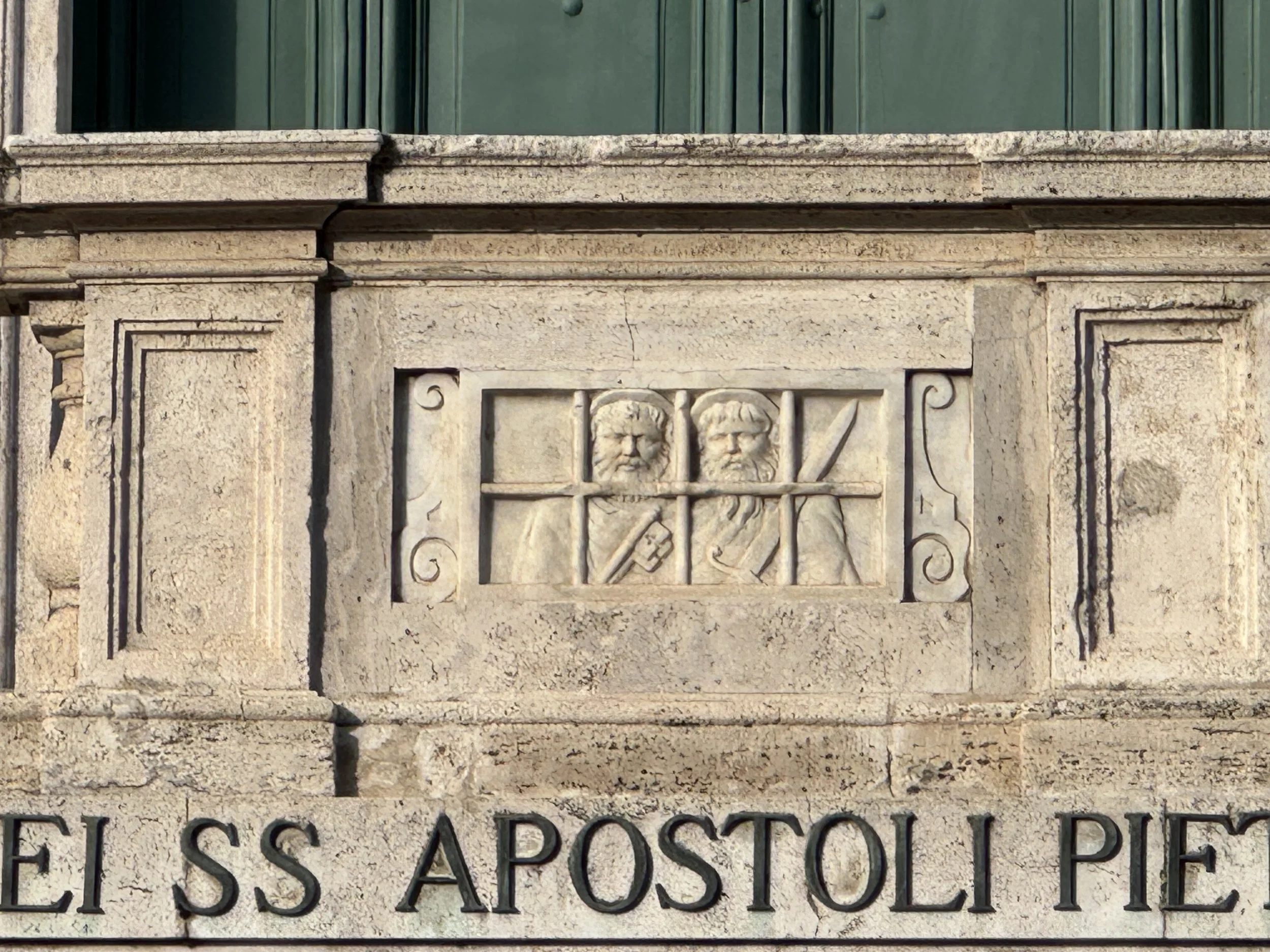
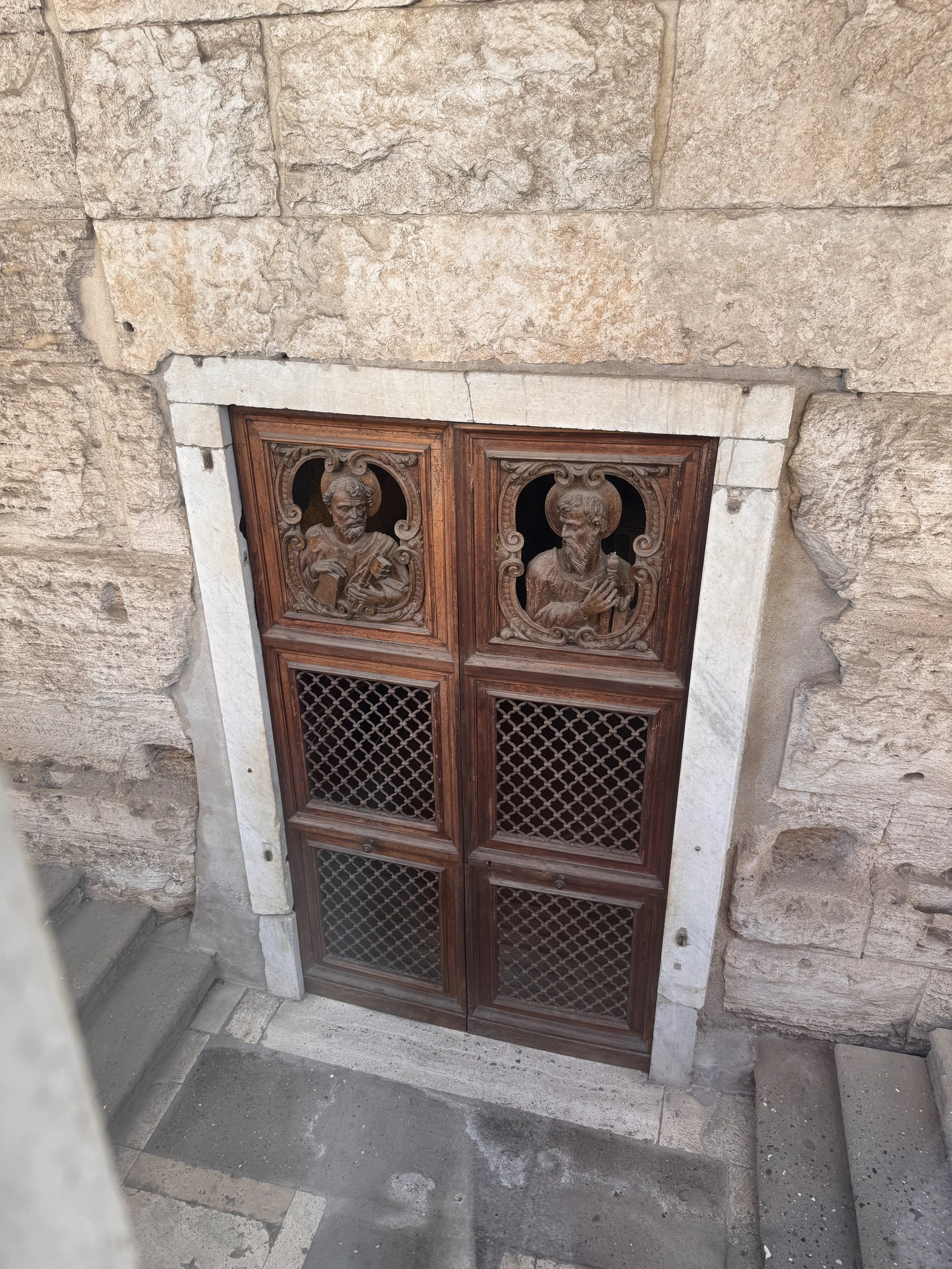
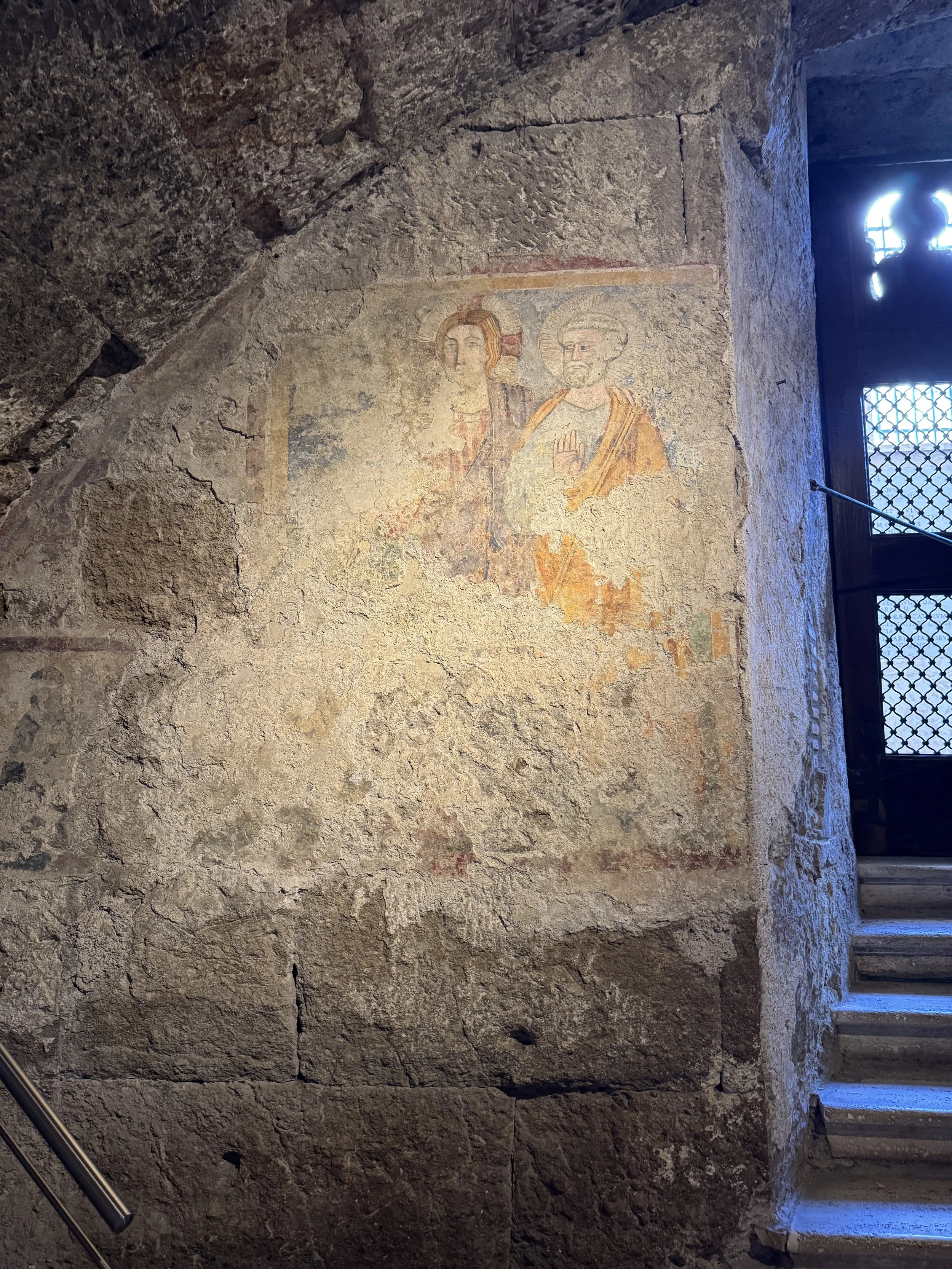
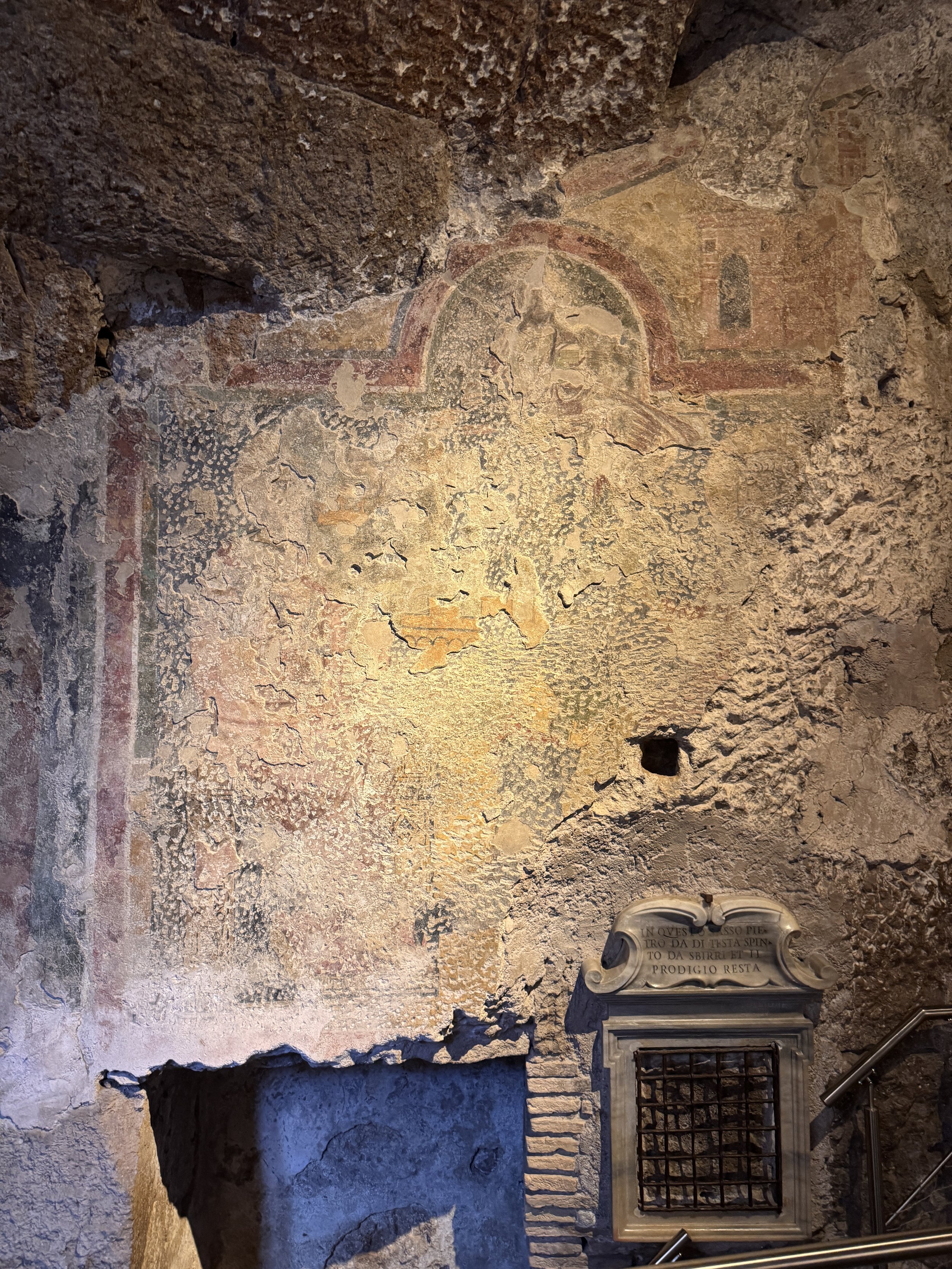
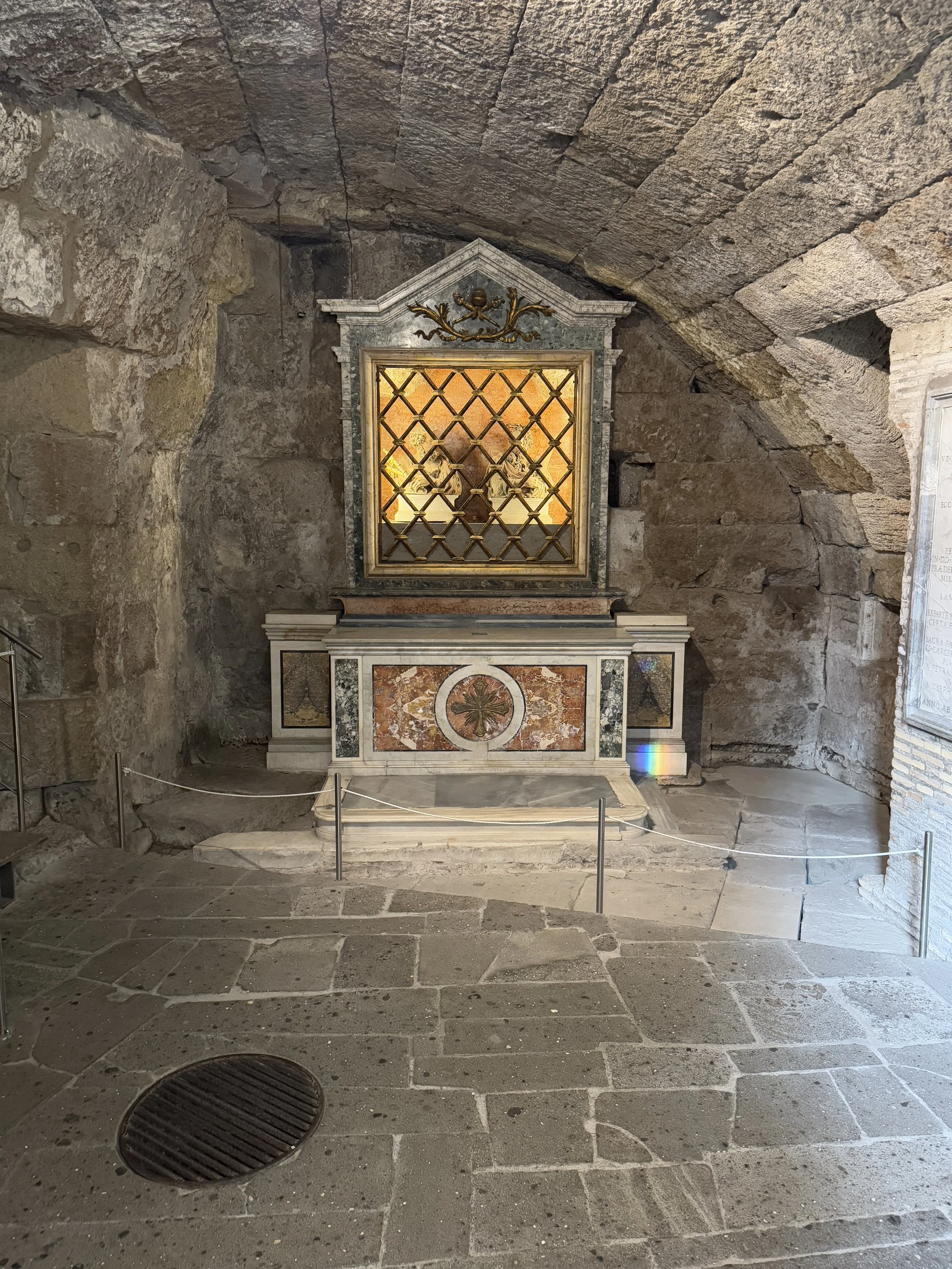
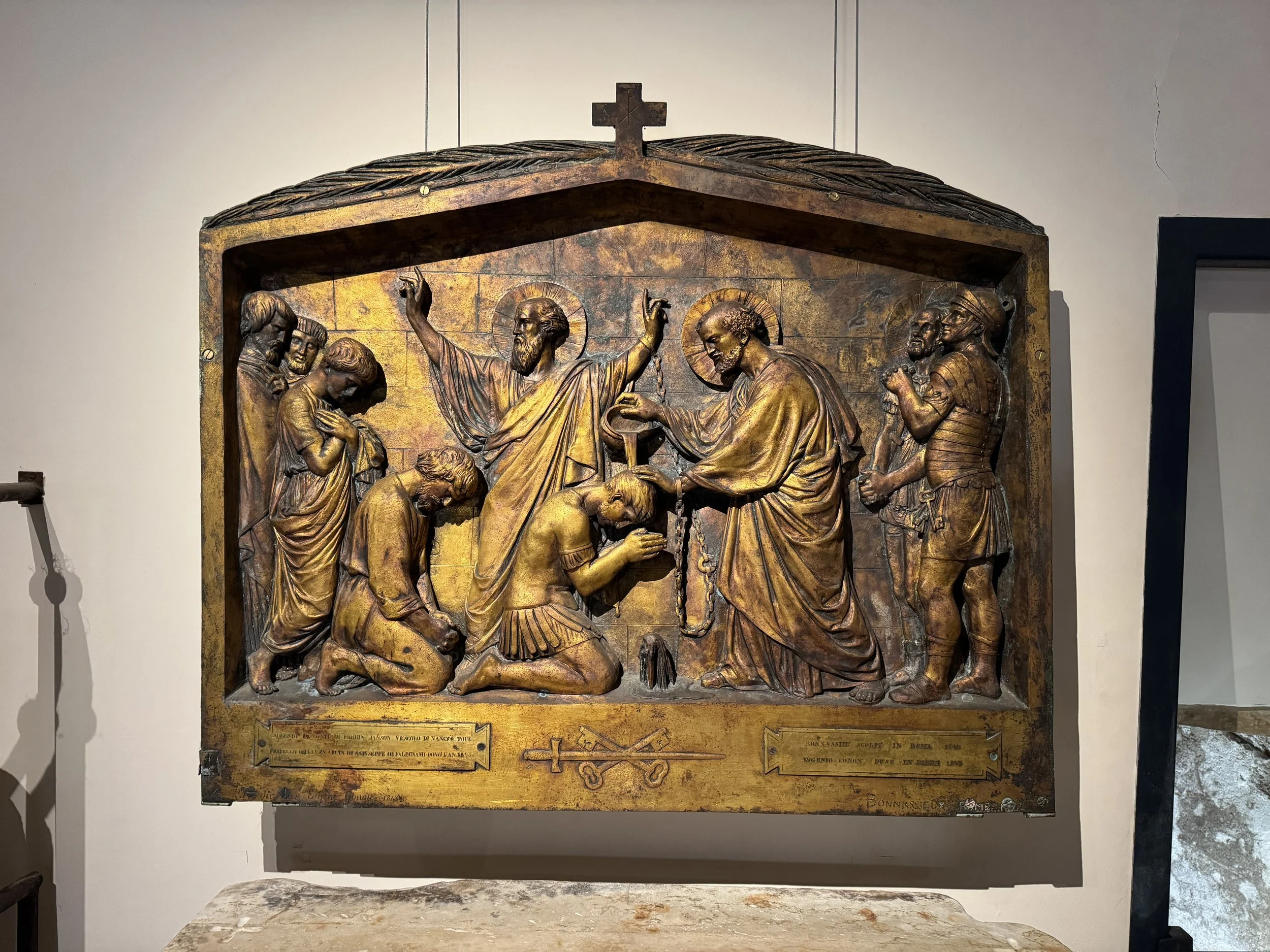
The Mamertine Prison in Rome—also known as the Carcer Tullianum—has been revered by Christians for centuries because of its strong association with the martyrdom of Saints Peter and Paul. This place of suffering and despair in the Roman era acquired a sacred character as Christians gradually turned it into a place of veneration and pilgrimage. Remains of Christian frescos in the prison chambers bear witness to the conviction of early Christians that the gospel could not be silenced even by the execution of Peter and Paul. Their executions are likely to have occurred in the mid 1st century during the reign of Nero, though of course the Bible does not include information about the end of Peter and Paul’s life.
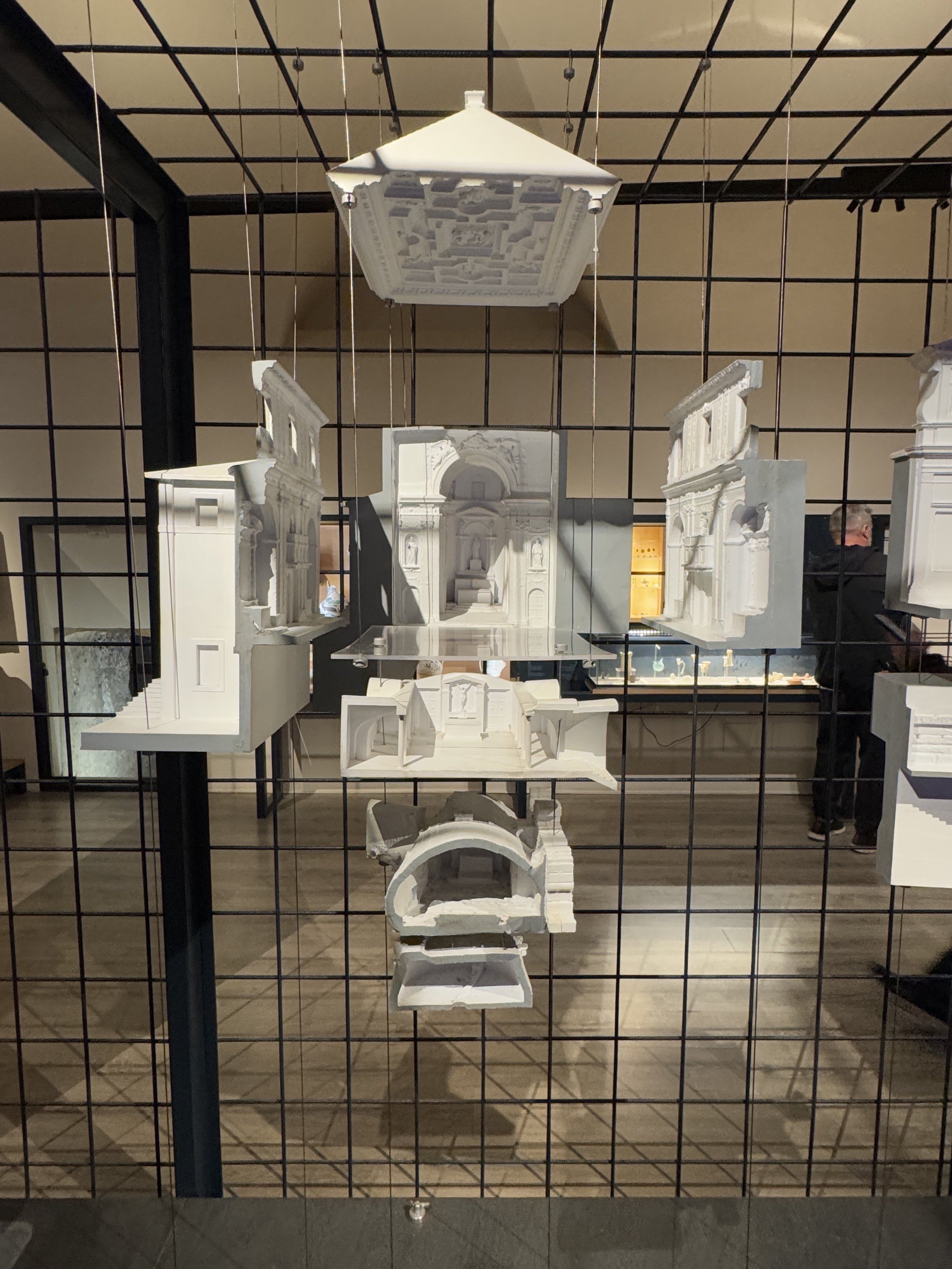
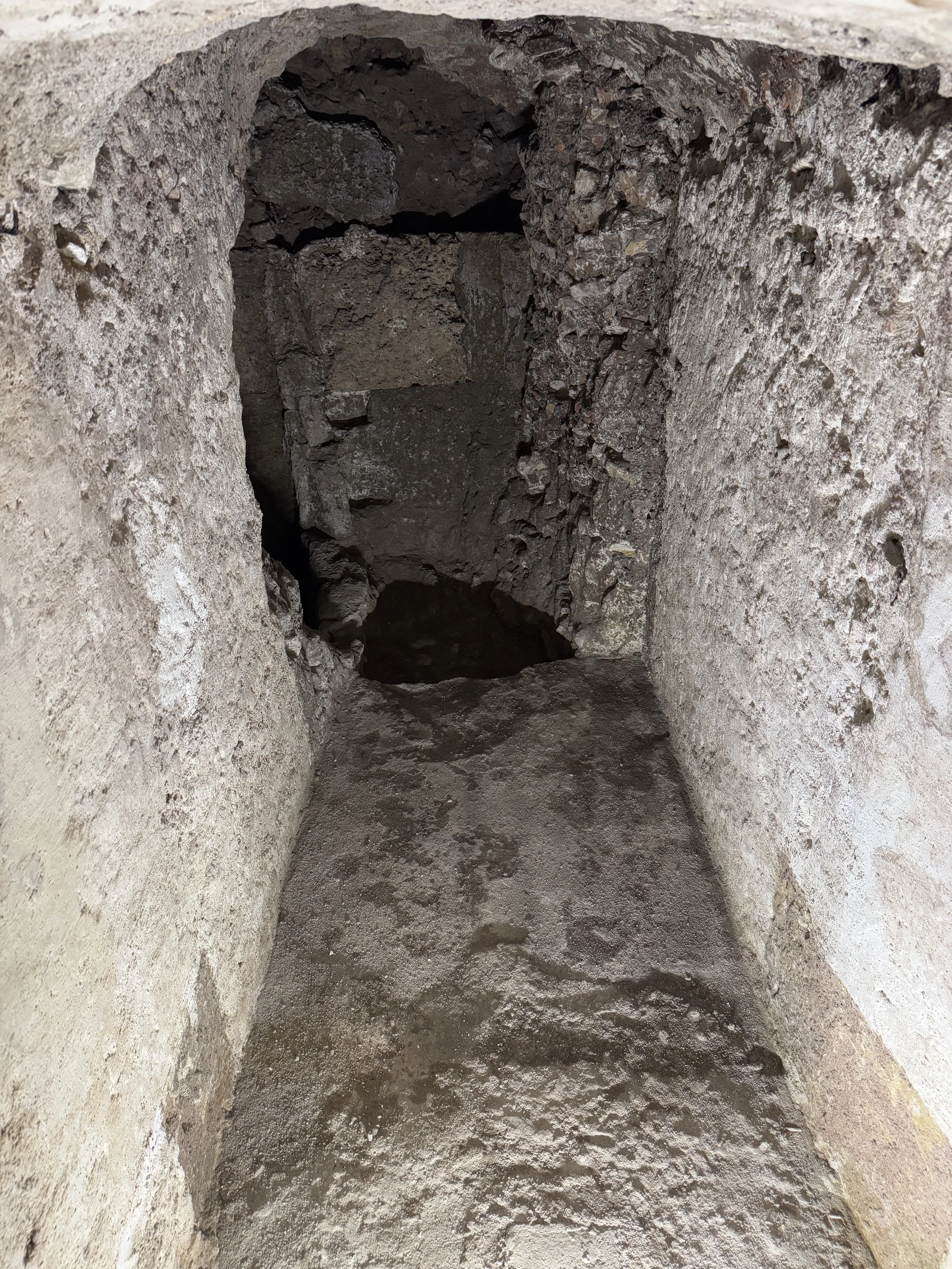
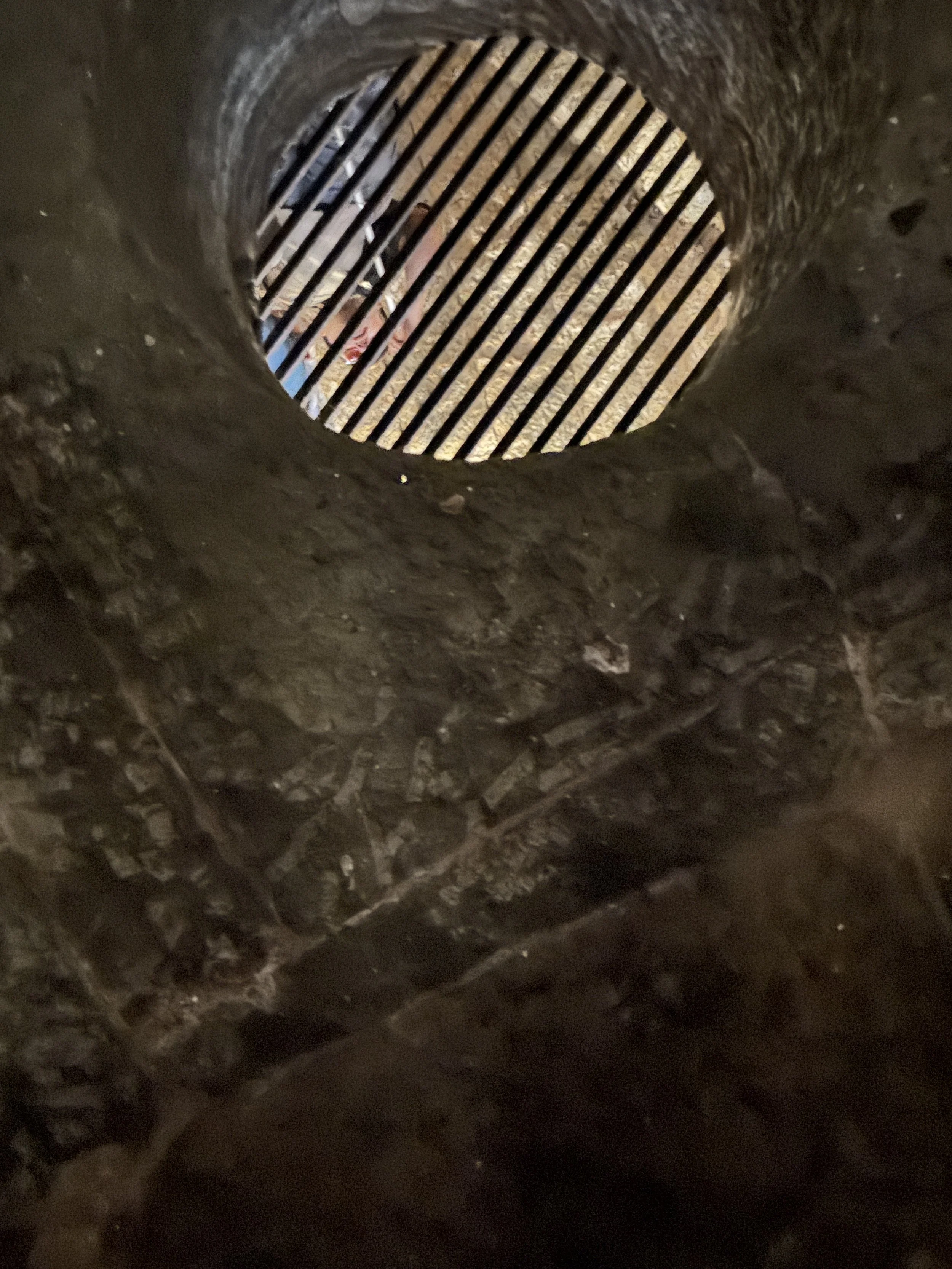
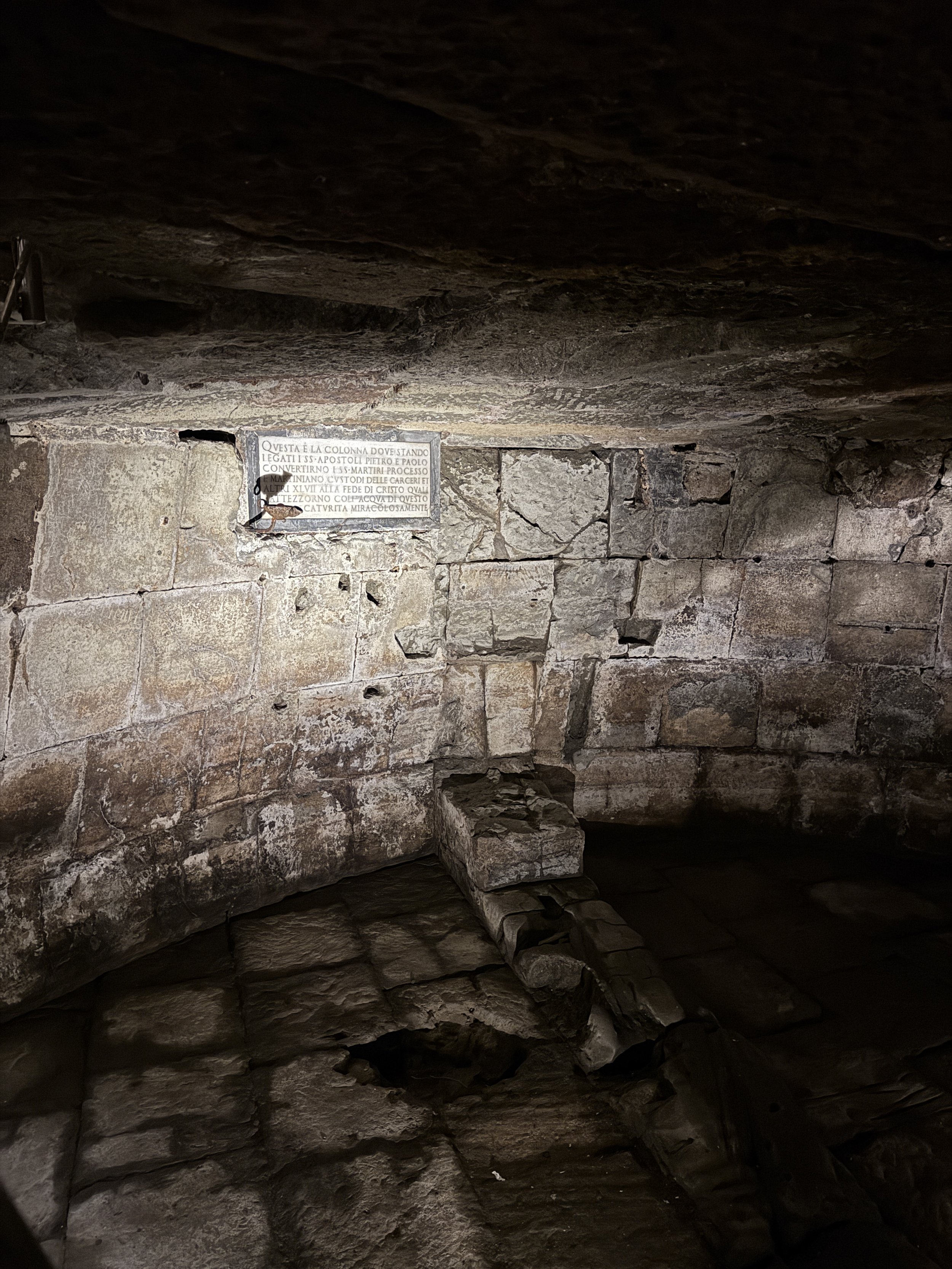
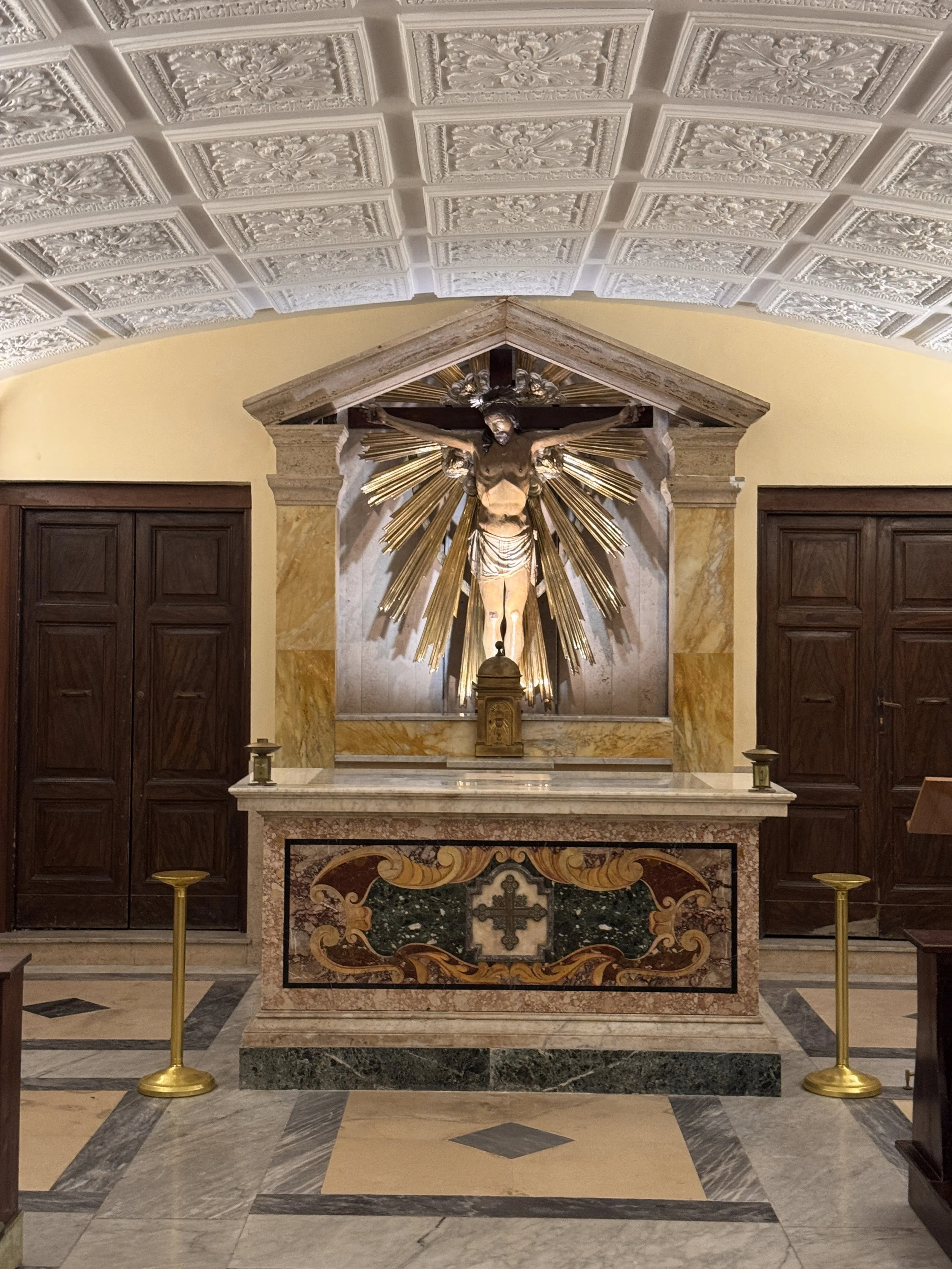
The lowest chamber of the prison was originally built in the 7th or early 6th century BC, built of large blocks of volcanic tuff and partially from carved bedrock of the Capitoline Hill. It had no doorway at ground level, and prisoners were lowered through a small opening in the celling - an opening you can still see today. This was a place designed for holding important prisoners just before their execution. The level above the lowest chamber was built later, 3rd - 2nd c BC, prisoners were kept here before their final sentencing. There is a natural spring in the floor of the lowest level. Roman records and literary sources confirm that this prison was used for holding prominent figures such as enemies of the state, defeated kings and generals.
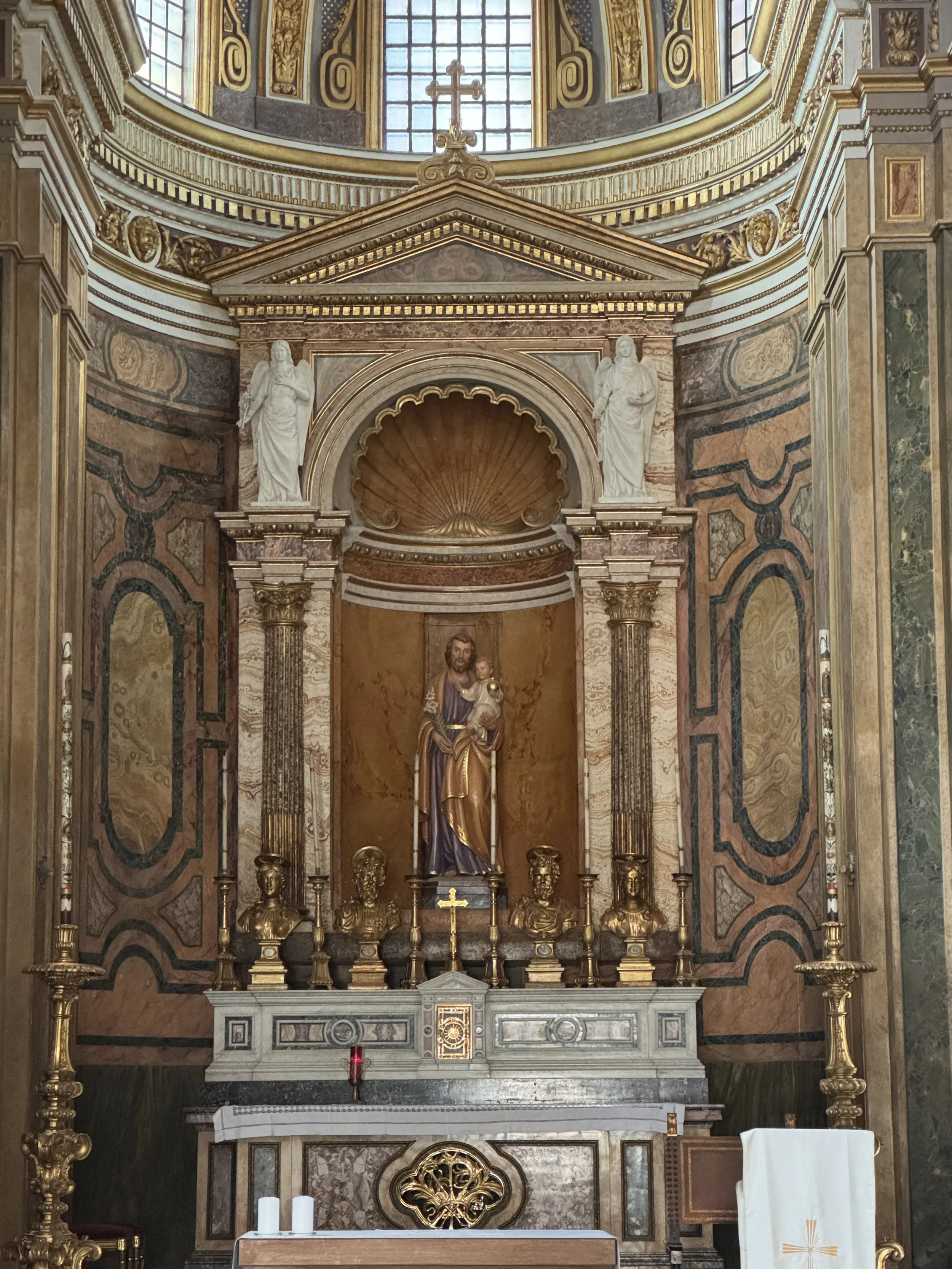
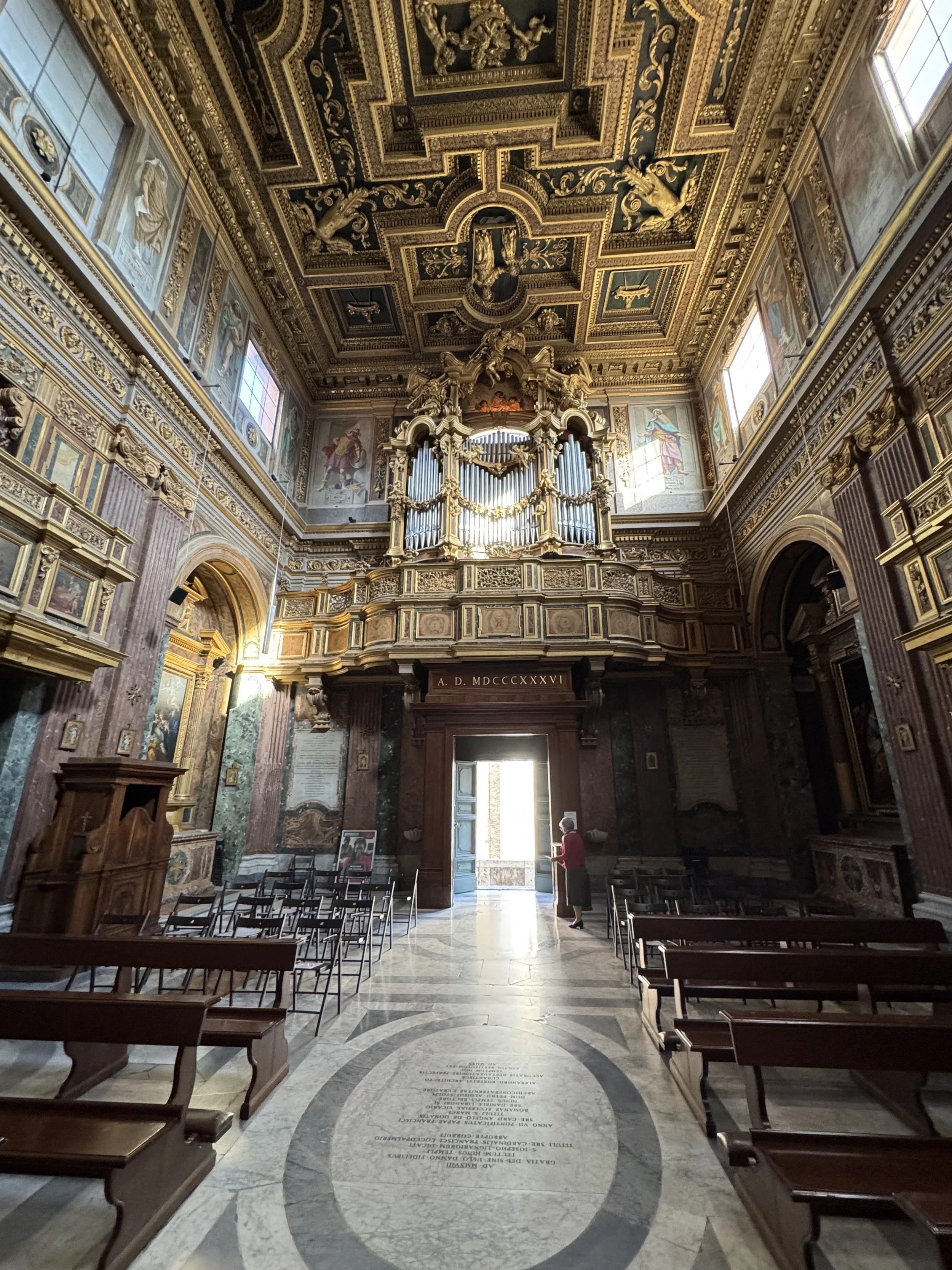
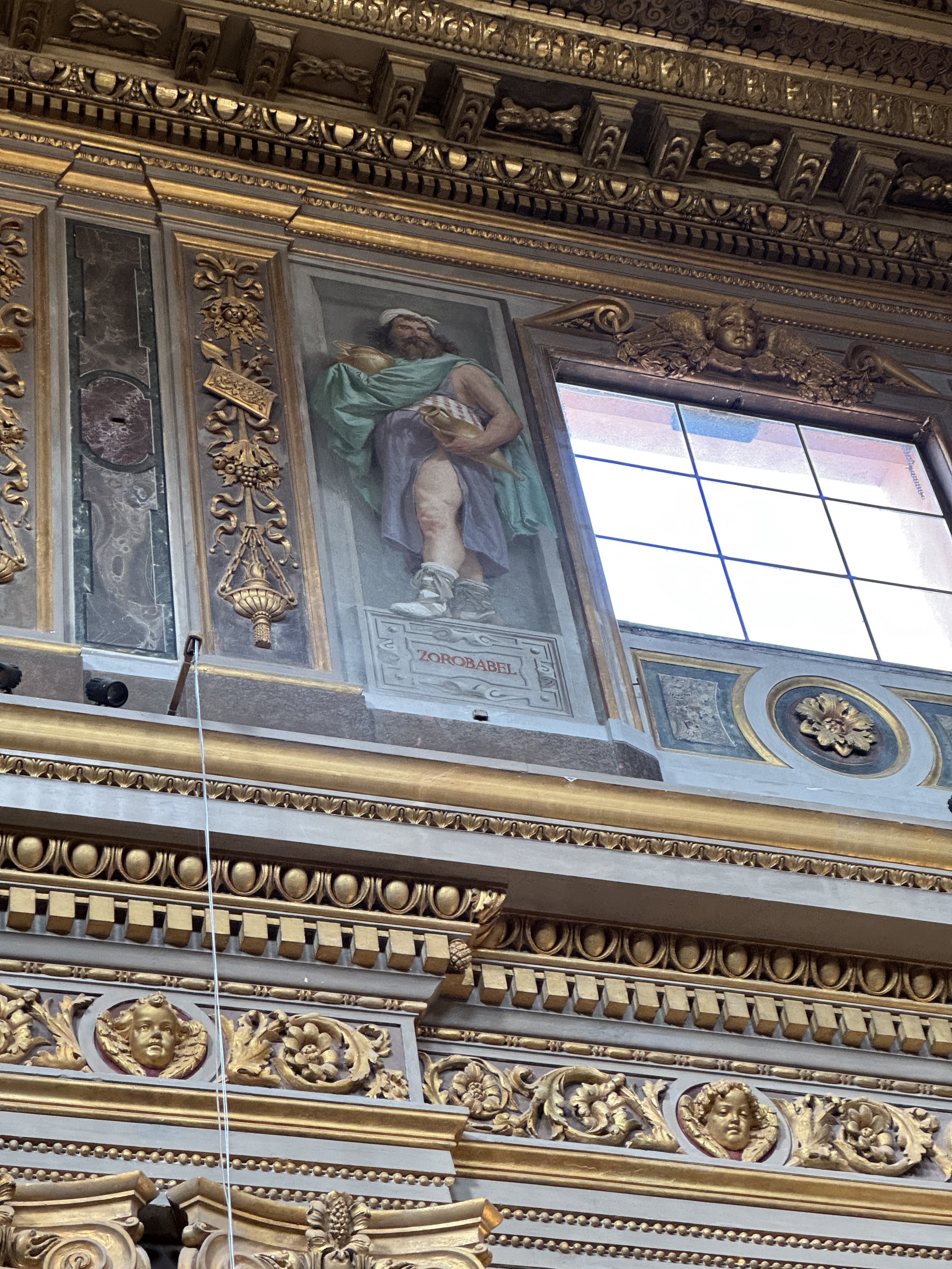
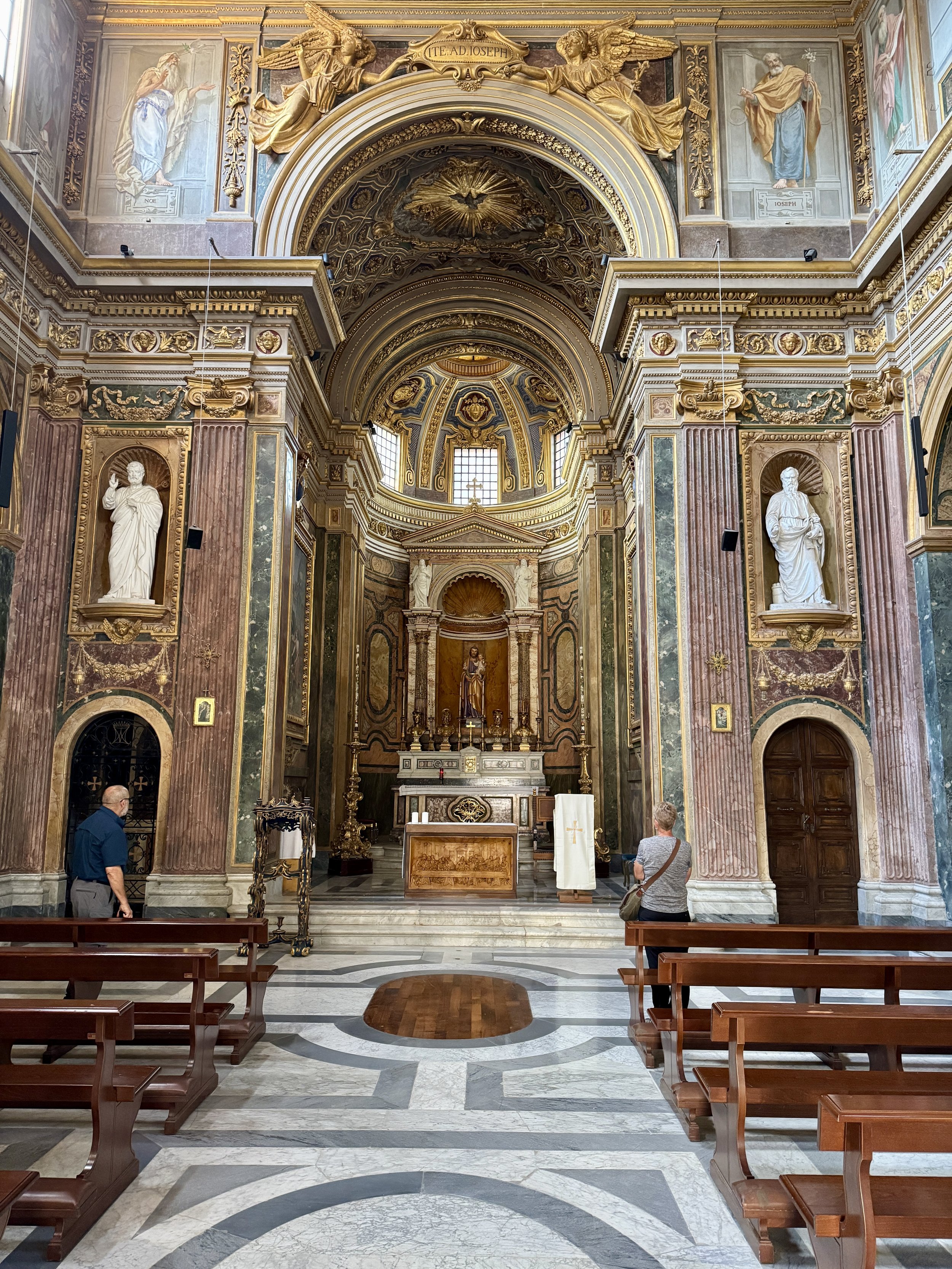
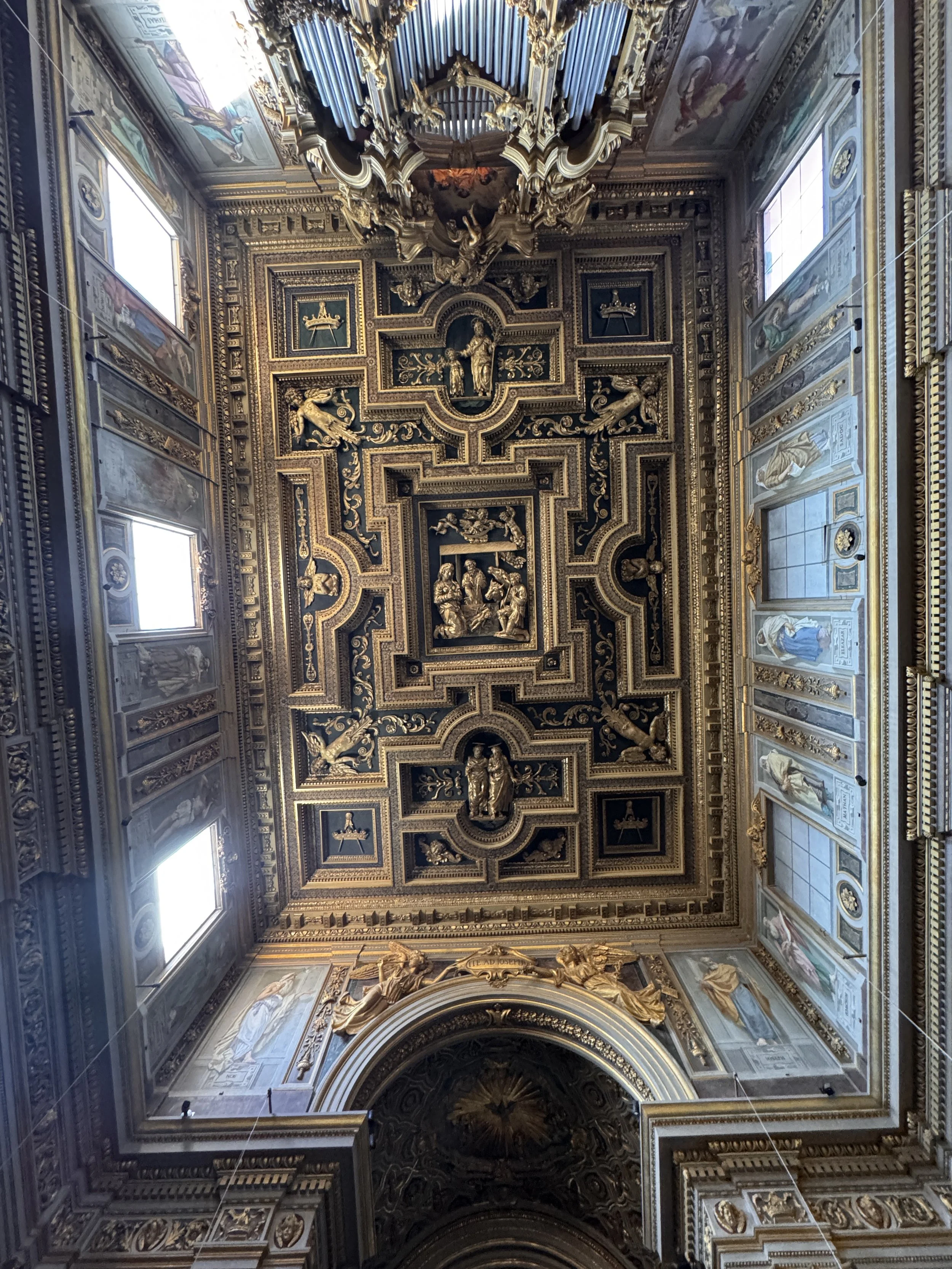
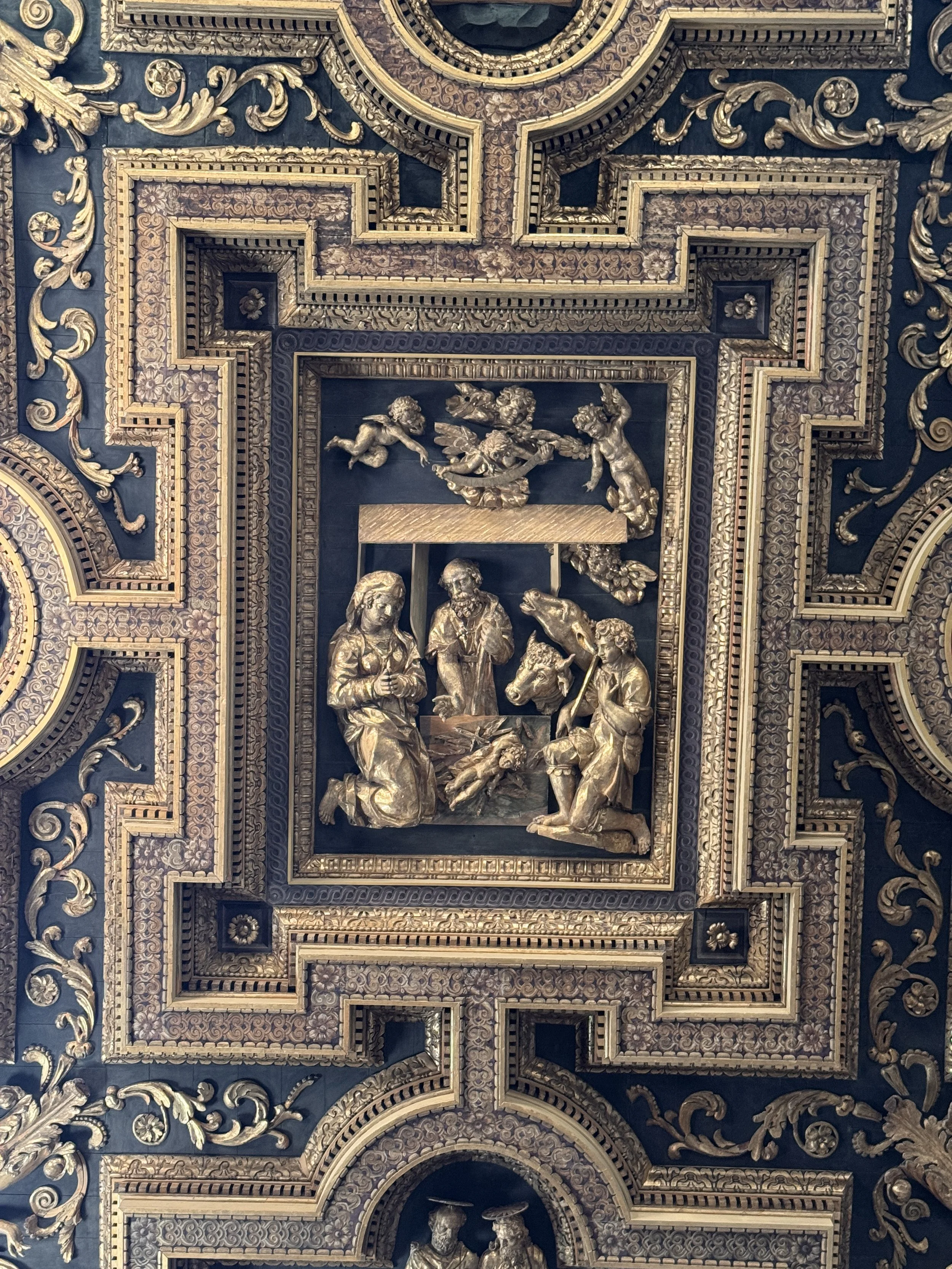
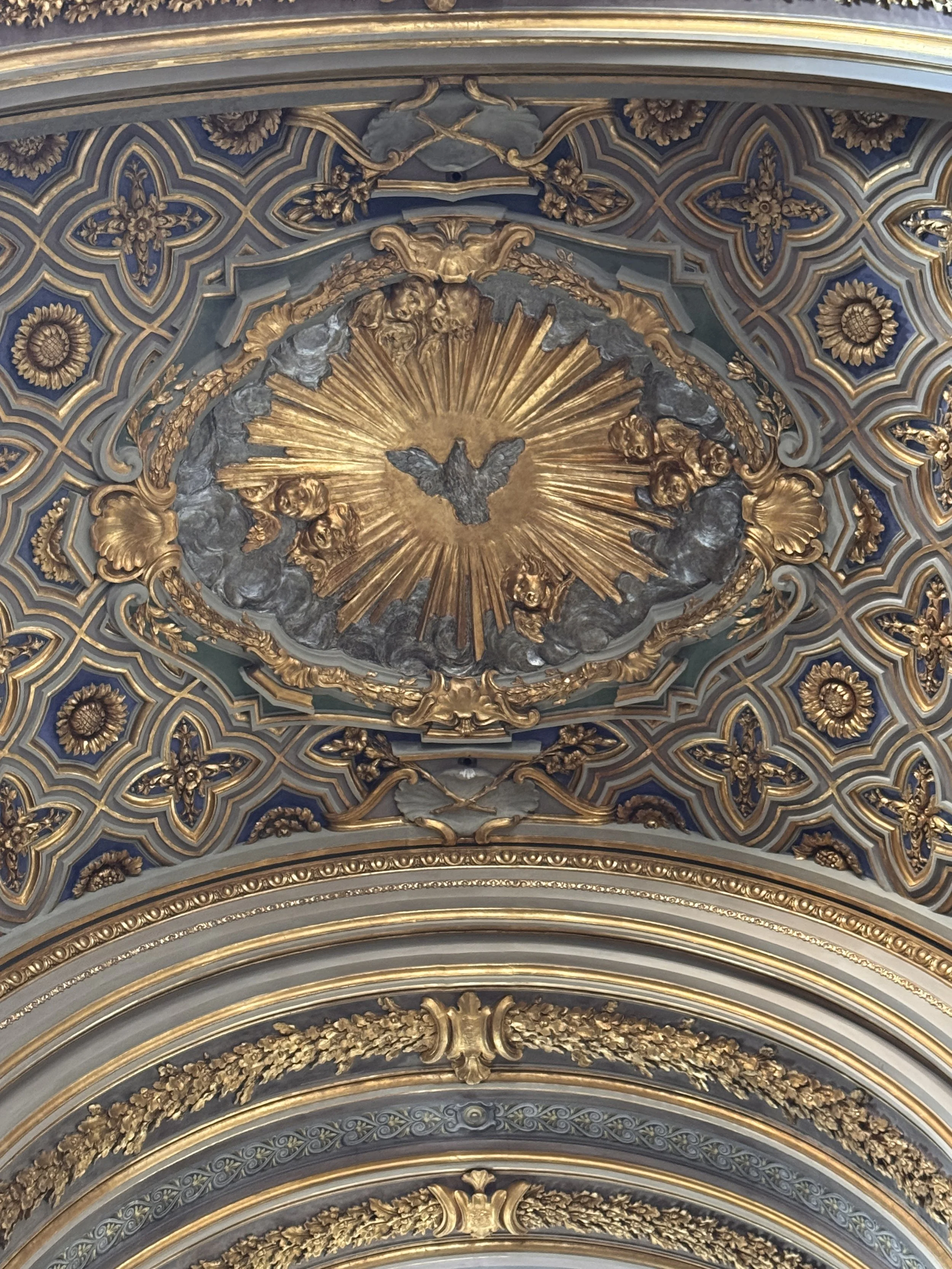
Christian worship at the site increased to the point of building churches directly above the former prison by the medieval era. In the 16th century the current church, San Giuseppe del Falegnami (Church Joseph of the Carpenters) was constructed. The church over the centuries remained tied to the Carpenter’s guild and periodically underwent renovations. It has retained its late renaissance / early baroque style. The interior is grandly decorated and has a coffered wooden ceiling. In 2018 the ceiling of the church dramatically collapsed (can be seen here in security tape footage https://www.facebook.com/share/v/193VJxbTgu/ ) and the church was not reopened until 2021. Honoring St Joseph and the birth of the Savior, above the place where martyrs who first proclaimed the resurrection of the Savior were imprisoned, demonstrates Christian memory and respect for the way God unfolded the plan of our salvation.
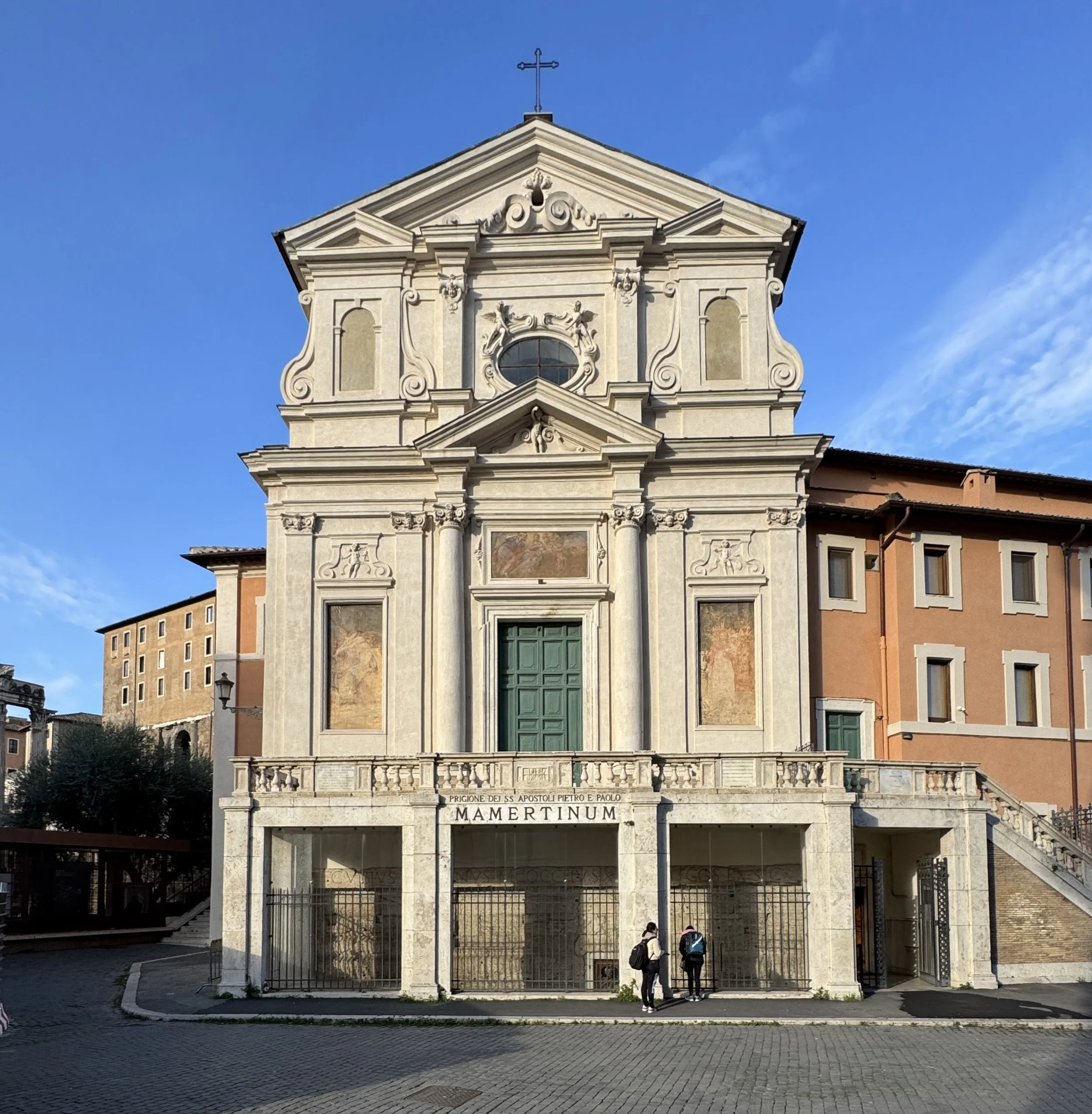
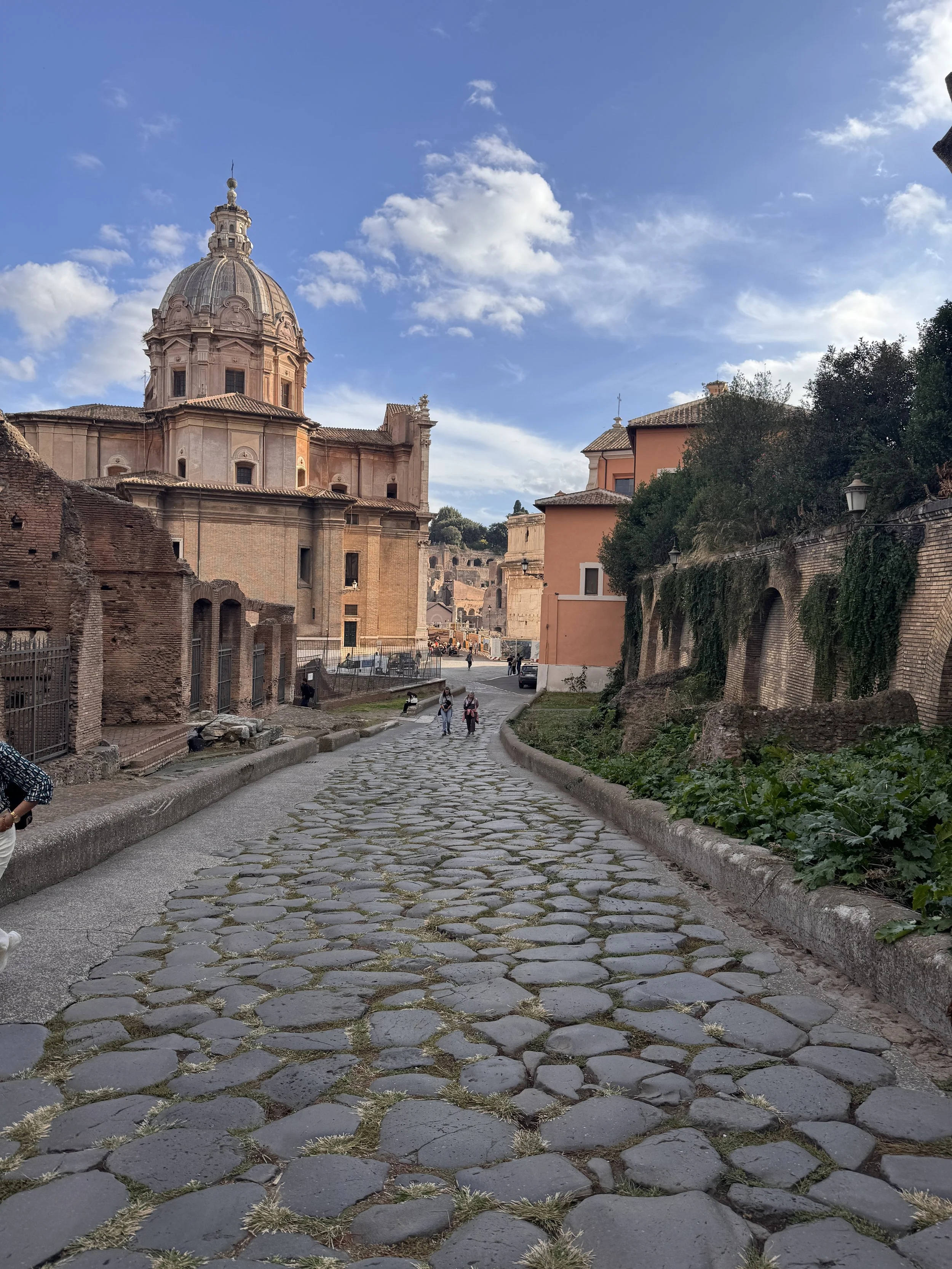
Mamertine Prison on Capitaline Hill in Rome, with the Church of Joseph of the Carpenters built over the site.