Emperor Worship in Biblical Times
“They will make war on the Lamb, and the Lamb will conquer them, for he is Lord of lords and King of kings, and those with him are called chosen and faithful.” Revelation 17:14
“…. he who is the blessed and only Sovereign, the King of kings and Lord of lords, who alone has immortality, who dwells in unapproachable light, whom no one has ever seen or can see. To him be honor and eternal dominion, Amen.” 1 Timothy 6:15-16
By the time of the New Testament era, Rome had fully embraced and refined a long-standing tradition in many eastern cultures of viewing their rulers as “sons of god” or even as deities in their own right. From ancient Mesopotamia onward, numerous kings were deified after death, and over time many rulers began presenting themselves as divine—or at least possessing divine status—during their lifetimes. Royal inscriptions employed exalted language to reinforce this image, while sculptures often depicted kings standing alongside mythical gods at the same scale and stature, visually communicating their elevated status.
One striking example is Antiochus IV, who ruled the Seleucid Empire in the second century BC and adopted the name Antiochus Epiphanes, meaning “God Manifest.” The Jewish people were among the few who steadfastly resisted the notion that any human ruler could be considered divine. The early Christian church likewise confronted this belief, proclaiming that worship belonged to God alone.
Rome fully integrated emperor worship into the civic and religious fabric of the empire, particularly in the eastern provinces where such ideas found more ready acceptance. Caesar Augustus adopted the title divi filius (“son of the divine” or “son of a god”), reinforcing the sacred character of imperial authority. Emperor worship became intertwined with every aspect of society—civic duties, commerce, taxation, and religious observance—making loyalty to the emperor a inescapable feature of public life.
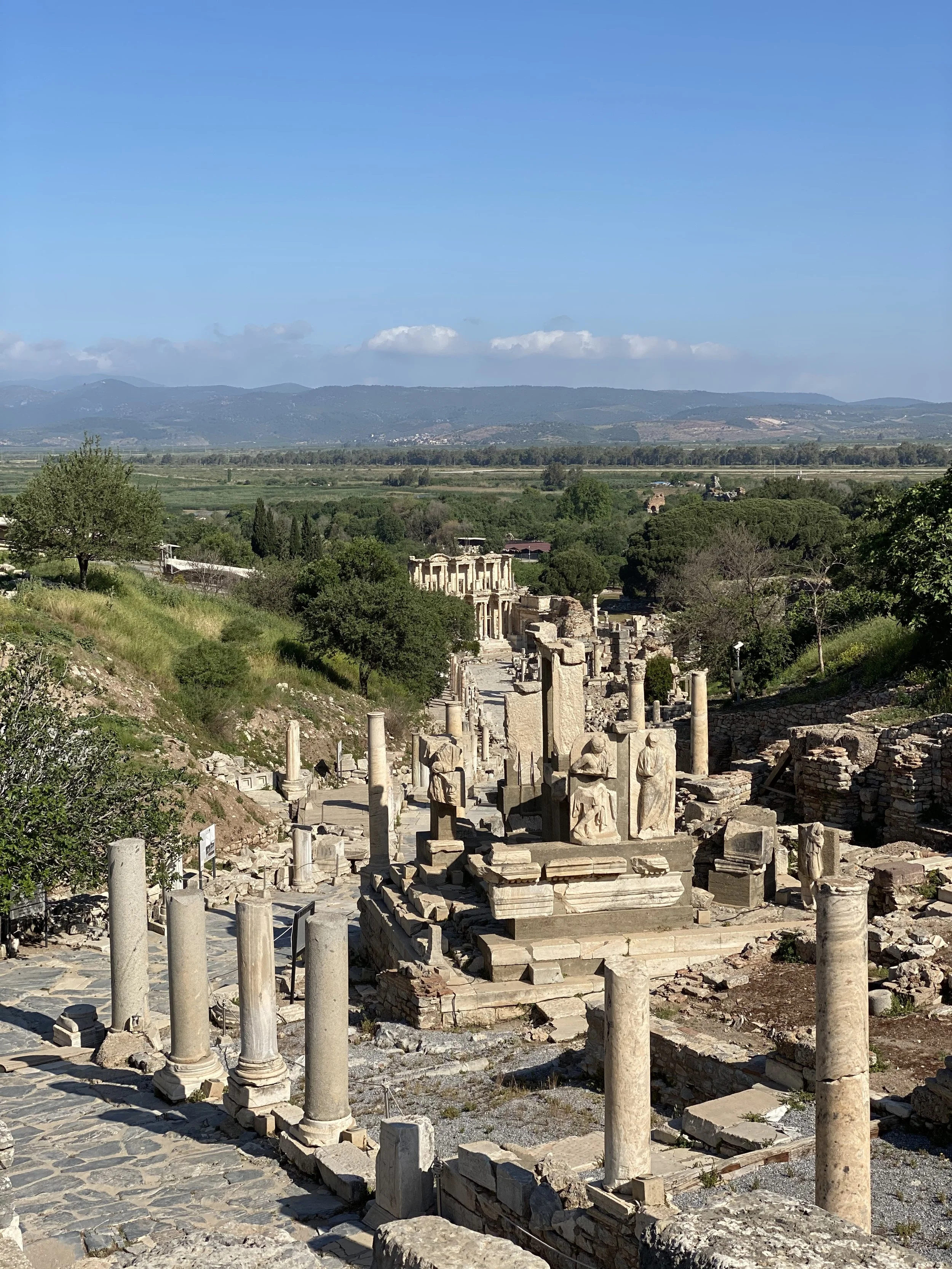
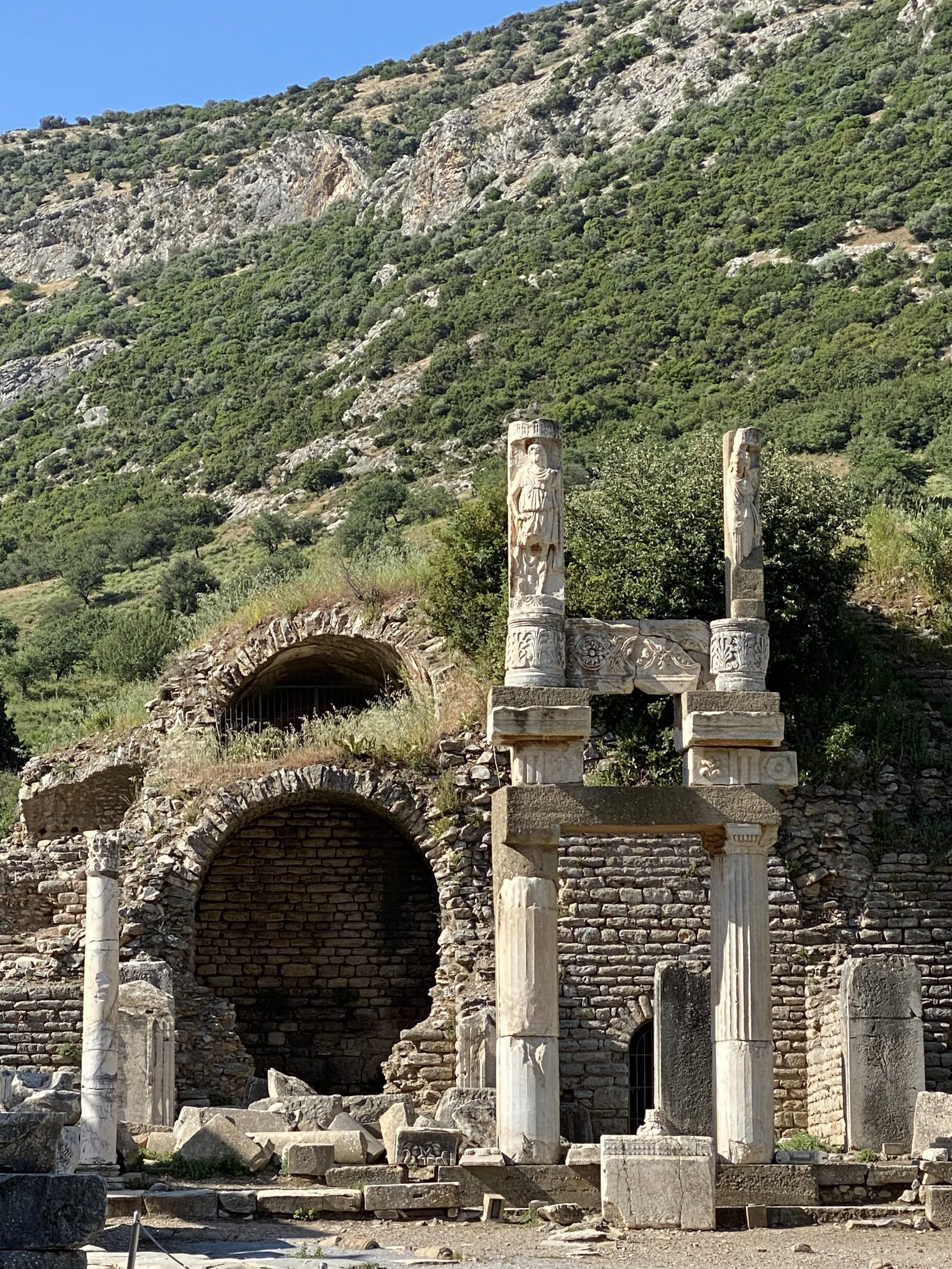
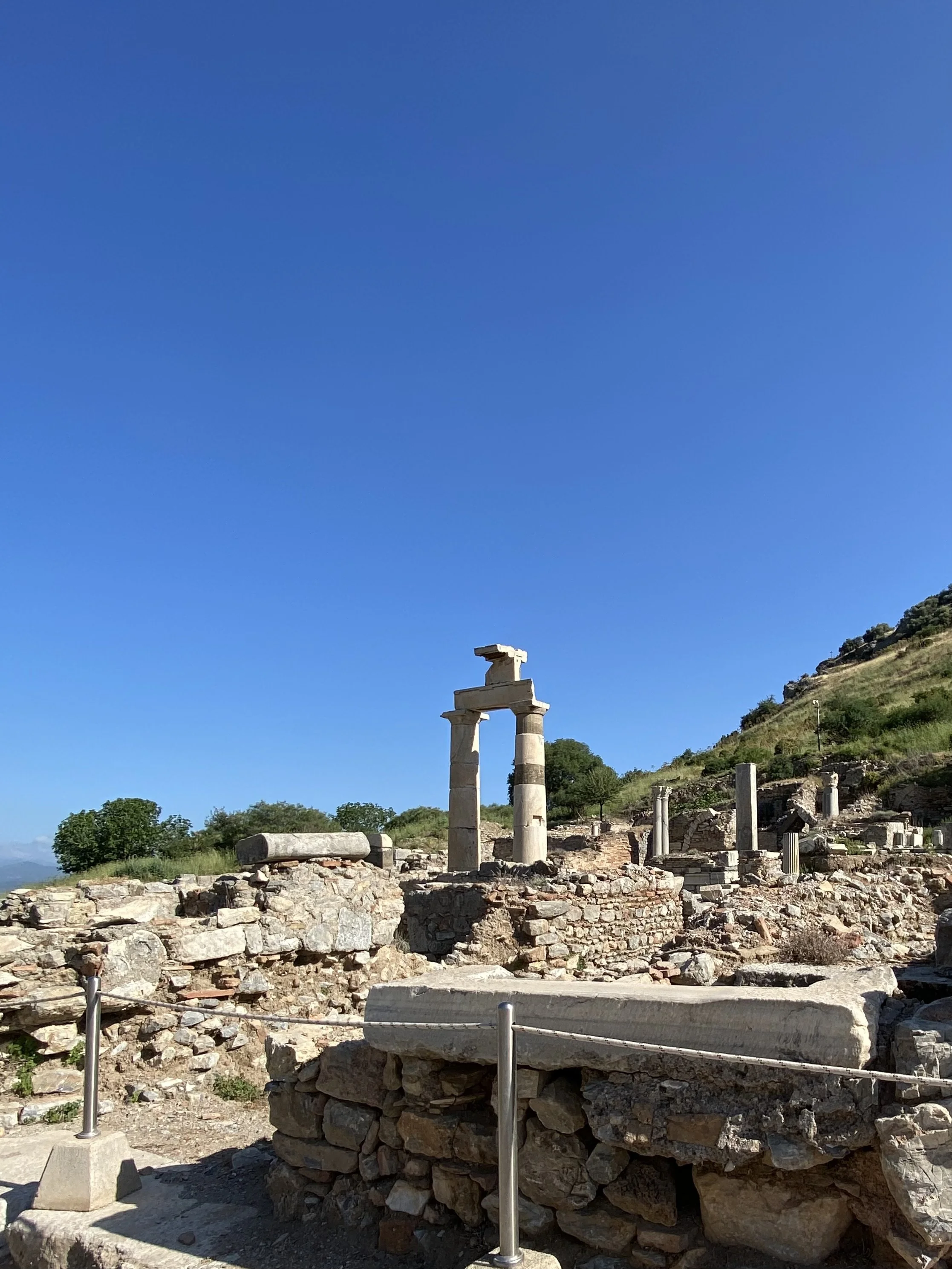
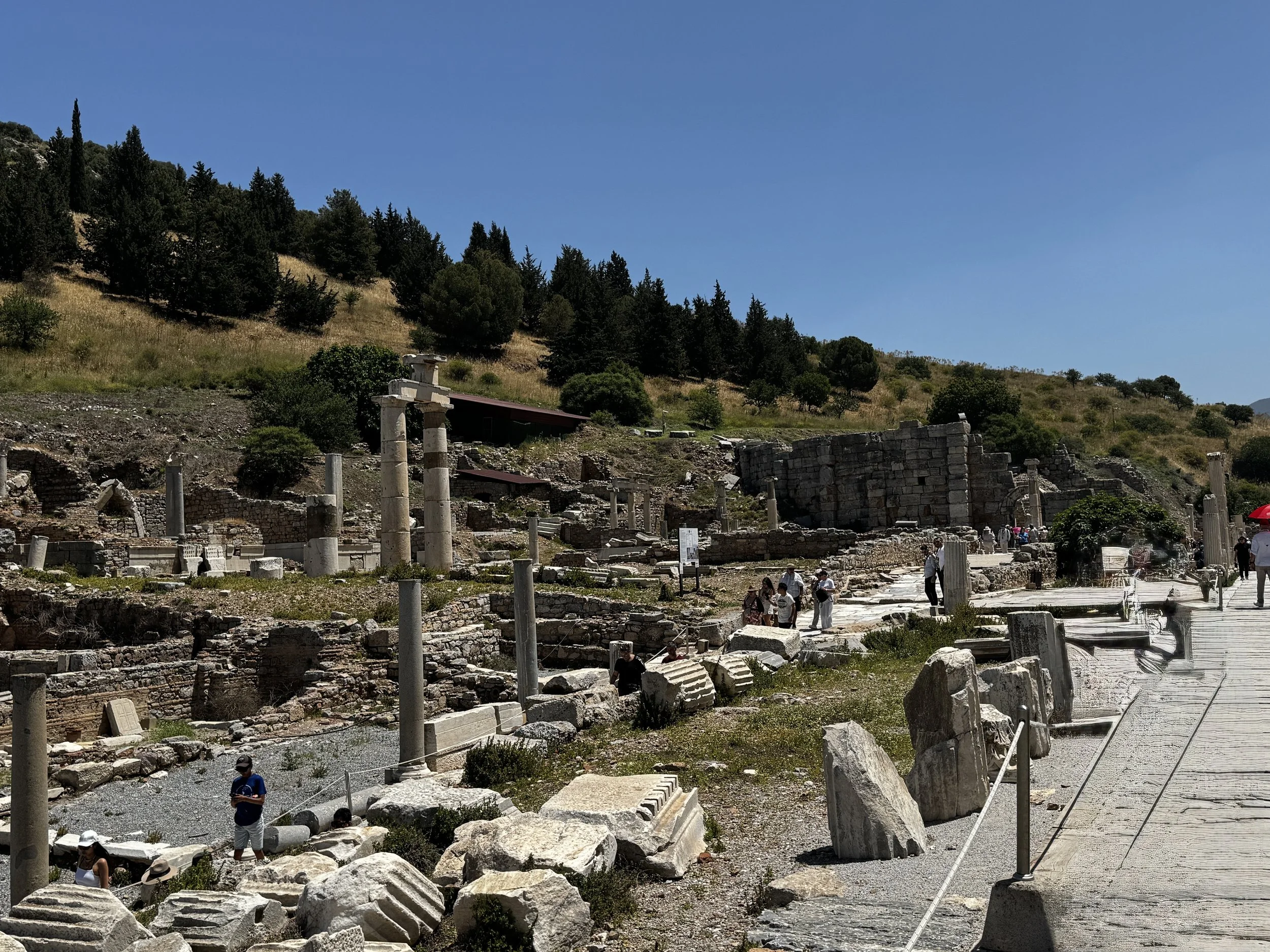
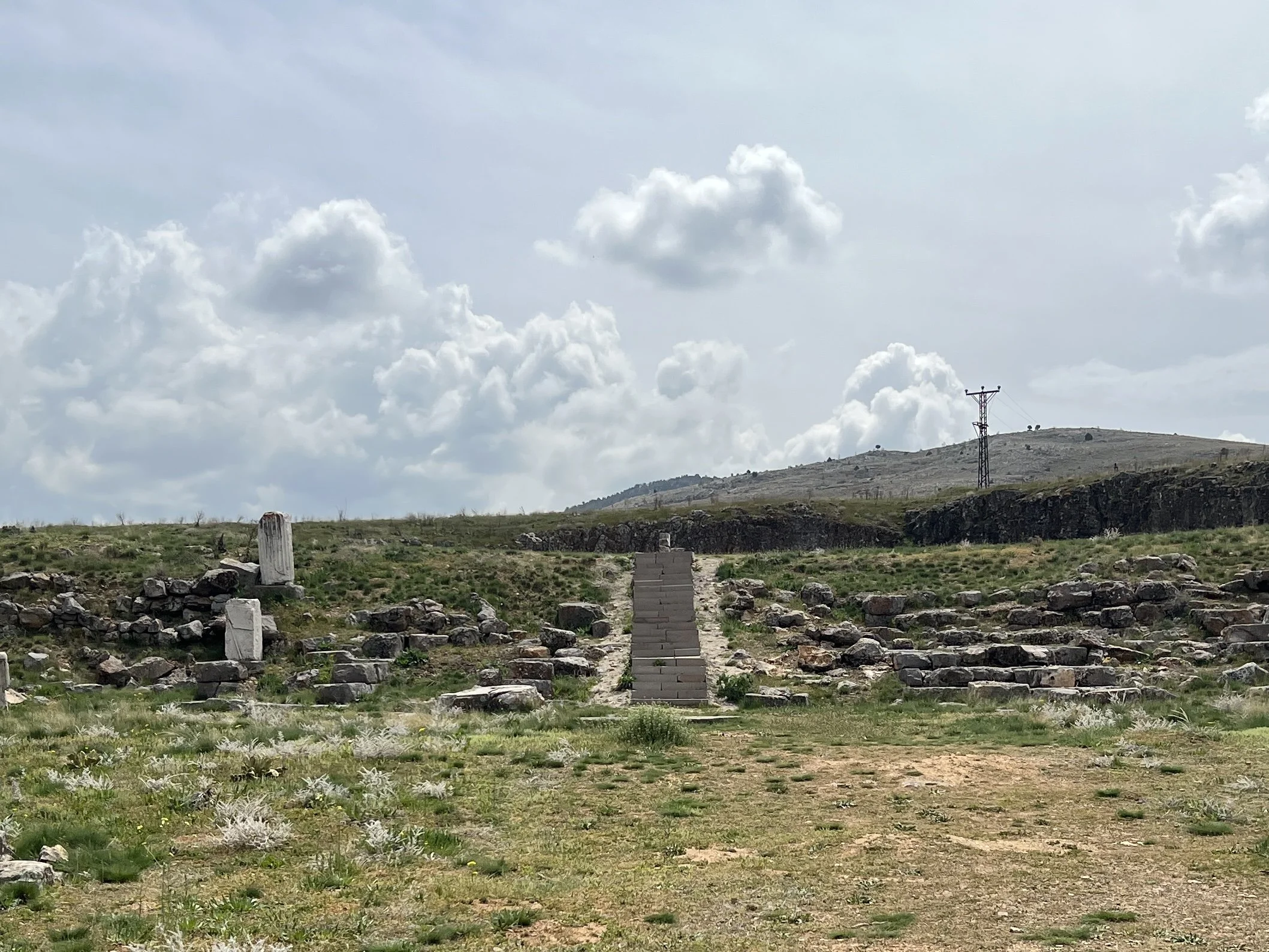
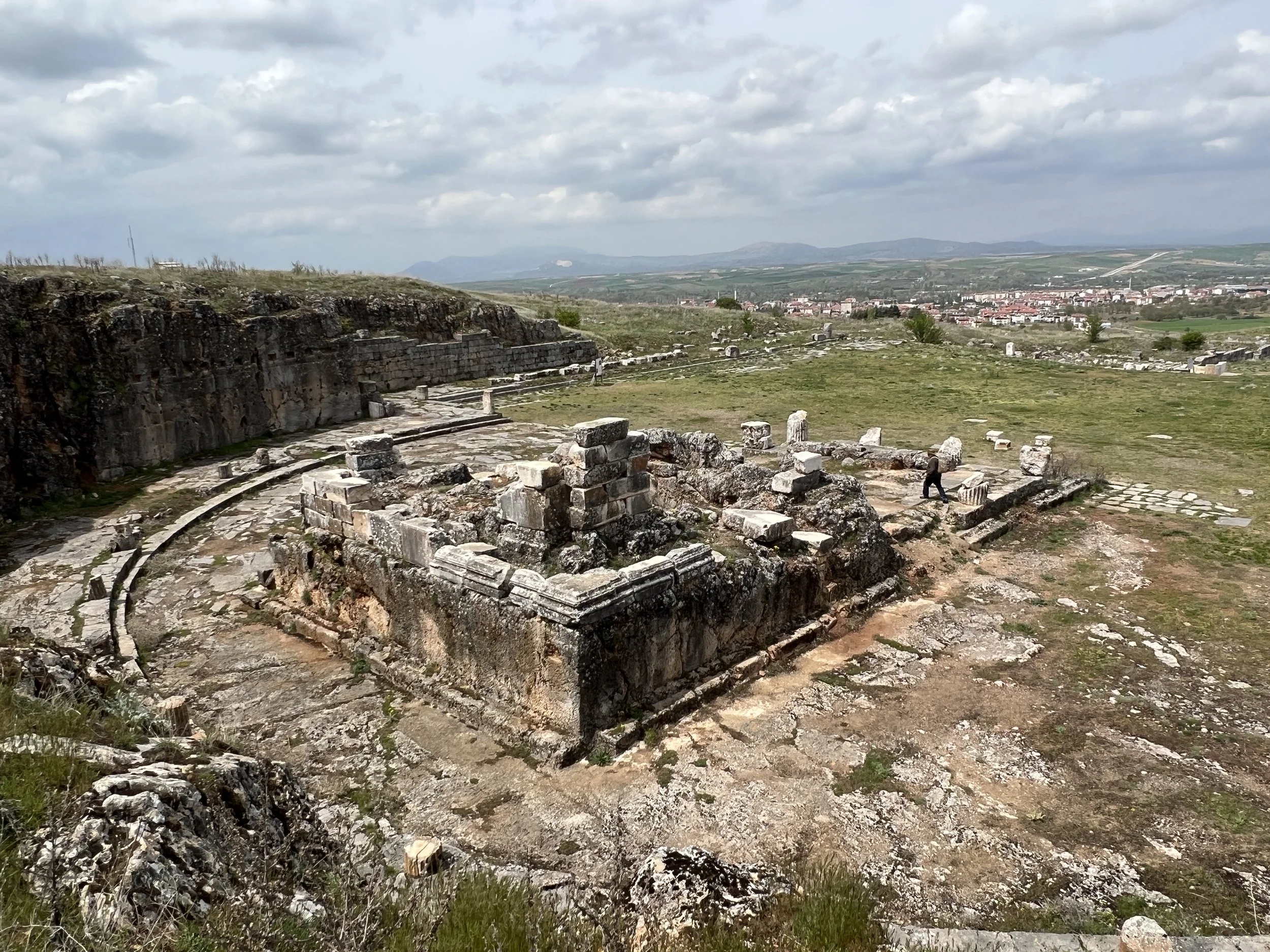
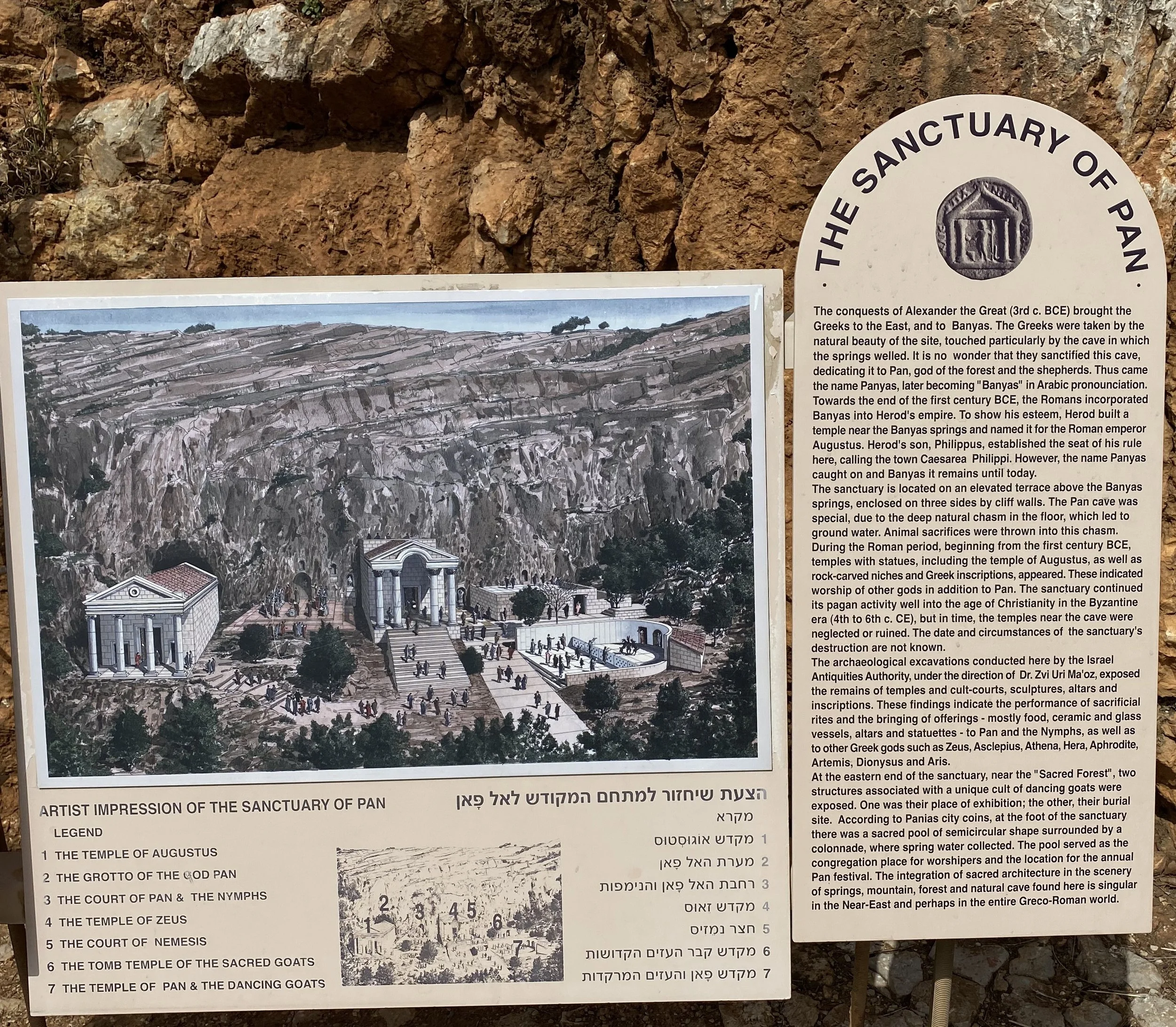
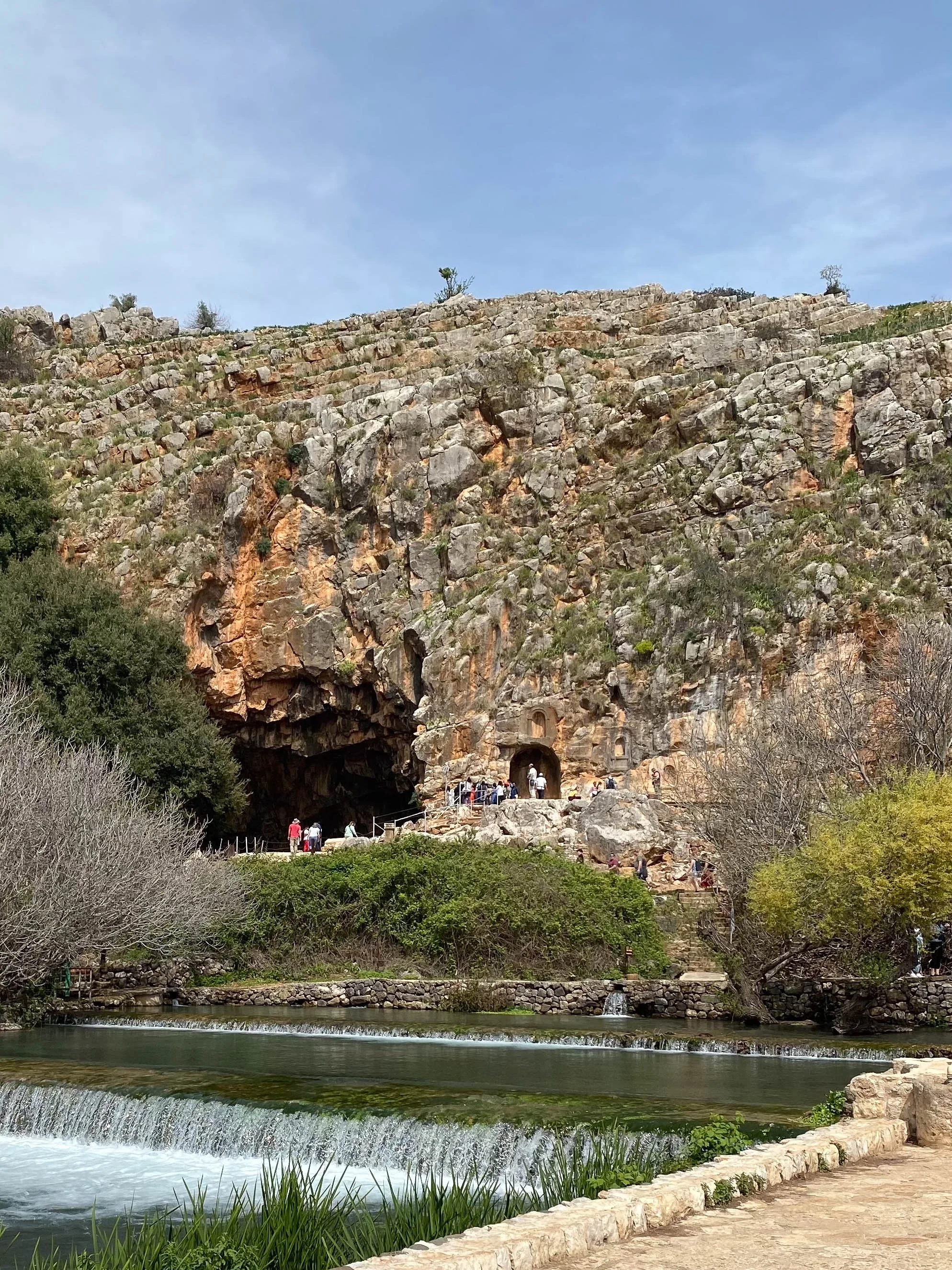
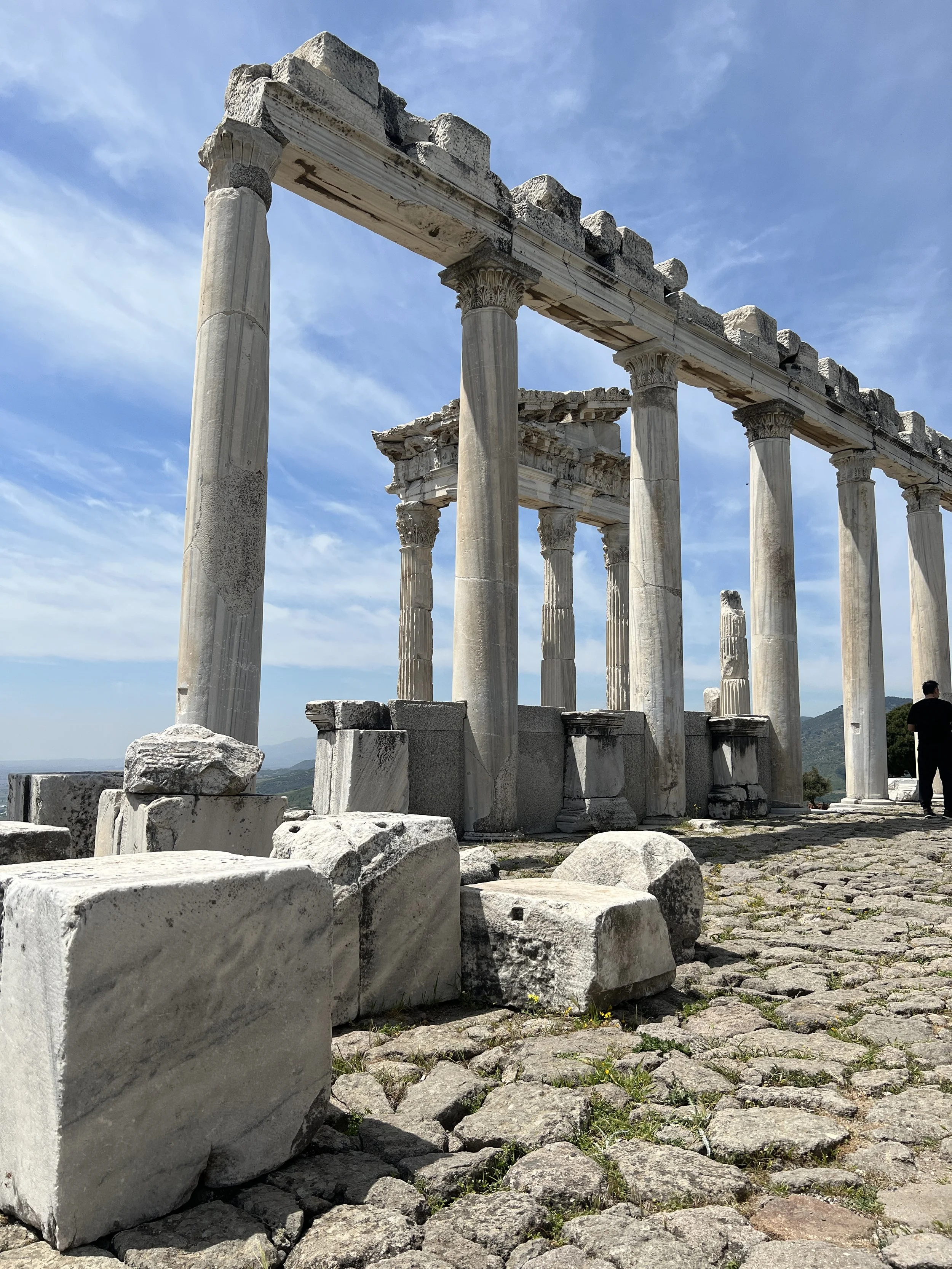
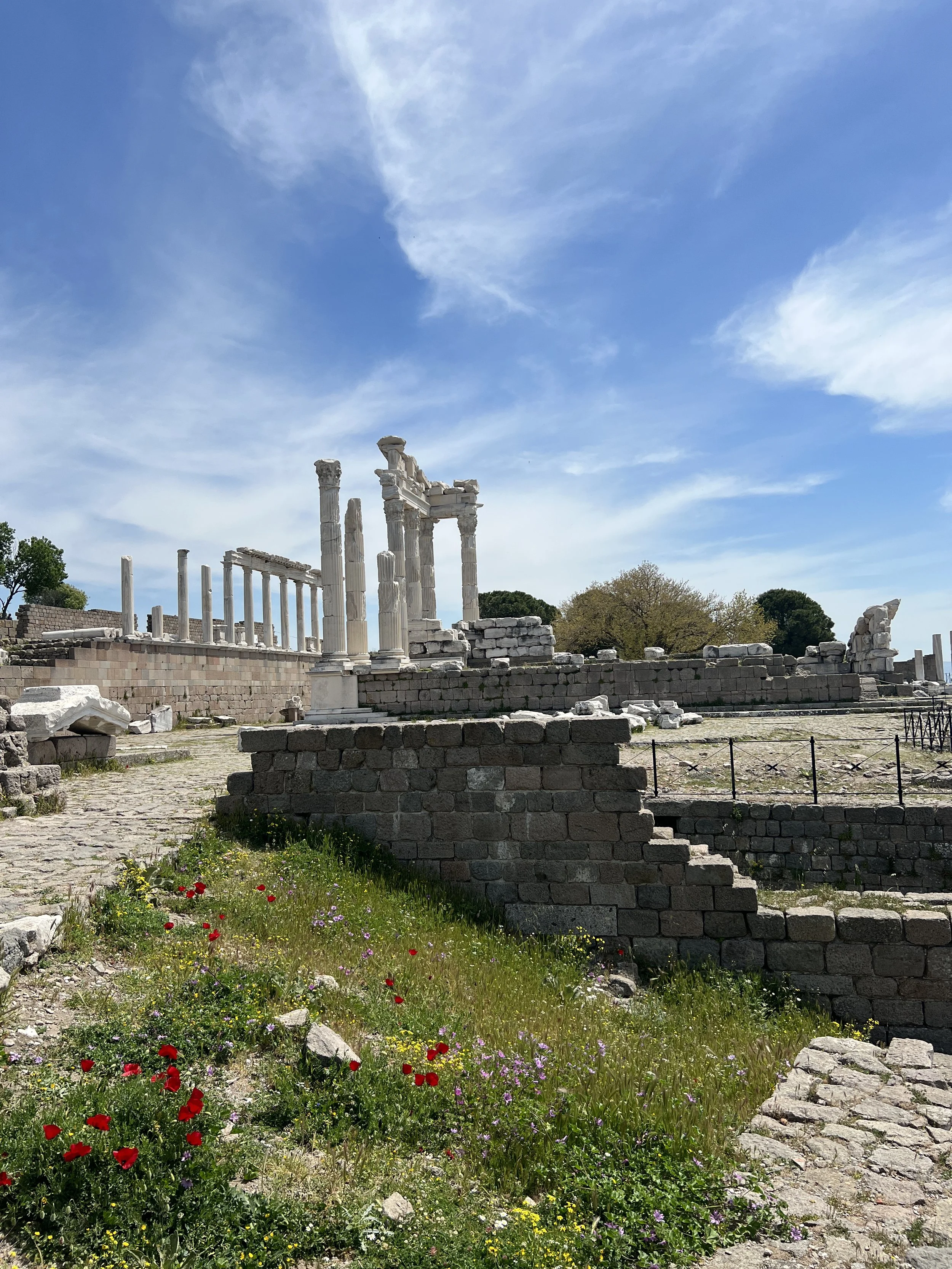
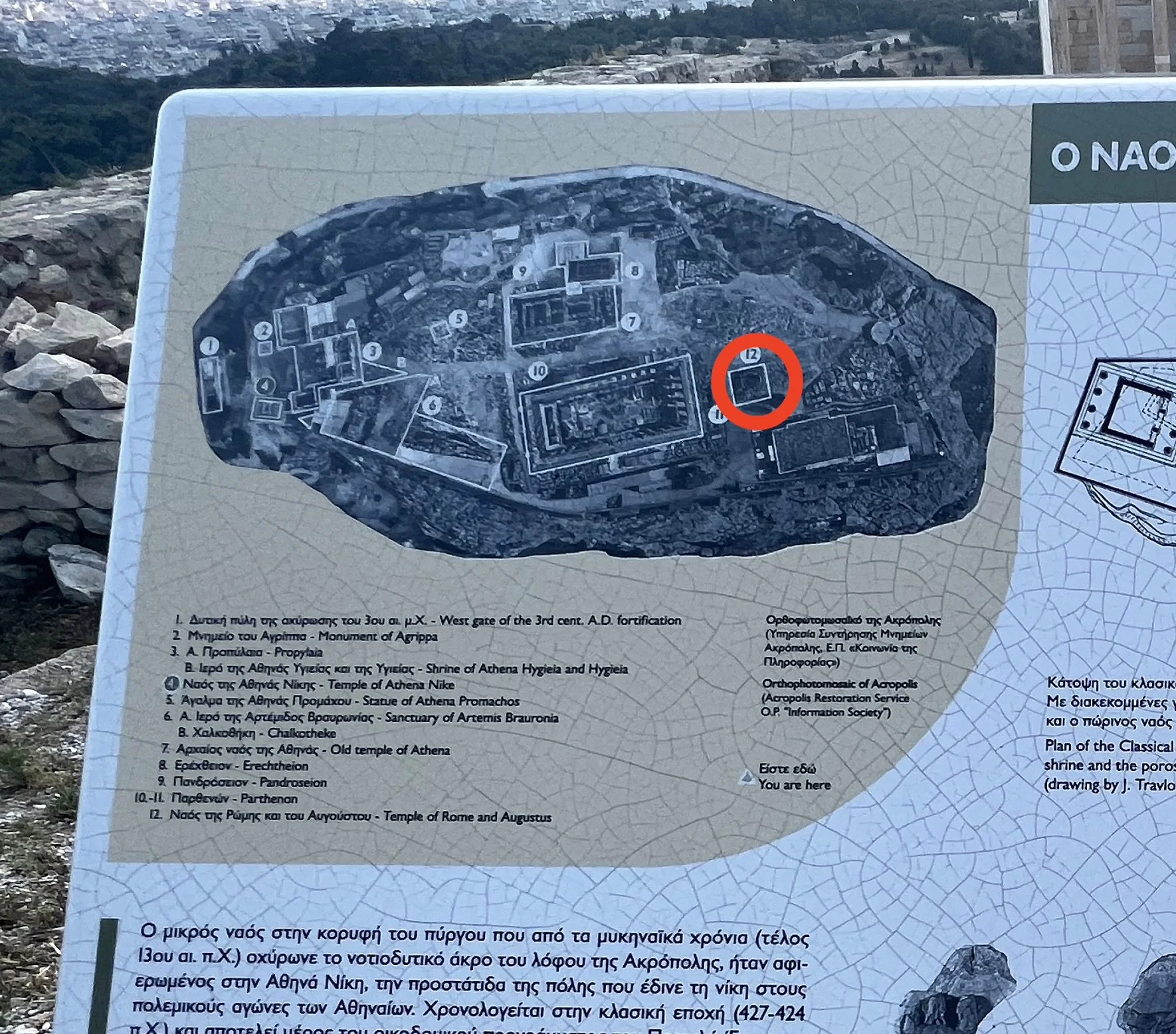
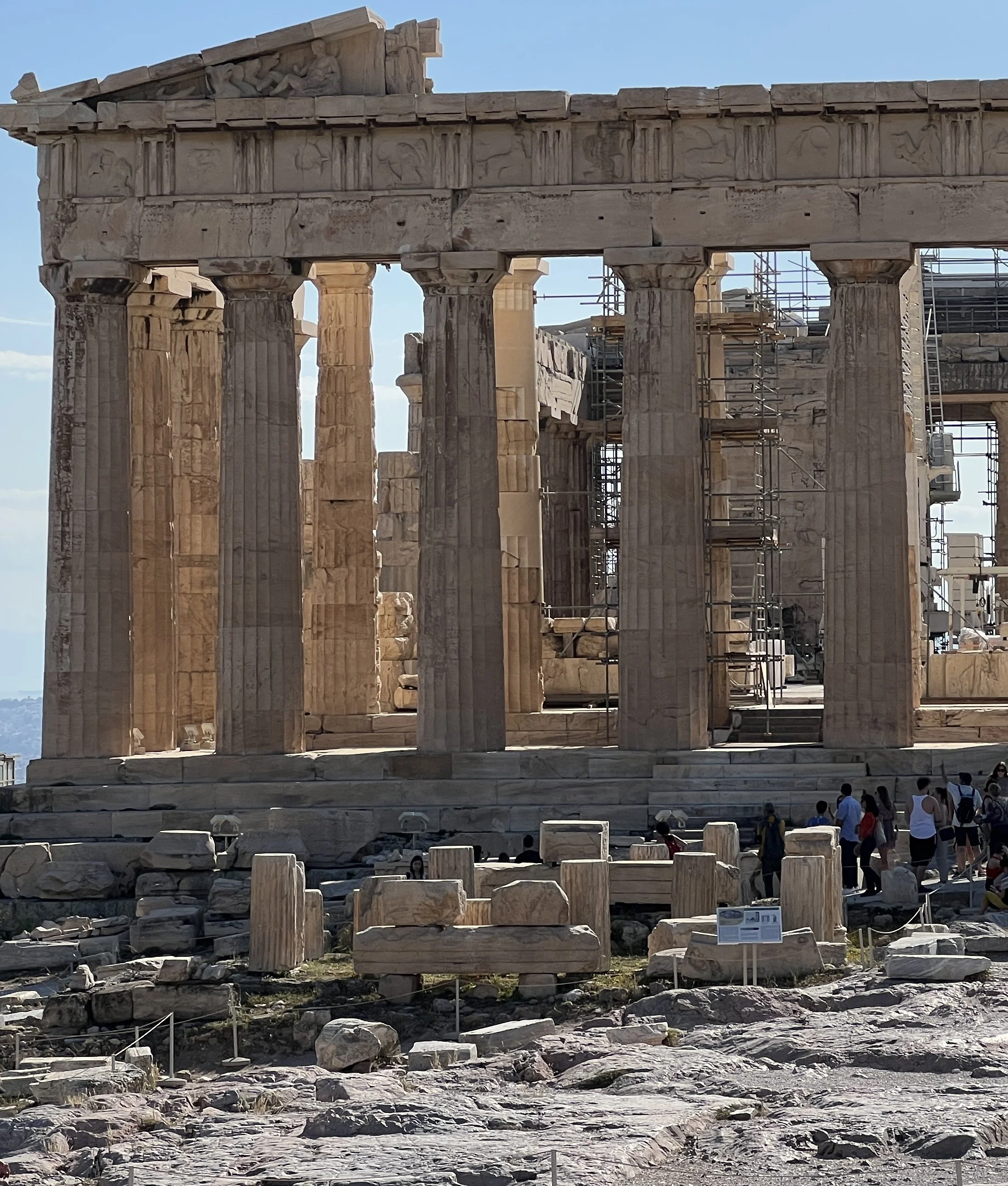
Archaeological sites throughout Asia Minor and the eastern Mediterranean provide abundant evidence that emperor worship stood at the center of civic identity. Psidian Antioch featured a magnificent temple dedicated to Augustus. Ephesus, one of the foremost centers of the imperial cult, honored emperors such as Julius Caesar, Domitian, and Hadrian with temples and shrines. Caesarea Maritima boasted a temple to Augustus overlooking its harbor, while Pergamon contained an impressive temple dedicated to Trajan. Caesarea Philippi also housed an Augustan temple, and even Athens erected a temple to Augustus on the Acropolis near the east end of the Parthenon. Throughout the empire, the worship of traditional mythical gods existed alongside the veneration of human rulers.
The lavish titles bestowed upon emperors often echoed language such as “king of kings” and “lord above lords,” elevating them beyond mere political authority. Against this backdrop, Scripture insists that these titles belong exclusively to the triune God and to Christ alone - the true Sovereign—“King of kings and Lord of lords,” - the immortal ruler whose authority surpasses every earthly kingdom!!
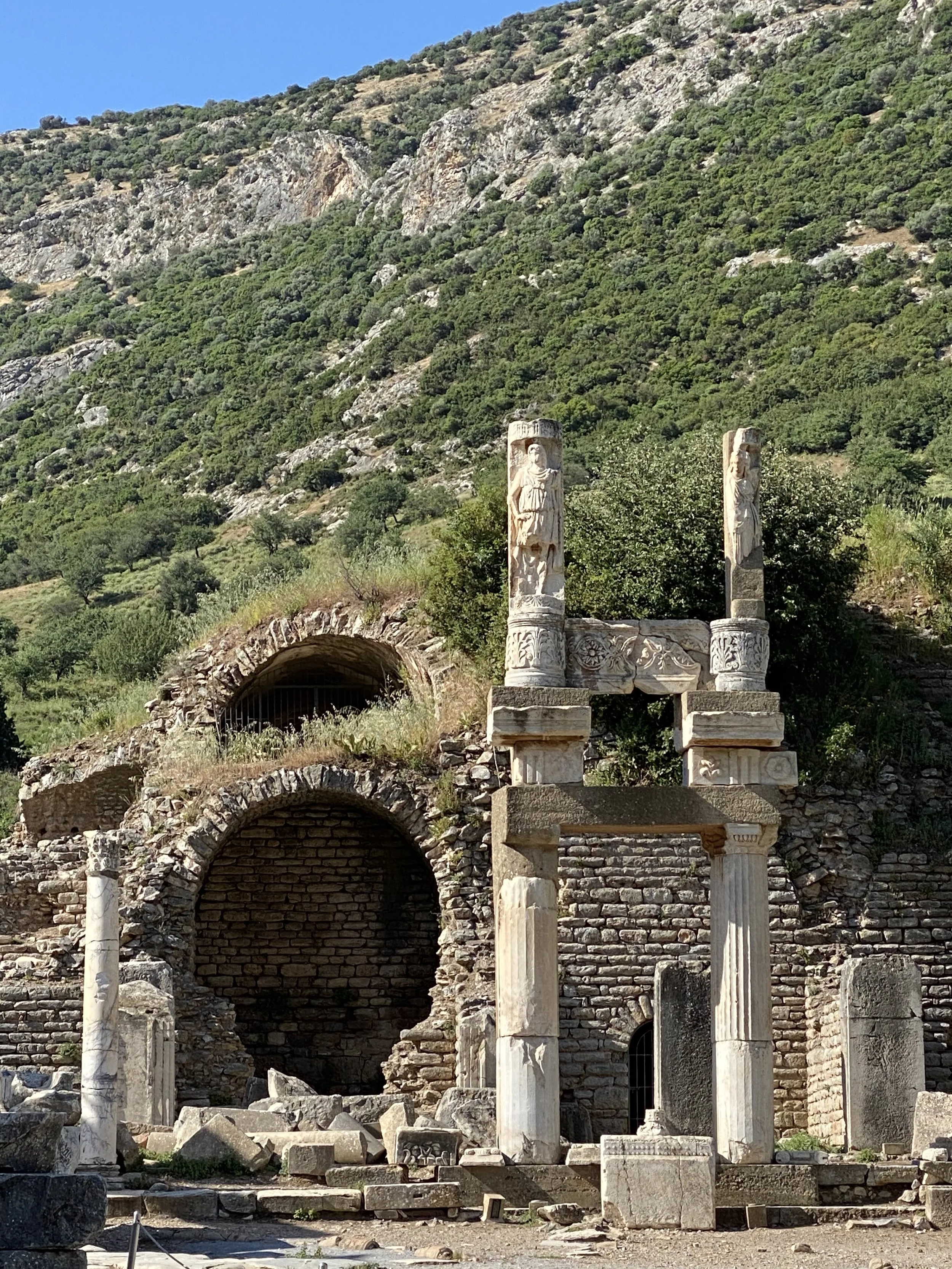
The Temple of Domitian in Ephesus, modern day Turkiye